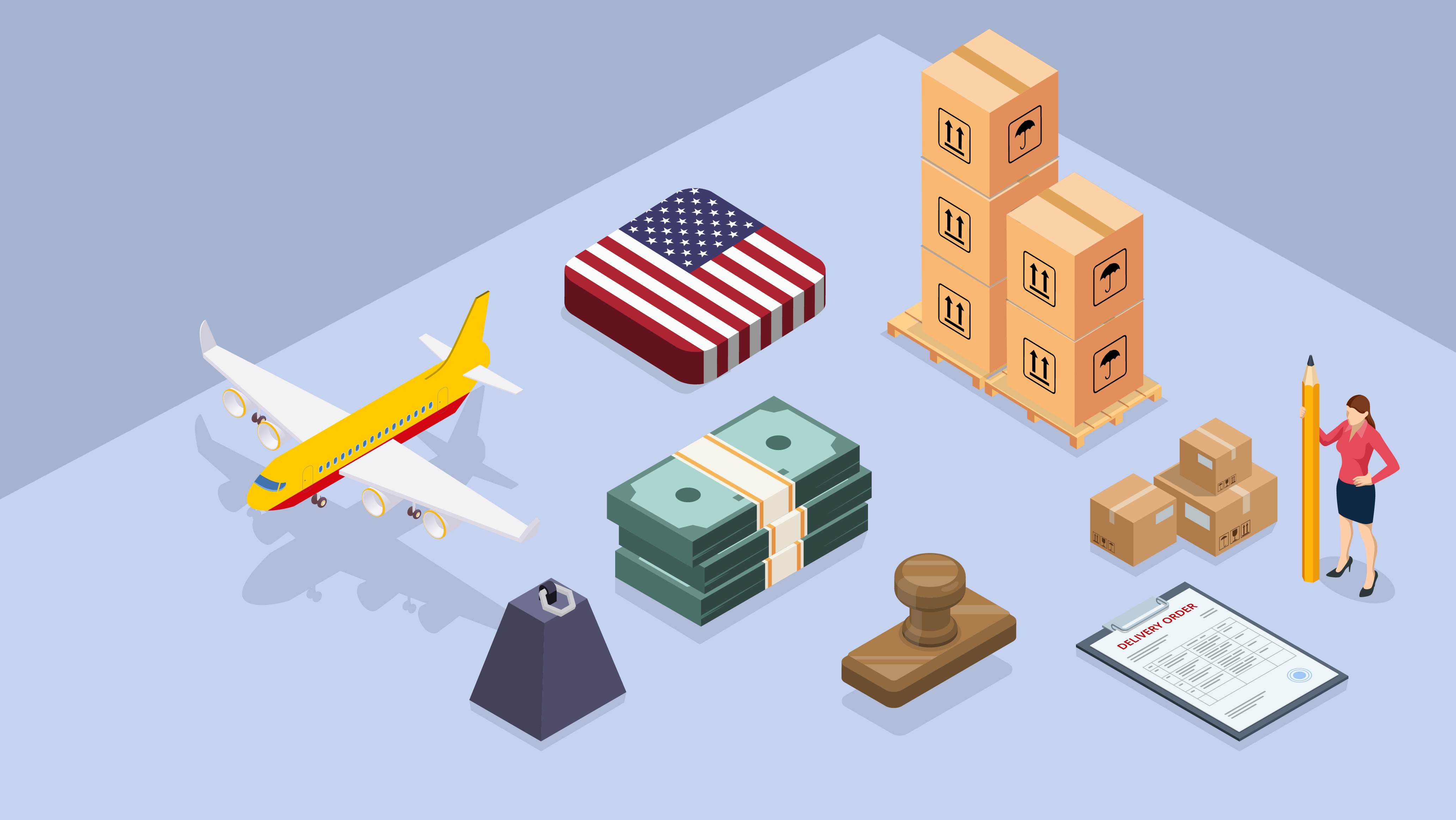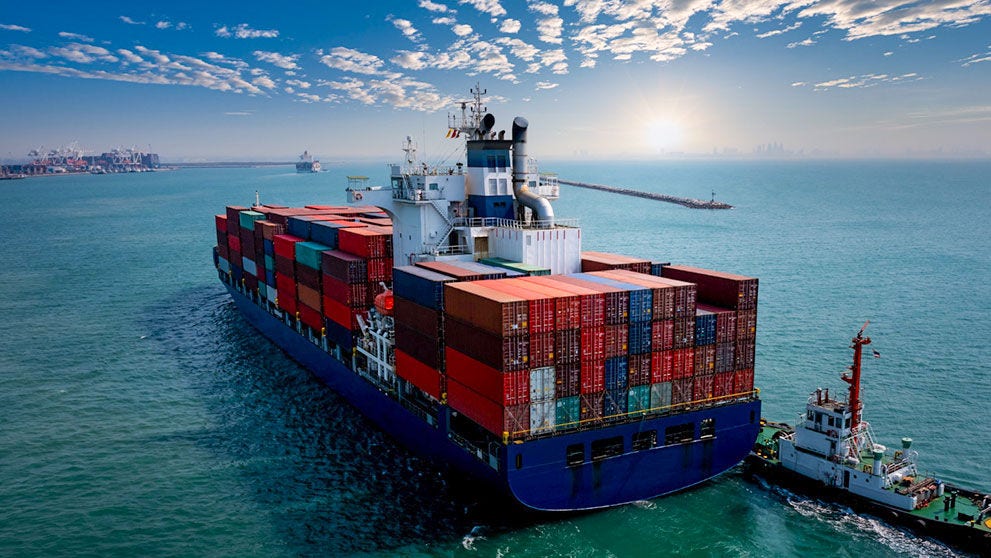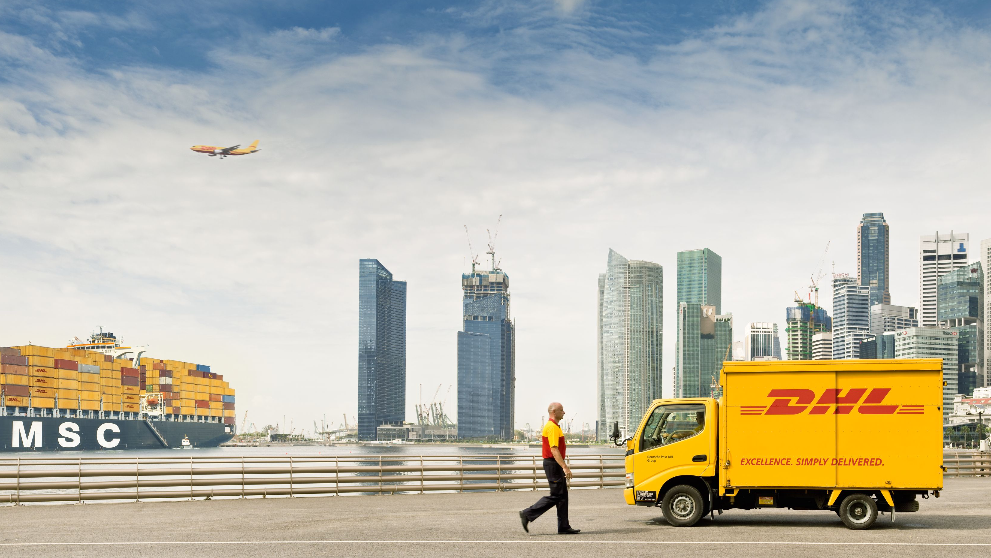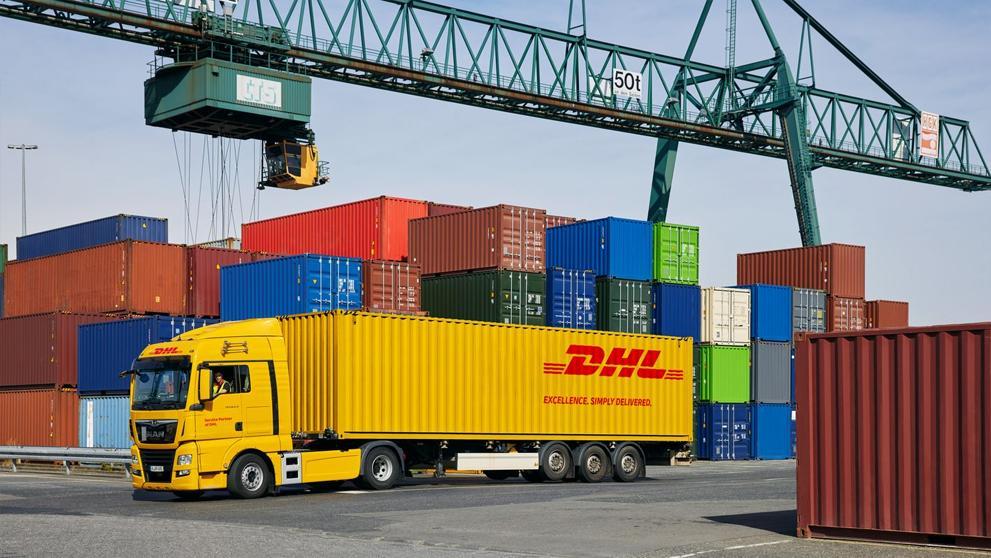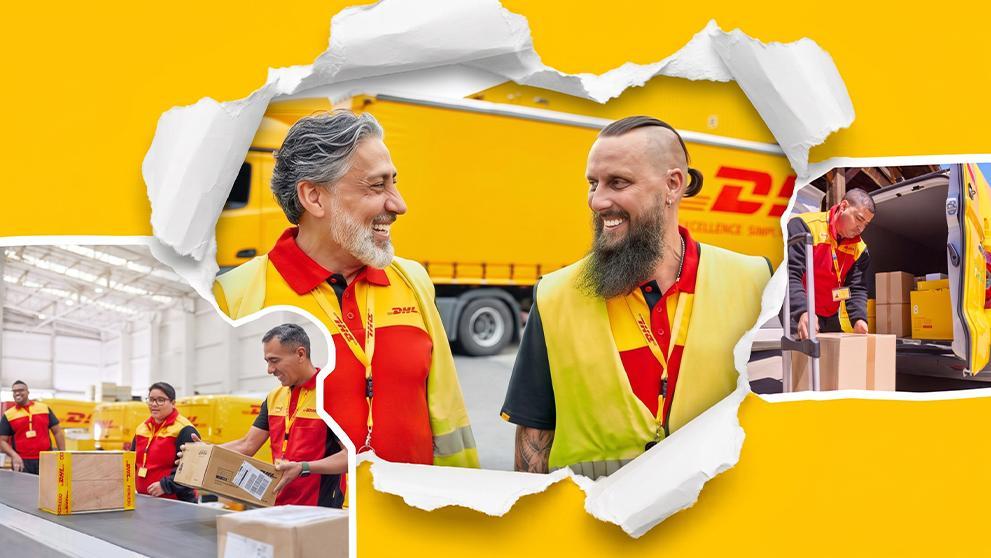
Many companies moving South Africa’s imports and exports don’t own a single ship, aircraft or truck. They’re freight forwarders: logistics specialists that coordinate the movement of goods across carriers, borders and transport networks.
For a business sending the occasional parcel, a courier or express service will often do the job. But as the business grows, so do the shipments. Parcels become pallets. Pallets become containers. A straightforward delivery can turn into a journey involving ports, customs authorities, multiple transport modes, documentation and strict deadlines.
That’s usually when freight forwarding becomes part of the conversation. But what does a freight forwarder actually do, and how can you tell whether your business needs one?
What Is a Freight Forwarder?
A freight forwarder is a company that arranges and coordinates the movement of goods on behalf of a business. Instead of managing every part of the shipment in-house, you can work with a forwarding partner that coordinates carriers and other logistics providers throughout the journey.
Depending on your shipment, freight forwarding services may include:
Arranging air, ocean, road or rail transport
Booking space with carriers
Preparing and coordinating shipping documents
Supporting customs clearance and regulatory requirements
Arranging inland transport and delivery
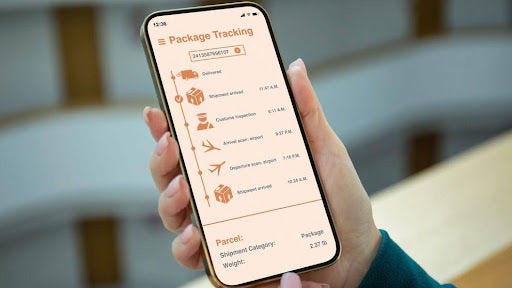
Tracking shipments and providing updates
Organising additional services, such as cargo insurance
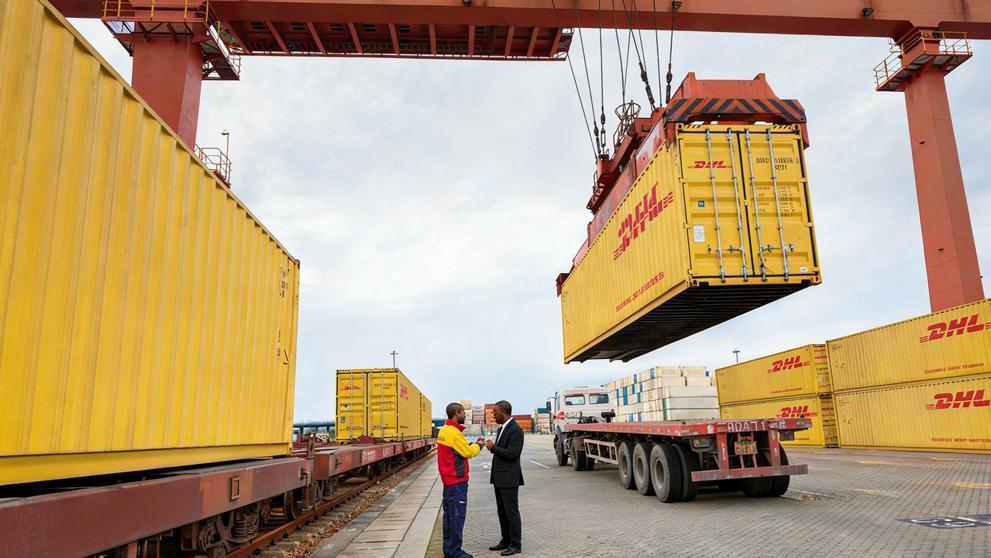
This can be especially valuable when an international shipment involves several stages. For example, a South African business importing equipment from Asia may need to coordinate ocean transport, port handling, customs clearance and inland delivery before the goods reach their final destination.
A freight forwarder can bring those moving parts together, giving your business one point of coordination and one less logistics challenge to manage.

Moving the Goods Is Only Part of the Job
So, what does a freight forwarder do beyond arranging transport?
The exact role depends on the shipment and the services you choose. A freight forwarding partner may help your business:
Select the most suitable transport mode based on the cargo, timing and budget
Arrange space with airlines, ocean carriers and other transport providers
Prepare or coordinate commercial and shipping documentation
Support customs clearance and compliance requirements
Coordinate transport between different stages of the journey
Monitor the shipment and share status updates
Arrange services such as cargo insurance or shipment value protection
The value of freight forwarding isn’t simply getting goods from point A to point B. It’s coordinating everything that needs to happen between those two points; particularly when several companies, countries, transport modes and regulatory requirements are involved.
When Does Freight Forwarding Make Sense in South Africa?
Not every business needs a freight forwarder. If you’re sending occasional parcels, a courier or express service may be all you need.
Freight forwarding can make sense when your business is regularly importing or exporting commercial shipments, moving pallets or containers, using multiple transport modes or managing a more complex international supply chain.
It can also be useful when your team doesn’t have the time or specialist knowledge to manage carriers, customs requirements, documentation and inland transport themselves.
For South African businesses trading across African markets, each shipment may involve different customs procedures, routes and transport arrangements. A logistics partner with the right local and international capabilities can help coordinate these requirements and keep the shipment moving.
The question isn’t only whether your team can manage the process themselves. It’s whether doing so is the best use of your time, resources and expertise.
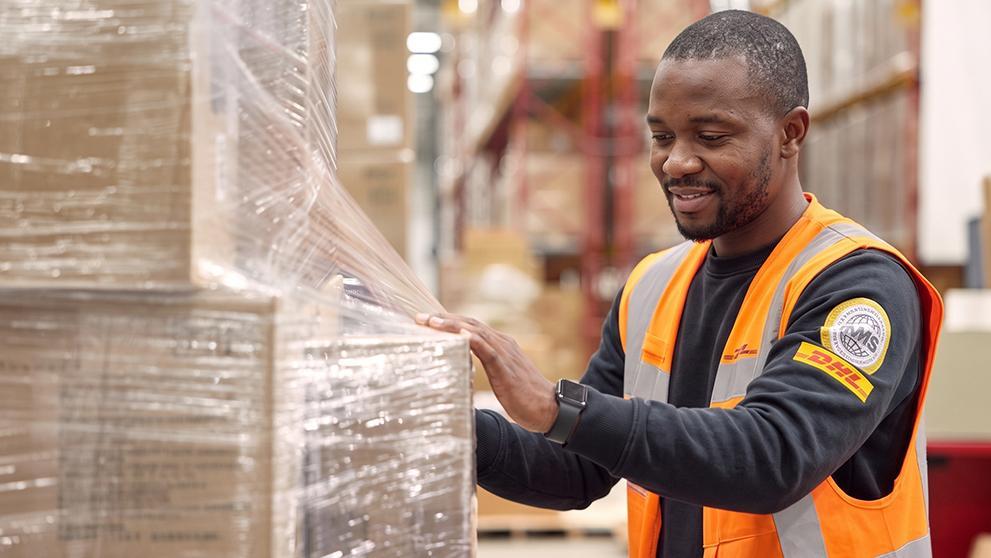
Freight Forwarder vs Courier: Which Is Right for Your Shipment?
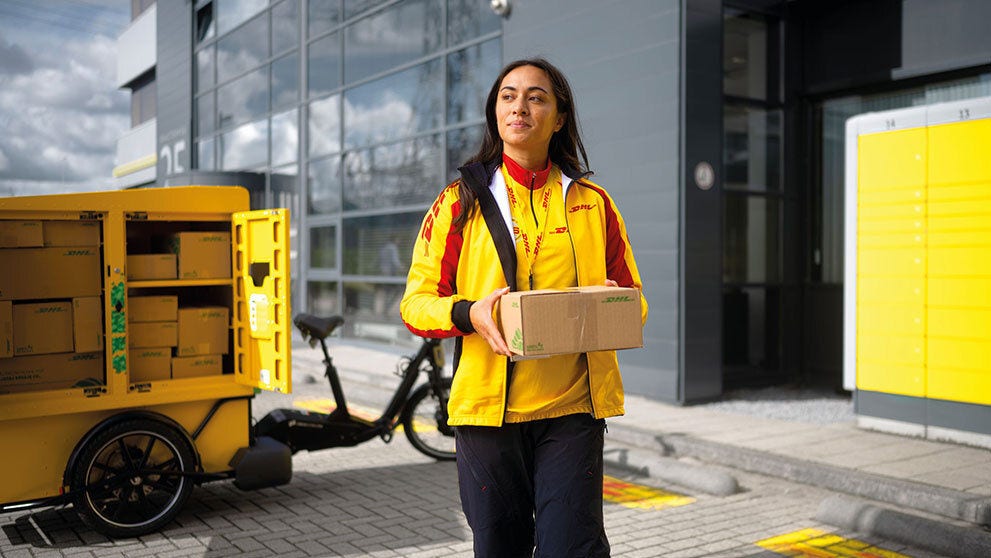
Courier and express services are generally designed for fast, door-to-door delivery of documents, parcels and eligible heavier shipments. They typically focus on speed, shipment visibility and a straightforward shipping experience.
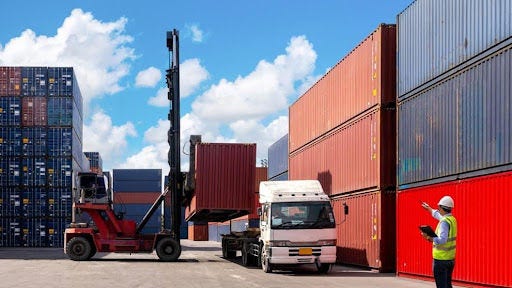
Freight forwarding is better suited to commercial cargo, including pallets, containers, larger volumes and shipments that involve several stages of transport.
When comparing a freight forwarder with a courier, don’t focus only on the price. Start with the shipment itself:
How large or heavy is it?
How quickly does it need to arrive?
Is this a once-off shipment or part of a regular supply chain?
Will it require more than one transport mode?
How much customs and documentation support will you need?
How much visibility and control do you need along the way?
For some shipments, freight forwarding will be the practical choice. For others, an express service may provide a simpler and faster solution.
Do You Need a Freight Forwarder? Let the Shipment Decide
There’s no universal answer to the question, “Do I need a freight forwarder?” The best place to start is with the requirements of the shipment.
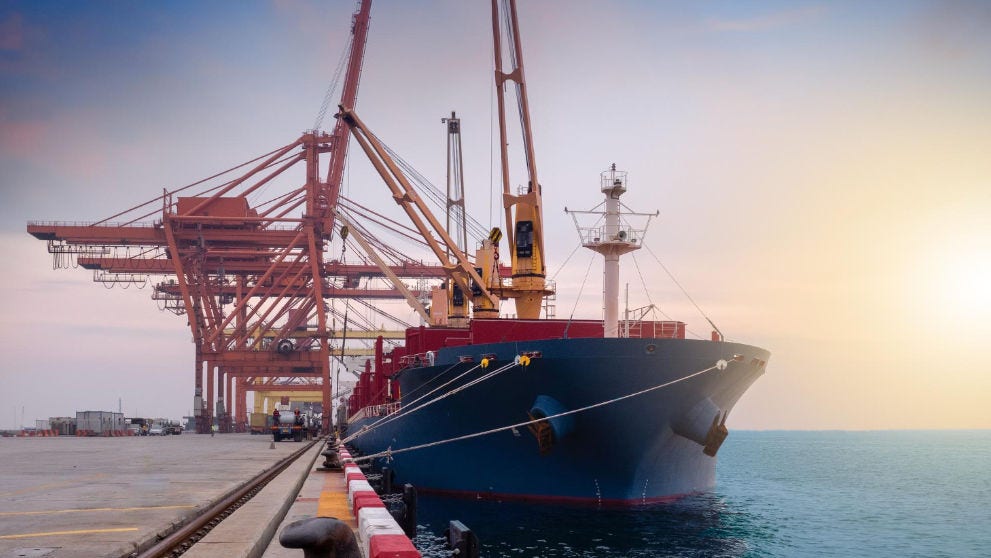
If you’re moving a large commercial order and keeping transport costs under control is more important than speed, ocean freight supported by professional forwarding may be the right fit. If you’re sending urgent goods, samples or smaller shipments with a defined delivery time, express shipping may be more suitable.
The route also matters. A shipment travelling through several countries or involving different transport modes and customs requirements may benefit from a logistics partner that can coordinate each stage.
The decision shouldn’t be based on whether freight forwarding is automatically better than express shipping. The more useful question is: what level of logistics support does this shipment need?
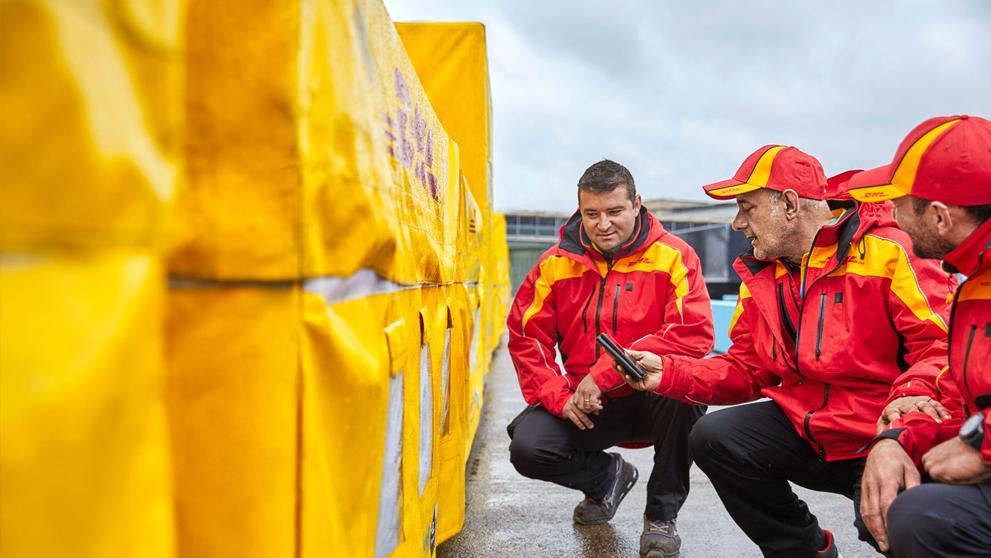
The Right Logistics Partner Helps Your Business Grow
International shipping often becomes more complex as a business grows.
The approach that worked when you were sending occasional parcels may not be enough when you’re importing stock regularly, moving pallets or serving customers across South Africa, the rest of Africa and international markets.
That’s where the right logistics partner can help.
DHL Global Forwarding helps businesses coordinate air, ocean, road and rail freight, along with customs services and digital tools such as myDHLi. Businesses can use myDHLi to request quotes, make bookings, track shipments, manage documents and access shipment analytics.
For shipments better suited to express delivery, DHL Express South Africa offers time-definite international shipping, customs expertise and shipment visibility.
The right choice depends on the shipment you’re moving, the coordination it requires and what matters most to your business, whether that’s speed, cost, control or simplicity.
Planning your next international shipment? Open a DHL Express Business Account to access shipping solutions and tools designed to make international shipping easier to manage as your business grows.
FAQs
A freight forwarder manages the movement of commercial cargo, often coordinating several transport modes, carriers and logistics providers along the way. A courier or express service, by contrast, is typically suited to faster, door-to-door delivery of documents, parcels and smaller, heavier shipments.
The best option depends on factors such as the shipment’s size, urgency, destination and overall complexity. For more guidance, read DHL’s guide to shipping between South Africa and Europe to help you choose the right freight solution for your business.
Fake freight forwarders are growing bolder, building polished websites, sending emails that carry the logos of major couriers like DHL, and quoting rates that look almost too good to be true. Be wary of any offer well below the market rate, and check a forwarder's contact details against its official website before you share shipment or payment information. Our guide to safe shipping for SA businesses explains how to spot the warning signs.
A freight forwarder can be a valuable partner when your business regularly transports commercial cargo, ships internationally or relies on more than one mode of transport. Their expertise can also help simplify customs procedures, manage documentation and reduce the risk of delays.
For South African businesses, getting import clearance right is especially important. DHL’s guide to avoiding common pitfalls in South African import clearance explains how working with a freight forwarder can help prevent documentation errors and support a smoother customs clearance process.


 Share
Share

Similar Stories