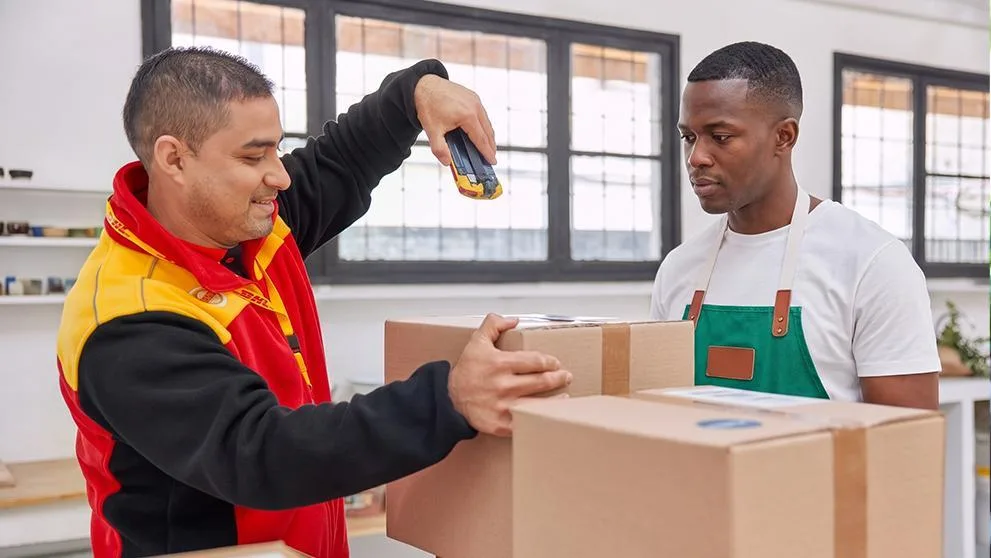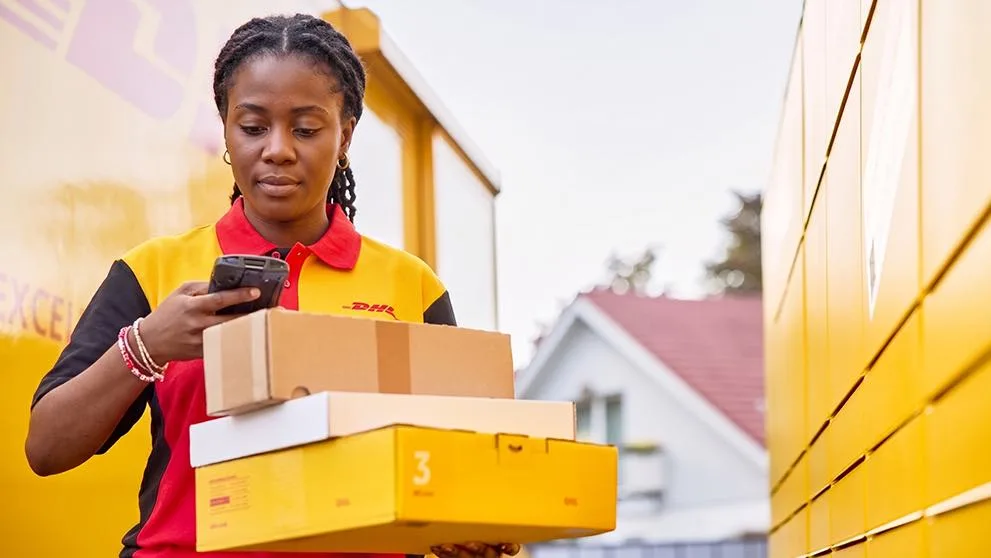
The order is packed, the customer is waiting, and your team is ready to hand the parcel to the courier.
But just before dispatch, an address check reveals a problem: the postal code does not match the suburb, or the street number is missing. Now the team has to contact the customer, confirm the correct details and update the shipment before it can move. With orders increasing during the November and December rush, these avoidable delays can quickly add up, especially when parcels are heading to different parts of the country.
Checking the delivery address before dispatch helps you catch these problems earlier, reduce the need for corrections and keep customers informed about their orders.
Four digits, but which address?
South African postal codes have four digits, but a suburb’s street addresses and PO Boxes may use different codes. A customer could enter the code for their PO Box even though they’re expecting a courier at their home or business.
Before booking a shipment, check that the code matches the physical delivery address. This matters whether the parcel is going across town or to a customer in a rural area.

Where can you check a postal code?
If a customer isn’t sure of their code, start by asking them to confirm their full delivery address.
This is especially useful when someone is ordering a gift for another person. Previous correspondence, a utility bill or an official document may also help. The South African Post Office’s addressing guidance is another useful reference.
For online retailers, prevention starts at checkout. Use clear fields for the street address, suburb, town or city, and postal code. Give customers a chance to review everything before they place the order.
A correct code isn’t a complete address
Even the right postal code won’t tell a courier which house, flat or office to visit. For a physical delivery, make sure you have the recipient’s name, street name and number, suburb, town or city, and postal code. Add the building name and unit or floor number where needed. For international shipments, include the country. A phone number and email address are worth collecting too. They give the delivery team a way to reach the recipient if a detail needs to be confirmed.
Catch mistakes before the parcel leaves
A misspelled suburb or missing street number is much easier to fix before dispatch than after a parcel has entered the delivery network. Digital shipping tools can help teams enter addresses consistently, especially when they’re handling more orders than usual.
MyDHL+ offers predictive address entry and address suggestions when preparing shipments. Its address book also lets businesses save recipient details for future bookings. That can cut down on repeated typing, but it’s still worth checking saved details each time. Customers move, and an address that worked for the last order may no longer be right.
Make the check part of your festive routine
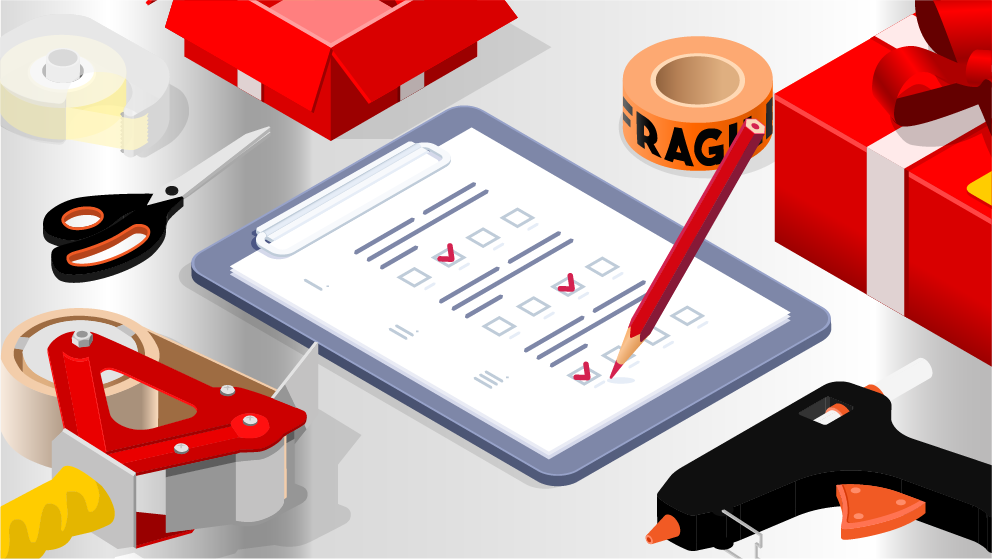
When orders pick up in November and December, don’t let address checks fall off the packing list.
Before dispatch, take a moment to confirm the recipient’s contact details, street address, suburb, town or city, and postal code. It’s a small step that can save your team an address query and help your customer receive their parcel without an avoidable delay.
DHL Express offers domestic and international shipping services for South African businesses, while MyDHL+ brings shipment preparation and delivery information into one place. If you’re getting ready for the festive rush, open a DHL Express Business Account to explore the shipping services and tools available to your business.
FAQs
A South African postal code is a four-digit number that helps identify where mail or parcels should be delivered. Street addresses and PO Boxes can use different codes, even in the same area, so check that you’ve entered the right one for the recipient’s address. It’s a small detail that can help prevent a delivery delay. DHL’s guide to South African postal codes for businesses explains why these codes matter when shipping.
Yes. Deliveries to rural areas are possible, but the courier needs enough information to find the recipient. If there’s no formal street address, include clear directions, a nearby landmark and a contact number where the recipient can be reached. DHL’s guide to getting parcels across rural South Africa covers what to consider when sending to more remote locations.
Check the latest tracking update first. It may show whether DHL needs more information to complete the delivery. If the address is missing details or contains a mistake, contact DHL to confirm what needs to be corrected. DHL’s guide to checking and resolving parcel statuses online can also help you understand the update and decide what to do next.
Make it easy for customers to enter their address correctly at checkout. Use clear fields, collect complete recipient and contact details, and check the information before dispatch. For repeat shipments, MyDHL+ offers address suggestions and saved recipient details that can help streamline bookings. DHL’s guide to using MyDHL+ explains how to prepare and manage shipments on the platform.


 Share

Similar Stories