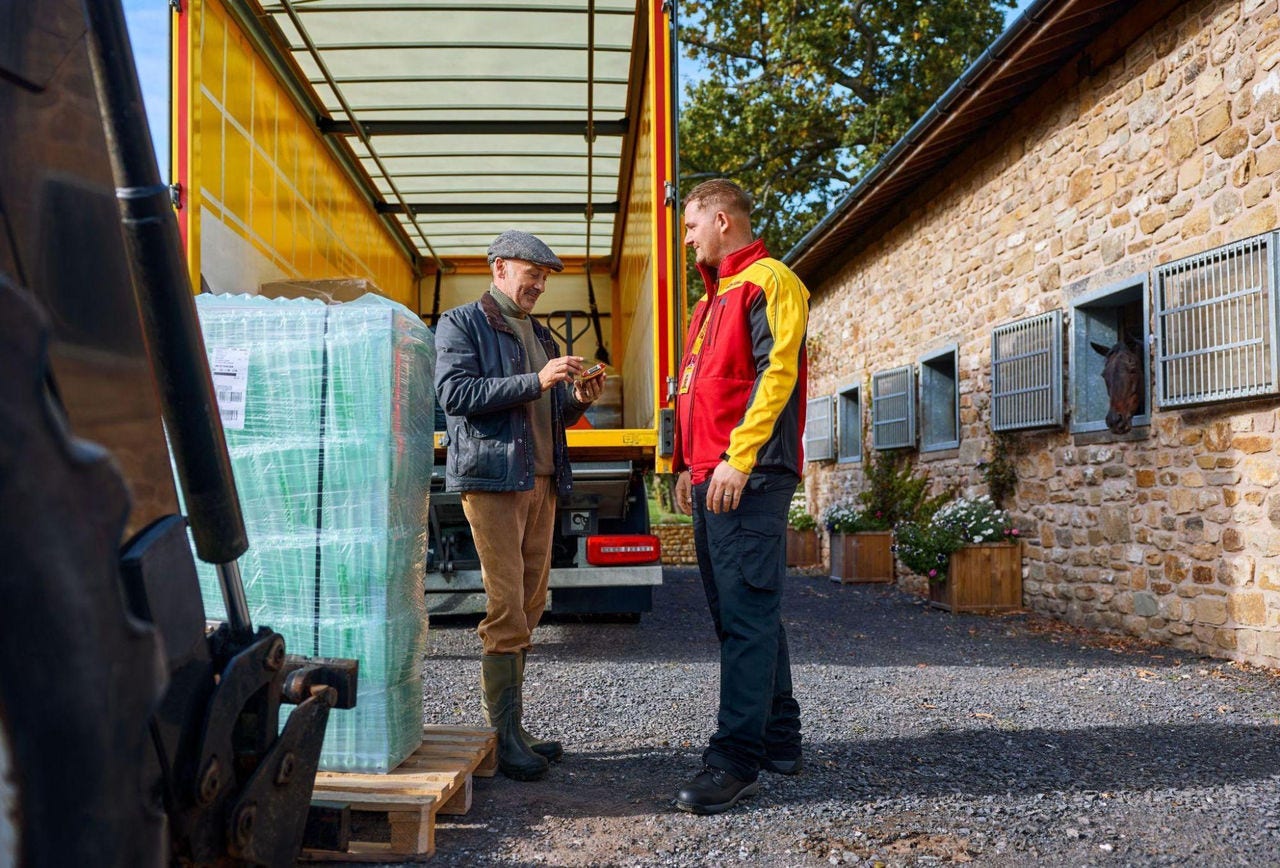
Picture this: your operations grind to a halt because a key machine arrives from overseas, dented and unusable. The issue runs deeper than replacing a pricey part. Delays ripple through your projects, clients wait longer, and your business shoulders costs that could have been sidestepped with a smarter shipping plan.
That’s why moving heavy, large, or unconventional freight is a unique challenge. It’s about much more than getting cargo from A to B. It’s about strategy, smart packaging, and hands-on logistics expertise. This guide breaks down how to protect high-value assets, such as industrial machinery, construction kit, or specialist medical devices, when shipping to or from South Africa.
Why Oversized Cargo Requires a Proactive Shipping Strategy
While cargo shipments often emphasise being handled with care, they don’t carry equal damage risks.
Standard parcels are generally designed to move efficiently through automated sorting facilities and conventional transport networks. Heavy, large, or unusually shaped freight often requires specialist handling from collection to final delivery.
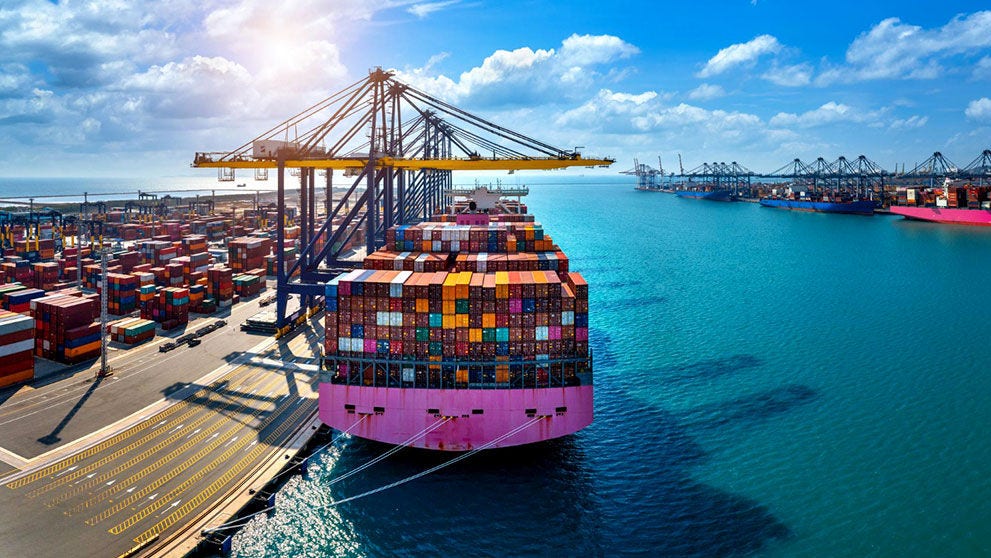
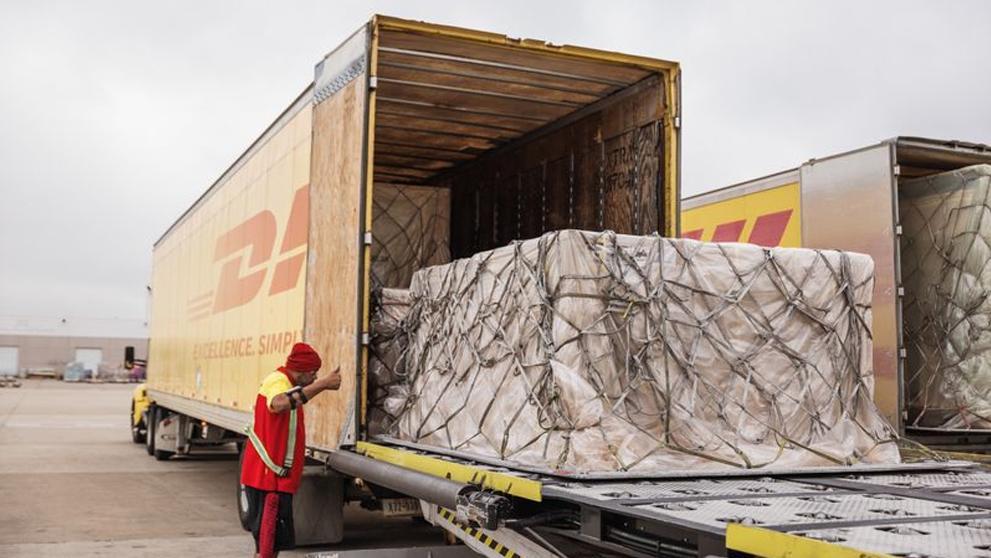
For example, South African ports handle an average of about 12,000 to 14,000 Twenty-Foot Equivalent Units (TEUs) of containerised cargo daily. These oversized industrial machines may require forklifts or cranes during loading and unloading, while unusually shaped cargo may need customised securing methods to prevent movement during transport.
Even the route itself may require additional planning if the cargo is bigger than standard vehicle dimensions or weight limits.
Because of these additional considerations, you should think beyond transportation alone when shipping heavy or large items. To ensure your cargo arrives in good condition, you must manage risk at every stage of the journey, from packaging and documentation to handling, tracking, and delivery.
The Biggest Risks to High-Value Freight
If not handled properly, here are the potential risks to shipping heavy, large, and unusually shaped freight:
Damage During Loading and Handling
As with regular shipments, heavy freight often changes hands several times before reaching its destination. Without the correct lifting equipment or handling procedures, valuable cargo can be damaged during loading, unloading, or repositioning.
Unexpected Delays
Due to their large sizes, oversized shipments often require additional coordination before they can move. These include proper route planning, specialised loading equipment, customs inspections for international shipments, and site access requirements.
These factors can influence delivery schedules. So, failing to account for them may result in avoidable delays that affect production timelines and customer experience.
Higher Operational Costs
When valuable freight is damaged or delayed, the costs incurred range from repairs to replacement, repeat transport costs, and loss of sales due to production delays. Your business may also face contractual penalties, depending on the project being handled.
Five Ways to Protect Valuable Freight When Shipping Heavy Cargo in South Africa
While every shipment is different, these practical steps can help businesses reduce risk and improve delivery outcomes.
1. Use Packaging Designed for Heavy Loads
When packing large and heavy shipments, you need packaging that can support significant weight and protect against vibrations, movement, and external impact. Weak pallets, insufficient bracing, or poor weight distribution can compromise a shipment’s stability and increase the risk of damage.
2. Distribute Weight Evenly
Where possible, heavier components should be positioned to create a balanced load that can be lifted and secured safely. This will reduce unnecessary stress on the cargo, make handling more efficient and reduce safety risks throughout the logistics process.
3. Provide Accurate Shipment Information
One of the simplest ways to prevent delays is to provide your logistics provider with accurate shipment details before collection. These include precise measurements, weight, loading requirements, and any handling instructions that may affect transportation.
4. Secure the Load Properly
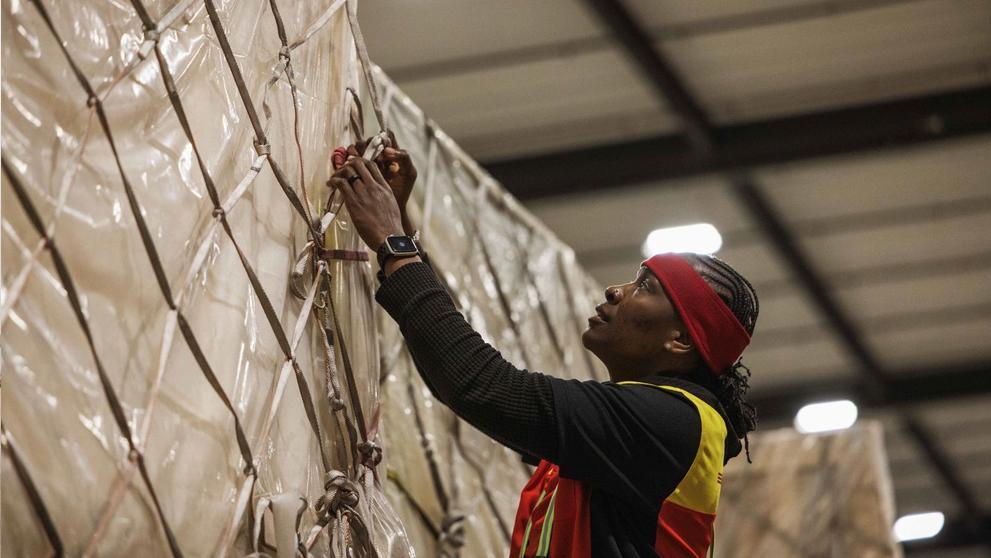
Even the strongest packaging cannot fully protect freight if the load isn't secured correctly during transport. Straps, braces, blocking materials, and other load-securing methods help prevent cargo from shifting, tipping, or sustaining damage while in transit.
5. Work With a Specialist Freight Partner
When thinking of moving cargo with speed, you need more than a standard collection and delivery service. Depending on the shipment, you may need specialist lifting equipment, customised transport planning, or additional support to ensure the cargo reaches its destination safely.
Working with an experienced logistics partner helps you handle heavy, oversized, and irregularly shaped freight with expertise. The right provider can also help with route planning, shipment visibility, and customs clearance for international deliveries.
When Should You Consider Specialist Freight Services?
You should consider specialist freight services when shipping:
Industrial machinery and manufacturing equipment.
Construction materials or engineering components.
Medical equipment or other high-value assets.
Large exhibition stands and event displays.
Oversized commercial equipment.
Ship and Protect Valuable Freight With DHL Express
Protecting heavy or oversized freight happens at each end of the supply chain. From shipping to collection, it requires careful planning, secure packaging, and a logistics partner with the experience to manage complex shipments within and outside South Africa.
DHL Express supports businesses moving valuable cargo through specialist logistics expertise, shipment visibility, secure handling, and reliable inter-state and international delivery solutions.
Whether you're transporting industrial equipment, commercial machinery, or other oversized shipments, open a DHL Express business account to find out how to reduce risk, move with speed, and maintain high service standards when shipping cargo.
Frequently Asked Questions (FAQs)
Heavy or oversized freight should be packaged appropriately and secured to prevent movement during transit. It should also have accurate shipment information, including dimensions, weight, and handling instructions. See How to Ship Large Items Fast.
Packaging should be selected based on the shipment's size, weight, and handling requirements. Usually, reinforced pallets, timber crates, protective cushioning, and secure strapping are used to protect heavy or unusually shaped freight during transportation. See How to Pack Large and Heavy Shipments.
Specialist freight services are recommended for businesses moving oversized, unusually shaped, fragile, or high-value shipments that require expert handling, specialised equipment, or sophisticated transport planning. These services move complex freight more safely and efficiently. See: Start Exporting With DHL.


 Share
Share

Similar Stories