A customer can love your product, be ready to pay and still abandon their cart because you can’t deliver it the way they want.
According to the ITWeb E-Commerce Report, 80% of South African shoppers would abandon a purchase if their preferred delivery option wasn’t available. Three in four have also bought products through social media. For retailers, that means the pressure is on to deliver a consistent experience wherever customers choose to shop.
For mid-sized brands, the challenge is turning interest into a completed sale, and making sure the delivery experience brings customers back. You don’t need the infrastructure of one of South Africa’s biggest retailers to get this right. You need an operation that fulfils orders accurately, meets customer expectations and scales as your business grows.
Here are five practical lessons to help you build it.
5 shipping lessons for growing retailers
1. When customers shop everywhere, fulfilment needs to keep up
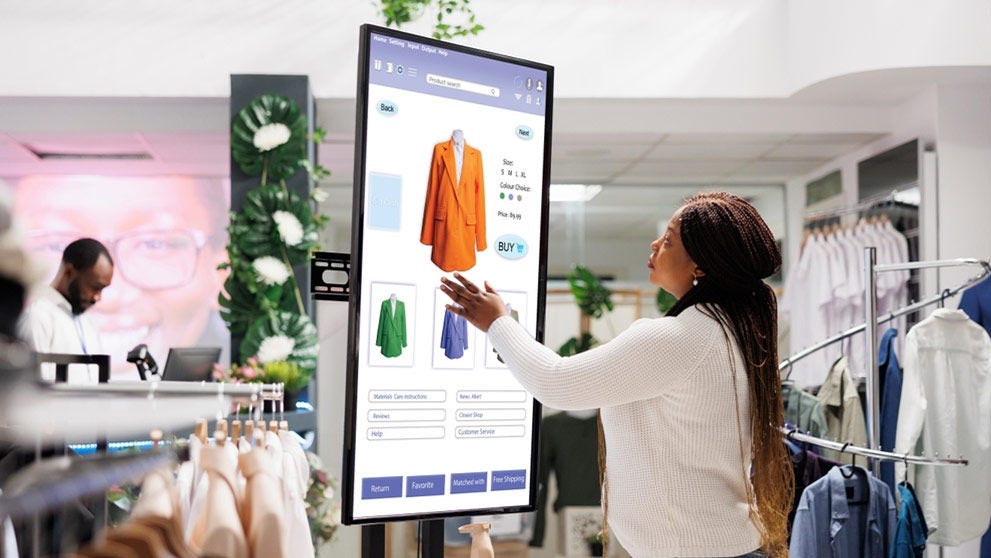
One customer discovers your product on social media before completing the purchase on your website. Another walks into your store and buys the same item off the shelf. Both expect the product to be available and the transaction to go smoothly.
Keeping inventory accurate across stores, websites, online marketplaces and social platforms is harder than it sounds. When systems aren’t aligned, products may still appear available after selling out. Orders can be cancelled, customers disappointed and stock sent from a location farther away than necessary.
As the number of sales channels grows, retailers need connected inventory, order-management and fulfilment processes. Without them, the sale can fall apart before delivery even begins.
The lesson for mid-sized brands: Map the full journey from purchase to dispatch. Look for points where stock information becomes unreliable or orders slow down, then fix the issues that cause the most disruption. Your fulfillment process should support the way customers already shop, not force them into the way your operation happens to work.

2. A delivery promise is only as strong as the operation behind it
Fulfilling an order accurately is just the beginning. Customers also expect to receive their purchases at a reasonable cost, within a suitable timeframe and in a way that fits their day.
DHL’s 2025 e-commerce report found that 63% of South African shoppers are frustrated by high delivery costs, while 61% say faster delivery would improve their online shopping experience. Four in five would not buy from an online retailer they didn’t trust to deliver their order or handle a return properly.
That trust is built one parcel at a time.
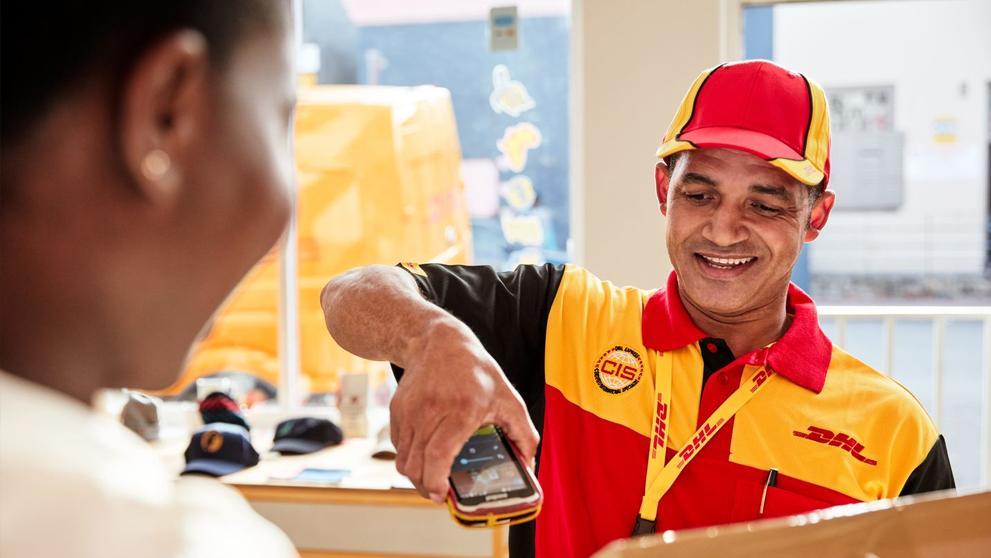
Retailers need to balance speed, cost and reliability instead of making delivery promises they can’t consistently keep. Flexibility also counts. Customers may need to reschedule a delivery, redirect a parcel or arrange collection when plans change. Giving them more control can turn delivery from a source of frustration into a reason to shop with you again.
The lesson for mid-sized brands: Set clear, realistic expectations at checkout and choose shipping services suited to your products, customers and destinations. Focus on the options customers value most, while keeping a close eye on margins. The cheapest or fastest service isn’t always the right one; consistency matters just as much.
3. Your logistics operation must grow with demand
More orders are good news, until your team can’t keep up.
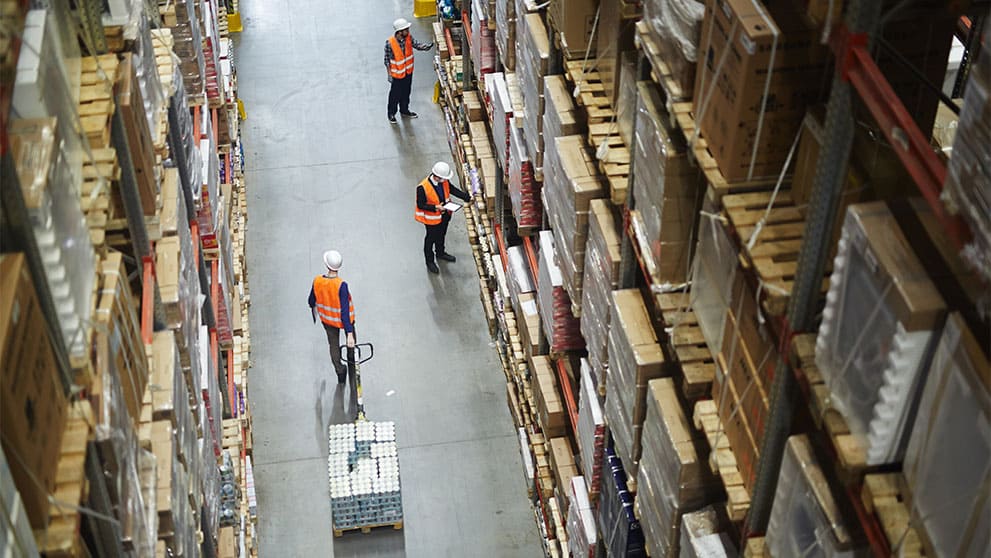
When demand rises faster than the operation can handle, fulfilment quickly becomes a bottleneck. Picking and packing fall behind, stock records become less accurate and parcels miss scheduled collections. What should have been a strong sales period can end with late deliveries, costly mistakes and frustrated customers.
Peak periods such as Black Friday, the festive season and major promotional campaigns require preparation. Retailers need to anticipate demand, check inventory levels and confirm that their fulfilment and shipping arrangements can absorb the extra volume.
Customer communication matters here, too. If a delay happens, people want to know about it before they have to ask. A clear update and an honest revised delivery date can go a long way towards preserving trust.
The lesson for mid-sized brands: Use previous sales data to identify demand patterns and the products most likely to sell quickly. Order packaging early, confirm collection arrangements and set achievable dispatch times before the rush begins. If demand exceeds expectations, have a plan for prioritising orders, managing delays and keeping customers informed.

4. Returns can decide whether the customer buys again
Delivery isn’t always the end of the customer journey. An item may not fit, could arrive damaged or might simply differ from what the customer expected. What happens next can determine whether that person gives your brand another chance.
A confusing or slow returns process adds friction at exactly the wrong moment. A straightforward process, by contrast, can reassure customers that buying from you carries less risk.
Returns also have an operational cost. Products must be received, inspected and assessed before they can be restocked, exchanged, repaired or removed from sale. When this takes too long, inventory is tied up and handling costs rise. That can make it harder to fulfil new orders, especially when popular items are returned but not promptly made available for resale.
A clear returns policy should tell customers how to start a return, which conditions apply and what they can expect next. Behind the scenes, a consistent process helps your team handle returned products quickly and fairly.
The lesson for mid-sized brands: Track why products are returned, how long each return takes to process and how quickly saleable items go back into stock. These insights can reveal problems with product descriptions, sizing information, packaging or quality control, and help reduce avoidable returns over time.
5. Growing retailers don’t need to do everything themselves
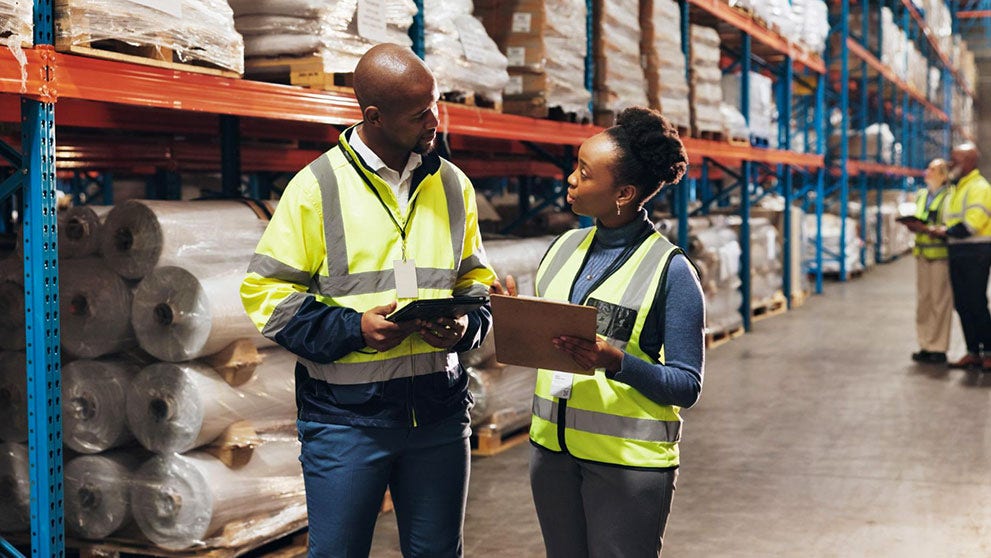
As a retail business expands, logistics can consume more time, money and attention than expected. Warehouse space, fulfilment staff, inventory systems and shipping coordination all become more demanding as order volumes increase.
That doesn’t mean every growing retailer should outsource its operation. A business sending a manageable number of parcels may simply need a dependable shipping provider. A retailer carrying substantial inventory across several sales channels may benefit from external warehousing, order fulfilment or wider supply chain support.
The right setup depends on where your business is now, where the pressure points are and what you’ll need at the next stage of growth. You might improve existing internal processes, bring in specialist support for a few tasks or outsource a larger part of the logistics operation.
DHL Express provides international express shipping services, while DHL Supply Chain offers broader contract logistics services, including warehousing and fulfillment.
The lesson for mid-sized brands: Identify the logistics activities that take up the most time, cause repeated problems or require investment you can’t yet justify. Then compare the true cost of managing them internally with the cost and potential benefits of using a specialist provider.
How to apply these lessons to your retail business
Better retail logistics doesn't necessarily begin with a new warehouse or a major technology investment. It begins with understanding where your current operation struggles and what needs to change as sales grow.
Before investing in new systems or facilities, assess your operation against six questions:
Can we fulfill orders accurately as sales increase?
Do we know what stock is available and where it is stored?
Are our delivery options suitable for our customers?
Can we handle a period of increased demand without significant disruption?
Is our returns process clear and efficient?
Which logistics activities would benefit from specialist support?
Use the answers to prioritise improvements based on their effect on customers, costs and operational performance. You may find that a few changes to your existing processes will solve the immediate problem. Or you may discover that growing order volumes require additional shipping, warehousing or fulfilment support.
Find the right logistics solution for your business
Mid-sized retailers don’t need to copy the logistics model of a national chain. They need a setup that works for the size and shape of their own business, one that keeps stock information accurate, delivers on customer expectations, handles busy periods and processes returns efficiently.
That could mean improving inventory visibility, preparing earlier for seasonal demand or bringing in specialist support for part of the fulfilment process. The right approach will depend on what your business needs today and where you want to take it next.
DHL offers shipping and logistics services for businesses at different stages of growth, from express parcel delivery to broader retail fulfillment and supply chain solutions.
Ready to take the next step? Open a DHL Express Business Account and explore shipping options designed to support your growing retail operation.
Frequently Asked Questions
A smooth online shopping experience starts with accurate inventory and reliable fulfillment. Retailers should align stock records and order-processing systems across every sales channel, giving customers the confidence that products are available and will arrive as promised.
For South African businesses using social media to reach new customers, the path from product discovery to checkout should be quick and easy. DHL’s Ten Tips for Social Selling Success shares practical ways to strengthen your social commerce strategy, convert more browsers into buyers and create a better online shopping experience.
Great delivery begins with clear expectations. Retailers should provide accurate delivery timeframes, choose services that suit their customers and communicate quickly when plans change.
Flexible delivery options can also give recipients more control over when and how they receive their parcels. Where available, DHL’s On Demand Delivery service allows customers to manage eligible shipments according to their needs. For retailers, this flexibility can help reduce missed deliveries and create a more convenient customer experience.
Black Friday can bring a sharp increase in orders, so early preparation is essential. Before launching promotions, retailers should forecast demand, confirm stock availability and make sure their fulfilment teams and shipping partners can handle the expected volumes. DHL's advice on preparing South African retailers for Black Friday covers ways to prepare for peak-season demand.
Returns deserve just as much attention. A clear returns policy and an efficient process for receiving, inspecting and managing returned products can save time, protect margins and build customer trust. DHL's guidance on returns management offers practical advice on managing returns efficiently.


 Share

Similar Stories