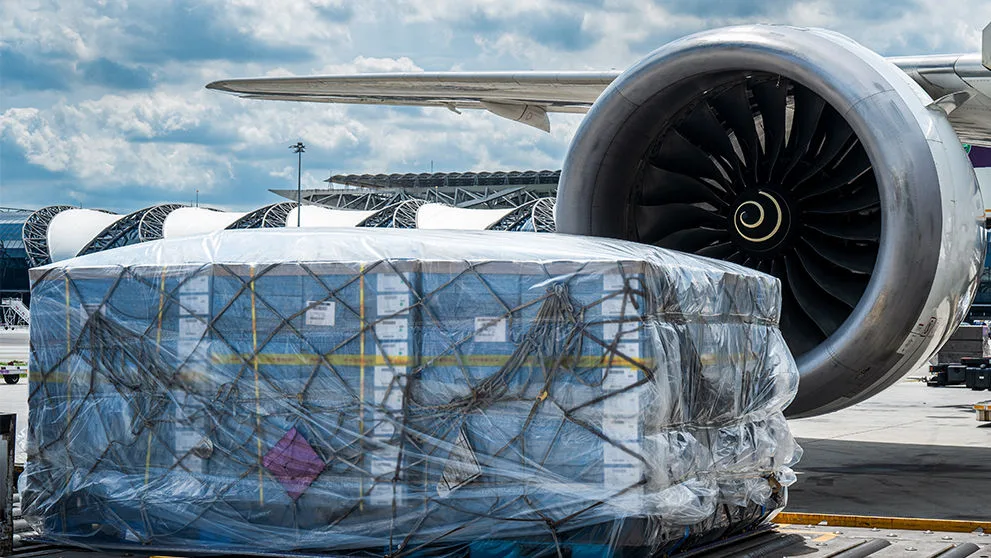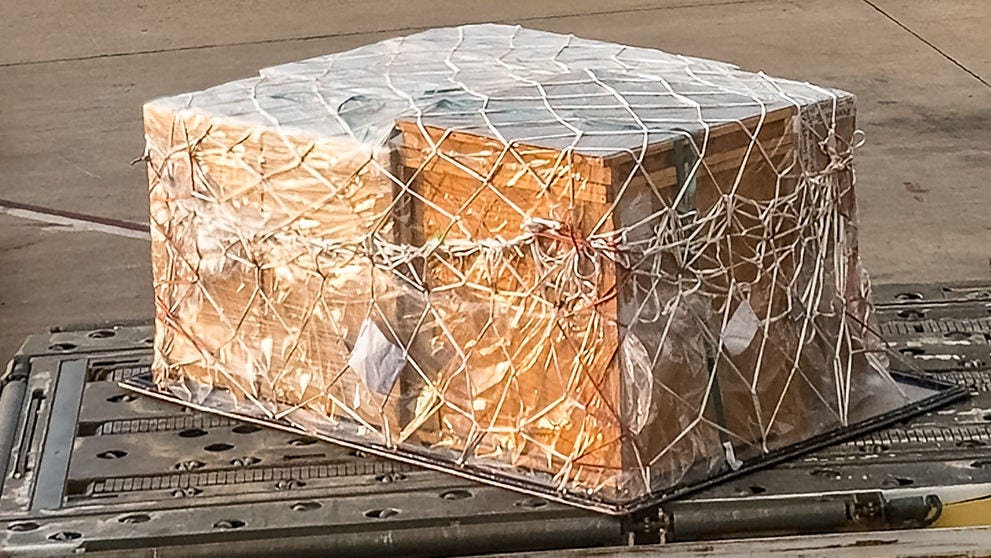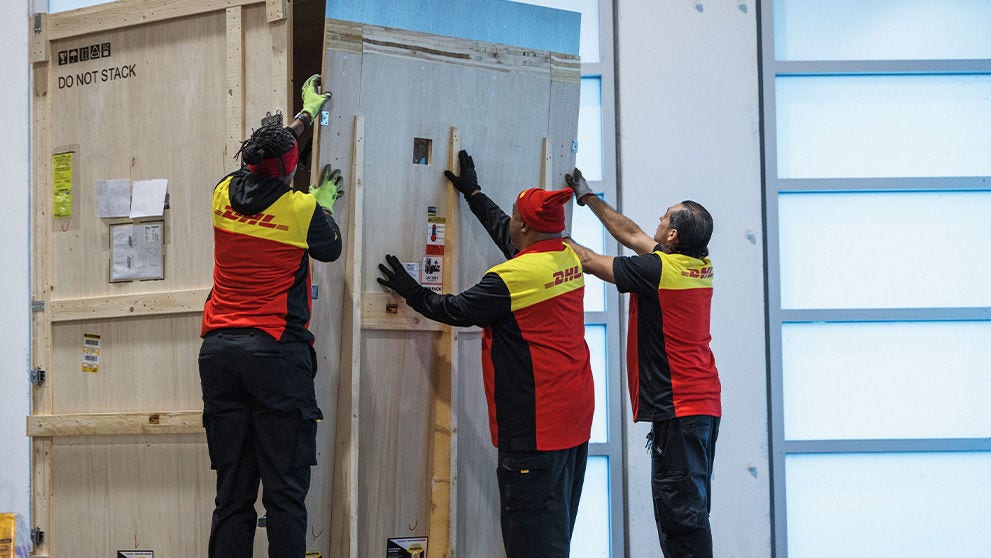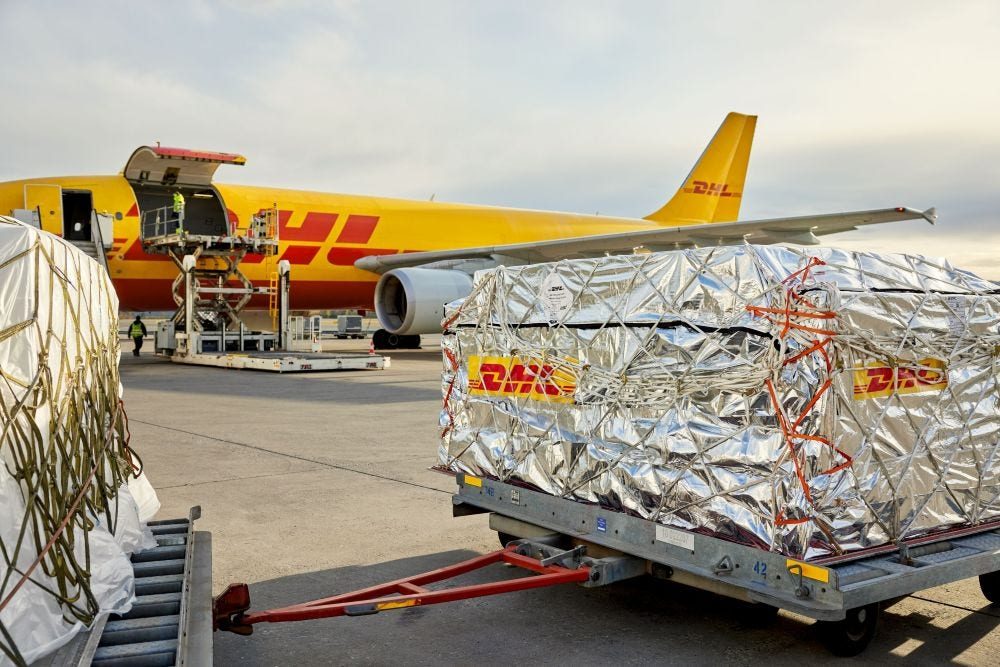
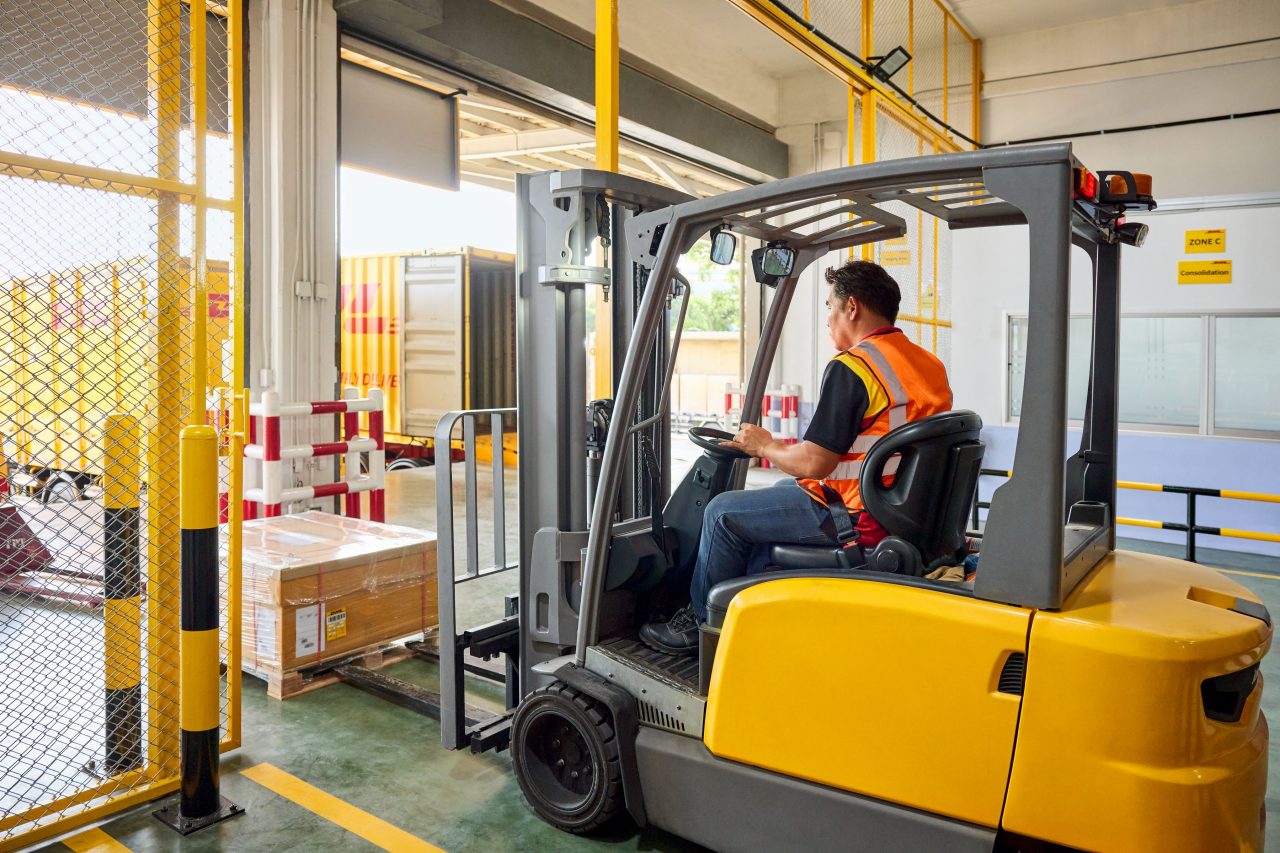
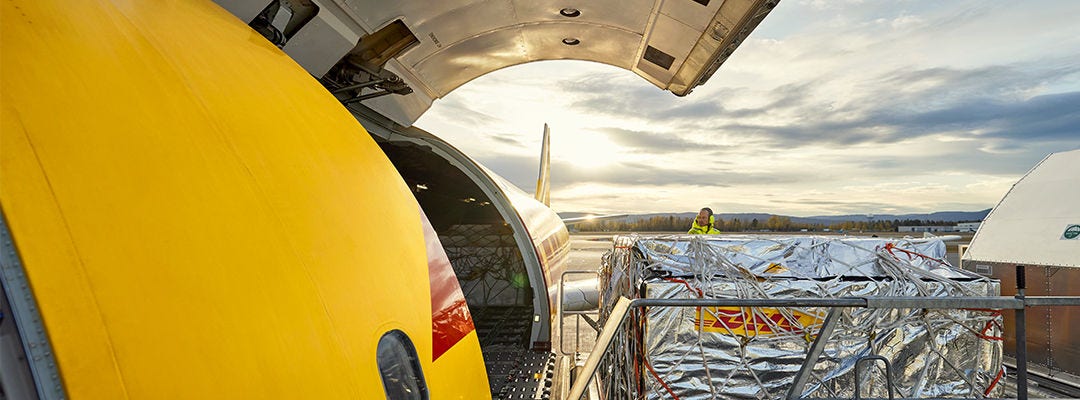
Heavy equipment shipping covers any machinery, industrial equipment or oversized component that exceeds standard parcel weight and size limits, generally shipments over 68 kg (150 lbs).
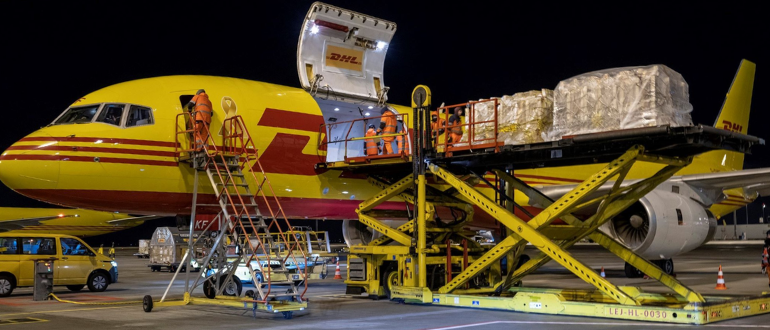
Heavy equipment shipping means moving industrial machinery, production equipment or oversized items that are too big or heavy for a standard parcel service. It spans everything from a single heavy machine leaving a factory in Belfast to a multi-piece production line moving from Sheffield to a new plant in India.
This guide explains how heavy equipment shipping works: from the shipping methods available, the documentation UK businesses need, how to prepare equipment for transit and how to choose the right service for the weight, size and destination of your shipment.
Heavy equipment shipping refers to the transport goods that exceed the weight and bulk limits of standard parcel services. This can take the form of anything from a single oversized machine to disassembled equipment.
Typically, the "heavy" in "heavy equipment shipping" is defined by weight. Shipments over 50 kg (110 lbs) are generally classified as freight rather than parcel. Beyond those limits, specialist services may be able to transport individual pieces weighing a tonne or more, provided the shipment is properly packaged and documented.
Another factor to consider is dimensions. If a shipment is very bulky and awkward in size, it may be classified as freight. This is because it exceeds size limits, even if it is lightweight. For this reason, larger machines may be split into their component parts and sent separately as several pieces rather than moved as one impossibly large unit, so business owners can access more shipping options while keeping costs down.
The kinds of products and goods shipped as heavy equipment include:
Industrial machinery and production equipment
Generators and compressors
Automotive parts and their components
Medical and diagnostic equipment
High-value electronics
Data centre infrastructure components
When it comes to shipping heavy equipment, choose your shipping method based on the shipment's weight and dimensions, and the time by which it has to reach its destination.
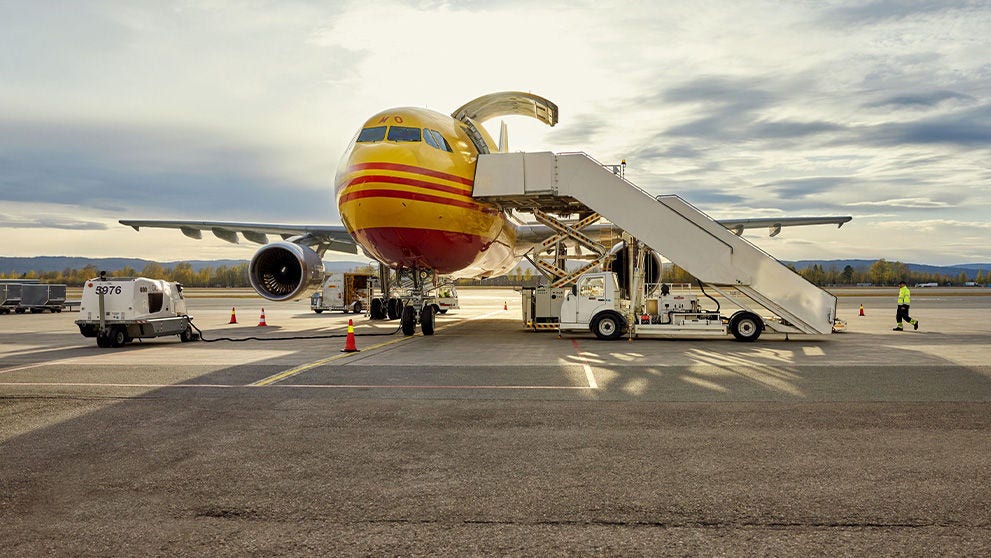
Specialist express services move heavier, palletised or crated equipment internationally within days. As they offer speedier transit and can handle larger, heavier shipments than a standard parcel network allows, they are often the method of choice for shipping urgent spare parts. With express air freight, a replacement motor can be flown in from Germany for a Bristol bottling line, or a piece of diagnostic equipment can be sent to a clinic in Leeds from an overseas supplier.
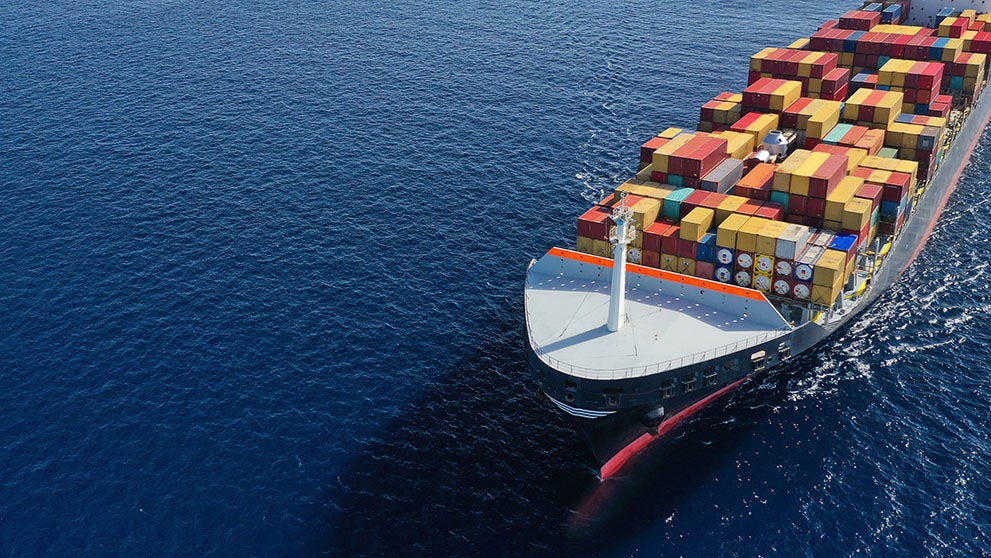
Large excavators, industrial plants, and other equipment that exceeds express size or weight limits is usually transported via three methods: flat rack container, Roll-on/Roll-off (RORO) or breakbulk ocean freight, or European road freight. All three modes can ship heavy machinery when there is some leeway in transit time, giving businesses more flexibility in planning.
Many UK businesses combine methods during a single project: a construction firm shipping excavators from Liverpool to a site in Australia might send a critical hydraulic part by air ahead of the main shipment, while the machine that uses the part is shipped via more affordable ocean freight.
As shipping heavy equipment comes with risks, it is vital to know how to ship large items to avoid damaged goods or customs delays.
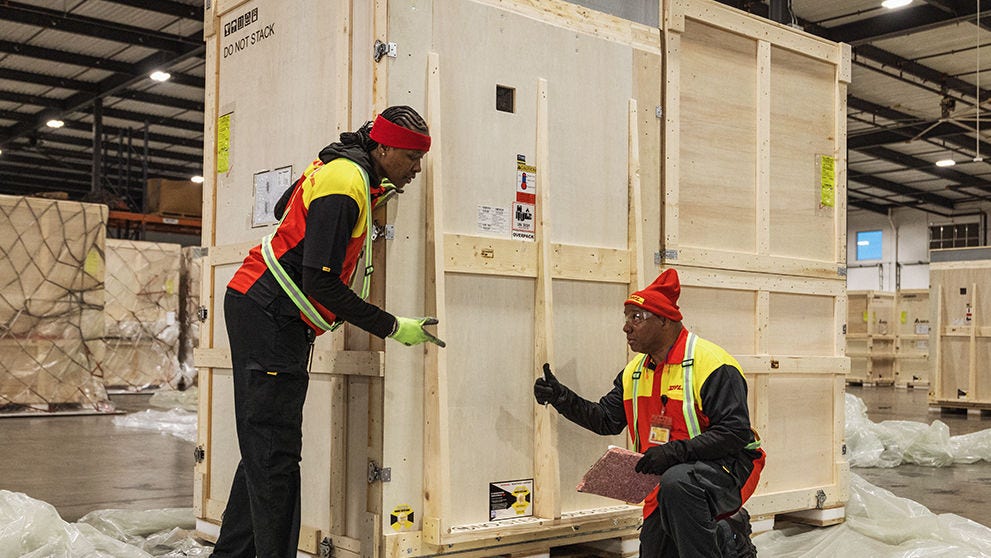
Uneven stacking, damaged pallets and unsecured loads are among the most common causes of delay or damage in heavy equipment logistics. Heavier components should sit at the base of the load, and the whole shipment should be secured with stretch wrap or strapping.
If the equipment you are shipping overhangs its pallet, or forklifts are unable to access it safely, it is likely that it will be stopped for inspection. This leads to delays or even rejections. Check a shipment against the carrier's handling requirements before collection to avoid any issues.
Accurate paperwork is one of the most common causes of delay for international heavy equipment shipping. Most shipments need, at minimum, a commercial invoice, a packing list and an accurate Harmonised System (HS) code describing the goods, alongside any equipment-specific paperwork below.
It is good practice to check a shipment's classification early, as even items that seem obviously commercial may require export licenses before they can be shipped. Other goods, such as dual-use goods, are naturally subject to strategic export controls2.
Wooden crates and pallets used for international shipments must be treated to International Standards for Phytosanitary Measures No. 15 (ISPM-15) and clearly marked, to meet UK and international phytosanitary standards.
Preparing large shipments properly reduces the risk of delay or damage in transit, and matters just as much for overseas heavy equipment shipping as it does for a shorter domestic move. As a general guide:
Choose crating or pallets suitable for the equipment's weight and dimensions
Secure the load with firm strapping or banding rated for its weight
Protect exposed, moving or fragile components before transit
Label the shipment clearly with the appropriate information and any handling instructions
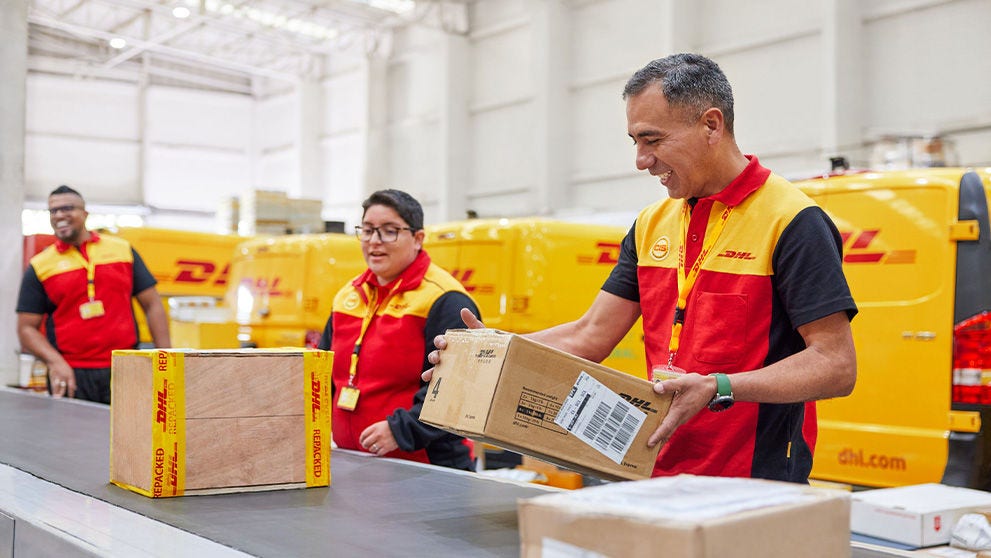
Many businesses assume that heavy equipment shipping must rely on slower freight networks. DHL Heavy Weight Express combines the speed and simplicity of express courier networks with the specialised capability required to handle large, time-critical cargo.
Capability: Built specifically for individual cargo or palletised shipments weighing 50 kg up to 3,000 kg.
Speed: Rapid international delivery in as little as 1 to 3 days.
Global Reach: End-to-end service across an integrated network spanning over 220 countries and territories.
Customs Support: Built-in customs expertise at every border to prevent clearance delays and administrative bottlenecks.
Dedicated Expertise: Priority assistance from specialised Heavy Weight experts who understand complex cargo logistics.
Transparent Pricing: All-in pricing with no hidden charges.
DHL Heavy Weight Express is ideal for operations where unexpected delays mean costly downtime, such as medical device suppliers or high-tech manufacturers responding to sudden demand.
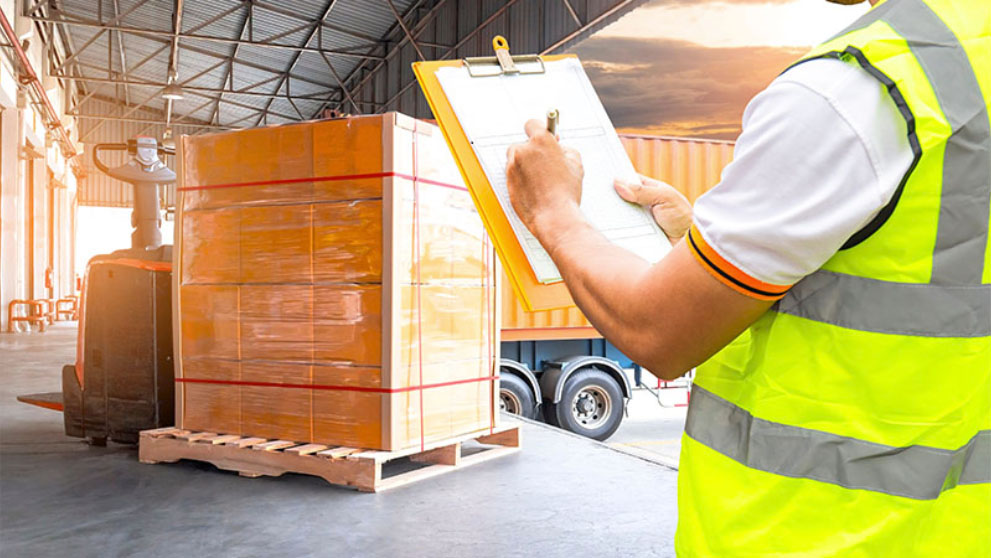
No matter the size, weight, or destination, DHL Express offers the dedicated capability and global network needed to move your heavy cargo safely and at speed. Ship your equipment with complete confidence backed by priority handling, seamless border clearance, and transparent pricing every step of the way.
To get started, open a DHL Express Business Account or speak with an account manager about the right service for an upcoming shipment.
Heavy equipment shipping covers any machinery, industrial equipment or oversized component that exceeds standard parcel weight and size limits, generally shipments over 68 kg (150 lbs).
A commercial invoice, an accurate Harmonised System (HS) code and a full goods description are required for all shipments, along with any applicable export licences or permits.
DHL Heavy Weight Express covers shipments from 50 kg up to 3,000 kg.
DHL Heavy Weight Express shipments can move internationally in as little as one to three days. Ocean or road freight options generally take longer, depending on the destination and service selected.
Some equipment, such as dual-use goods or machinery subject to strategic export controls, requires a licence before you can ship it. Check requirements before booking to avoid delays at collection.


 Share