#LogisticsAdvice

5 Sporting goods industry trends shaping opportunities for Indian exporters

6 Mins Read
5 Sporting goods industry trends shaping opportunities for Indian exporters

The sporting goods industry is entering a new era of global momentum. Worth over US$612.72 billion in 2025 and on track to almost double to US$1.35 trillion by 20351, the sector is being reshaped by changing consumer trends. 

For sporting equipment manufacturers in India, this growth opens the door to new export markets and revenue opportunities. In this piece, we highlight five powerful insights that can help exporters from India navigate the international sports equipment market.

1. Top sports driving global demand

The sporting goods sector worldwide and in India is benefiting from rising standards of living and a growing cultural interest in sport. Ball games in particular remain dominant, expected to capture 48% of the global market share by 20351.

Other sectors are also expanding as more consumers explore alternative activities like yoga, pilates, and tai chi. This trend is driving demand for items like specialist mats, blocks, belts, and other fitness and strength equipment.

Sport is also increasingly crossing into fashion, with technical apparel and sportswear becoming everyday staples. The global women’s sneakers market alone is projected to grow from around US$30.8 billion in 2025 to over US$57.2 billion by 20352

Key Insights: To stay competitive, sports manufacturers in India should offer a mix of performance and lifestyle products.

2. Where are sporting goods being sold globally

North America remains the largest market for sporting goods, led by the United States1, and is projected to have 35% of the market share by 2035. Asia Pacific, on the other hand, is the fastest-growing market, with countries like China, Japan, South Korea, and Indonesia leading the charge.

Other important countries of note include the United Kingdom and Germany, which offer mature markets with predictable demand.

Key Insight: When planning to export to other countries from India, focus on regions with high demand, and adapt your strategy to local preferences, including language-specific websites and convenient payment options.

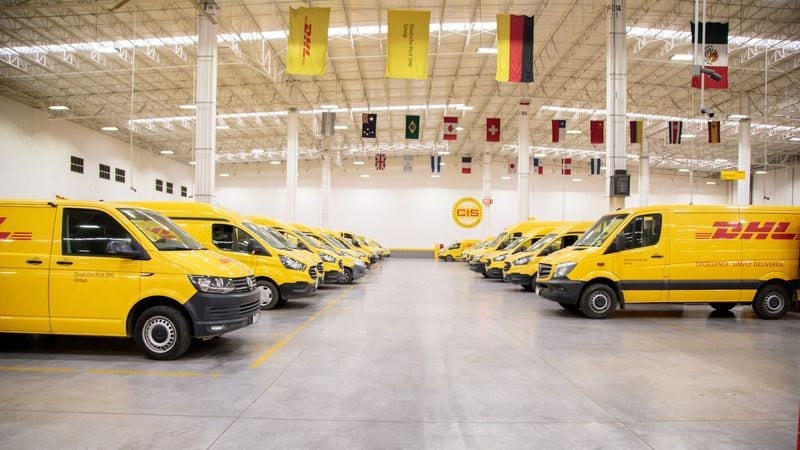
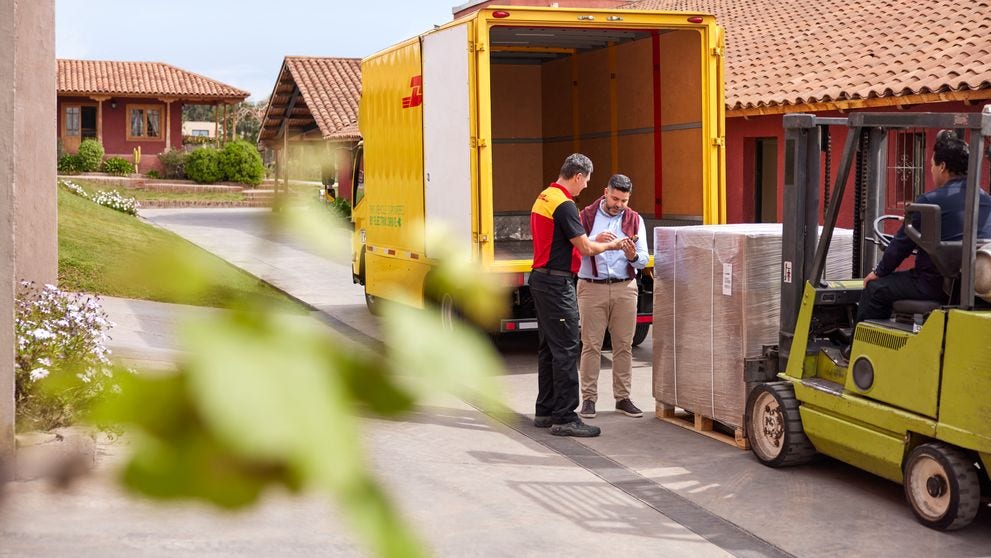
DHL Express vans parked in a depot

3. List of sporting goods exported from India

India has established itself as a key player in the global sporting goods market, supplying major brands like Mitre, Lotto, Umbro, and Wilson with inflatable balls and other items.

Recent data3 highlights how exports from India’s sports equipment industry are distributed across key product categories:

  • 36% of exports came from gymnastics, athletic, outdoor, and swimming goods.
  • 28% was contributed by toys, puzzles, and recreational models.
  • 27% came from festive and entertainment articles.
  • 6% represented video, parlour, and billiard-related items.
  • 2% covered other miscellaneous sporting goods.

This strong global demand positions Indian manufacturers to leverage their expertise and expand, producing equipment such as4:

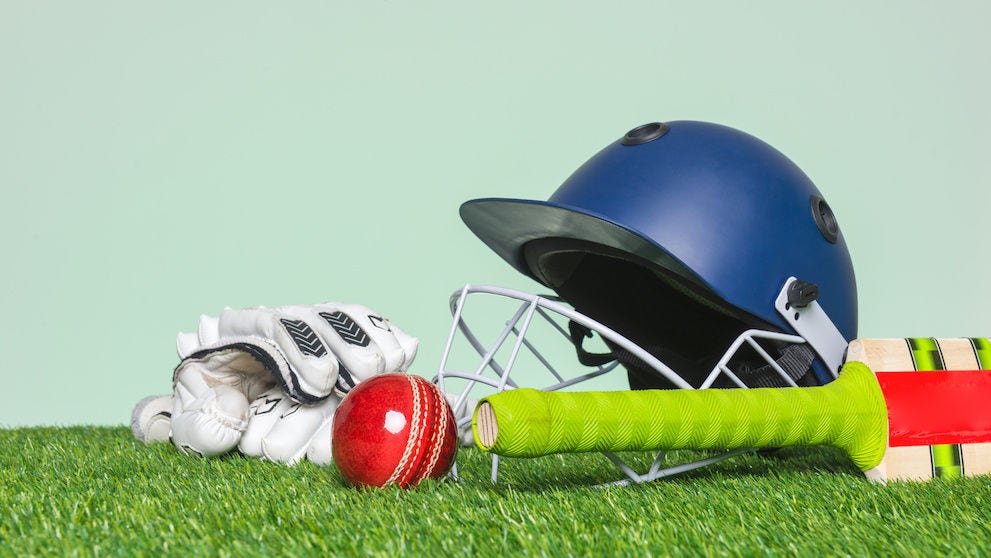
  • Cricket: High-quality bats, balls, and gloves for leagues, clubs, and amateur players worldwide.
  • Football: Durable balls, boots, goalposts, and training cones.
  • Tennis & badminton: Rackets, shuttlecocks, balls, and accessories.
  • Combat sports: Gloves, punching bags, and protective equipment.
  • Golf: Clubs, balls, tees, bags, and accessories.
  • Fitness: Dumbbells, treadmills, exercise machines, and other fitness accessories.
  • Other sports: Hockey, basketball, cycling products, and other gear for diverse outdoor activities.

Key Insights: Exporters can leverage India’s manufacturing expertise to serve both mainstream and niche segments, while capitalising on growing export demand in regions seeking high-quality, cost-effective sports equipment.

4. Where are sporting goods exports from India going?

India’s sporting goods reach markets across the globe, with a strong presence in both established and emerging economies. In 2025, the country’s top export destinations were3:

  • 37% – United States: The largest importer of Indian sporting goods.
  • 12% – United Kingdom: A mature market with steady demand for cricket, football, and fitness equipment.
  • 7% – Australia: Popular for outdoor and recreational sports gear.
  • 6% – Germany: A strong market for fitness equipment and sports accessories.
  • 29% – Other Markets: Including emerging markets in Asia, the Middle East, and Latin America.

Export Insight: Indian exporters can capitalise on these markets by aligning products with local preferences. Established markets like the US and UK offer scale and stability, while emerging regions provide opportunities for growth.

5. Sporting goods industry trends shaping 2025 and beyond

As the global market evolves, several emerging trends are shaping demand and creating new opportunities for exporters. 

Physical inactivity is the biggest untapped market in the industry. With inactivity rising from 26% in 2010 to 31% in 2022 and projected to reach 35% by 20305, manufacturers in India can empower sedentary consumers through product innovation, marketing campaigns, and youth engagement.

At the same time, sporting goods are no longer just equipment; they are lifestyle statements, appealing to consumers who want gear that supports both function and self-expression. This offers exporters innovative ways to engage global consumers and tap into experiences that go beyond traditional sports participation.

Key Insights: Both import and export businesses which understand these trends can position their products to attract sedentary segments, appeal to identity-driven consumers, and integrate sporting goods into broader lifestyle and entertainment experiences.

Take your sporting goods global with DHL Express’ international shipping solutions

The global sporting goods market offers enormous cross-border opportunities. Success in international trade, however, depends on more than production expertise. Efficient worldwide express shipping, customs clearance, and reliable delivery are essential.
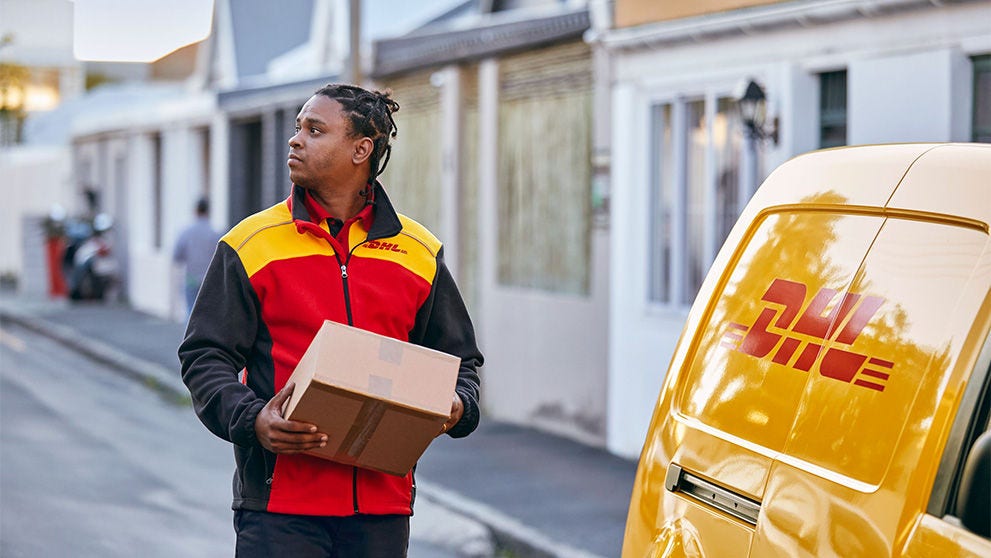
By partnering with DHL Express, Indian exporters gain access to a trusted logistics network, end-to-end tracking, and expertise in navigating complex international regulations. This allows manufacturers to focus on designing and producing high-quality sports equipment, while ensuring their shipments reach global markets smoothly and efficiently.


Open a DHL Express business account today to power your export journey and take your sporting goods to customers around the world.

Frequently asked questions about global sporting goods industry trends

Sporting goods include equipment, apparel, and accessories used in physical activities, fitness, and recreational sports. This covers items made in India such as balls, bats, racquets, gloves, protective gear, fitness machines, yoga mats, and technical sportswear.

Some of India’s leading sporting goods brands include Nivia, Cosco, SF Sports, and Vector X, known for manufacturing high-quality balls, fitness gear, and sports equipment. Indian brands also supply international names like Mitre, Lotto, Umbro, and Wilson, providing a strong presence in both domestic and global markets.

The global sporting goods market is valued at over US$612.72 billion in 2025 and is projected to nearly double to US$1.35 trillion by 2035.