They remove the physical burden of travel by delivering medicine directly to the participant's home. This makes it much easier for patients in Cambodia to stay in the study while keeping their daily routines.

The Retention Revolution: Travel is the primary reason for a 30% patient dropout rate. Moving the clinical site to the home removes this barrier for participants across Cambodia.
ICH E6(R3) Readiness: Global clinical trials are shifting to updated 2026 standards. These new rules require a Quality by Design approach, which we can help you implement in Cambodia.
Unbroken Chain of Custody: Keeping unapproved medicines stable outside a clinic needs IoT sensors and careful, professional delivery, especially in Cambodia’s climate.
Scalable Compliance: Success in Southeast Asia means handling a patchwork of medical licenses and reaching remote locations, from provincial capitals to smaller villages.
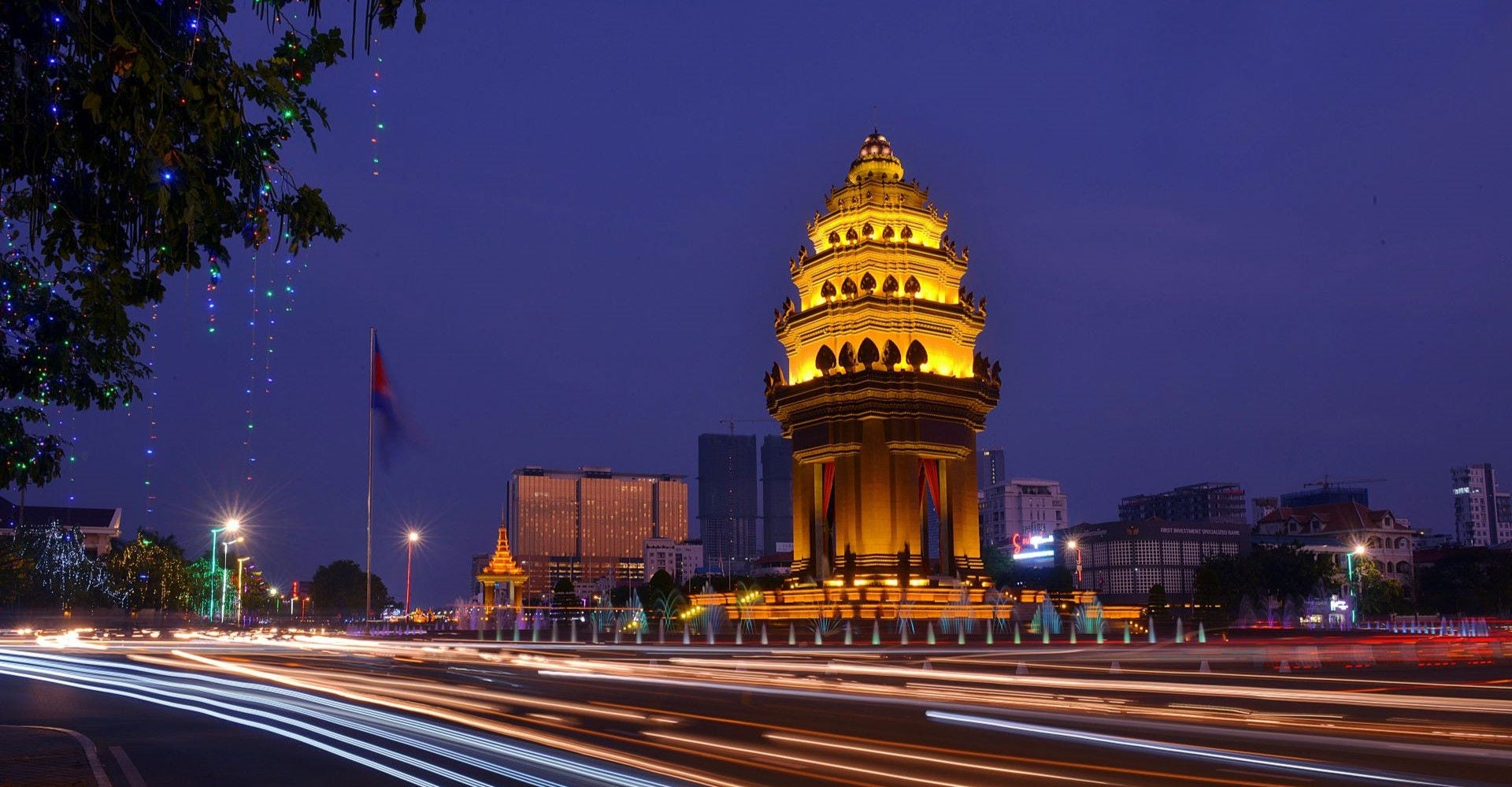
Traditional, site-centric models of research are hitting a wall in 2026. Recruitment goals are often missed because patients cannot manage the time and travel for hospital visits in Phnom Penh or other centres. We've built the DHL Health Logistics network to solve this challenge directly. Our 2-billion-euro investment ensures you have the GDP-certified infrastructure and specialised handling needed to reach patients anywhere. Direct-to-Patient (DtP) clinical trials move the laboratory to the living room while keeping the highest levels of safety and building trust.
Travel is the main reason participants leave clinical studies. When you move the trial site to the patient, you make it much simpler for them to continue, reducing missed visits and screen failures.
Travel Distance: International cancer trial patients travel a median of nearly 42 miles for Phase I studies. The challenge can be even greater in Cambodia, where travelling between provinces is not always simple.
Rural Hurdles: Participants in remote areas often travel over 100 miles each way. A home-based model makes it possible to include these participants.
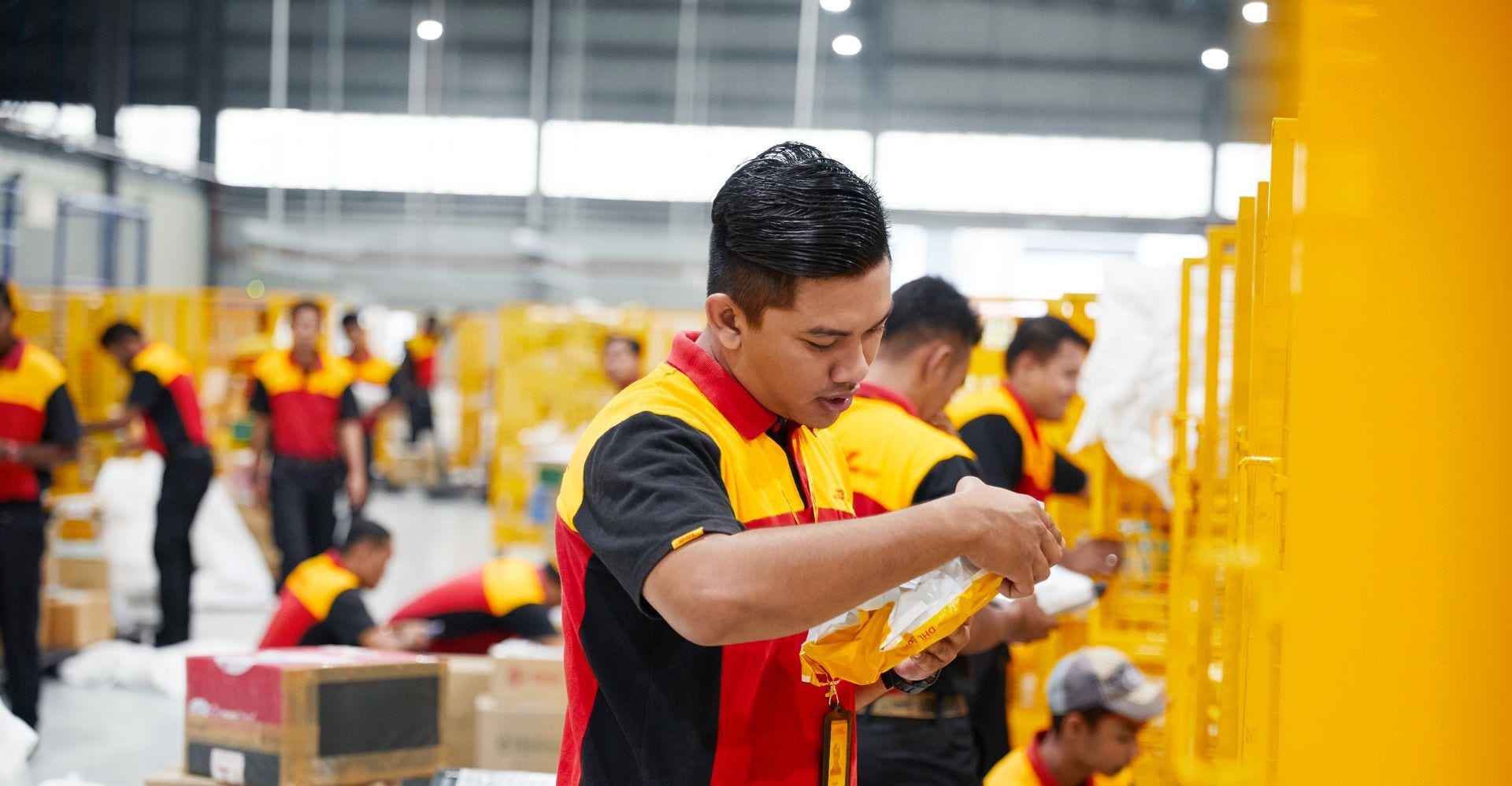
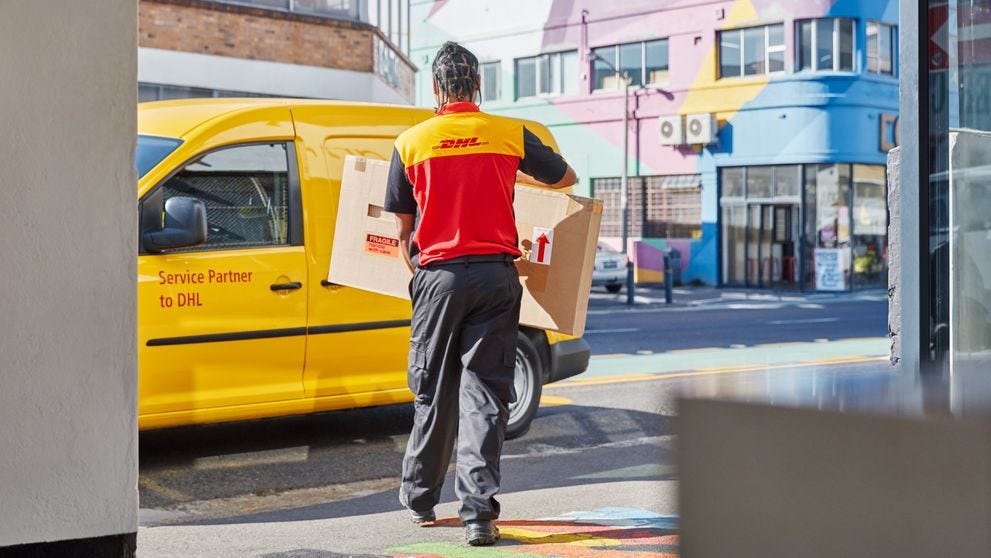
Human Connection: Our technical couriers are a professional and friendly extension of the clinical site, right at the patient's doorstep.
Supportive Experience: These professional services go beyond simple delivery to build the participant's trust and confidence in the trial process.
DHL Health Logistics provides the professional bridge between your lab and the participant. We understand that in Cambodia, a courier is often the only face of the trial that a patient sees, and we take that responsibility seriously.
As clinical trials become more global, regulators are updating their rules to support decentralised models. The new ICH E6(R3) guidelines, a global standard, require you to prove the drug stayed stable from the depot to the patient’s refrigerator.
Global Standards: Many international sponsors will require compliance with ICH E6(R3) starting in 2026, so being prepared is essential for Cambodian sites.
Strict Accountability: Cambodia’s Ministry of Health requires clear records and accountability for investigational products, and our digital tools help you meet these local requirements.
Thermal Protection: Advanced shippers maintain 2 to 8°C or -20°C for up to 120 hours, protecting sensitive medicines during transit from Phnom Penh Airport throughout the country.
Digital Proof: IoT sensors transmit live data to show exactly when a participant received the shipment, providing a complete audit trail.
Our investment in digital tools ensures you have a full thermal audit trail. This transparency is a requirement for satisfying quality assurance teams and Cambodian health authorities in 2026.
Delivering unapproved medicines to a private address is strictly regulated in Cambodia. You need a partner who understands the specific decrees from the Ministry of Health.
Local Knowledge: Successfully running a trial in Cambodia requires a deep understanding of the current procedures for moving clinical materials.
Ministry of Health Permits: An import permit from the Ministry of Health is essential for bringing any investigational medicine into the country. Our local specialists can help you navigate this process.
Expert Navigation: Our local specialists work with bodies like the Ministry of Health and the General Department of Customs and Excise (GDCE) to keep your trial on track. Just as we help garment manufacturers manage documentation with the Ministry of Commerce, we guide medical sponsors through health regulations.
Expanded Footprint: Proper licensing and a reliable logistics partner allow you to reach participants in regions that were previously considered too complex to include.
Security and privacy are vital when delivering sensitive products to a home. You must ensure the medicine is handed directly to the verified participant or their legal representative, and we have careful processes to ensure this.
Identity Verification: We check IDs against trial records before any package is handed over, ensuring the right person receives the medicine every time.
Point-of-Use Delivery: Our couriers can place the medication directly into the participant’s storage or refrigerator if required.
Instruction Support: We confirm the patient knows how to handle the packaging and materials.
Safe Disposal: We can also collect used kits or sharp containers for medical-grade destruction, closing the logistics loop safely.
A DtP trial does not end at the doorstep. You must also manage the flow of biological samples and unused drugs back to the central lab with the same care.
Stability Windows: Blood or urine samples must be collected and returned within strict time limits to be viable.
Data Integrity: If a sample gets warm during transit, the trial data can be ruined. Our temperature-controlled network protects your results.
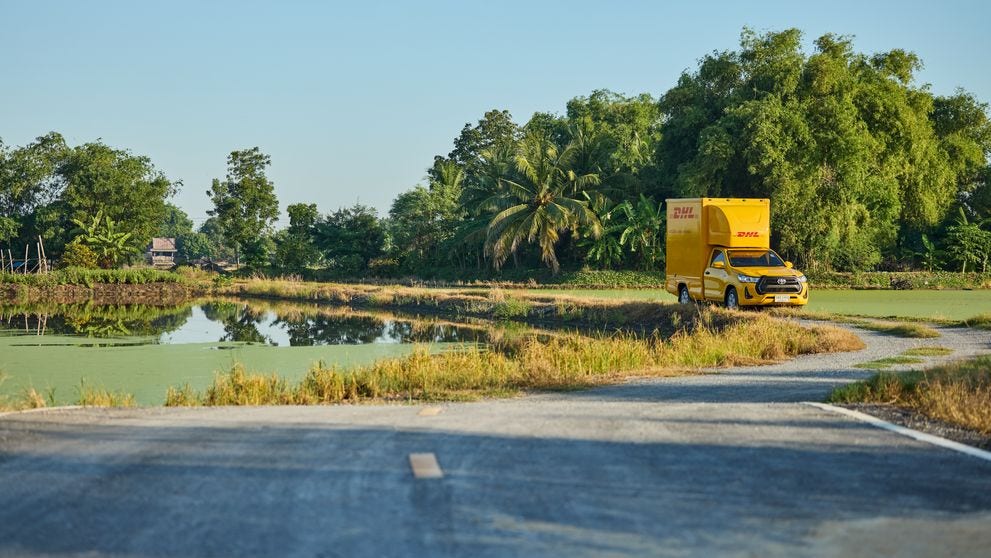
Remote Reach: We use specialised transport to reach participants in rural provinces like Mondulkiri or remote areas far from major cities.
Unified Visibility: A clinical research associate in Phnom Penh should see the same real-time data as a sponsor overseas. Our platforms make this possible.
Direct-to-Patient logistics is no longer just a future concept. It’s the best way to improve the patient experience and protect your data here in Cambodia. DHL Health Logistics is ready to help you scale your research. Speak to a DHL specialist today to check your trial plan and reach your participants with confidence.
They remove the physical burden of travel by delivering medicine directly to the participant's home. This makes it much easier for patients in Cambodia to stay in the study while keeping their daily routines.
These 2026 guidelines are a new global standard requiring sponsors to use a Quality by Design approach. You must have digital proof that your investigational products stayed stable throughout the entire journey to the patient.
We use real-time IoT sensors that transmit live location and thermal data to a dashboard. This ensures you and your team receive an immediate alert if the shipment deviates from its required temperature range.
Yes, but you need a partner that handles the local medical licenses and Ministry of Health requirements in each country. Using a standardised platform ensures your data remains comparable across markets like Cambodia and neighbouring countries such as Vietnam or Thailand.
Yes, our couriers perform a verified delivery protocol. This includes checking the participant's ID to ensure the sensitive medication is handed to the correct person, which is a critical step for patient safety.


 Share
Share