Why is patient retention the biggest risk in 2026 clinical research?
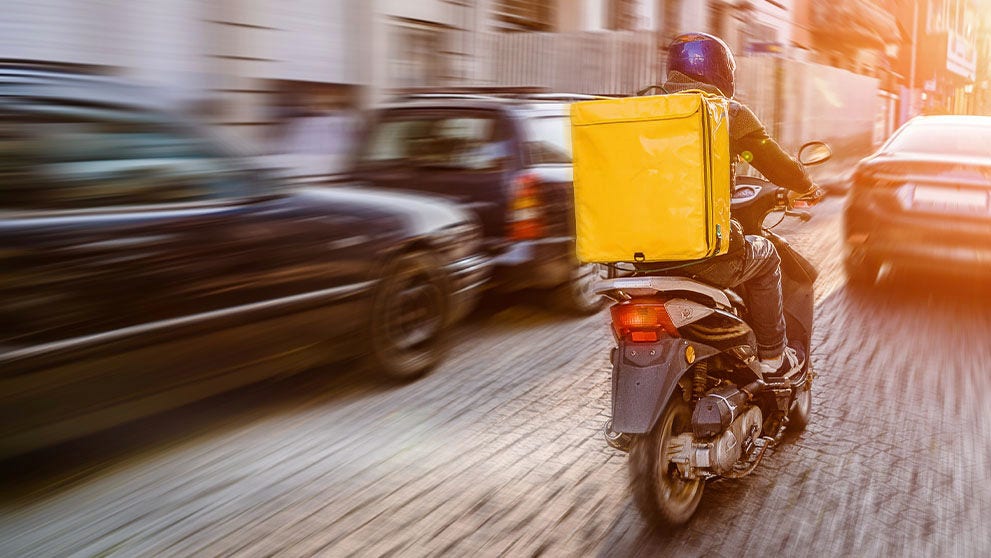
Travel is the main reason participants leave clinical studies. When you move the trial site to the patient, you reduce missed visits and screen failures, which is critical for meeting study timelines.
Travel Distance: Cancer trial patients travel a median of nearly 42 miles for Phase I studies.
Rural Hurdles: For participants in remote areas of states like Western Australia or Queensland, travel can easily exceed 100 kilometres each way.
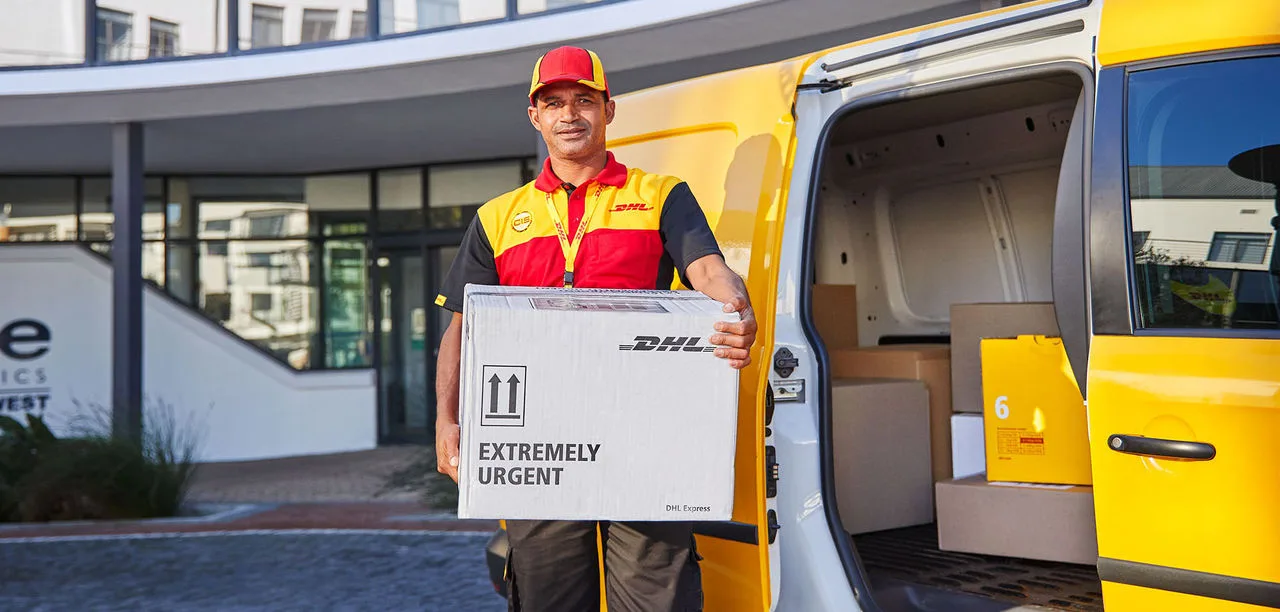
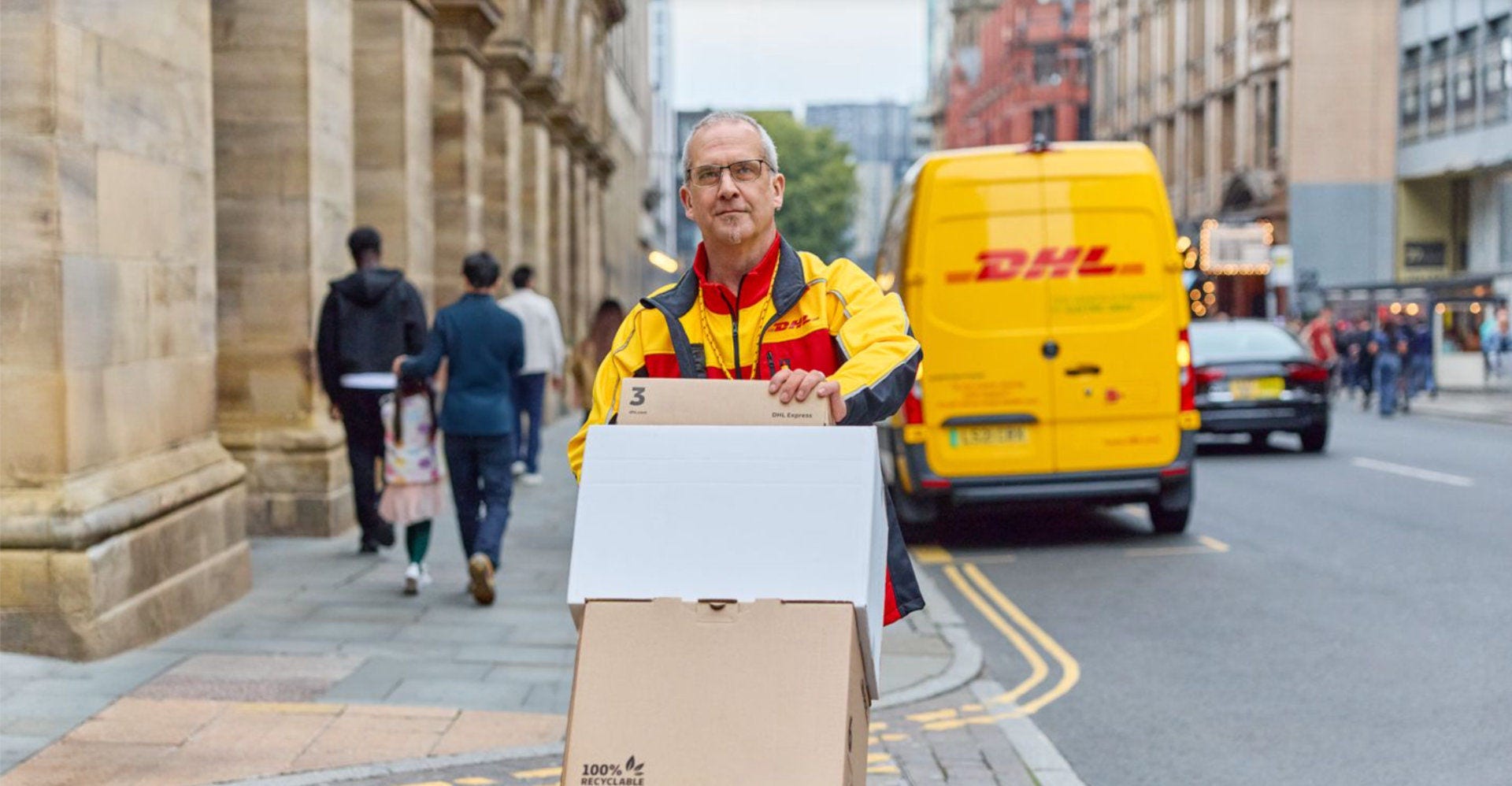
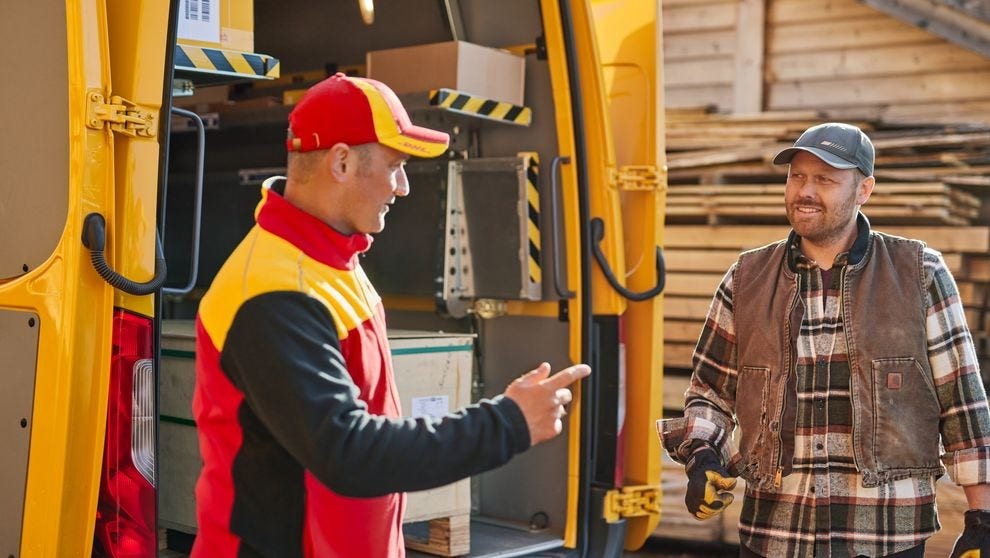
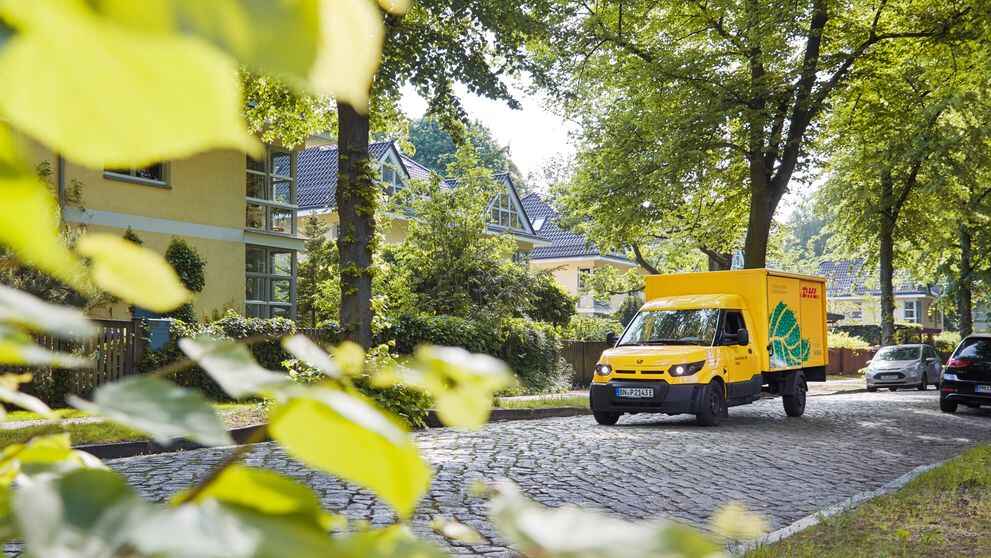
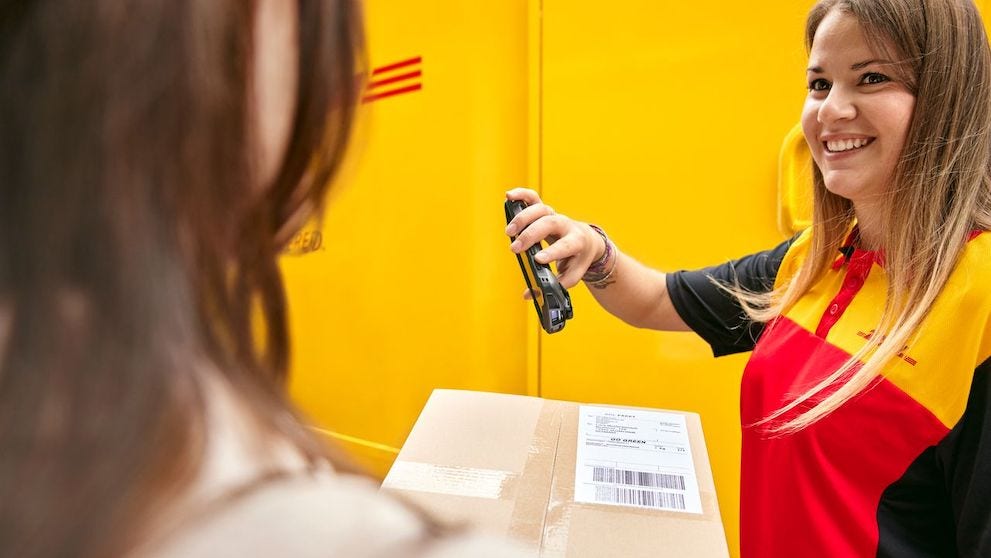
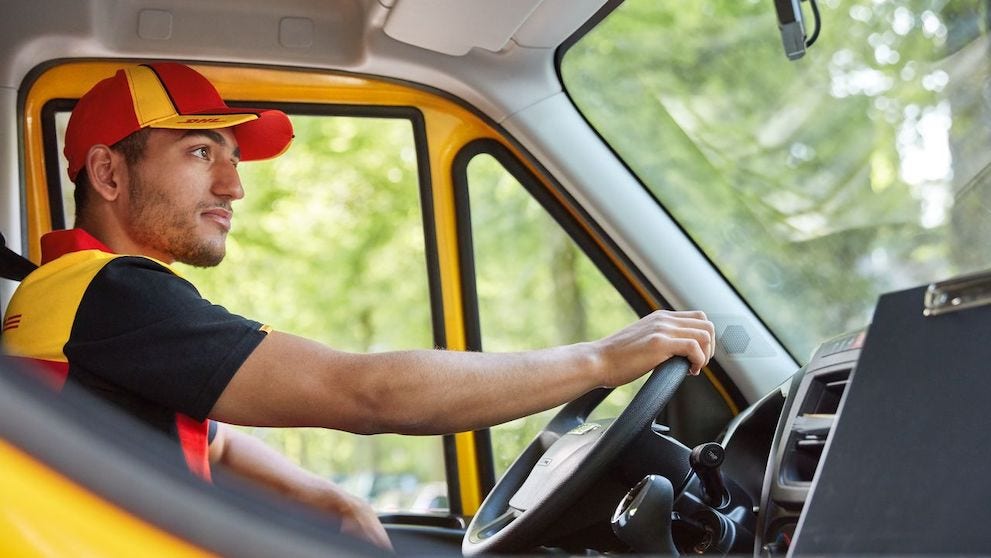
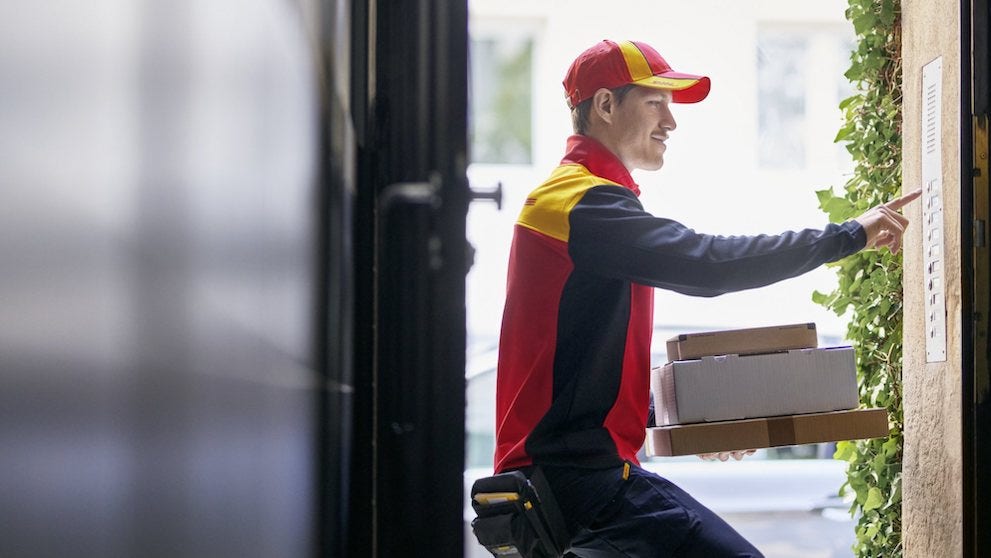
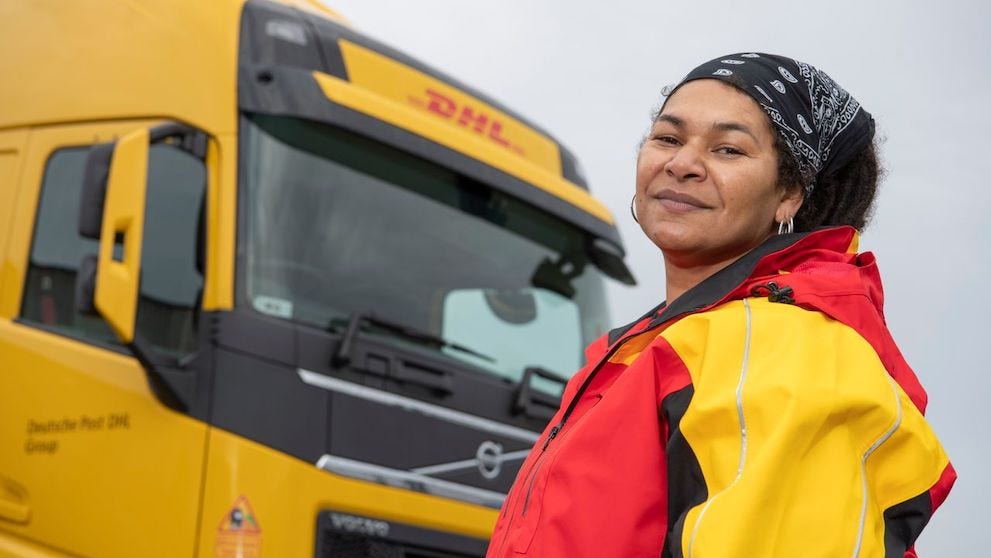
Human Connection: Technical couriers act as a professional extension of the clinical site at the patient's doorstep.
Supportive Experience: These white-glove services go beyond simple delivery to build participant trust and confidence in the trial.
DHL Health Logistics provides the professional bridge between your lab and the participant. We understand that a courier is often the only face of the trial that a patient sees.
What are the 2026 regulatory requirements for DtP?
Australian regulators are updating their rules to support decentralised models. The new ICH E6(R3) guidelines, overseen by the Therapeutic Goods Administration (TGA), require you to prove the drug stayed stable from the depot to the patient’s refrigerator.
Transition Period: Australia has a 12-month transition for ICH E6(R3) starting in January 2026, meaning sponsors must have compliant processes ready.
Strict Accountability: The TGA's good clinical practice (GCP) guidelines demand robust temperature records for the entire supply chain.
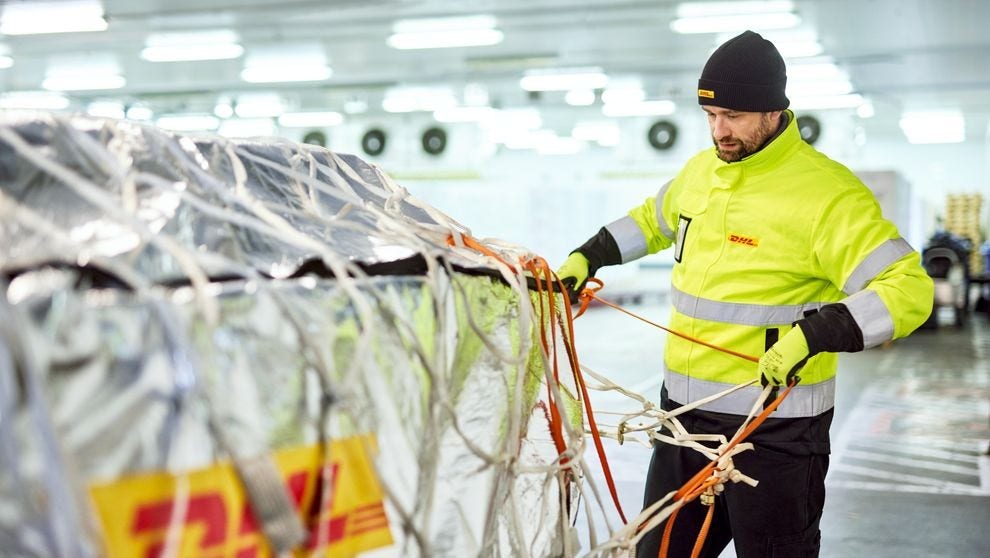
Thermal Protection: Advanced shippers maintain critical temperatures of 2 to 8°C or -20°C for up to 120 hours, essential for long-haul deliveries across the country.
Digital Proof: IoT sensors transmit live data, providing an auditable record of when a participant received the shipment and its condition on arrival.
Our investment in digital tools ensures you have a full thermal audit trail. This transparency is a non-negotiable requirement for satisfying quality assurance teams and TGA inspectors in 2026.