How do you manage tarmac risks in tropical APAC climates?
Industry experts report that most temperature failures happen on the airport tarmac. When the asphalt at an airport like Melbourne or Sydney climbs above 40°C in the summer, it takes only minutes for that heat to compromise passive packaging.
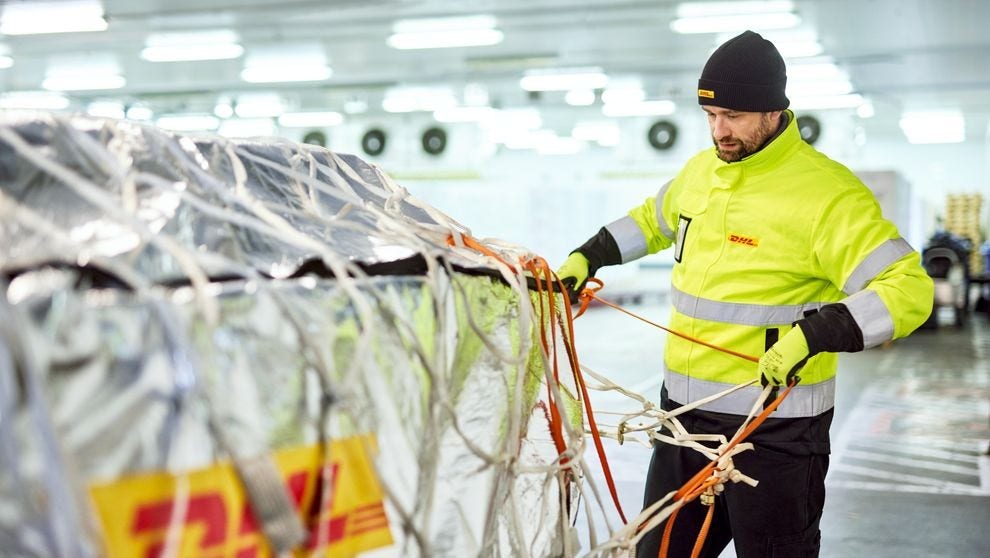
In major hubs, we can use specialised equipment like Cool Dollies, which are refrigerated units that protect shipments right up to the aircraft door. This maintains an unbroken thermal link even when ambient temperatures are high. The key is to have a clear strategy for managing these high-risk transfer points.
Climate risks in Australia are significant:
Extreme Heat: The dry, high heat common across much of Australia requires specific solar shielding and pre-cooling protocols to protect shipments before they are loaded.
Infrastructure Gaps: In regional and remote areas, the reliance on refrigerated road freight is total. An end-to-end network is essential.
What are the specific infrastructure challenges in emerging APAC markets?
While major Australian cities like Sydney and Melbourne are well-equipped for high-spec logistics, the challenge lies in the "middle mile" connecting these hubs to regional clinics and healthcare providers across the country.
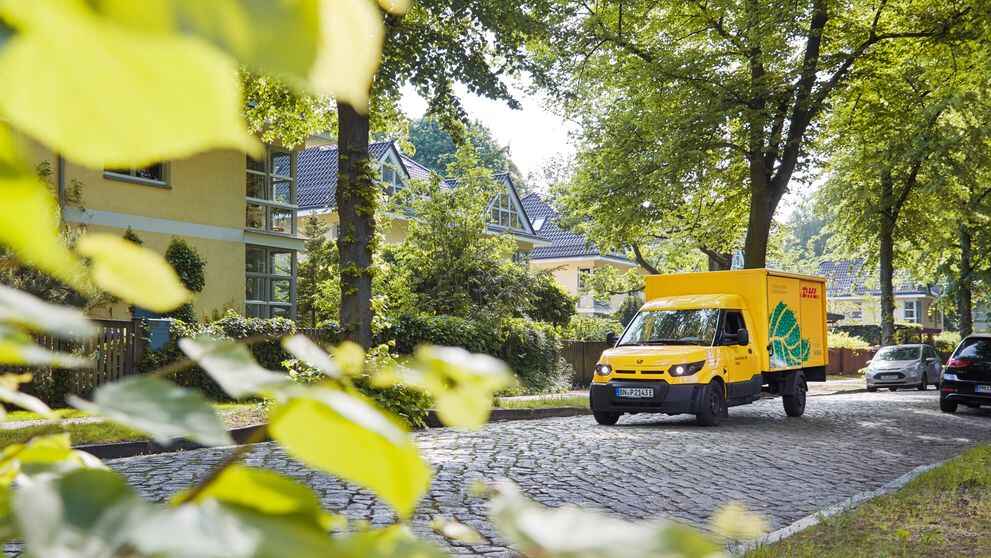
Refrigerated road freight is the backbone of this domestic network. You need a partner that manages the entire journey to the final point of delivery. Our DHL Medical Express network connects our global aircraft with these local road networks, ensuring a vaccine can reach a rural clinic without leaving a temperature-controlled environment.
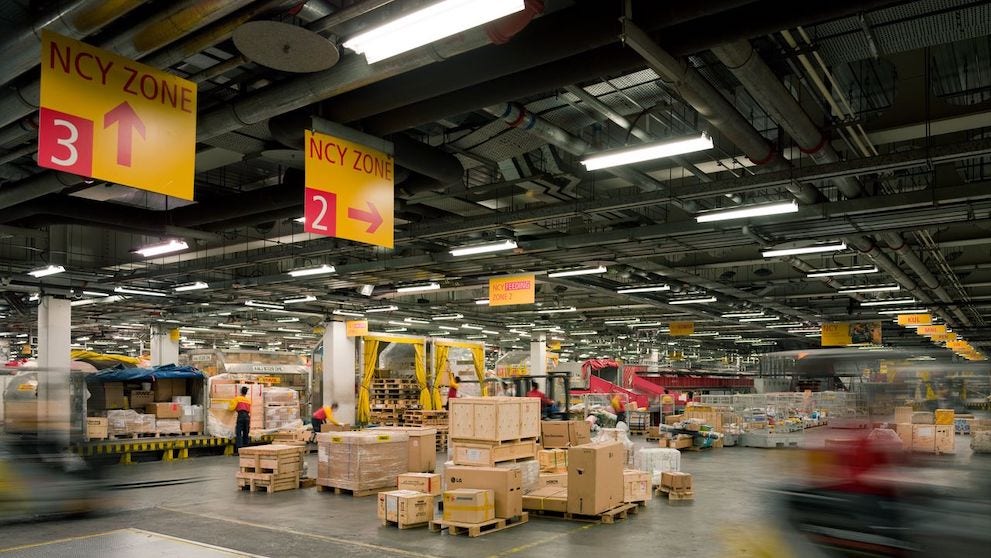
We are expanding our network to meet this demand. You can now access [[LOCALIZATION_ANCHOR: DHL's network of over 30 company-owned, TGA-compliant facilities across Australia]] to store your products closer to the end user. This is a vital component of GDP-compliant healthcare shipping.