#ShippingWithDhl

Cold Chain 2.0: Protecting Biologics & Vaccines in Transit

Key Takeaways

The Active Revolution: The industry is moving to active containers that work like mobile refrigerators to stop temperature changes, a crucial step for protecting sensitive shipments in Cambodia's climate.

Managing Temperature Excursions: In 2026, even a brief slip outside the 2 to 8°C range can ruin a shipment, making real-time data essential for quality assurance.

Local Climate Strategy: Successfully shipping biologics in our region means managing high humidity and tarmac heat at hubs like Phnom Penh Airport, especially during the hot season around Khmer New Year.

Strategic Growth: Using cold chain 2.0 biologics in 2026 is the new standard for handling high-value medicines, helping you build trust with your international partners.

Shipping biologics is a high-stakes race where you’re fighting against ticking time and tropical heat every step of the way. A tiny slip on the tarmac can ruin a multi-million dollar shipment and put patients at risk. This article explains how cold chain 2.0 biologics in 2026 uses active technology and live data to keep your products safe, with the support of a partner who understands Cambodian logistics.

What is the difference between passive and active cold chain packaging?

Passive packaging works like a high-tech timer. It uses insulation and gel packs to hold a temperature for a set window. Active packaging is different. It uses a mechanical or electric system to act as a mobile refrigerator. Our team in Cambodia is here to help you pick the right technology for your specific route. Here's how active vs passive cold chain packaging stacks up:

Feature

Passive Packaging

Active Packaging

Cooling Method

Phase Change Materials (PCM)

Electric compressor or dry ice fan

Typical Hold Time

96 to 120 hours

Unlimited with power or re-icing

Environmental Control

Static (shields against heat)

Dynamic (adjusts to ambient temperature)

Best Use Case

Small parcels and stable vaccines

Bulk pallets and high-value biologics

Active containers are the gold standard for long-haul international flights. They allow for a "set and forget" approach, where the internal temperature stays constant regardless of the weather outside. Given the dual-currency nature of business in Cambodia, the rental cost for these units is typically quoted between USD $1,500 to $5,000, depending on the trip.


Why is real-time monitoring no longer optional for vaccines?

Regulators, including Cambodia's health authorities and the General Department of Customs and Excise (GDCE) , want a full data trail for every life sciences shipment. You can't just rely on a green light when the box arrives. You need a digital record of every single minute to satisfy your Quality Assurance teams and your partners.

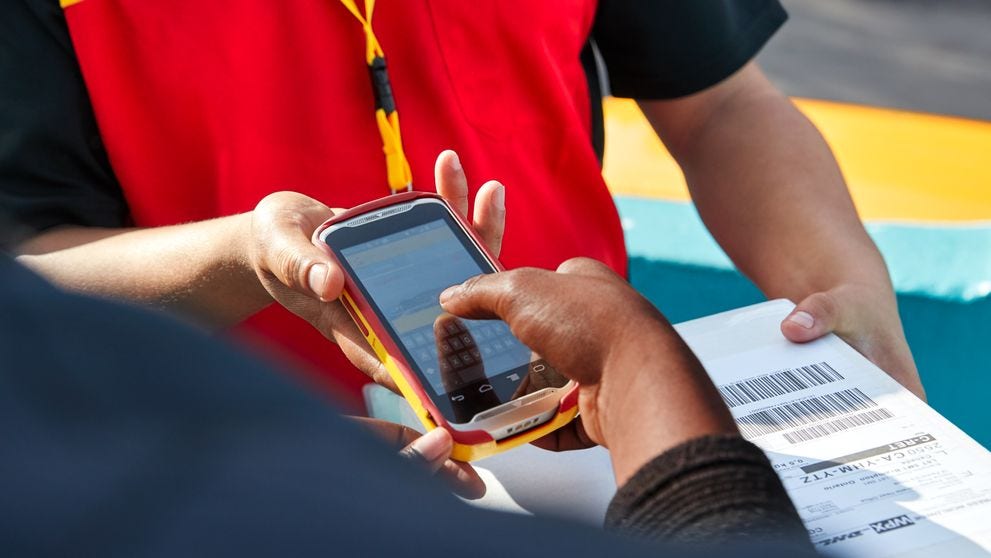
We use SmartSensor technology to give you this visibility. These IoT loggers show temperature, light exposure, and physical shock in real-time. If a box is opened or dropped, we'll know exactly when and where it happened. This is a core part of modern vaccine logistics.

The WHO defines a temperature excursion as any deviation from the allowed range. In 2026, standards require immediate digital reporting of these events. This helps you make Go or No-Go decisions faster and reduces the time your inventory stays in quarantine while you wait for answers.

How do you manage tarmac risks in tropical APAC climates?

Industry experts report that most temperature failures happen right on the tarmac in our hot and humid climate. When the asphalt at Phnom Penh Airport hits extreme temperatures, especially in the months leading up to Khmer New Year, it only takes a few minutes for that heat to overwhelm a passive box.

In major regional hubs, we use Cool Dollies to bridge this gap. These are refrigerated units that keep the shipment at the right temperature up to the aircraft door. This keeps the thermal link solid even when ambient heat exceeds 30°C, providing an extra layer of security for your valuable products.

Climate risks in Cambodia require special attention:

Monsoon Humidity: High moisture during the rainy season can degrade cardboard insulation, weakening its protective properties.

Extreme Heat: The dry, high-heat air common from March to May requires packaging with specific solar shielding to prevent temperature spikes.

Infrastructure Gaps: For routes outside main centres, having a plan that uses refrigerated trucks or thermal blankets is essential for maintaining the cold chain.


What are the specific infrastructure challenges in emerging APAC markets?

While major hubs are well-equipped for high-spec logistics, the real challenge in Cambodia is often the middle mile between Phnom Penh Airport and regional clinics or distribution centres.

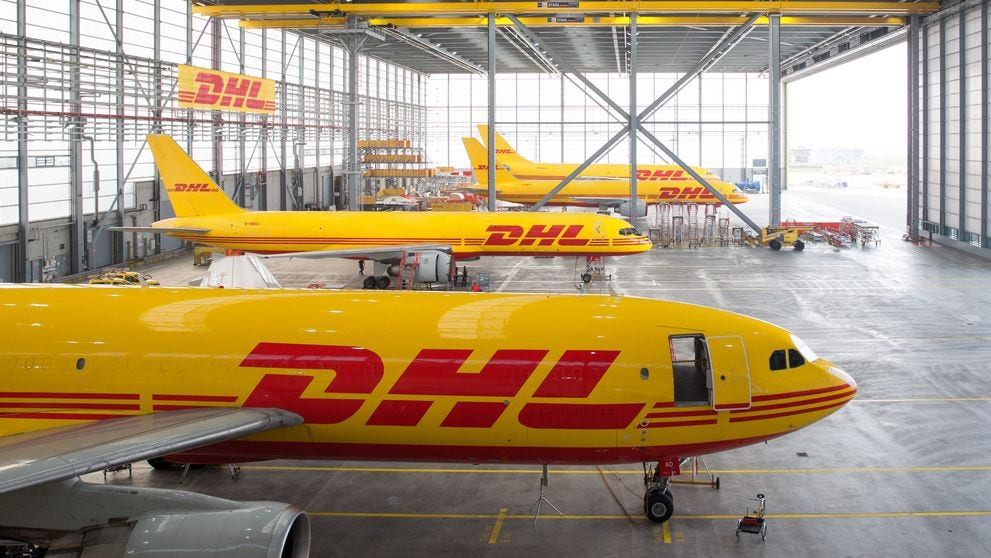
Refrigerated Road Transport services are the backbone of these inland networks. You need a partner who manages the entire journey to the final delivery point. Our DHL Medical Express network links our global aircraft with these local road networks. This ensures a vaccine can arrive at a provincial clinic without ever leaving a temperature-controlled environment.

We're growing our network to meet this need. You can now access our GDP-certified warehouses in the region to store your products closer to the end user. This is a vital step for ensuring your shipments meet the Good Distribution Practice (GDP) standards required for healthcare shipping.

How should you respond to a temperature excursion alert?

A sensor alert from us lets you save the shipment before the product is damaged. Our Global Control Towers watch your shipments 24/7 to catch these drifts as they happen. If a sensor reports a temperature spike, our team starts an intervention protocol immediately.

This might involve moving an active container to a charging station or placing a passive box into a cold room. We find it works best when our partners have a clear Standard Operating Procedure (SOP) for temperature excursion management:

Quarantine: Move affected goods to a secure cold room as soon as they arrive.

Record: Download the full data log from the SmartSensor to see how long the drift lasted.

Notify QA: Send the data to your Quality Assurance team for a formal assessment.

Root Cause Analysis: Work with your logistics partner to find out why the drift occurred.


Is your supply chain ready for "Cold Chain 2.0"?

Switching to active systems and live monitoring isn't just a technical move. It's an investment in your brand's reputation. In our world, a failed shipment costs more than just money. It costs research time and delays care for patients who are waiting.

We've put 2 billion euros into the DHL Health Logistics network to make sure you have the GDP-certified space you need. Our local team in Cambodia is here to provide the specialist handling and white-glove service that these new biologics demand.

Your logistics should be just as precise as the science you're working on. Contact us for a conversation on the state of cold chain 2.0 biologics in 2026. Let's work together to make sure your products stay stable from the lab to the patient.


Frequently Asked Questions

It refers to the next generation of life sciences logistics. It uses active cooling and IoT sensors to provide real-time visibility. This shift ensures high-value biologics and vaccines stay within their required temperature range for the whole journey.

Passive packaging uses insulation and gel packs to keep items cool for a set time. Active packaging uses mechanical systems and batteries to act as a portable refrigerator. Active systems are safer for high-value biologics in extreme climates like Cambodia's.

We use a dedicated network that combines our global aircraft with local refrigerated transport. This service includes priority handling and customs clearance support to ensure vaccines reach clinics quickly and reliably.

Good Distribution Practice (GDP) is a set of standards that ensures the quality of medicine is maintained during transport. It's a mandatory requirement for any provider handling life sciences products destined for major international markets.