#eCommerceAdvice


 Share
Share
Where to sell health supplements online? A guide for Malaysian exporters
5 Mins Read
Share

The global narrative around wellness has undergone a fundamental shift. As consumers have become better informed through increased access to information and the internet, health consciousness has matured into a permanent lifestyle choice for many across the globe. In 2026, the utilization of digital tools has empowered individuals to take a proactive, preventive approach to their healthcare, moving away from reactive treatments toward long-term vitality.
The numbers reflect this new reality: The global dietary supplements market is projected to reach USD 430.39 billion by 2034, growing at a steady CAGR of 7.78% from 2026 to 2035 as consumers prioritize preventive healthcare1. For Malaysian SMEs, this represents a golden opportunity. By identifying "export-ready" categories and choosing the right digital channels, local businesses can secure a high ROI in a market hungry for quality.
What is the world buying from Malaysia?
Identifying the right product-market fit is your first step toward success. To successfully sell supplements online, exporters should first identify where Malaysia holds a distinct competitive advantage in the global landscape.
- Traditional & herbal heroes: There is a global surge in demand for botanical ingredients, and Malaysia's rich biodiversity gives it a strong edge in the selling of supplements derived from local heritage. Ingredients such as Tongkat Ali, Ginseng, and Traditional Chinese Medicine (TCM) formulations are no longer niche; they are high-growth global staples.
- Gut health & probiotics: Microbiome health is an "evergreen" category. As consumers increasingly link gut health to immunity and mood, prebiotics and probiotics have become essential products for any business selling health supplements online.
- The vitamin staples: While vitamins remain the largest segment, the focus has shifted. To successfully sell supplements online in 2026, the strategy must emphasize "clean label" formulations and high bioavailability—ensuring the body absorbs nutrients efficiently.

Where to establish your global storefront
Once you have your product, you need to find your audience. Deciding where to sell supplements is as critical as the product itself, and exporters should consider diversifying their presence across three main pillars to maximize reach:
- Global marketplaces (Amazon, eBay, TikTok Shop): These are the best places to sell supplements online for instant traffic. Consumers are no longer actively searching for specific items but are being fed viral, educational content and live streams that spark immediate purchase.
- Own branded store (Shopify, WooCommerce): This is essential for long-term brand equity. Owning the storefront allows you to control customer data and build high-converting landing pages that tell your brand's unique story.
- Cross-border specialized platforms: Explore niche wellness marketplaces like iHerb to appeal to the international market or specialized regional platforms like Hermo or Signature Market for local and regional customers. These sites cater to high-intent health demographics, making them an ideal place for selling supplements to a targeted audience.
Building digital trust: The "quality & safety" checklist
In 2026, selling supplements online is fundamentally a question of trust. Because consumers cannot physically inspect the product, Malaysian exporters must win the "Trust Race" by focusing on radical transparency and verified safety standards. Here are the essential steps to build that credibility:
- Provide lab-tested assurance: Display Third-Party Lab Tests and Certificates of Analysis (COA) directly on product pages. This validates the potency of your ingredients and reassures buyers that the product is free from contaminants.
- The "Halal" competitive edge: Leverage Malaysia's global leadership in Halal certification. This is a powerful signal of purity and quality that resonates deeply in high-growth Muslim consumer markets and beyond.
- Provide ingredient transparency: Buyers today have exceptionally high standards for their supplements, often expecting no hidden fillers, artificial additives, or controversial binders. Clearly list every ingredient to satisfy the "Clean Label" movement.
Converting visitors into subscribers
While the health industry is known to be highly competitive, the recurring nature of the product offers a unique advantage. To help ensure steady revenue when you’re selling supplements online, explore these conversion tools to help you build long-term loyalty:
- Subscription models: Use "Subscribe & Save" models. This turns a one-time buyer into a predictable revenue stream, which is the gold standard for selling supplements online.
- Health quizzes & personalization: Use digital quizzes to guide customers to the right product bundles. Whether it’s an "Immune Reset" or a "Deep Sleep" pack, personalization can help to increase conversion rates.
- Strategic landing pages: Create pages targeted at specific health outcomes (e.g., "Joint Recovery") rather than just product names. This speaks directly to the consumer's pain points which helps builds an emotional connection, showing the shopper that your product is the specific solution to their problem.
Ensuring export readiness: The Malaysian Compliance anchor
Health products are heavily scrutinized at borders, so before you shipping any supplements internationally, you’ll need airtight compliance to ensure smooth customs clearance and delivery:
- Register with NPRA: All health supplements in Malaysia must be registered with the National Pharmaceutical Regulatory Agency (NPRA). Ensure the "MAL" registration number and the FarmaTag™ Hologram are present on all exported supplements, as this is the first step in legal export compliance.
- Avoid medicinal claims: Do not use words like "cures" or "treats." Under Malaysian and international law, only "maintenance" and "enhancement" claims are permitted for supplements.
- Standardize labeling: Ensure labels include full manufacturer details and ingredient lists in English or the local language of the destination to avoid being flagged by foreign customs.

Navigating international shipping restrictions
The global wellness market is a patchwork of different rules. Transitioning from local storage to international shipping requires an understanding of global gatekeepers, so it is vital to perform due diligence on your target market.
- Verify destination thresholds: Check the specific ingredient thresholds against the respective health authorities for your destination. The US (FDA), Australia (TGA), and the EU (EFSA) all have different allowable limits for certain vitamins and herbs. What is a "supplement" in Malaysia might be a "restricted drug" elsewhere.
- Prepare documentation: Ensure every shipment is accompanied by the necessary documents such as an accurate Commercial Invoice and a Certificate of Analysis (COA), to prove the contents are exactly what you claim.
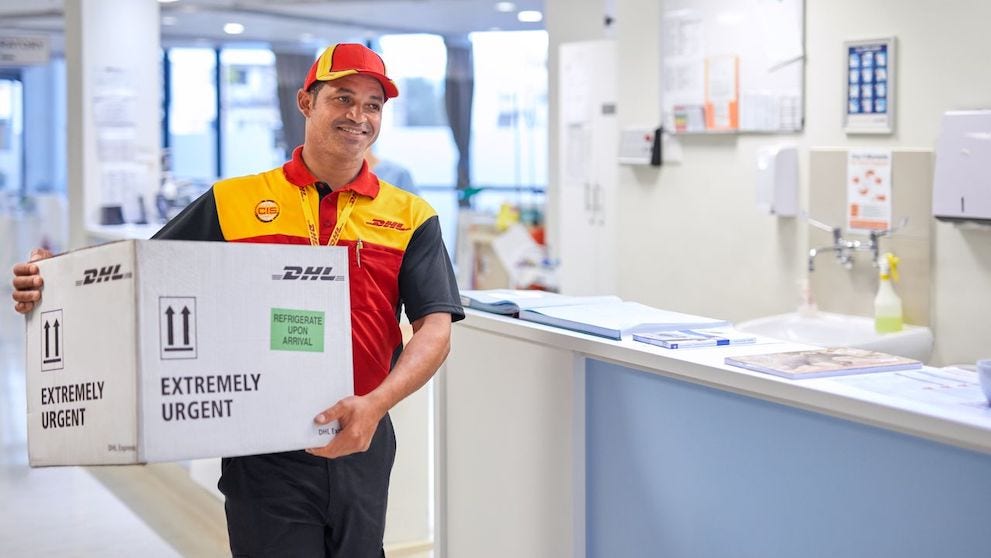
- Execute specialized shipping: Temperature-sensitive products like live probiotics require specialized, expedited shipping. Utilizing climate-controlled international logistics like DHL Express’ services ensures these high-value products maintain their efficacy from the moment they leave your warehouse until they reach your customer’s doorstep.
Make your mark in the global health movement
Selling supplements online is a marathon of trust. In 2026, success requires more than a storefront; it demands a strategic fusion of Malaysia’s rich botanical heritage with modern digital transparency. By leveraging medical excellence, adhering to high ESG standards, and utilizing personalization, exporters can evolve from simple vendors into global e-businesses in the shift toward preventive healthcare.
Share
Similar Stories