#LogisticsAdvice



 Share
Share
From Volatility to Viability: How DHL's GT20 Framework Redefines Risk in Nigeria
Share
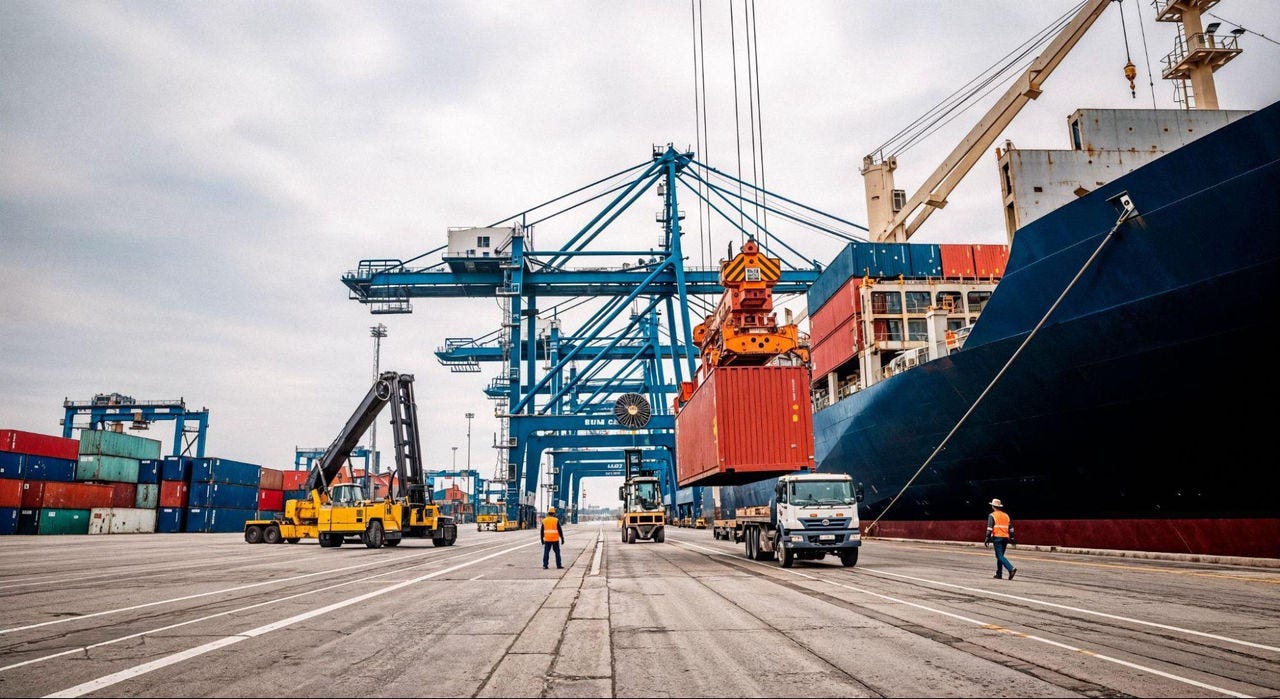
If you run a business in Nigeria, volatility is not a concept you read about in economic journals. It is currency fluctuations that change your import costs overnight, infrastructure gaps that turn a routine delivery into a multi-day ordeal, and regulatory shifts that can reshape your operating environment with little warning. For many Nigerian businesses, managing risk has become a daily discipline rather than an occasional concern.
But here is a different way to think about it. The real question is not whether risk and volatility exist, because they clearly do. The real question is whether your business is positioned where global demand, investment, and trade routes are actually moving. DHL's "geographic tailwinds" thinking offers a useful lens here: instead of treating shifting trade patterns purely as disruption to be survived, it treats them as opportunity to be captured by those paying attention.
What DHL Means by GT20 and Geographic Tailwinds
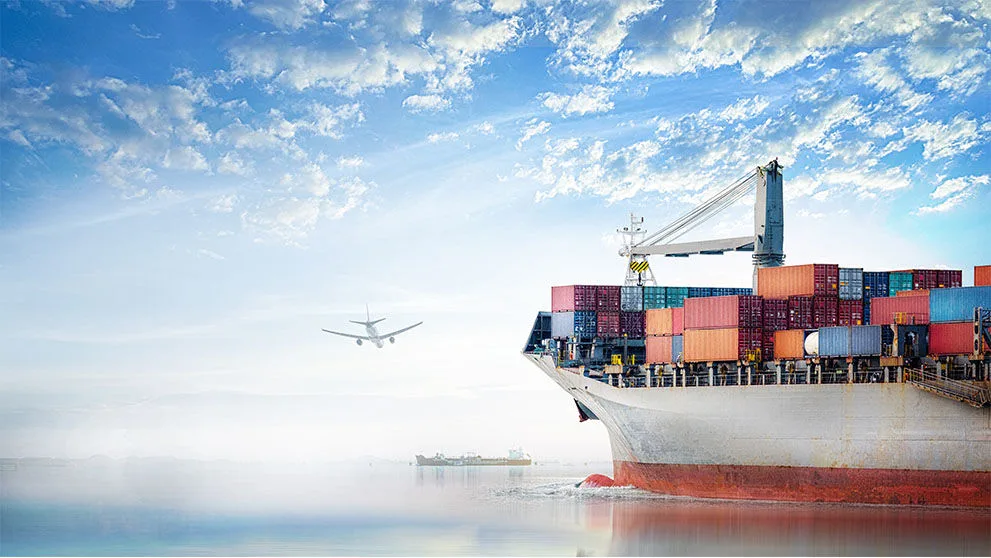
As part of its Strategy 2030, DHL launched five growth initiatives, and one of them is called Geographic Tailwinds. The thinking behind it is straightforward. Global trade is not collapsing; it is transforming, with new patterns and corridors emerging as companies rethink where and how they manufacture, source, and distribute goods.
DHL has identified 20 countries it believes have the greatest potential to benefit from this transformation, a group it calls the GT20, spanning the Americas, Europe, Asia Pacific, and the Middle East and Africa. The logic is that by expanding its presence and capabilities in geographies set to benefit from supply chain diversification, DHL can better help customers in those regions take advantage of better infrastructure, smarter services, and deeper supply chain expertise. In other words, DHL is positioning itself to grow where the opportunity is heading, not where it has historically been.

Why This Changes the Meaning of Risk
For years, "risk" in international trade conversations mostly meant instability: political upheaval, currency crashes, conflict, or natural disasters. That definition still matters, but it is no longer the whole picture. Increasingly, there is another kind of risk that gets far less attention: the risk of being left out of the new trade corridors being formed right now.
Three major shifts are reshaping global trade. The first is called China+X phenomenon, where multinational companies are diversifying their manufacturing footprint beyond China, with countries like Thailand, Malaysia, and Vietnam emerging as key beneficiaries in Southeast Asia. The second is the broader move toward nearshoring, reshoring, and friend-shoring, where companies relocate production closer to end markets or toward politically aligned countries to reduce risk and transportation costs. The third is the surge of domestic and foreign direct investment flowing into strategic economies across the Middle East, India, and beyond.
For a Nigeria-focused business, the takeaway is this: the smartest response to volatility is not to wait for it to pass, but to actively align with these global shifts. Businesses that understand where investment and trade activity are flowing, and position themselves to participate in those flows, turn a source of anxiety into a source of opportunity.
How DHL Turns Uncertainty Into Practical Resilience
It is one thing to identify where opportunity is heading. It is another to actually be ready to capture it, and this is where DHL's approach becomes practical rather than theoretical. The GT20 initiative is built around developing a more comprehensive understanding of customer needs in target markets and along the trade lanes connecting them, then backing that understanding with enhanced services and improved infrastructure.
This means capitalising on expertise across express shipping, global forwarding, and supply chain management to meet the increasingly diverse requirements of different industries, including sectors like life sciences and healthcare where supply chains are evolving rapidly. Strategy 2030 also emphasises digital touchpoints that make logistics more accessible and transparent for businesses, alongside a strong focus on decarbonisation, which is becoming an increasingly important factor for companies evaluating long-term supply chain partners. For Nigerian businesses, this translates into access to a logistics partner that is actively building the infrastructure and expertise needed to connect local operations to these shifting global trade patterns.
The Broader Payoff: Inclusive, Viable Growth
There is also a development dimension worth considering here. Frameworks for inclusive business, such as those promoted by the UNDP, focus on opening up market opportunities for low-income people and communities, supporting the implementation of broader sustainable development goals, and offering practical policy options for governments and companies working toward inclusive growth.
This matters for Nigeria because true viability is not just about corporate efficiency or a single company's bottom line. When logistics infrastructure improves and businesses gain better access to international markets, the benefits ripple outward, creating opportunities for smaller suppliers, local employment, and broader economic participation. Aligning with global trade shifts should not be seen purely as a corporate growth play; it can also be part of a wider story about Nigerian businesses and communities gaining a stronger foothold in the global economy.
From Defensive Logistics to Growth Positioning
For too long, logistics has been treated by many Nigerian businesses as a back-office cost to be minimised, something to manage defensively rather than strategically.
The GT20 framework offers a different perspective: that the businesses best positioned to thrive amid volatility are not the ones that simply absorb risk, but the ones that build the capacity, infrastructure, and partnerships needed to move with global trade shifts rather than against them.
Volatility in Nigeria is not going away anytime soon, but it does not have to define the limits of what your business can achieve. By understanding where global trade is heading and aligning your logistics strategy accordingly, you position your business to capture opportunity rather than simply weather the storm. If you are ready to start treating logistics as a growth strategy rather than a cost center, consider partnering with DHL to explore how global trade shifts can work in your favour.
Frequently Asked Questions
GT20 is DHL's list of 20 countries it sees as having the strongest growth potential as global trade patterns shift. While the focus is on those specific markets, the bigger idea applies to you too: trade routes and investment are moving toward certain regions, and businesses that position themselves to connect with those flows stand to benefit, even if they're not based in a GT20 country themselves.
Because there's a second kind of risk most people overlook: missing out on new opportunities while you're focused only on surviving the old ones. Currency and infrastructure issues are real, but so is the opportunity cost of not tapping into where global demand is headed. Thinking about both helps you plan smarter, not just defensively.
You can quickly check pricing and service options using one of the following methods:
Online via MyDHL+: Go to the MyDHL+ website and select the Get Quote option. Fill in the origin and destination addresses (or postal codes), specify whether you are shipping a document or a package, and input the exact dimensions and weight to receive a breakdown of available services and costs.
Through a DHL Business Account: If you are a registered business or frequent shipper, logging into your portal will display your customized contract rates and high-volume discounts.
Requesting a Custom Corporate Quote: For larger freight, specialized cargo, or recurring commercial shipments, you can schedule a consultation with a DHL specialist to evaluate your shipping profile and establish a customized pricing tier.
Share
Similar Stories