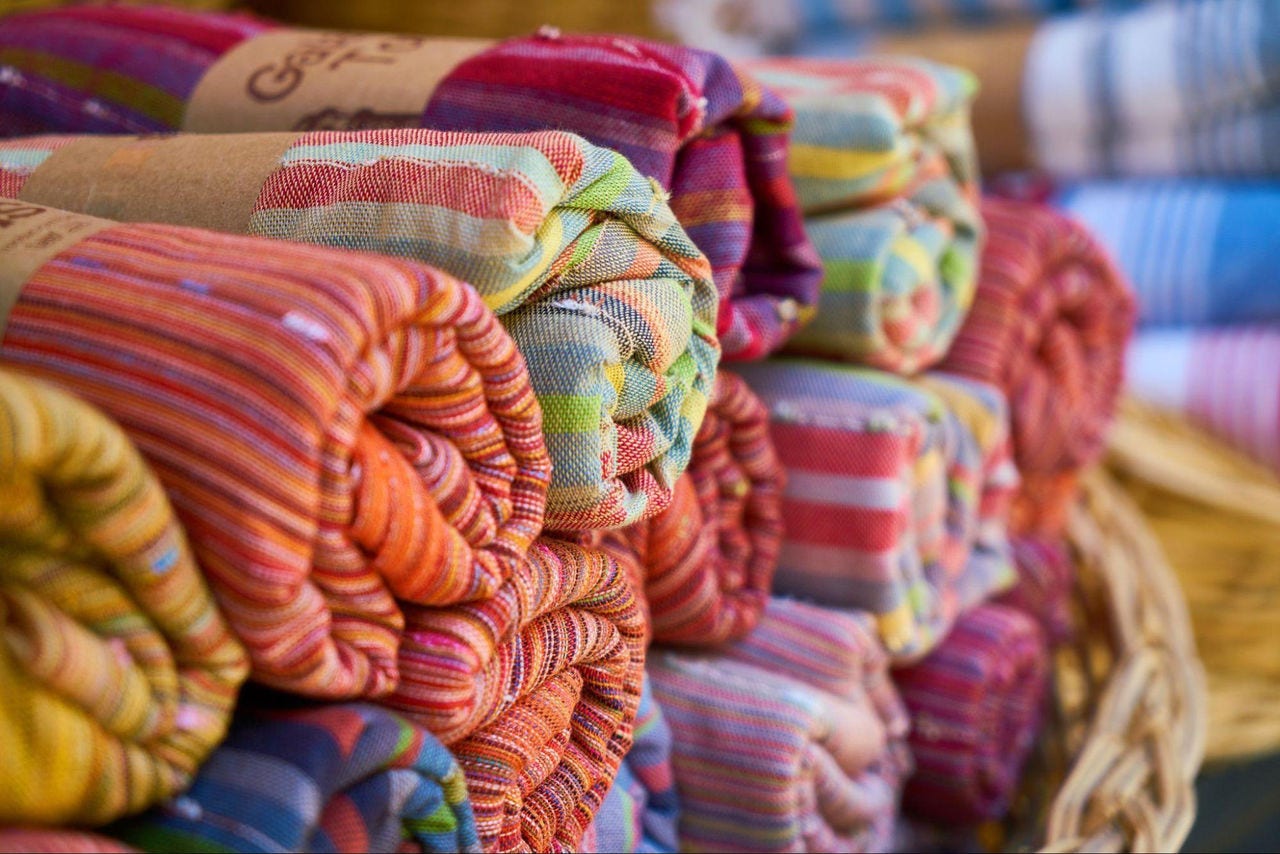
When it comes to exporting luxury Nigerian fashion, think hand-loomed Aso-Oke, velvet, or a meticulously embellished bridal dress, every step of the shipping process matters. Each piece is a testament to tradition, artistry, and hours of skilled craftsmanship. And whether your designs are headed to London, New York, or Dubai, ensuring they arrive in perfect condition is as essential as the creation itself.
This guide covers the must-know steps for shipping premium Nigerian garments securely, so your fashion arrives as flawless as the day it left your studio.
1. Preparing Garments for International Travel
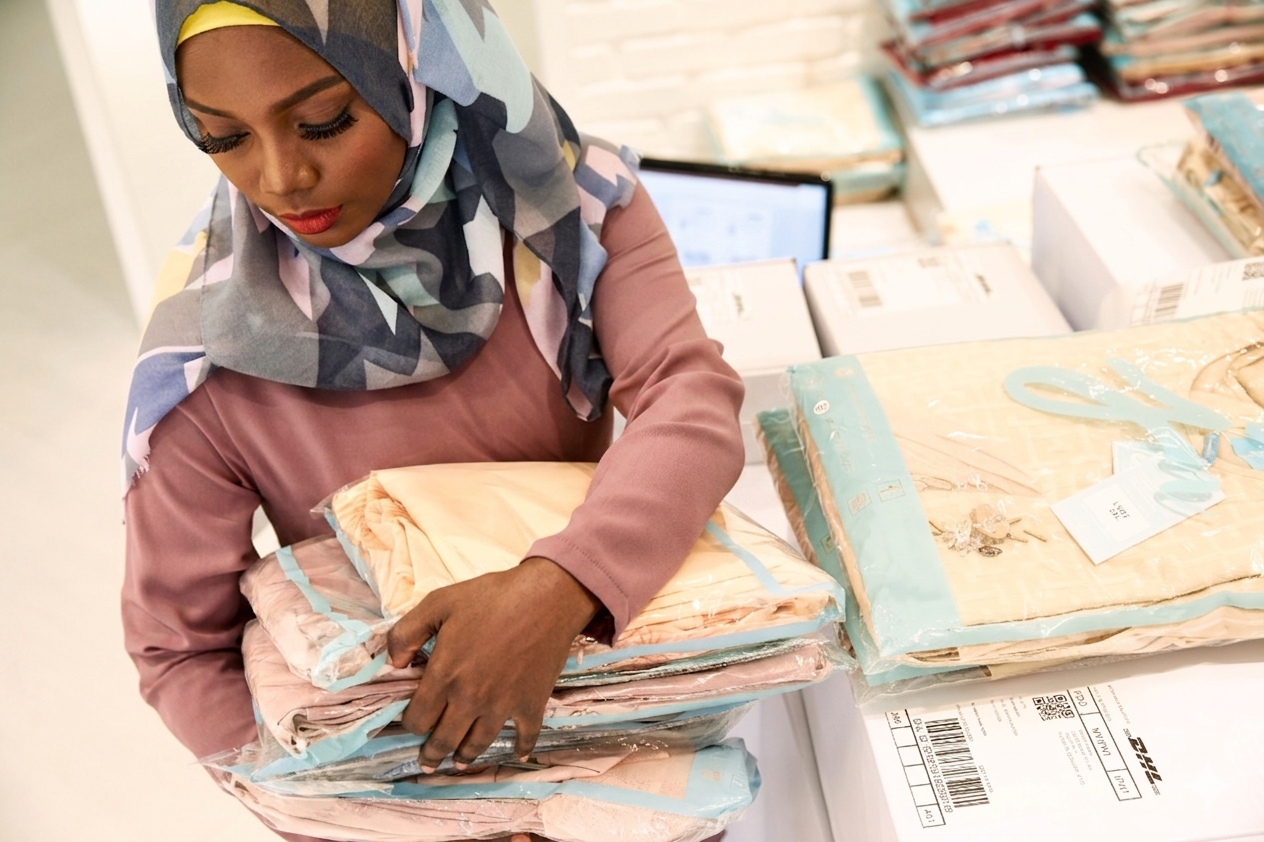
Before you reach for a box, start with a close inspection. Every garment should be pristine, shipping can intensify even the smallest imperfection. For beaded, sequined, or lace-accented pieces, turn each item inside out. This protects delicate embellishments from catching or rubbing during transit. Then, carefully wrap the garment in high-quality tissue paper, giving extra attention to areas with heavy beadwork or embroidery.
Structured garments, such as Agbadas or formal wear with padded shoulders and stiff collars, need special care. Fold along natural seams and insert tissue paper between each fold to minimize creasing and help garments hold their intended shape.
2. Shielding Your Creations from Moisture
Nigeria’s climate is famously humid, but international routes bring even more variables, temperature swings and condensation can threaten luxurious fabrics like silk, velvet, and woven Aso-Oke. After wrapping in tissue, place each garment in a protective poly-bag.
This isn’t your main packaging; it’s a crucial inner shield against moisture. For extra security, especially for long-haul journeys, add a few desiccant packets inside the poly-bag to absorb humidity and keep your fabrics fresh.
3. Choosing the Right Packaging
The wrong box can undo months of work. While poly mailers are fine for T-shirts, luxury couture demands more protection. Select sturdy, corrugated cardboard boxes sized for your pieces. Even better, use garment boxes specifically designed for formalwear, they keep items flat, protect embroidery, and allow structured garments to hold their shape from Lagos to London. The right packaging keeps collars crisp, beadwork intact, and your creations presentation-ready.
4. Protecting Your Investment with DHL Value Protection
Luxury garments aren’t just valuable; they’re often irreplaceable. Standard freight insurance rarely reflects the true worth of a couture bridal dress or custom Aso-Oke. DHL Value Protection fills this gap, offering coverage based on your shipment’s actual value, not just its weight. With protection against physical loss, theft, damage, and delays, you can ship with confidence, knowing your investment is secure.

5. Final Checks Before You Ship
Before sealing the box, double-check your work. Attach the shipping label firmly to the top of the package, making sure it’s clearly visible. Place a spare label inside, just in case the outer one is damaged in transit.
For international shipments, paperwork is key. Ensure your commercial invoice is complete, your HS codes for apparel are correct, and the air waybill accurately describes the contents. Proper documentation keeps your shipment moving smoothly through customs, avoiding unnecessary delays.
Commit to Excellence, Every Step of the Way
Shipping luxury Nigerian fashion isn’t just about logistics, it’s about upholding your reputation and honoring the artistry in each piece. With careful preparation, thoughtful packaging, and comprehensive shipping protection, your designs will reach their destination just as you intended.
For your next shipment, add DHL Value Protection and give your craftsmanship the security it deserves. With DHL as your logistics partner, your fashion will speak for itself, no matter where in the world it lands.
Frequently Asked Questions
International shipments of luxury goods demand careful preparation, especially when it comes to documentation. To ensure your items glide through customs without delay, affix a complete and accurate set of paperwork to the top of your box. This set must include a detailed commercial invoice that accurately reflects the true value of your garments, as well as the correct HS codes for apparel. Don’t forget the air waybill, this should clearly describe every item within the shipment. These documents, along with any additional paperwork relevant to your destination, are absolutely essential for smooth customs clearance and uninterrupted delivery.
Shipping luxury fabrics like velvet, silk, or handwoven Aso-Oke across borders means exposing them to unpredictable climates. To safeguard these delicate materials, start by wrapping each item in soft tissue paper. Next, place it inside a protective poly-bag to create a reliable moisture barrier. For longer journeys, slip a few desiccant packets into your package to absorb excess humidity. This extra step helps preserve the quality and finish of your special fabrics, no matter how far they travel.
When it comes to high-value, custom-made garments, standard carrier liability often falls short, it’s usually calculated by weight, not true value. That means a lightweight, intricately crafted bridal gown could receive only minimal compensation if lost or damaged in transit. The smarter solution? Add DHL Value Protection to your shipment. This service covers the actual financial worth of your items, offering peace of mind and safeguarding your business against physical loss, damage, theft, or shipment delays.
Keeping an eye on your shipment is simple with DHL Express. Just find your tracking number, usually printed on your label, receipt, or order confirmation email, and enter it into the DHL Tracking Tool. You’ll instantly see detailed updates on your shipment’s current status, estimated delivery date, and scan history with location details. If you don’t have your tracking number handy, reach out to your sender or retailer, they’ll be able to provide it.


 Share
Share
Similar Stories