#LogisticsAdvice



 Share
Share
Scope 3 Emissions and ESG Reporting: What Nigerian Businesses Must Know Today
Share

Imagine securing a contract with a European buyer, only to encounter a new question tucked into the fine print: what are the carbon emissions tied to delivering these goods? Just a few years ago, such inquiries were rare.
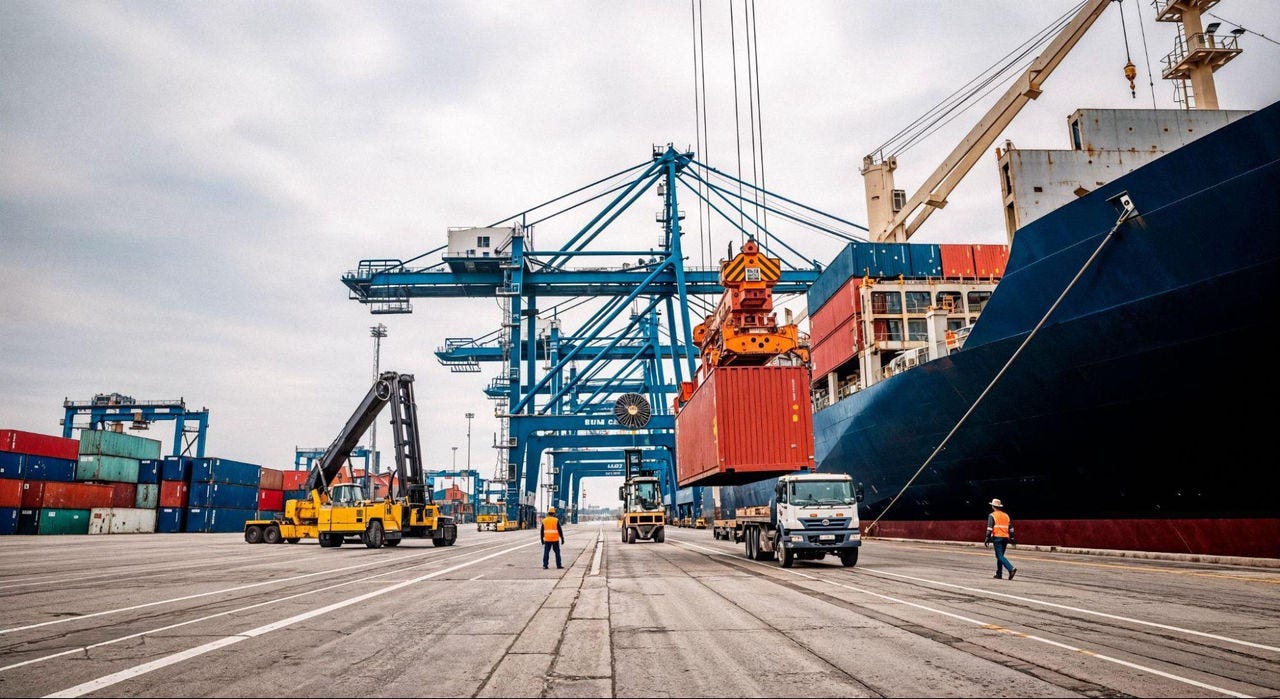
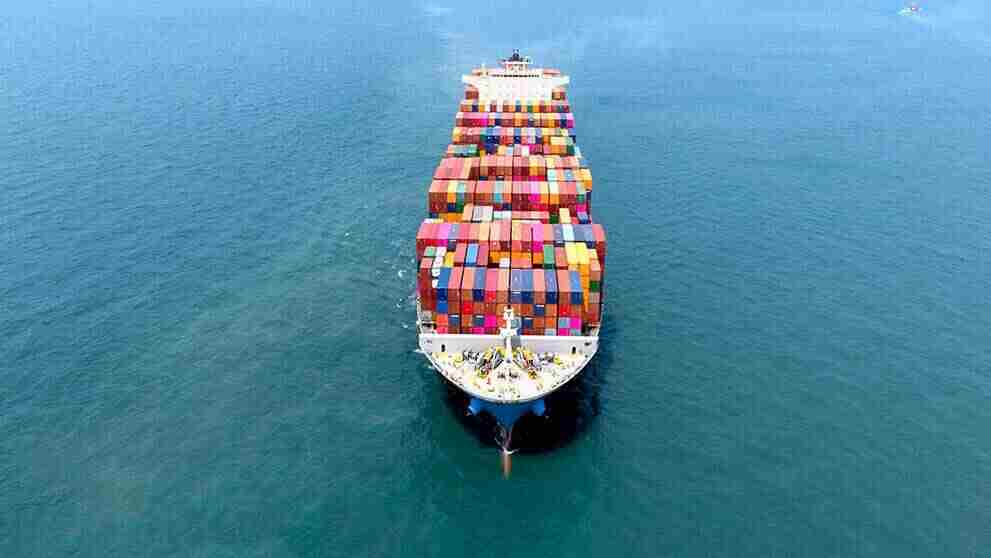
Today, they come not only from customers but also lenders, investors, and soon, regulators. For many companies, the toughest part of this puzzle isn’t emissions from factories or offices, but Scope 3. These are the emissions embedded throughout your value chain, with shipping standing out as one of the most visible contributors.
Understanding Scope 3
Emissions reporting breaks down a company’s carbon footprint into three categories. Scope 1 covers direct emissions, which are the fuels burned in your vehicles and generators. Scope 2 includes indirect emissions, mainly the electricity you purchase. Scope 3 encompasses everything else across your value chain, from the goods you buy and employee travel to the transportation and distribution of your products.
This category is often the largest and most complex to measure since it happens largely beyond your immediate control. For businesses engaged in import or export, freight and shipping represent a tangible and increasingly scrutinized part of Scope 3 emissions.

What Nigeria’s New Standards Mean
This isn’t just a European issue anymore. Nigeria has embraced the ISSB’s global sustainability standards, adopting IFRS S1 on sustainability and IFRS S2 on climate disclosure.
In February 2026, the Financial Reporting Council issued an updated adoption roadmap alongside its inaugural sustainability reporting guidelines.
The rollout is phased: significant public interest entities must comply starting January 2028, with small and medium-sized enterprises following by 2030. IFRS S2 mandates disclosure of greenhouse gas emissions, including Scope 3. The businesses best prepared will be those that begin measuring their emissions now, rather than rushing to comply when the deadline looms.
Cutting Your Shipping Emissions
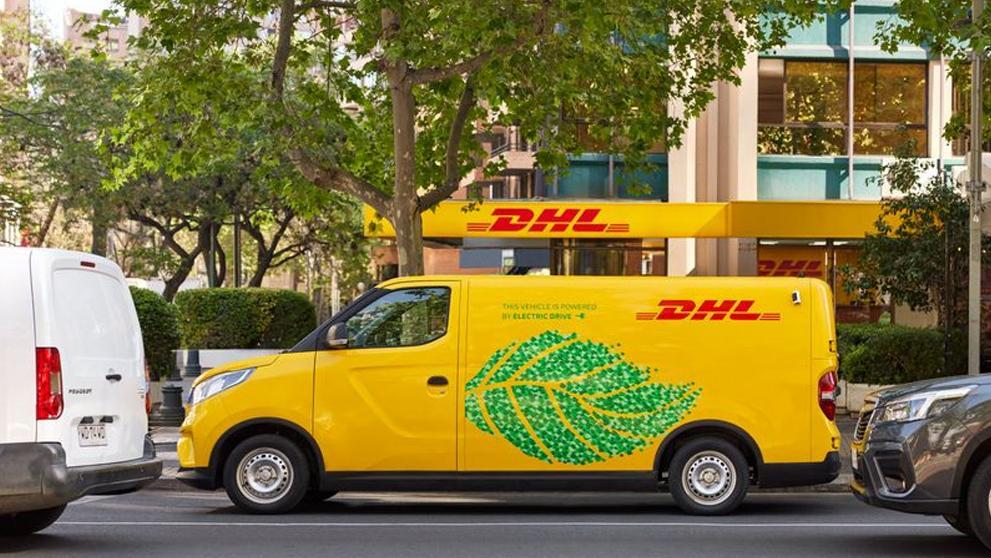
Once you identify your shipping emissions, the next challenge is reducing them. That’s where DHL GoGreen Plus steps in. Unlike traditional offsetting, which funds unrelated projects, GoGreen Plus relies on insetting.
DHL invests directly in Sustainable Aviation Fuel (SAF) within its own network, which provides a cleaner fuel derived from waste feedstocks that cuts lifecycle emissions by around 80% compared to conventional jet fuel.
This reduction is then allocated to your shipments. With DHL Express, you can add GoGreen Plus to individual shipments via MyDHL+ or set a reduction level through your account contract, choosing how much of your shipping footprint to address. It’s a practical way to tackle the largest, most challenging part of your carbon footprint using shipments you’re already sending.
Turning Emissions Reductions into Reportable Data
For ESG reporting, reductions must be verifiable.GoGreen Plus delivers on this with official certificates detailing the emission reductions you achieve, along with carbon footprint reports broken down by individual shipment.
This isn’t an estimate but reporting-grade data that meets the rigorous expectations of frameworks like IFRS S2. For heavier freight, DHL Global Forwarding offers GoGreen Plus for air and ocean shipments, separate from Express services, enabling importers and exporters to cover their entire logistics footprint, not just parcels.
Show Progress, Not Just Promises
ESG reporting favors companies that demonstrate clear, measurable action. Shipping is one of the most straightforward areas to make an impact.
A DHL Express business account lets you integrate GoGreen Plus into your shipping process and receive the certificates and carbon reports you need to support your disclosures. Open an account today and start transforming your logistics emissions into tangible numbers you can both report and reduce.
FAQs
Optimising packaging size not only cuts down on material use but also minimizes the empty space shipped with every delivery. This dual benefit lowers packaging waste and trims shipping expenses. DHL’s Sustainable Packaging for Nigerian SMEs offers insightful, actionable strategies for Nigerian businesses eager to make their packaging more eco-friendly and cost-effective.
Carbon offsetting supports emissions-reduction projects outside the company’s direct operations, while carbon insetting focuses on cutting emissions within the company’s own value chain. Both play important roles in sustainability strategies, and DHL’s Sustainable Shipping breaks down these concepts to help businesses understand how to integrate them effectively.
Logistics presents a tangible opportunity for businesses to enhance their ESG credentials. By tracking transportation emissions, streamlining routes, and adopting cleaner transport options, companies can make measurable progress. DHL’s How Nigerian FMCG Brands Can Lead the Sustainability Charge dives deep into how logistics can drive emissions reduction and elevate ESG performance in the Nigerian market.
From eco-friendly packaging to optimized transport efficiency and the use of lower-emission fuels, businesses have several pathways to greener shipping. DHL’s Sustainable Shipping with DHL article outlines these options comprehensively, featuring solutions like DHL’s GoGreen Plus that help companies reduce their environmental footprint while maintaining operational excellence.
Share
Similar Stories