#LogisticsAdvice

Predictable Cargo Movement from Lagos Ports to Your Factory Floor

Olaniran Fafowora
Olaniran Fafowora
Senior Director Commercial
Predictable Cargo Movement from Lagos Ports to Your Factory Floor
This article covers:
How Lagos port processes affect delivery timelines
How to align cargo arrivals with production
How tracking improves delivery reliability and planning

Nigerian ports saw a 12.3% increase in cargo throughput in the second quarter of 2026 compared to the previous year, according to the Nigerian Ports Authority’s latest operational report. 

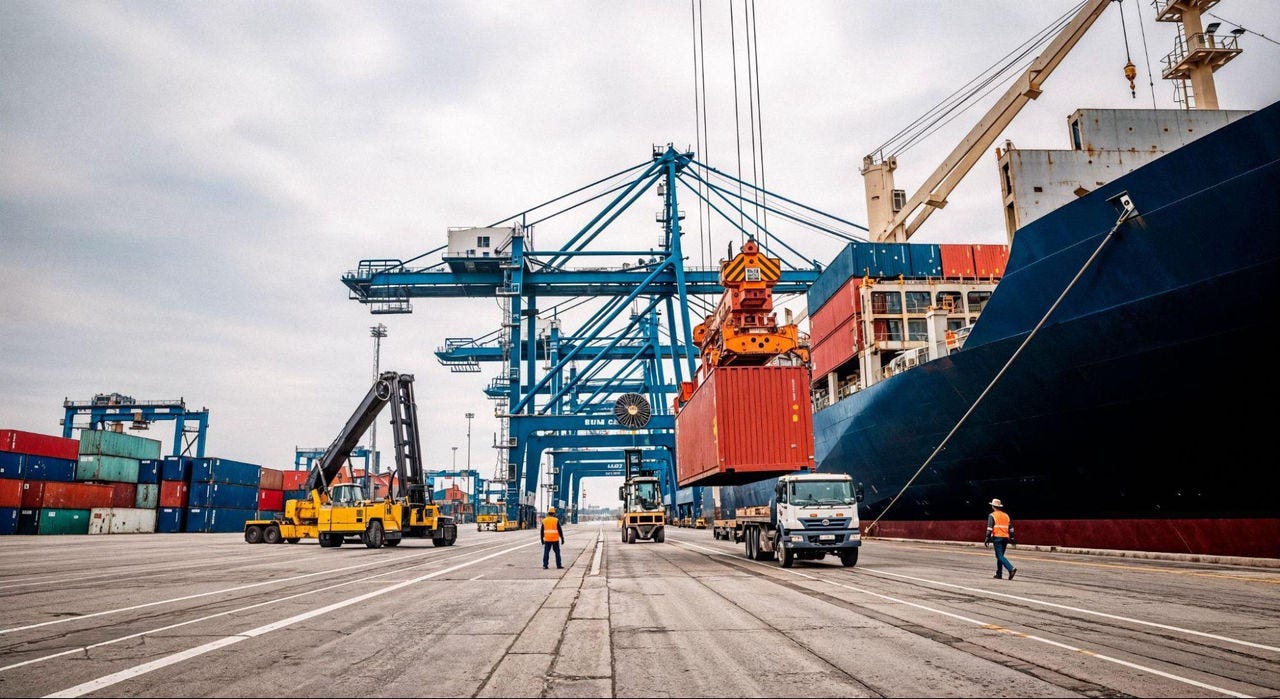
More goods are flowing through the system, but what remains elusive for manufacturers is a firm delivery date. Access to Lagos terminals is carefully managed through a call-up platform that admits trucks in batches. This means the moment your container leaves the port, it depends on a queue beyond your control. 

What Determines Your Delivery Date? 

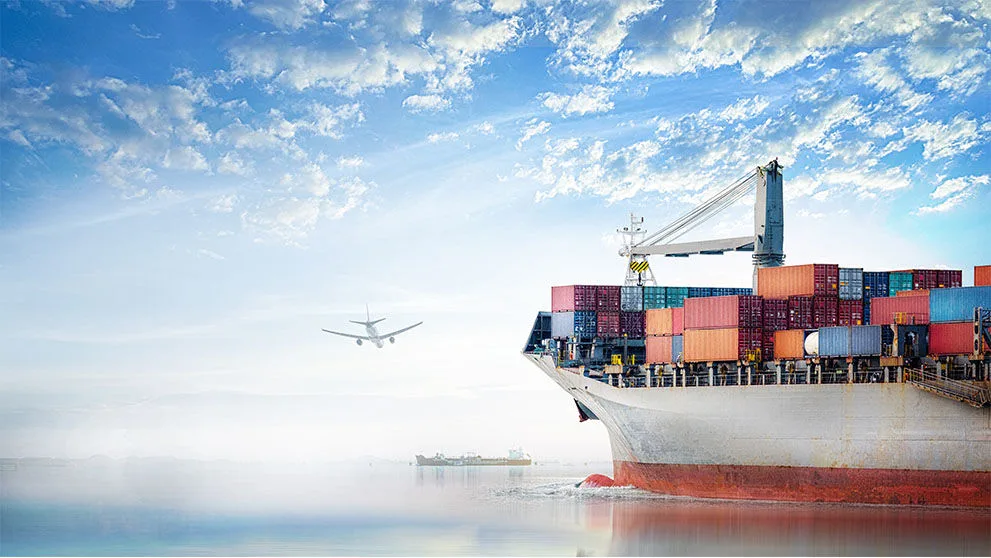
Since February 27, 2021, entry to and exit from Lagos Port Complex and Tin Can Island have been coordinated through Ètò, a booking system requiring trucks to arrive from designated parks. Trade data shows that the booking is now linked to both the terminal delivery order and the vehicle entry permit. This means a slot can only be reserved once release documents are ready, placing paperwork ahead of physical movement in the process. When release clearance, haulage, and bookings are handled by separate parties, every handoff risks delays. DHL Global Forwarding bridges these gaps by offering customs clearance and road freight as a unified service, eliminating unnecessary handovers and keeping your shipment on track.

/content/dam/nigeria/logistics-advice/logistics-insight-/Aligning Container Arrival with Production Needs.jpg

Aligning Container Arrival with Production Needs

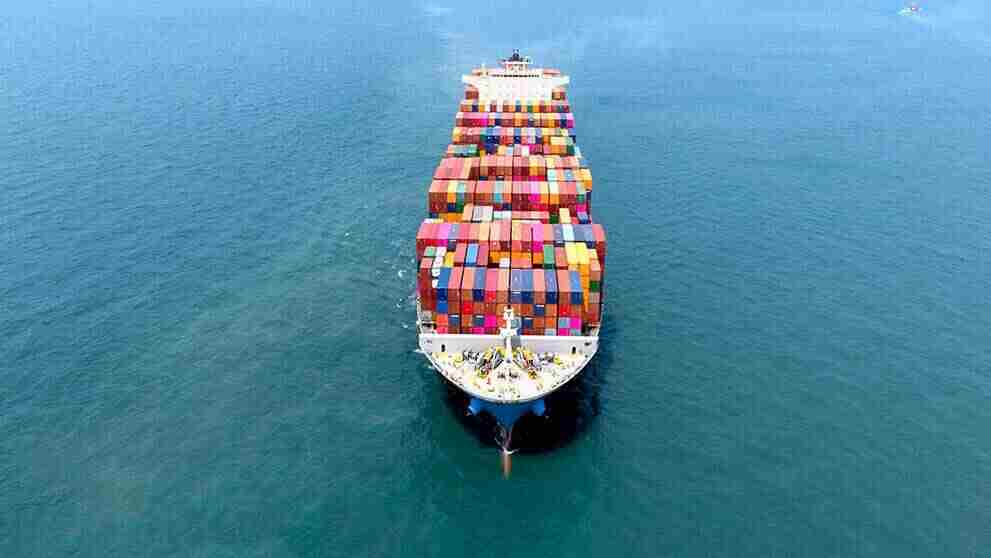
Manufacturers often summon multiple containers simultaneously to minimize storage fees. However, since Ètò admits trucks in batches, simultaneous arrivals aren’t guaranteed.

At the plant, offloading capacity might only handle two containers at a time. Spreading container arrivals throughout the week to match the production line’s pace can balance storage costs against detention fees. Whether this strategy pays off depends on your terminal and carrier agreements. Staggered scheduling also sharpens production forecasts. Six containers arriving together offer a rough idea of delivery timing, while staggered arrivals provide clearer, more actionable dates. DHL Global Forwarding supports this approach by operating road freight on regular scheduled departures, delivering the predictability that a staggered plan demands. 

Incorporate Plant Receiving Hours in Your Transit Plan

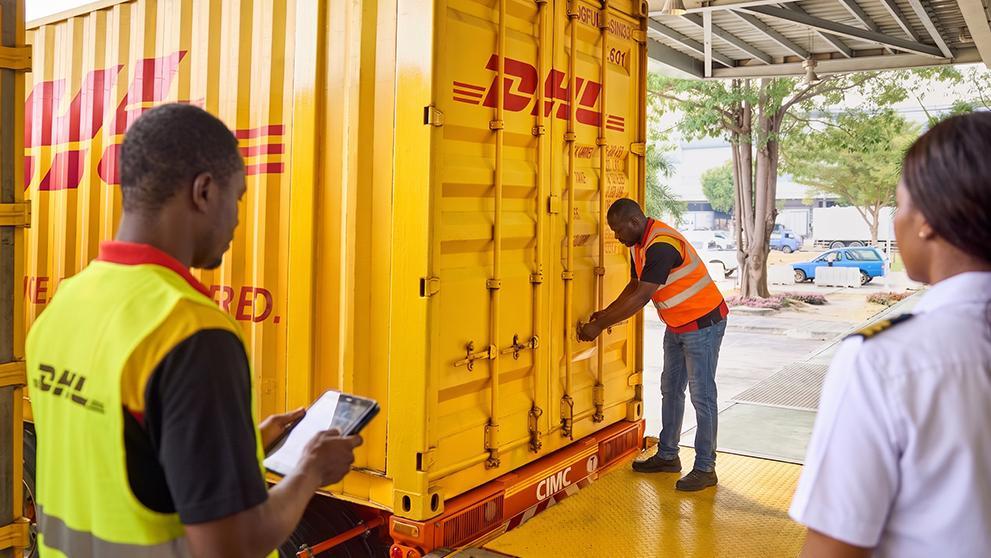
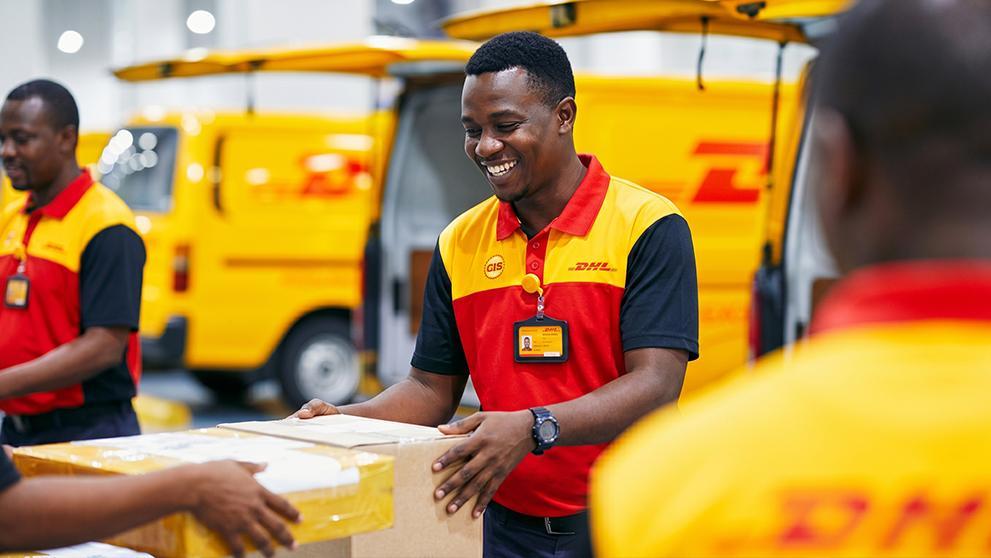
A truck leaving the terminal at 9 PM is no good if the factory’s receiving dock closes at 6 PM. Delivery windows, offloading capacity, and receiving hours must be part of your transit plan. Without this coordination, carriers will operate on their own schedules, not yours. When selecting a logistics partner, focus not just on speed but on their willingness to commit to delivery windows and provide progress updates. Carriers hired on an ad hoc basis often lack these service commitments, leaving you with no way to measure performance. DHL Global Forwarding treats road freight in Nigeria as planned, monitored deliveries, not one-off runs, allowing agreed windows and tracking under clear service terms. 

/content/dam/nigeria/logistics-advice/logistics-insight-/Track Delivery Reliability.jpg

Track Delivery Reliability, Not Just Speed

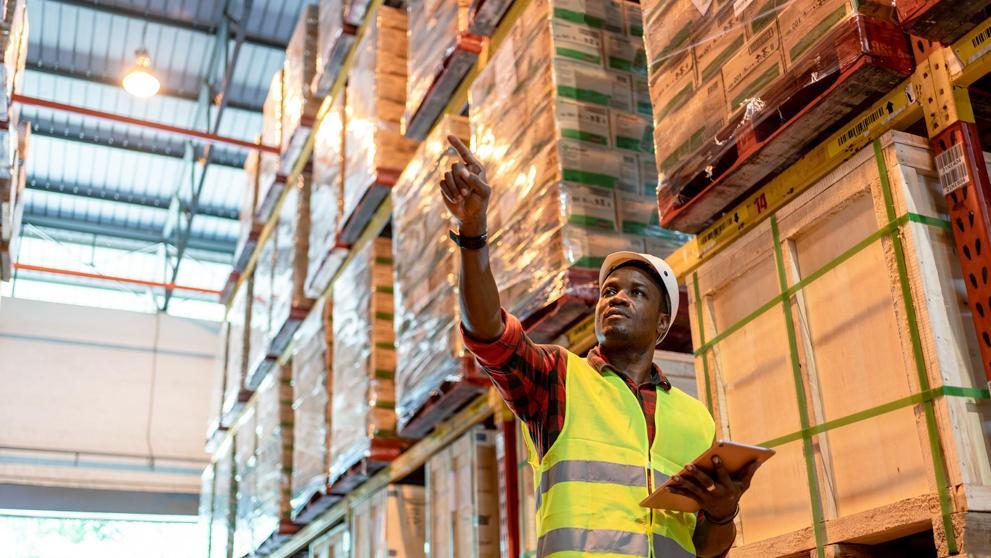
Average transit times can mask inconsistencies. Instead, measure how often deliveries arrive within their agreed windows, and record key milestones like release dates, call-up times, gate-out, and receipt at the plant.


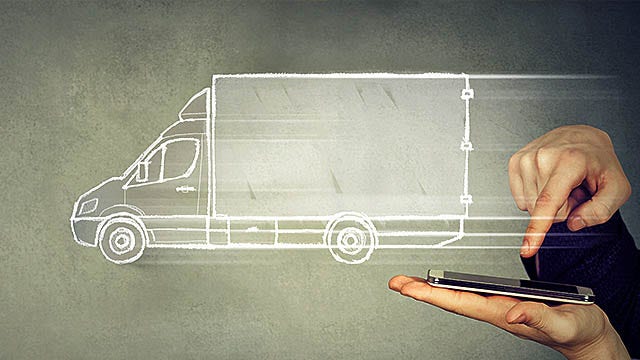
A carrier that hits eight out of ten delivery windows offers more value than one that’s faster but only hits half. Early delay notifications are equally crucial. A production manager informed at 4 PM can adjust shifts, while one told the next morning cannot. DHL Global Forwarding’s GPS-equipped trucks and myDHLi Track platform deliver real-time shipment status, timestamps, and location updates, giving you both early warnings and reliable records.

Your production plan runs on dates. Transport is often quoted as a duration, the number of days from gate-out, but these are not the same. The gap between them is where your supply chain can falter. Ask your logistics provider for a delivery window you both agree on, and early alerts if it’s at risk. Open a DHL business account today to plan your inland movements with precision, aligning deliveries seamlessly with your production schedule.

FAQs

The key to cutting delays lies in seamless coordination across customs clearance, terminal release, and inland transport, rather than treating these as isolated steps. Preparing documentation well in advance and partnering with a provider that integrates customs clearance and road freight management can significantly narrow the gaps between cargo release and collection. DHL’s expert guidance for Nigeria highlights the benefits of integrated freight and customs solutions to ensure more dependable import deliveries. Discover more in The Clear Path to Reliable Import Delivery in Nigeria

Customs expertise alone isn’t enough. Your clearing and forwarding partner should offer comprehensive access to Nigerian ports, dependable onward transport, and the capability to synchronize clearance with delivery, so your cargo moves swiftly once released. DHL’s Nigeria insights recommend evaluating a partner’s port reach and their integrated freight services to find the right fit. Learn more in How to Select the Right Clearing and Forwarding Agent

Real-time shipment tracking combined with detailed milestone updates gives you a clear picture of where your cargo is at every stage. This proactive visibility helps spot potential delays early, before they impact your production timeline. Tracking that spans the entire journey, from collection to final delivery, offers far more value than sporadic status reports. Explore this further in Deliver with Certainty: Tools for Real-Time Supply Chain Tracking

Prevent hold-ups by reviewing all documentation, HS codes, and customs requirements before your shipment even sets off. Incomplete paperwork, incorrect classifications, or unresolved compliance issues are common triggers for delays that disrupt your delivery schedule. Find out how to stay ahead in Ship With Confidence: MyGTS Makes Nigerian Customs Compliance Simple.