#LogisticsAdvice

How to Select the Right Clearing and Forwarding Agent in Nigeria

Hilary Okwechime
Hilary Okwechime
Marketing & Communications
How to Select the Right Clearing and Forwarding Agent in Nigeria
This article covers:
How to choose the right clearing agent
Why compliance and customs expertise matter
What warning signs to watch for

Choosing the right clearing and forwarding agent is a critical step for any importer in Nigeria. A skilled agent not only smooths the path through complex customs procedures but also helps you avoid costly delays related to documentation, storage, and demurrage

 In a market where the Nigeria Customs Service is rapidly digitizing, your agent should be more than just a service provider; they should be your trusted compliance and logistics partner.

Here’s how to make a confident choice.

Start with Credentials and Compliance

Your first checkpoint is to verify the agent’s legal standing. Anyone acting on your behalf to lodge goods declarations must be licensed under the Nigeria Customs Service Act, 2023. Additionally, freight forwarding professionals and companies must be registered with the Council for the Regulation of Freight Forwarding in Nigeria (CRFFN), the statutory body overseeing the industry since 2007.

Before engaging an agent, ask for proof of their Nigeria Customs Service licensing and CRFFN registration, and take the time to verify these credentials. This step is increasingly important as Nigeria embraces a fully integrated digital trade environment. The CRFFN has made it clear that registration will soon be essential for access to the National Single Window system, underscoring the importance of working with a compliant partner.

/content/dam/nigeria/logistics-advice/export-and-import-advice/Mastery of Nigeria’s Modern Customs System.jpg

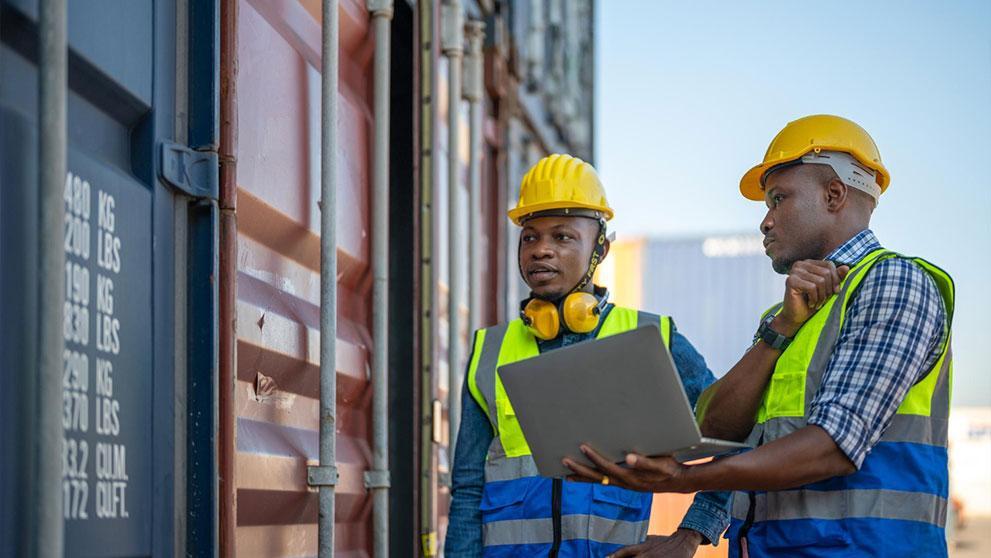
Mastery of Nigeria’s Modern Customs System

Nigeria’s customs landscape has evolved with the introduction of B'Odogwu, the Nigeria Customs Service’s new indigenous trade platform designed to replace the older NICIS II system.

This digital platform integrates key customs processes, enabling seamless interaction among traders, licensed agents, and government agencies.

A proficient clearing agent understands the entire documentation flow, ranging from Form M and the Pre-Arrival Assessment Report (PAAR) to the Single Goods Declaration and regulatory certifications like SONCAP. They also know how to navigate technical challenges within B'Odogwu, ensuring your shipment clears smoothly despite any system hiccups.

Consider Port Reach and Integrated Freight Solutions

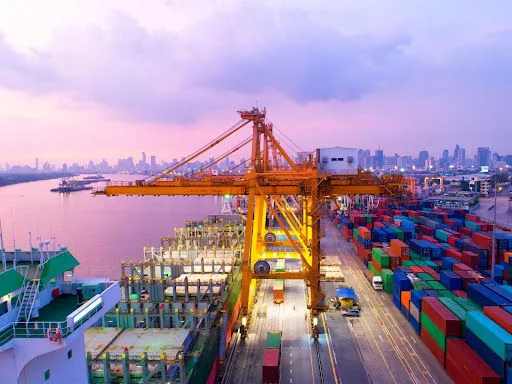
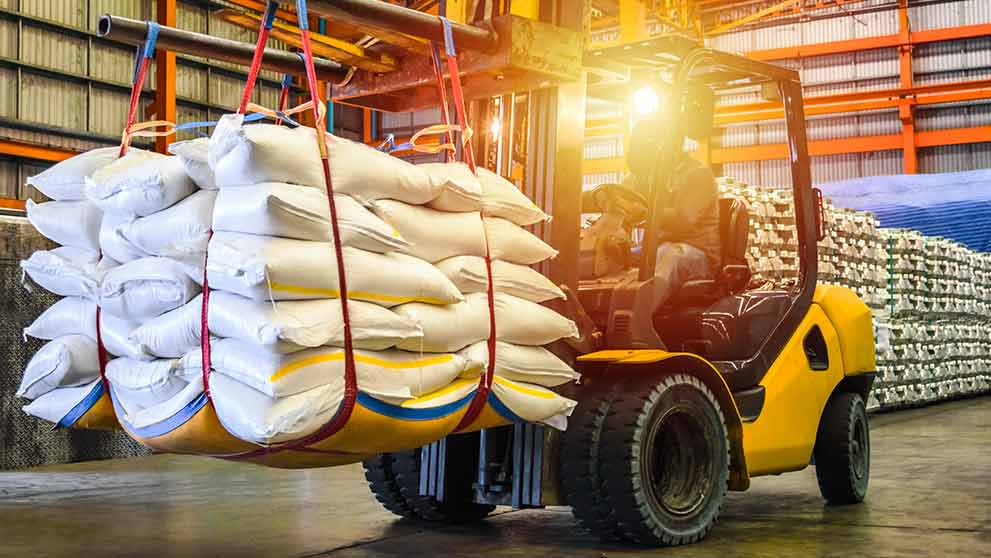
An agent’s effectiveness extends beyond customs clearance. Whether your goods enter through Apapa, Tin Can Island, PTML, or another Nigerian port, reliable onward transportation is just as vital. Once customs formalities are completed, your cargo must move promptly through terminals to avoid storage fees and demurrage charges.

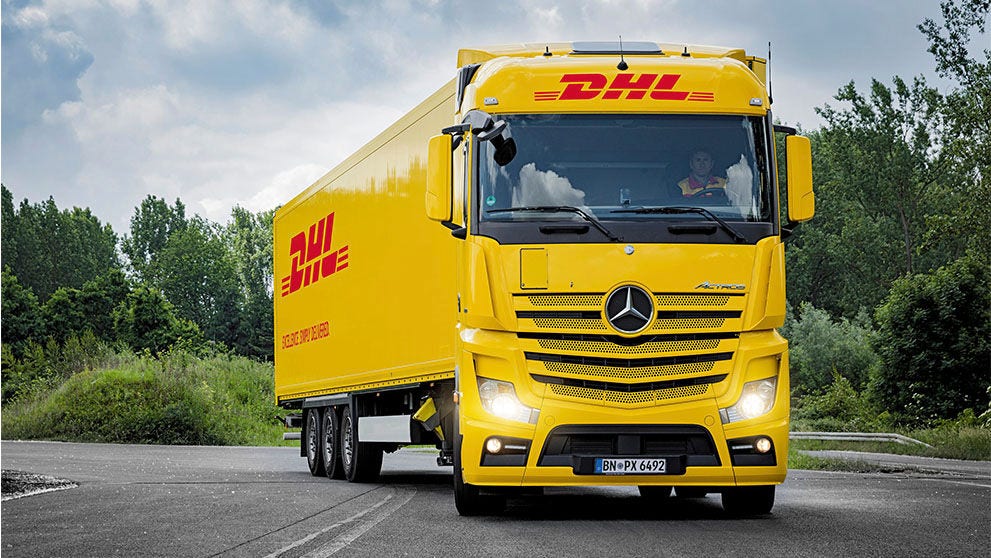
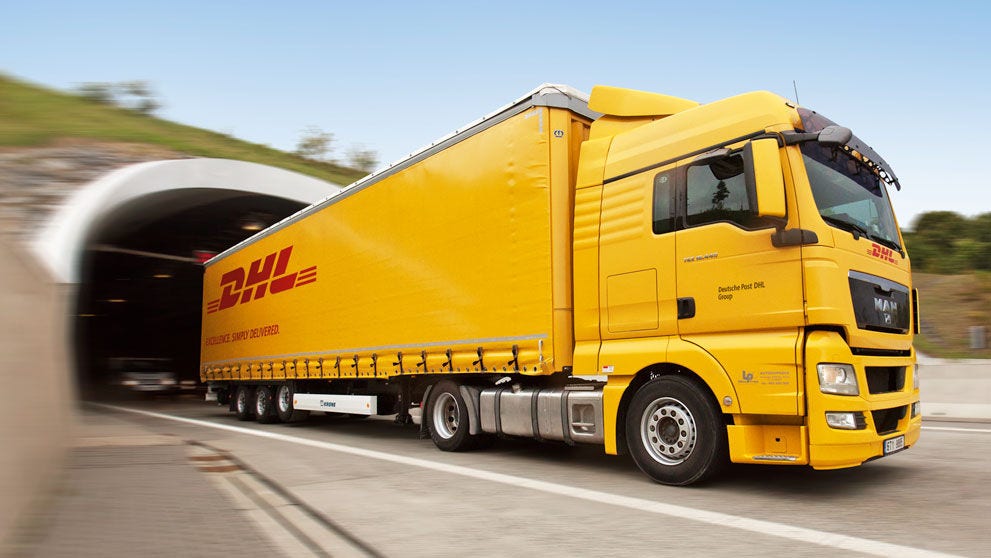
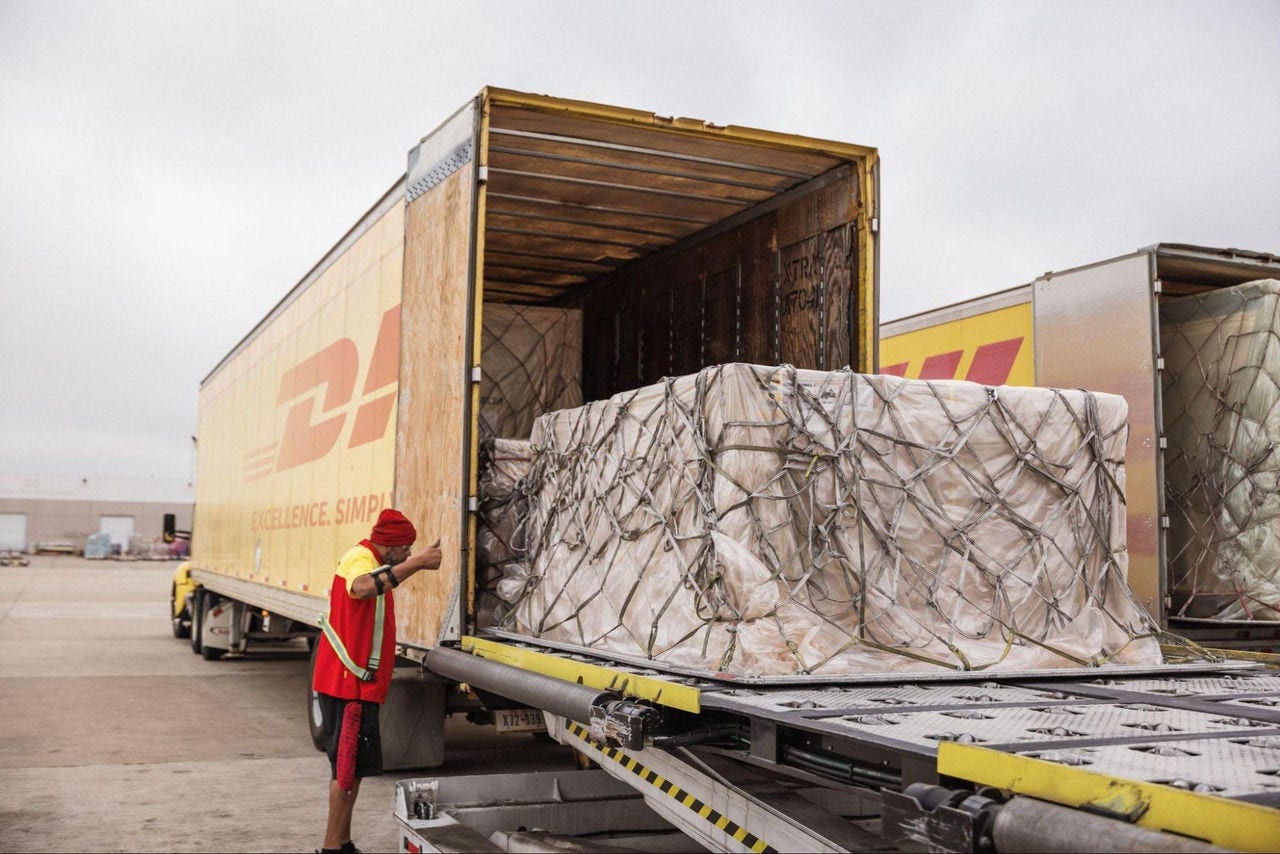
Partnering with an integrated logistics provider can make all the difference. For example, DHL Global Forwarding offers seamless customs clearance alongside comprehensive road freight services, including Less Than Truckload (LTL), Part Truckload (PTL), and Full Truckload (FTL) options. Having both services under one roof simplifies communication and streamlines your supply chain, reducing the risk of costly delays.

/content/dam/nigeria/logistics-advice/export-and-import-advice/Spot the Warning Signs Early.jpg

Spot the Warning Signs Early

Be cautious of agents who win your business with unusually low quotes. Practices like under-declaration or misclassification of goods can lead to severe penalties for you as the importer.

 Remember, shortcuts don’t shift your compliance responsibilities.

Demand transparent pricing, a clearly defined scope of work, and detailed explanations of all duties, fees, and required documentation. A reputable agent will break down costs openly instead of hiding them behind a single lump sum.

Build a Partnership for the Long Term

Successful clearing and forwarding relationships thrive on transparency and consistency, not just one-off successes. Choose a partner who documents every step, keeps you updated throughout the process, and scales their support as your import volumes grow.

DHL Global Forwarding combines expert customs brokerage with digital tools that offer real-time visibility into your customs data and declarations. Supported by a vast network covering road, ocean, and air freight, DHL is ready to support your import operations in Nigeria with reliable, end-to-end logistics solutions.

If you’re ready to enhance your import experience, open a DHL business account today and discover how DHL Global Forwarding can streamline your customs clearance and freight forwarding needs in Nigeria.

FAQs

When a shipment faces delays in customs clearance, the first priority is to identify the cause and determine what information or action is needed to move it forward. Delays often arise from missing documentation, incorrect product classification, pending regulatory approvals, or customs inquiries. The longer a shipment sits at the terminal, the higher the risk of incurring storage fees, demurrage, or additional charges. For a detailed look at common causes of import delays and practical strategies to minimize their impact, see How Nigerian SMEs Can Overcome Import Delays and Protect Profits

Not necessarily. The important thing is to establish clearly who is responsible for each part of the shipment and how those parties will coordinate. Using one provider for freight forwarding and customs can simplify communication, particularly for businesses handling regular imports, but a separate customs agent may also work if the responsibilities are clearly defined. The key is to have one clear view of the shipment from origin through clearance and final delivery. The Essential Guide to Full Container Load Freight Solution explains how freight forwarding fits into the wider movement of containerised cargo.

Not necessarily. As your business grows, your cargo may move through different ports, require different modes of transport or involve goods subject to different regulatory requirements. What matters is whether your logistics partner has the relevant expertise, coverage and capacity for your particular shipments. A provider capable of combining customs clearance with freight and inland transportation can reduce the number of parties you need to coordinate. Picking a Freight Partner That Takes Your Exports Global explores what businesses should look for when choosing a freight partner.