Taking your business beyond Nigeria’s borders starts with a critical first step: registering with the Nigerian Export Promotion Council (NEPC). This registration isn’t just a formality; it’s mandatory for legally exporting commercial goods.
The NEPC issues the Exporter’s Certificate, a crucial licence that clears your shipments through customs and enables your bank to process export payments. Without it, Nigeria Customs can hold your goods at the port, and your bank won’t be able to issue the vital Form NXP needed for payment.
The good news? The process is entirely digital and typically completed within one to two business days. This guide will walk you through every stage so you can confidently take your business global.
Step 1: Confirm Your Business Eligibility
NEPC registration is available exclusively to incorporated companies, not business names. Your company must be a limited liability entity registered with the Corporate Affairs Commission (CAC), with export activities clearly stated in your Memorandum and Articles of Association. Two key requirements apply to all applicants: a valid Tax Identification Number (TIN) from the Federal Inland Revenue Service and an active corporate bank account in your company’s name.
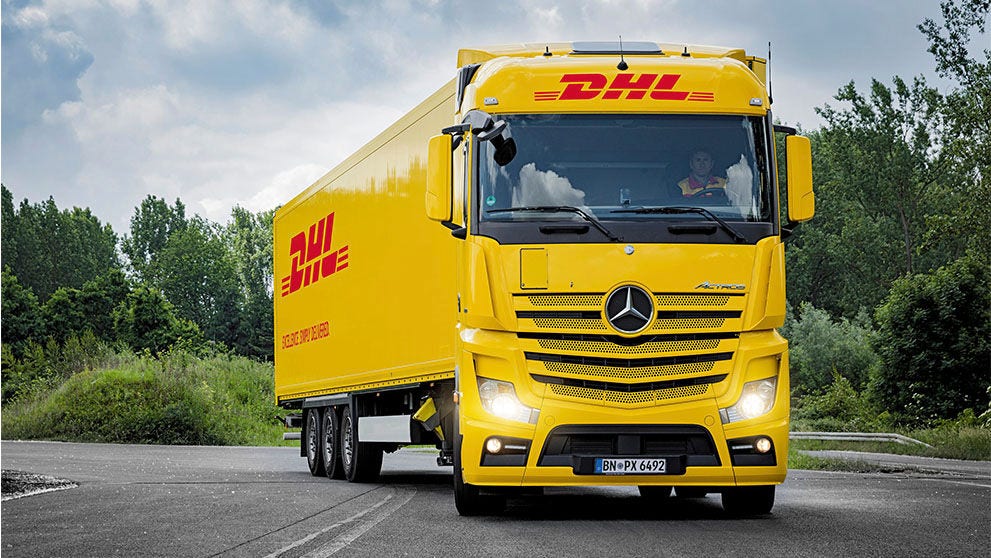
Getting these foundational elements right early on is essential. While the Exporter’s Certificate opens the door to exporting, the real journey begins when your goods hit the road. Partnering with a reliable logistics provider like DHL ensures your shipments stay on track.
Step 2: Gather Your Documentation
Before you start your application, prepare all necessary digital documents. For a limited liability company, these include your CAC Certificate of Incorporation, a certified copy of your Memorandum and Articles of Association, and Form CAC 1.1. You’ll also need your TIN certificate, valid IDs and passport photos for company directors, corporate bank details, and a detailed product list.
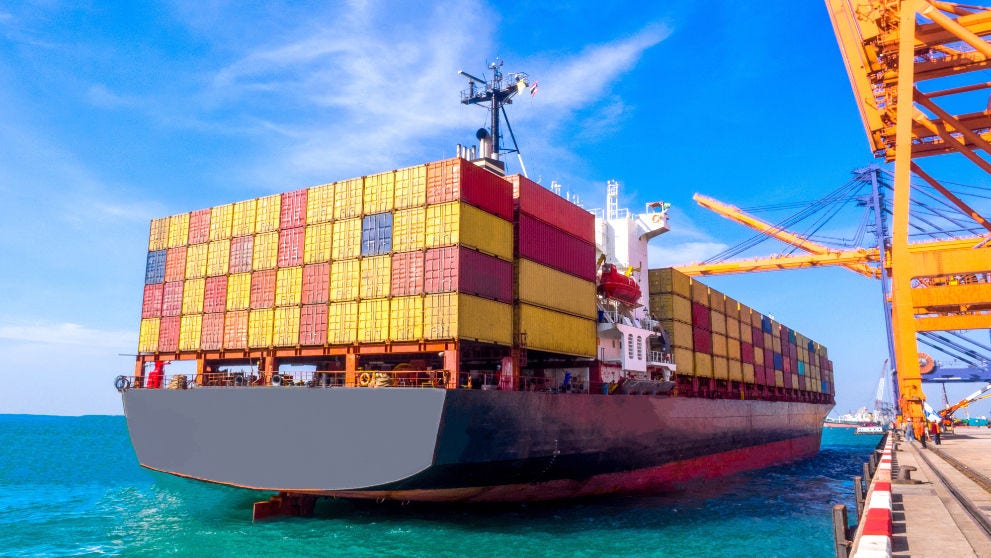
Knowing your product range upfront helps you select the best shipping options. DHL Express is perfect for samples and smaller packages, while DHL Global Forwarding efficiently handles palletised and container shipments.

Step 3: Register Online and Assess Your Export Readiness
NEPC registration is fully online via the NEPC e-registration portal, with no paperwork required.
The platform features an export readiness checker that identifies any gaps in your application before submission, helping you avoid delays. Use this tool to ensure your documents are complete and your logistics plan matches available freight options and delivery timelines through trusted carriers like DHL.
Step 4: Complete Registration and Make Payment
Create your exporter account, complete the online application, and upload your documents. NEPC fees vary: new certificates are less costly than renewals. A new certificate generally costs around 20,000 naira, but it’s best to verify current fees on the portal before payment. All transactions are securely processed via Remita.

Step 5: Download Your Certificate and Prepare for Export
Once your payment is confirmed and documents approved, NEPC issues your Exporter’s Certificate within one to two business days. There’s no physical collection; simply download your certificate from your dashboard.
The initial certificate is valid for 24 months, with annual renewals required thereafter. Mark your calendar to avoid late fees.
With your certificate secured, each shipment will require specific documents such as the Form NXP from your bank and a commercial invoice. This is where DHL’s export expertise and dedicated support make a real difference, guiding you through paperwork and ensuring smooth customs clearance without costly delays.
Launch Your Export Journey with Confidence
Registering with NEPC is just the start. The true advantage comes when your products reach international markets on schedule and within budget, protecting your margins. By partnering with DHL, you gain access to a full suite of express and freight services backed by expert support, ensuring your exports move seamlessly from your very first shipment onward.
Begin your export journey today by registering with NEPC, and let DHL turn your Exporter’s Certificate into successful deliveries across the globe.
FAQs
Registering with NEPC is just the starting point for your export journey. To successfully dispatch your first shipment, you’ll need several key documents tailored to your product and its destination. These typically include a commercial invoice, packing list, transport document, export declaration, and any product-specific certificates or permits. For a detailed breakdown of the documentation DHL requires for international exports, refer to our guide on Required Export Documents.
Export compliance doesn’t stop once your goods leave Nigeria. Each destination country enforces its own set of rules regarding product standards, labeling, certificates, duties, and customs clearance. It’s essential to research these regulations ahead of time to ensure your products can enter the market smoothly and legally. Our resource, Exporting from Nigeria: What Sells and How to Reach Global Buyers, highlights the importance of understanding these destination-market requirements before finalizing any sale.
Before your shipment departs, double-check that all export documentation is complete and your product complies with the destination country’s standards. Confirm that your chosen transport method aligns with both the nature of your goods and the delivery timeline. Additionally, clarify payment terms, Incoterms, and the responsibilities of each party involved. The Nigerian Exporter's Guide to Incoterms: Simplifying Global Trade offers valuable insight into how Incoterms influence transport, customs duties, costs, and risk management in global trade.


 Share
Share

Similar Stories