It’s a suite of tools, mostly provided by banks, that lets two businesses, often strangers, trade with confidence. By putting a trusted partner between payment and delivery, trade finance helps keep global commerce moving.
For Nigerian importers and exporters, this isn’t just a technical detail. It’s critical. According to the African Development Bank, unmet demand for trade finance in Africa reached as much as $92 billion in 2024. Commercial banks handled just 23% of the continent’s trade between 2020 and 2024, a sharp drop from 40% pre-pandemic. Knowing how trade finance instruments work can be the difference between closing a deal and watching it fall through.
Splitting Risk, Building Security
Trade finance works by pulling apart the two main risks in any transaction: payment and performance. Payment risk is what keeps sellers up at night. Performance risk is what worries buyers. The letter of credit, a trusted workhorse of cross-border trade, solves both problems. Here’s how: the buyer’s bank agrees to pay the seller, but only after the seller proves the goods shipped as promised.
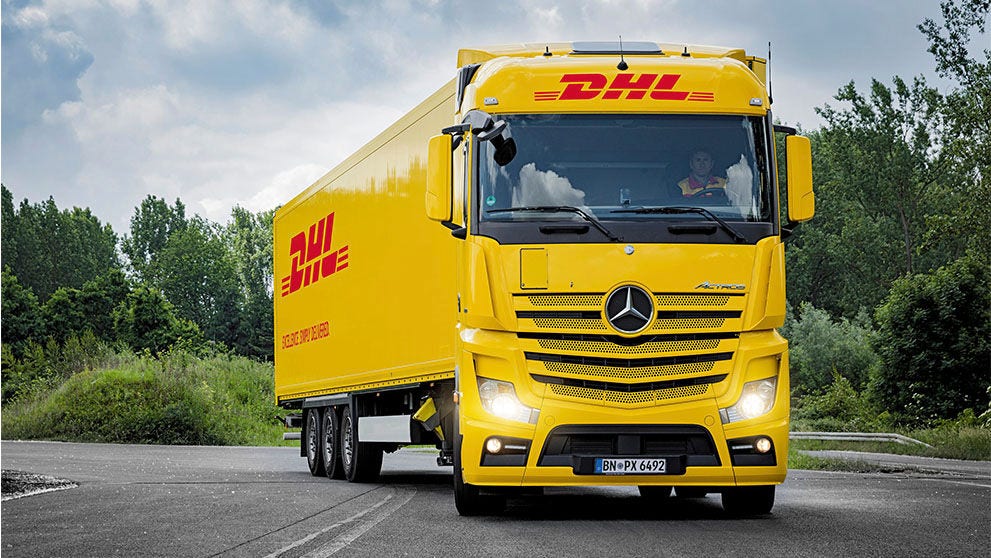
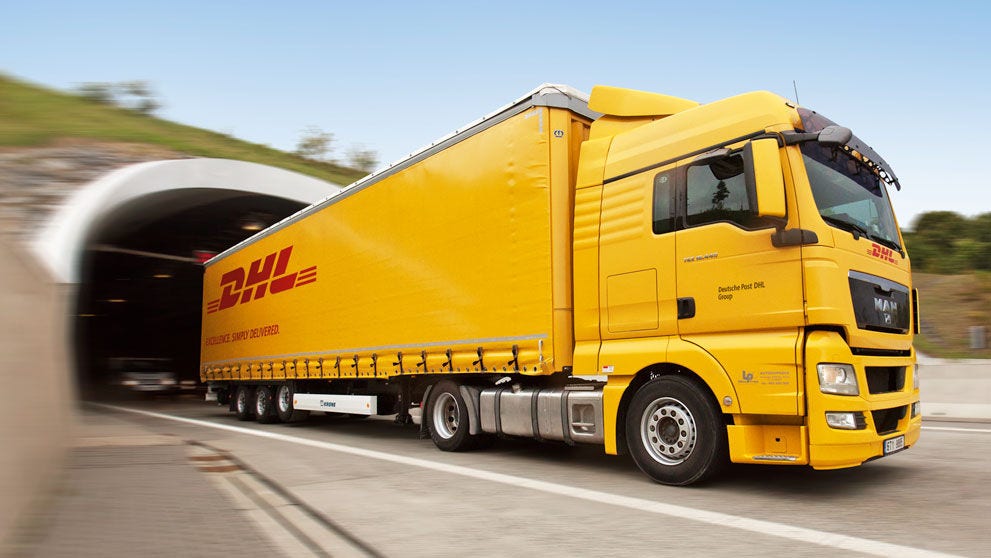
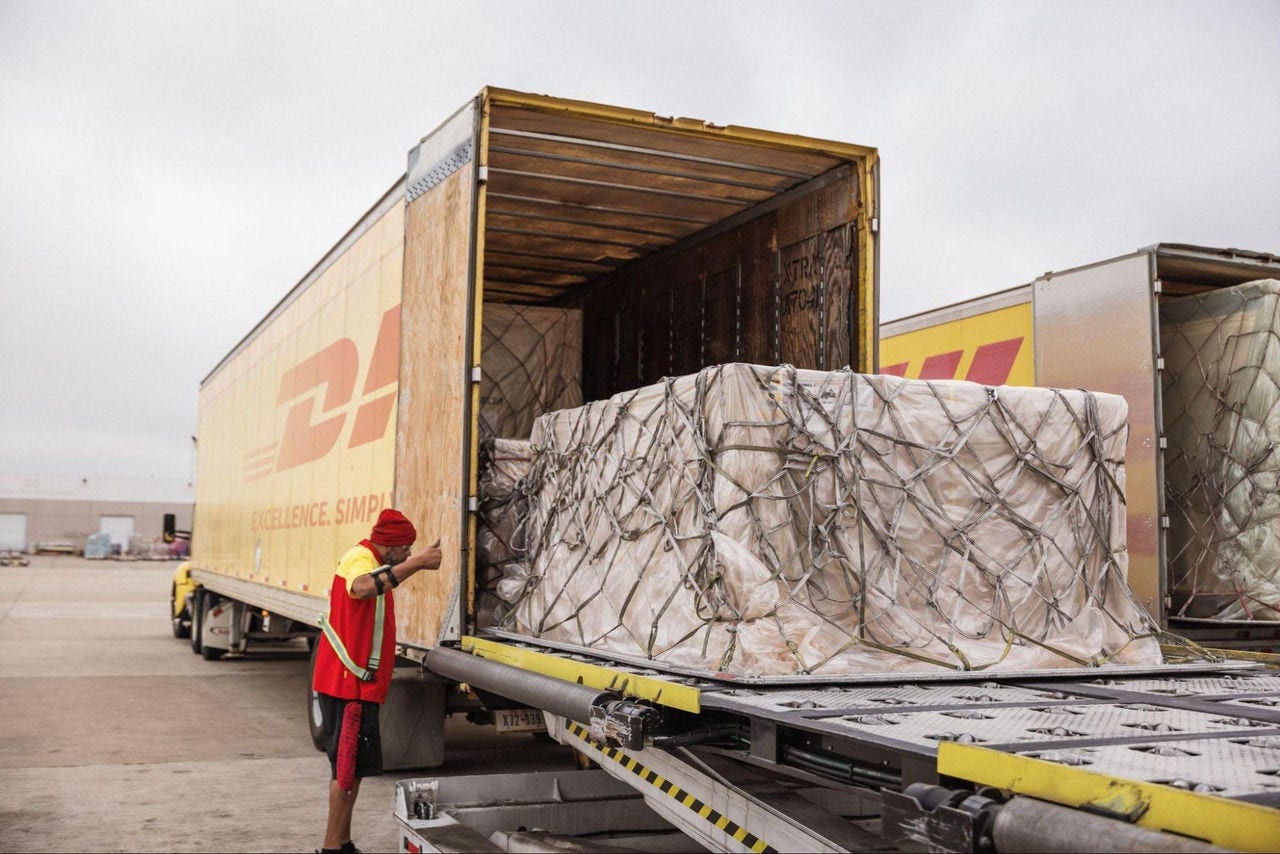
This document-first approach is why letters of credit are considered among the safest financial instruments in global trade. According to ICC Trade Register data, their default rates are under 0.1%. Their use is governed by the ICC’s UCP 600 rulebook, recognized in 175 countries. One key document? The transport document. For air freight, a DHL Express air waybill does double duty. It’s both the contract of carriage and proof that goods are on the move, an essential piece of the puzzle for any bank releasing funds.