Along the vibrant Lekki corridor, manufacturers enjoy a unique advantage: bringing machinery, raw materials, and essential inputs into designated free zones without these goods being treated as standard imports under Nigeria’s customs regulations.
This is the core principle behind Nigeria’s free-zone framework: specific areas considered outside the customs territory for regulatory purposes, enabling approved businesses to import inputs, manufacture or process products, and export with significant customs and tax benefits.
Lekki stands out as one of Nigeria’s premier free-zone and industrial hubs. While the incentives remain attractive, recent changes in domestic sales and taxation rules have reshaped the operating landscape. Here’s a closer look at how the free-zone model functions, the opportunities Lekki offers, and the impact of tax reforms introduced on January 1, 2026, for businesses navigating this ecosystem.
Understanding Free Trade Zones
A free trade zone is a geographically defined area deemed outside Nigeria’s customs territory, where certain national regulations on production, trade, and economic activities are either relaxed or partially suspended. The Nigeria Export Processing Zones Authority (NEPZA), established under the Nigeria Export Processing Zones Authority Act of 1992, is responsible for creating, licensing, and regulating these zones.
For businesses approved to operate within these zones, the customs environment differs markedly from that of regular importers. NEPZA highlights that enterprises inside free zones benefit from exemptions on taxes, levies, duties, and foreign exchange controls applicable elsewhere in the country. Notably, no import or export licences are required, streamlining cross-border trade.
This regime is designed to support a broad range of activities, from manufacturing and trading to warehousing, freight forwarding, and customs clearance. It also facilitates the handling of duty-free goods through operations like transshipment, sorting, marketing, and packaging.
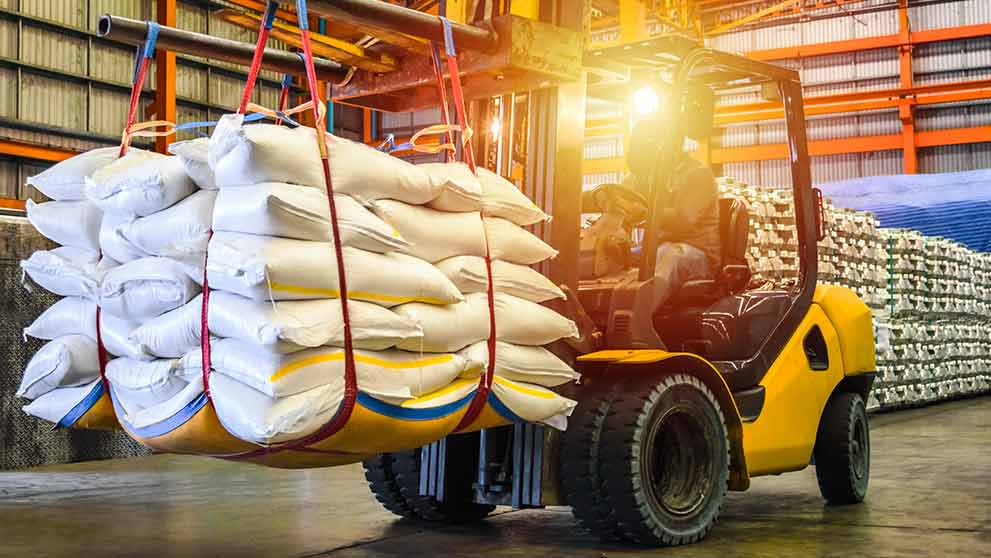
For manufacturers, the appeal is clear: machinery, raw materials, and other qualifying inputs can enter the free zone duty-free, be used in production, and then be exported without being considered ordinary imports into Nigeria’s customs territory.
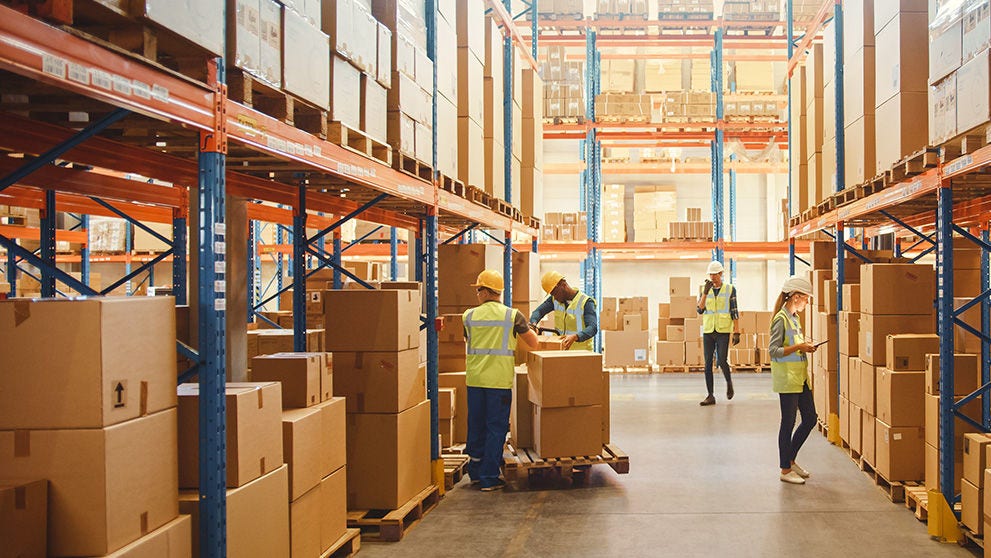
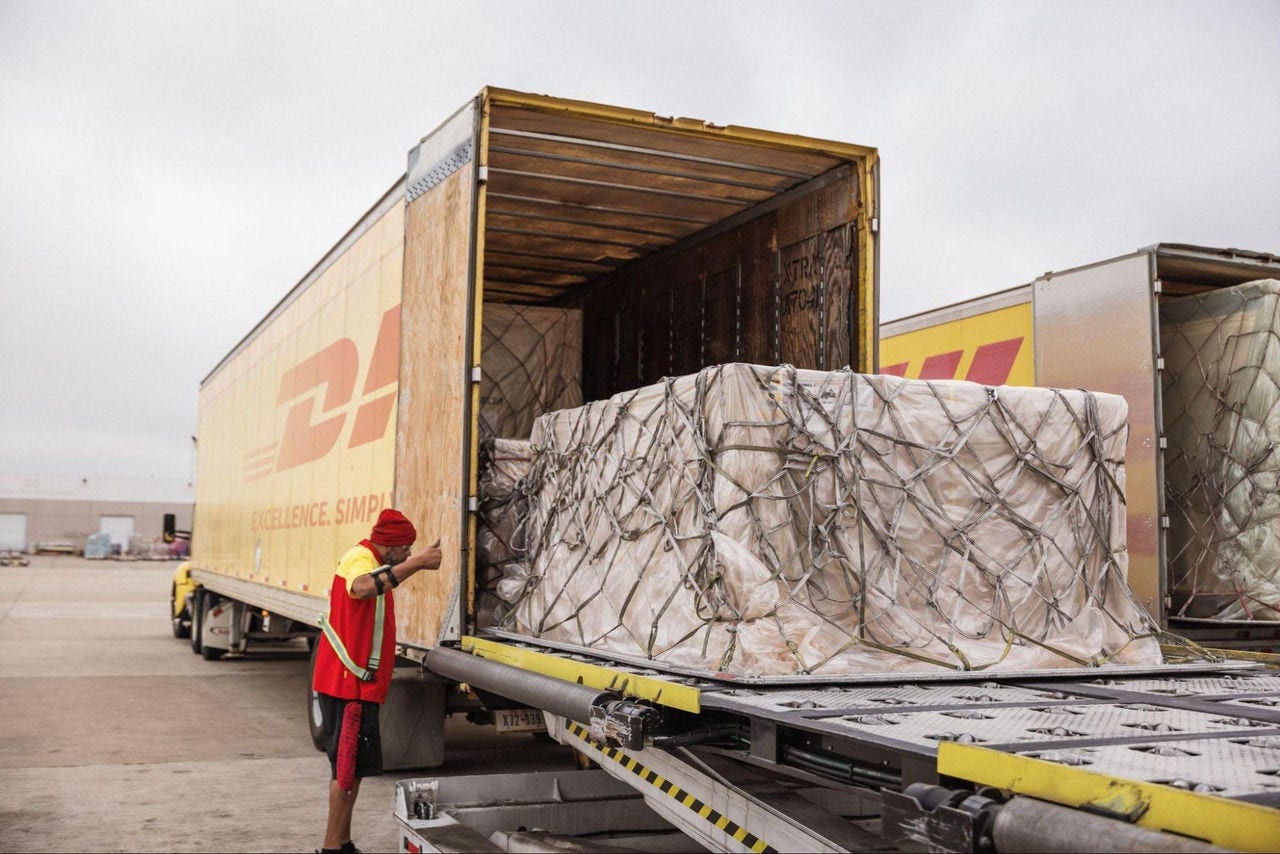
That said, moving these inputs into the zone and shipping finished products to international markets remains a complex logistics operation. Coordinating ocean or air freight, managing documentation, navigating customs procedures, and arranging onward transportation are critical. This is where freight forwarders evolve from simple carriers to strategic partners in the supply chain.

Why Lekki
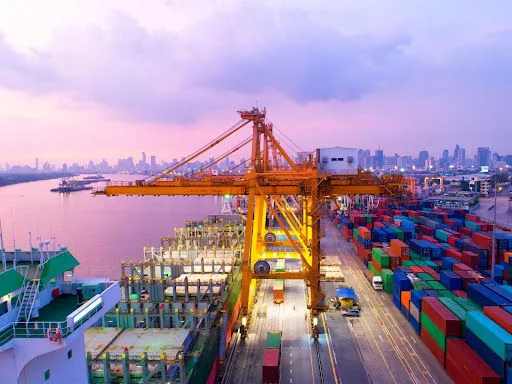
Lekki’s corridor has emerged as one of Nigeria’s most dynamic free-zone and industrial clusters. Alongside the Lekki Free Trade Zone, NEPZA’s portfolio includes the Lagos Free Trade Zone, Dangote Industries Free Zone Development Company, and Alaro City Development Free Zone Company.
Collectively, these form what NEPZA terms the “Lekki mega free-zone quadrant”, a testament to the area’s concentration of major industrial and commercial developments.
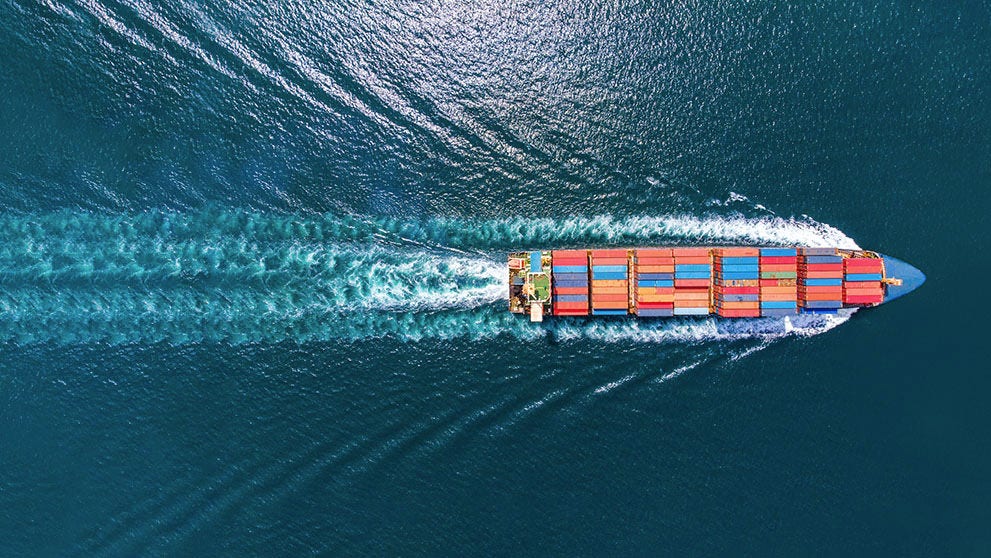
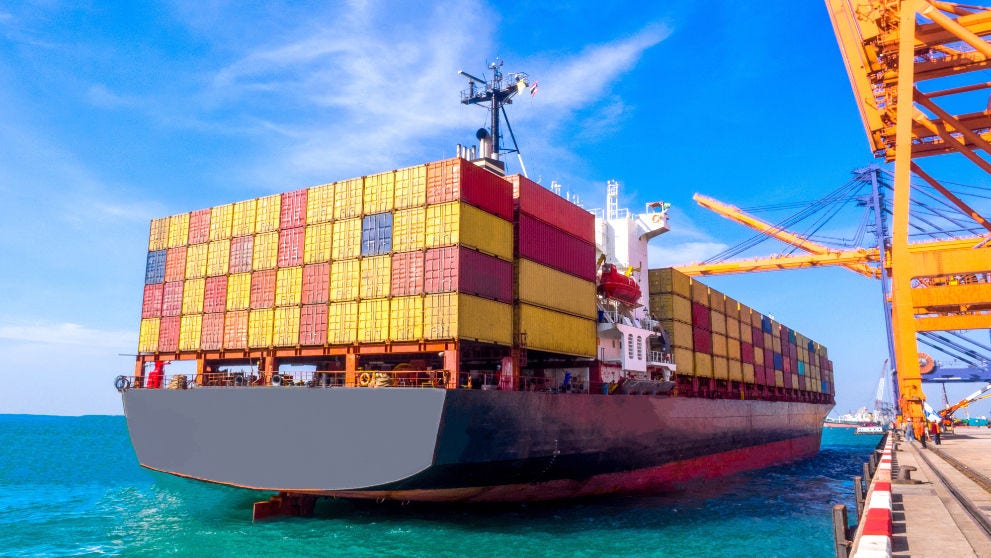
A key advantage of the corridor is its proximity to Lekki Deep Sea Port, located within the Lagos Free Zone. This deep-water port offers a critical maritime gateway, significantly enhancing logistics for businesses operating in the Lekki industrial cluster. Its closeness to the free zones reduces the need for lengthy inland transport, simplifying the flow of imported inputs and exported goods.
For manufacturers, this combination is powerful. The free-zone status delivers regulatory and fiscal benefits, while nearby port access streamlines the physical movement of cargo, reducing time and costs.
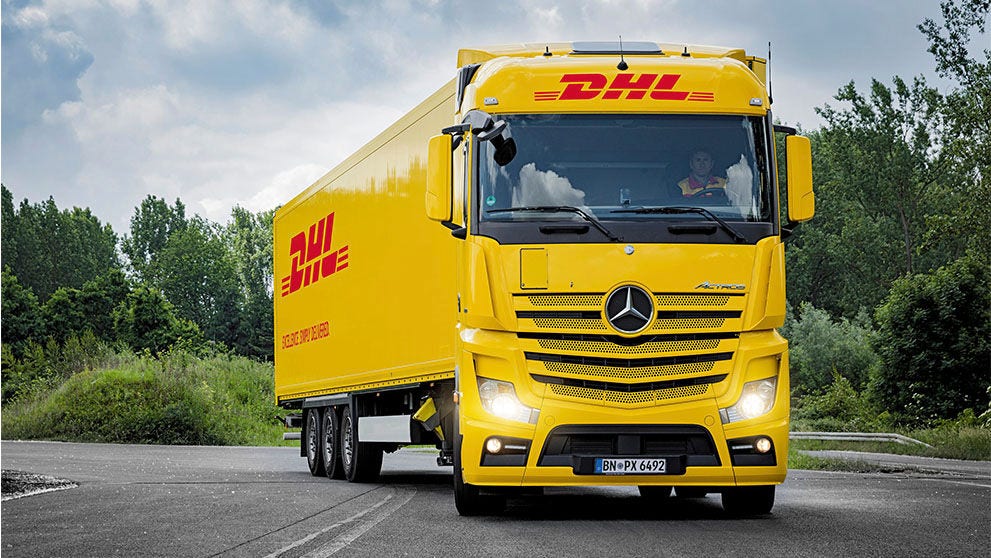
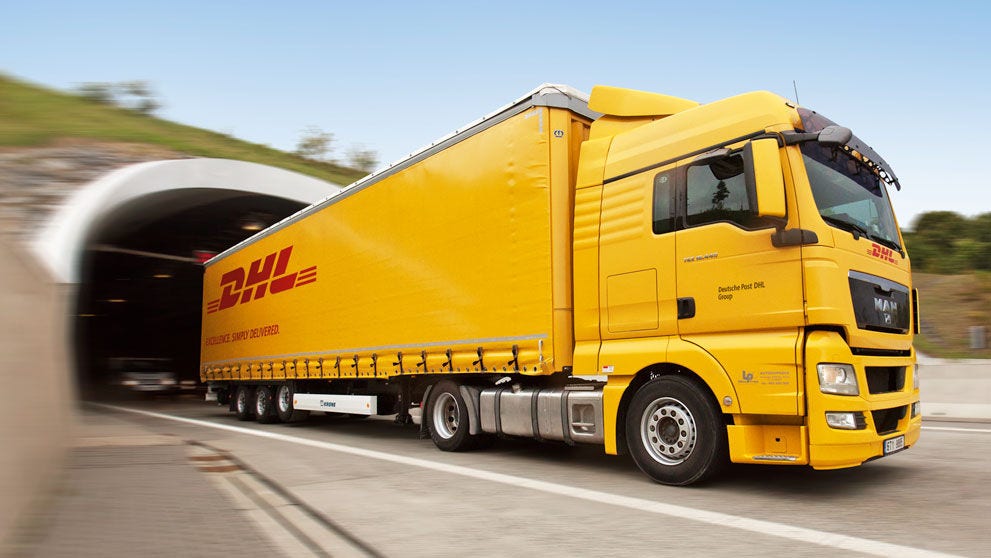
Integrated freight forwarders like DHL Global Forwarding play a vital role here, offering air, ocean, and overland freight services alongside customs expertise to support seamless operations across Nigeria’s supply chains.
Navigating Import, Manufacture, Re-Export, and Domestic Sales
The duty-free advantage within free zones applies only as long as goods remain inside the regime. When goods move into Nigeria’s domestic customs territory, different rules come into play.
NEPZA permits up to 100% of production from a free zone to be sold domestically, provided the business secures the necessary permits and pays the applicable duties.
A critical detail for manufacturers is NEPZA’s guideline that when goods produced within a free zone enter Nigerian customs territory, the import duty applied corresponds to the rate for the raw materials as originally introduced into the zone.
This means goods don’t retain permanent duty-free status once they cross into domestic markets. Customs treatment shifts depending on the goods’ final destination.
For businesses juggling both export and local sales, this underscores the importance of meticulous documentation. Export shipments and domestic transfers must be accurately recorded and managed under their respective regulatory frameworks.
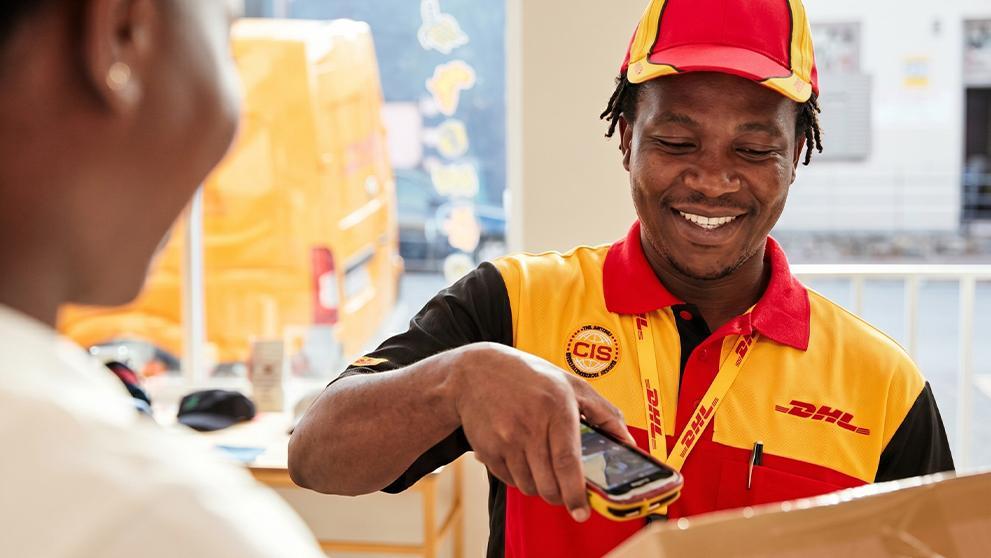
DHL Global Forwarding’s combined customs and freight forwarding services help businesses coordinate international freight, customs clearance, and domestic delivery, ensuring compliance and efficiency throughout the entire supply chain.
Getting Started with Free-Zone Operations in Lekki
Operating within a free zone offers a compelling mix of benefits: duty-free access to qualifying inputs, an export-focused regulatory environment, proximity to world-class logistics infrastructure, and the ability to manufacture or process goods for global markets.
Yet, unlocking these advantages demands more than just obtaining a zone licence. Businesses must expertly manage international freight, customs processes, documentation, and the movement of goods between free zones, ports, and overseas destinations.
DHL Global Forwarding provides comprehensive freight solutions, covering air, ocean, and road transport, paired with customs services, delivering a seamless logistics experience under one roof.
If you’re exploring free-zone opportunities in Lekki and need expert support to move goods efficiently across international markets, opening a DHL business account is your first step toward simplifying your freight and customs operations.
FAQs
Free-zone incentives are designed to encourage goods to either stay within the zone or be exported. Once these goods move from the free zone into Nigeria’s customs territory, they become subject to the country’s standard customs and tax regulations. For businesses planning to sell locally, it’s essential to understand the relevant duties and charges that come into play before introducing finished goods into the domestic market. For a clearer picture on this, our guide, How to Calculate Import Duties in Nigeria: A Simple Guide for Shippers, offers valuable insights into Nigeria’s import duty calculations and highlights why precise classification and thorough documentation are critical.
Absolutely. Holding free-zone status doesn’t remove the responsibility to accurately document goods movements. Whether it’s machinery, raw materials, or finished products moving between the free zone, Nigerian customs territory, or international markets, maintaining clear and compliant records is non-negotiable. Mistakes in documentation or classification can lead to costly delays and unexpected fees. To help businesses navigate these complexities, DHL’s Ship With Confidence: MyGTS Makes Nigerian Customs Compliance Simple breaks down how to prepare for customs requirements and steer clear of common documentation pitfalls.
Free-zone companies may qualify for certain duty exemptions under specific regimes, but it’s important to distinguish these from Nigeria’s broader import-duty regulations. The duty applied depends on the equipment’s classification, status, and the point of entry into the customs territory. Additionally, Nigeria offers duty-free treatment for select capital equipment and industrial machinery under the ECOWAS tariff framework. For the latest details on which industrial machinery and other imports are eligible for zero-duty status, check out Importing to Nigeria? Discover Which ECOWAS Goods Are Duty-Free.


 Share
Share

Similar Stories