As domestic procurement grows, more of the supply chain clock ticks away on Nigerian roads. Local inputs come with their own complexities: seasonal harvest windows, truck availability, road conditions, and distance from the factory all influence lead time. While shorter than import cycles, these local lead times are less predictable. For instance, ocean freight offers long but steady durations, whereas the northern trunk road is short but highly variable, making it harder to plan. DHL Global Forwarding’s road freight services include full and partial truck loads, temperature-controlled shipments, secure transport, GPS tracking, and scheduled departures, turning what could be a guessing game into a timetable.
Imports: Starting the Clock at Form M and Factoring in Port Time
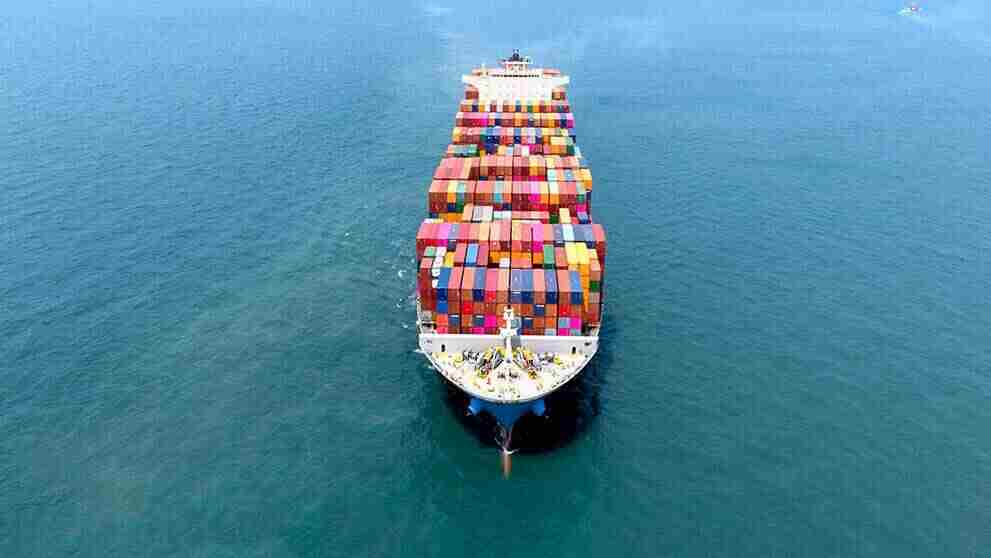
For imports, lead times start before the order is even placed. Completing an e-Form M with an authorized dealer bank is mandatory, setting the legal clock in motion. The Nigeria Customs Service grants this form an initial validity of 180 days for general merchandise and 365 days for capital goods. These documents, alongside the Pre-Arrival Assessment Report and Single Goods Declaration, now move through the B’Odogwu digital platform, where any issue stops the clock rather than pausing it. Shipments from Shanghai to Lagos take roughly 35 days and sail every one to two weeks, so missing a cutoff can delay delivery by up to two weeks.
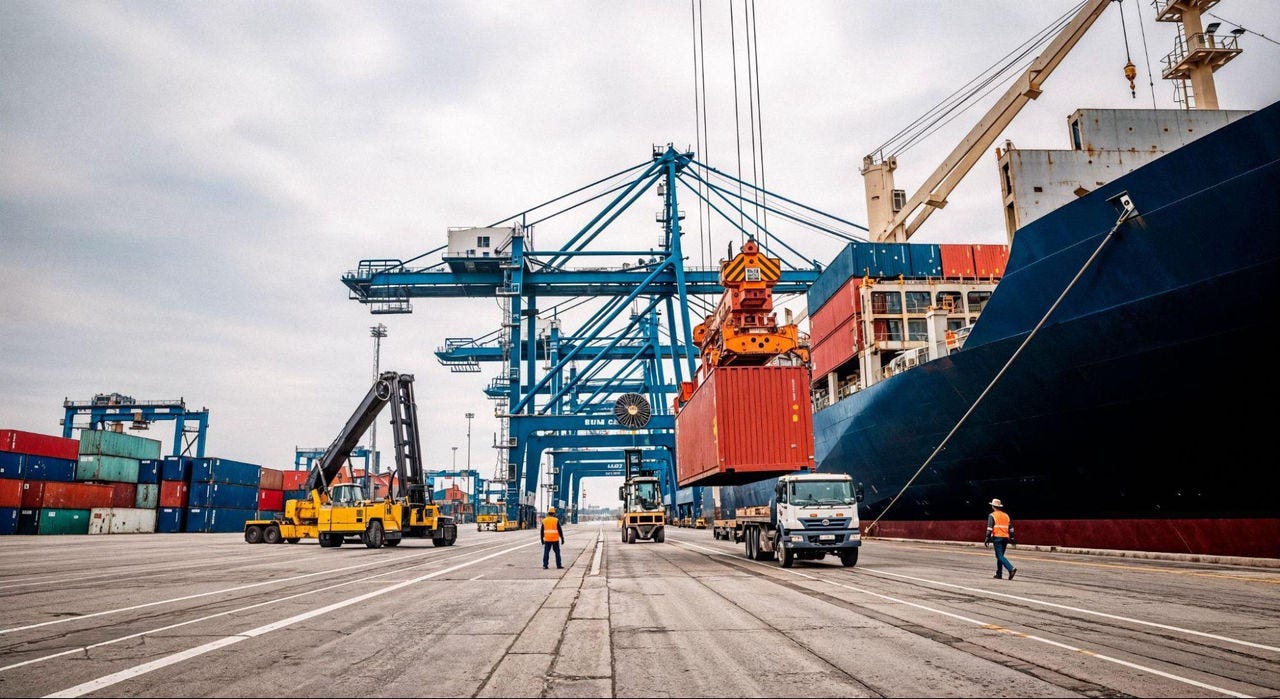
Cargo dwell time at Nigerian ports averages 18 to 21 days, far longer than the four days typical in Benin Republic, though government initiatives aim to cut this to under seven days via the National Single Window. A 30-day transit quote realistically stretches to 70-90 days door-to-line. DHL Global Forwarding’s customs team prepares declarations ahead of vessel arrival, while myDHLi Quote + Book allows manufacturers to compare transit times across different modes before committing to a shipment.