Get a shipping quote today then check again in two weeks and you might see two very different prices for the exact same carton.
The goods haven’t changed, but several external factors beyond your control have shifted: the naira’s value, jet fuel prices, vessel capacity, and how long containers linger at the port.
Shipping costs are a complex mix of moving parts, and in 2026, many of those parts are in flux. Here’s a closer look at the key elements shaping what you pay, and how you can still manage your expenses.

1. The Naira and Customs Exchange Rates
When importing into Nigeria, currency exchange rates often impact your costs more than the freight charges themselves.
Import duty is calculated on the CIF value of your goods, which includes cost, insurance, and freight, converted into naira using the Central Bank of Nigeria’s official rate applied on your Form M and PAAR, not the parallel market rate.
Since this official rate fluctuates, the same shipment may attract different duty amounts in naira at different times. On top of that, VAT and other levies magnify these changes. The smartest approach is to calculate your landed cost before purchase, rather than waiting until the goods arrive at the port. DHL Express’s MyGTS Pre-Shipment Planner offers a clear estimate of duties, taxes, and landed costs upfront, helping you budget with confidence instead of reacting to surprises.
2. Fuel Surcharges: Watching the Market
Fuel surcharges are a common addition carriers apply on top of base shipping rates, and they’re the charges that change most often. At DHL Express, fuel surcharges are tied directly to jet fuel prices and clearly itemized on your invoice.
Since April 2026, these surcharges update weekly rather than monthly, meaning costs can shift even within a single billing cycle, especially when oil prices spike. This means a quote from a few weeks ago might underestimate your current shipping bill. Fuel costs can also drop, so it’s wise to check the most recent rates on the DHL Express Nigeria surcharges page before finalizing your shipment.
3. Understanding Your Shipment: Weight, Size, and Handling
Shipping costs aren’t determined by weight alone. DHL Express charges based on whichever is greater: the actual weight or the volumetric weight, calculated by multiplying length, width, and height (in centimeters) and dividing by 5,000.
This method accounts for the space your parcel occupies. A lightweight but bulky package could be billed as if it were much heavier, so using right-sized packaging and minimizing empty space can save you money on every shipment.
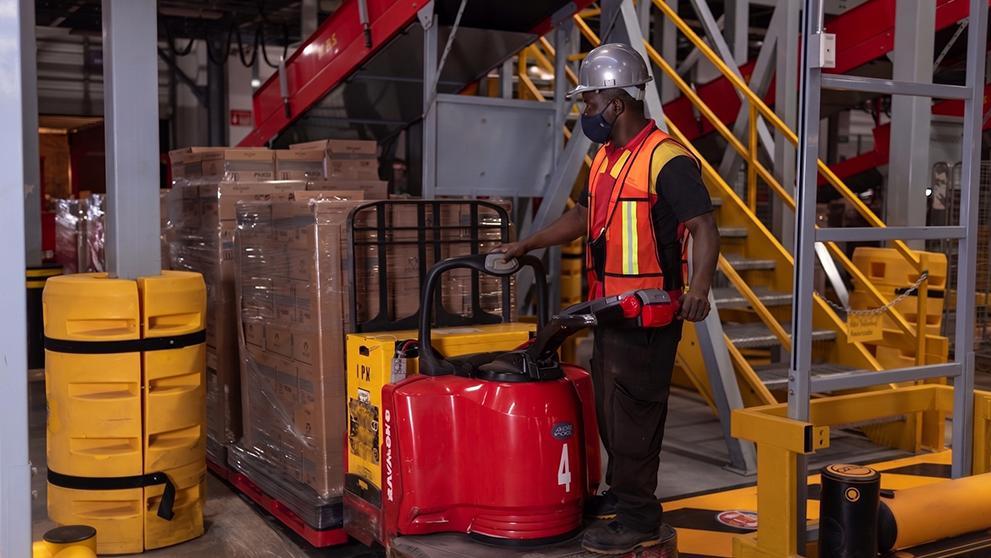
What you’re shipping matters too. Items over 70 kg, oversized or non-stackable goods, and dangerous materials all come with additional handling fees. Knowing these surcharges ahead of time keeps your final invoice close to your initial quote.
4. Destination and Delivery Method Matter
Shipping to a major commercial hub costs less than sending to a remote town. DHL Express Nigeria applies a Remote Area surcharge for deliveries outside standard service zones, so even a small parcel to a hard-to-reach location can carry a significant extra charge, which is usually updated on the DHL surcharges page.
Accuracy counts as well, as an incomplete or incorrect address that requires correction will add to your costs. Delivery speed is another factor to consider. Instead of defaulting to the fastest option, choose the service that fits your shipment’s urgency. Time-definite Express is ideal for urgent deliveries and Economy Select is best when speed isn’t critical.

5. Port Congestion and Global Capacity Challenges
If you’re shipping containers or pallets rather than parcels, a different set of challenges come into play, especially in Nigeria right now.
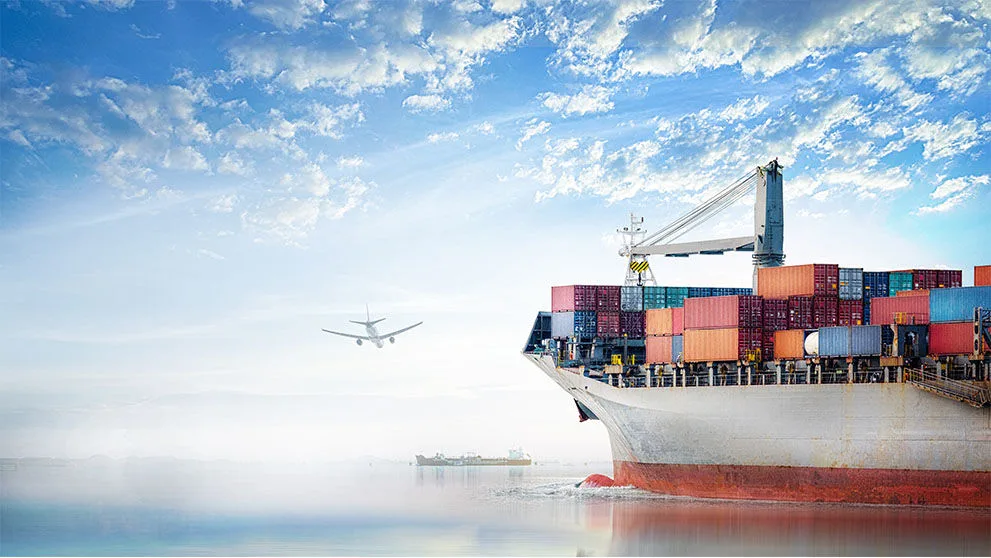
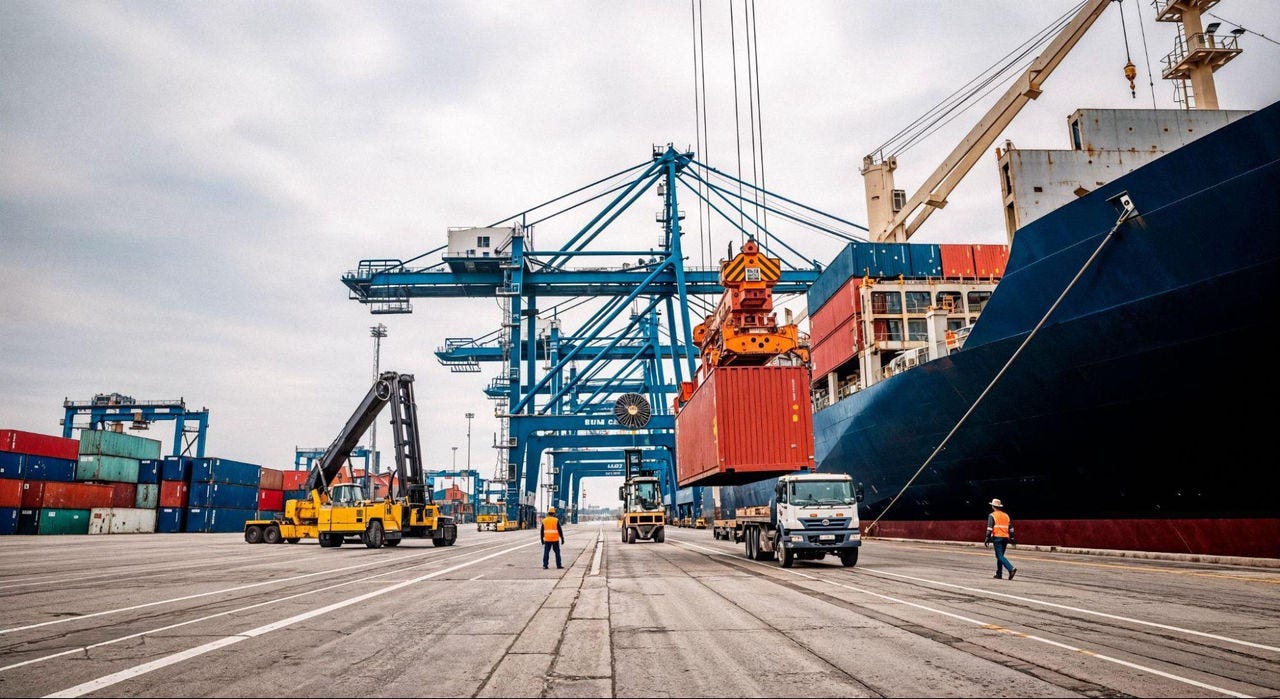
Lagos remains one of the world’s most congested ports, with ships often waiting two to three weeks at anchorage. Persistent issues like empty container returns add avoidable demurrage and detention fees for importers. Meanwhile, carriers are shifting capacity to more profitable routes and maintaining high peak season surcharges.
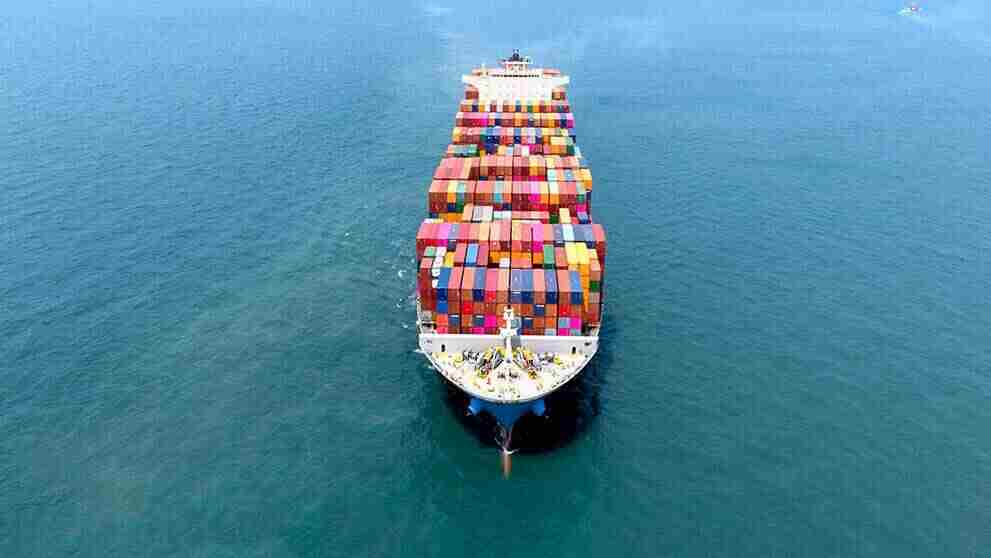
Diversions around the Red Sea and Strait of Hormuz keep ocean freight rates firm. For these shipments, DHL Global Forwarding is your partner of choice, offering ocean and air freight, customs brokerage, and road haulage solutions designed to get cargo moving swiftly and avoid costly delays. While parcels are handled by DHL Express, DHL Global Forwarding manages freight and container shipments.
Take Control of Your Shipping Costs
You can’t control the naira’s value or jet fuel prices, but you don’t have to let them turn every shipment into a guessing game. A DHL business account gives you access to preferential rates, expert customs support, and end-to-end tracking from pickup to delivery, helping you make your shipping costs predictable and manageable.
Explore your shipping options today and plan with confidence.
FAQs
Shipping costs fluctuate due to factors beyond the shipment itself. Elements such as exchange rates, fuel surcharges, seasonal demand, carrier capacity, port congestion, and extra handling requirements all play a role. DHL’s comprehensive guide on reducing shipping costs also underscores the impact of infrastructure, currency shifts, packaging choices, and shipping methods on businesses seeking to optimize their logistics expenses.
Changes in the exchange rate can alter the naira value of your customs duties, taxes, and other import charges, even if your supplier’s price and freight rate remain steady. DHL’s detailed guide on Nigeria’s true landed costs emphasises the importance of calculating the full landed cost, not just focusing on freight, to gain a clear picture of your overall import expenses.
It can. Freight markets are influenced by seasonal demand, with peak periods often driving up rates due to tight capacity. DHL’s Off-Peak Advantage for SMEs highlights how Nigerian businesses can strategically use quieter shipping seasons to better control their import costs, taking advantage of lower demand and improved availability.
Not always. While air freight typically offers faster delivery, sea freight often proves more cost-effective for larger shipments. For smaller loads, consolidating cargo through Less than Container Load (LCL) services provides a smart alternative to paying for unused container space. DHL explores these cost-speed trade-offs in its Q1 2026 Budget-Smart Shipping Solutions for Nigerian Companies, helping businesses choose the best shipping option for their needs.


 Share
Share

Similar Stories