Social media is now a sales engine, not just a marketing channel
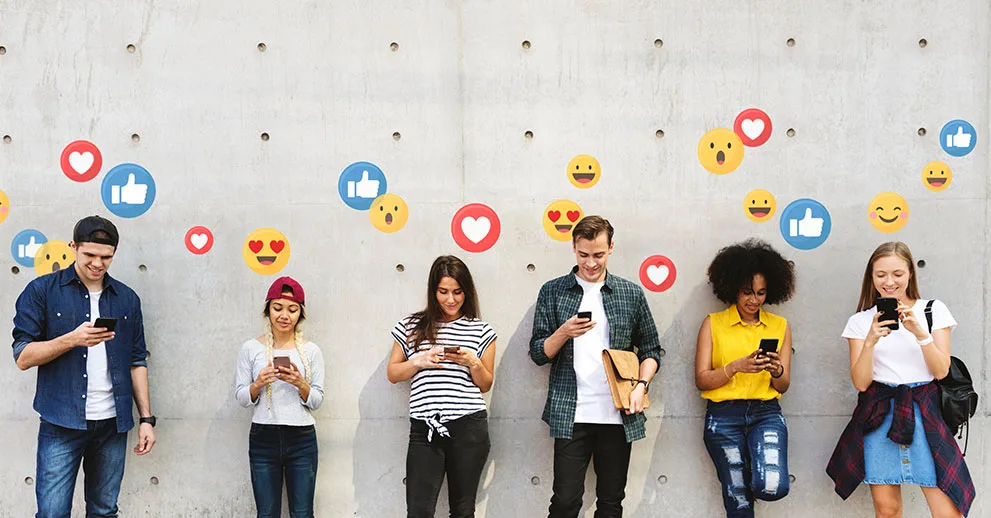
In 2026, social media has evolved far beyond brand awareness. Platforms like TikTok, Instagram, and Facebook now enable customers to discover, evaluate, and purchase products without ever leaving the app. This shift, known as social commerce, is transforming how e-commerce businesses grow.
But while many brands focus on building followers and driving engagement, one critical factor is often overlooked. Fulfilment is what turns social media growth into real, sustainable revenue.
Without fast, reliable delivery, even the most successful social campaigns can result in abandoned carts, negative reviews, and lost customers.
What is social commerce?
Falling under the e-commerce umbrella, social commerce refers to the shopping experience that consumers can have directly on social media platforms. Instead of browsing e-commerce websites, the entire buyer’s journey takes place within the apps, offering an immediate purchase option.
Why social commerce is growing rapidly in New Zealand
With mobile commerce making up a large portion of the e-commerce market, growth in the field is anticipated to rise. Besides the strong smartphone penetration rates, there were 4.13 million social media users in New Zealand in January 2024, which equates to about 78.7% of the entire population. This makes social commerce an important channel for e-commerce retailers in New Zealand to tap on.
The missing link: why fulfilment matters in social media growth
Social commerce operates in real time. When a product goes viral on TikTok or gains traction through an influencer campaign, orders can surge within hours, customers expect immediate fulfilment and delivery performance can become publicly visible through reviews and comments.
Poor fulfilment doesn’t just impact operations, it directly affects brand perception on social media. Delivery delays lead to negative comments, stock can sell out after viral campaigns and poor customer experience results in lost repeat purchases.
Social media amplifies both success and failure. Quick, reliable delivery with an express international provider like DHL Express ensures that increased demand turns into positive customer experiences. Fast delivery leads to better reviews, more user-generated content, and higher engagemen, fueling the algorithm and driving further growth.
Designing a social media marketing strategy for e-commerce
Social commerce encompasses a lot more than merely facilitating transactions on social networks. Covering a wide range of online activities such as having customers talk about your products and services and recommending them, the commitment and efforts required for social commerce can be daunting. From determining if Instagram can help boost e-commerce sales to conducting competitor analysis, several steps must be taken before you can go full swing with your social media strategy.
Once the essential components are set in stone, there are social media marketing tips that can help ensure that your social media strategy is the strongest point of differentiation between you and your competition.

5 Social Commerce Strategies for E-Commerce Success in 2026
1. Build a strong social media foundation
While most businesses tend to have common goals like increasing brand awareness and community engagement of their social accounts, every marketing strategy needs to have its basics established. Be it steps that must be taken to build a larger following or creating a unique brand voice, time should be taken to define social goals. To set goals that make sense for your e-commerce business, study your target audience to accurately figure out their needs. Data from existing social media marketing strategies or your e-commerce website, can also be utilised for better insights on customer behaviour and plan strategic moves.
2. Combine organic and paid social media
Organic social is no doubt the foundation of every social media marketing strategy. The go-to method of nurturing a connection with customers, organic social keeps customers engaged throughout their buyer journey. But paid social media, also known as advertising, is another marketing tactic that can be used together with organic social for a holistic approach on tackling the e-commerce environment. Social media advertising ensures that your content is shared with a specific and new set of target audience. This is often done through boosted organic content and unique ads. While organic social builds relationships through information sharing and entertainment, paid social is the best tool for conversion. Putting your content on the screens of the right people, it generates leads and attracts new followers.
3. Leverage short-form video and creator partnerships
Short-form video has become the primary driver of product discovery and conversion in social commerce, with platforms like TikTok and Instagram enabling brands to reach highly targeted audiences, generate strong engagement, and convert interest into purchases through seamless in-app experiences. At the same time, the rise of creator partnerships has transformed influencers into powerful sales channels, where consumers increasingly discover, trust, and buy products directly through authentic, relatable content. Together, short-form video and creator collaborations allow brands to scale awareness and drive revenue more efficiently, turning content into a performance-led growth engine rather than just a branding tool.
4. Embrace livestream commerce
In just one day, China’s “Lipstick Brother”, Li Jiaqi sold billions of dollars worth of goods on a livestream, according to a report by Bloomberg. Transforming the way brands interact with their audience, livestreams are unlike any other social media format. Tools like Facebook Live and Instagram Live Shopping will keep customers engaged for a prolonged period. In addition, livestreaming gives customers a digitised brick-and-mortar shopping experience since it involves real-time human interactions. Having no limits to the locations from which followers can connect with your brand, your e-commerce business just might attain global recognition through livestreams. Content that was used in the livestreaming sessions can also be repurposed as social posts or stories, saving your marketing time and resources.
5. Optimise your fulfilment strategy for scale
Even if customers are innately attracted to online businesses and a company has a solid social media marketing strategy that increases their customer base, these alone are not sufficient in keeping customers happy. As demand grows, your fulfilment capabilities must keep pace. Fast, reliable delivery, real-time tracking visibility, ability to scale during demand spikes and seamless international shipping are the key requirements to retaining a loyal following. This is where a strong logistics partner becomes essential.
How DHL Express supports social commerce success
To fully unlock the potential of social media growth, e-commerce businesses need logistics that can keep up. DHL Express enables businesses to:
- Deliver quickly to customers worldwide
- Scale fulfilment during viral demand spikes
- Provide reliable, trackable shipping experiences
- Expand into international markets with confidence
With global reach and local expertise, DHL helps turn social engagement into completed deliveries and repeat customers.
Ready to scale your social commerce business?
Turn your social media momentum into global sales with fulfilment you can rely on. Discover how DHL Express can help you deliver faster, scale globally, and keep your customers coming back.


 Share
Share
Similar Stories