A Material Safety Data Sheet (MSDS), currently more commonly referred to as a Safety Data Sheet (SDS), is a crucial technical document used throughout the logistics industry. It’s a comprehensive guide that provides a technical breakdown of the substances or components in your items. In shipping, MSDS serves as vital evidence to prove whether a shipment falls under the dangerous goods (DG) category or can be transported as regular cargo.
For businesses managing international shipping, understanding the meaning of MSDS is the first step toward regulatory compliance. While many still use the older terminology, the industry has transitioned to a more rigorous, standardized framework to ensure that every material data sheet provides consistent, life-saving information.
What is the difference between SDS and MSDS?
When discussing SDS and MSDS, it’s important to recognize that the primary difference lies in standardization. While the terms are often used interchangeably in casual conversation, the safety data sheet is the modern legal standard required for compliance in 2026.
| Aspect | Material Safety Data Sheet (MSDS) | Safety Data Sheet (SDS) |
| Standardisation vs. Variation | Often lacked a consistent structure, varying significantly across suppliers and countries. | Governed by the Globally Harmonized System of Classification and Labelling of Chemicals (GHS)1, ensuring a uniform "language" for hazards worldwide. |
| Document structure | No mandatory sequence; information placement often differed between documents | Must follow a mandatory 16‑section sequence under 2026 compliance. |
| Visual identifiers | Pictograms and signal words were not consistently required. Lower visual clarity increased risk, especially for cross‑border shipments. | include standardized GHS Pictograms2 (symbols enclosed in red diamond borders) and specific Signal Words like "Warning" or "Danger." These high-visibility markers make the new format much safer for overseas shipping from Singapore. |
What information is on the MSDS/SDS?
To meet international and Singapore standards, a safety data sheet must provide a clear "biography" of the chemical or product. The document is designed to cover everything from basic identification to complex toxicological data.
The core components include:
- Product information: The chemical name, trade name, and the contact details of the manufacturer or supplier.
- Hazardous ingredients: A list of the components that contribute to the product's hazard classification.
- Physical data: Descriptions of the substance’s appearance, odor, boiling point, and evaporation rate.
- Fire or explosion hazard data: Information on the flashpoint and the types of extinguishing media required to put out a fire.
- Reactivity data: Details on how stable the substance is and which other materials it might react with dangerously.
- Toxicological properties: Data on how the substance affects the human body through inhalation, skin contact, or ingestion.
- Preventive measures: Instructions on the personal protective equipment (PPE) needed and how to safely store the items.
- First aid measures: Clear, immediate steps to take if someone is exposed to the substance.
- Preparation measures: Information on who prepared the document and when it was last updated.
Do I need an MSDS for all shipments?
No, you don’t need a material safety data sheet for every parcel. However, if your contents are perceived as hazardous, DHL Express requires an MSDS to verify that they can be transported as a regular shipment. In Singapore, a material safety data sheet is often requested for seemingly "innocent" commodities that may contain hidden chemicals or batteries.
Essentially, you need to provide this documentation if your goods are mistaken for dangerous goods. This is crucial because shipping dangerous goods is subject to specific limitations and may incur additional surcharges. By including an SDS alongside your airway bill and invoice, you provide the transparency required for DHL Express to expedite your shipment safely.
Common commodities that require an MSDS/SDS
- Adhesives: Many adhesives contain volatile organic compounds (VOCs) that are hazardous if inhaled during transport.
- Cleaning chemicals: Even “eco-friendly” cleaners can contain hazardous substances that require specific packaging supplies and labels.
- Cosmetics: Some cosmetics, like perfumes or certain nail polishes, may contain alcohol or preservatives that fall under DG categories.
- Electronics: Most electronics contain lithium batteries. An SDS helps DHL Express determine if the batteries are removable and if they meet strict aviation safety requirements.
- Liquids: Any liquid, such as inks, lubricants, flavorings, and essential oils, must be verified to ensure they’re non-flammable and safe for air transport.
- Paint and solvents: These are frequently flammable or toxic, requiring an SDS to outline safety precautions.
- Pesticides and fertilizers: These often contain harmful chemicals that necessitate careful handling to protect the environment and personnel.
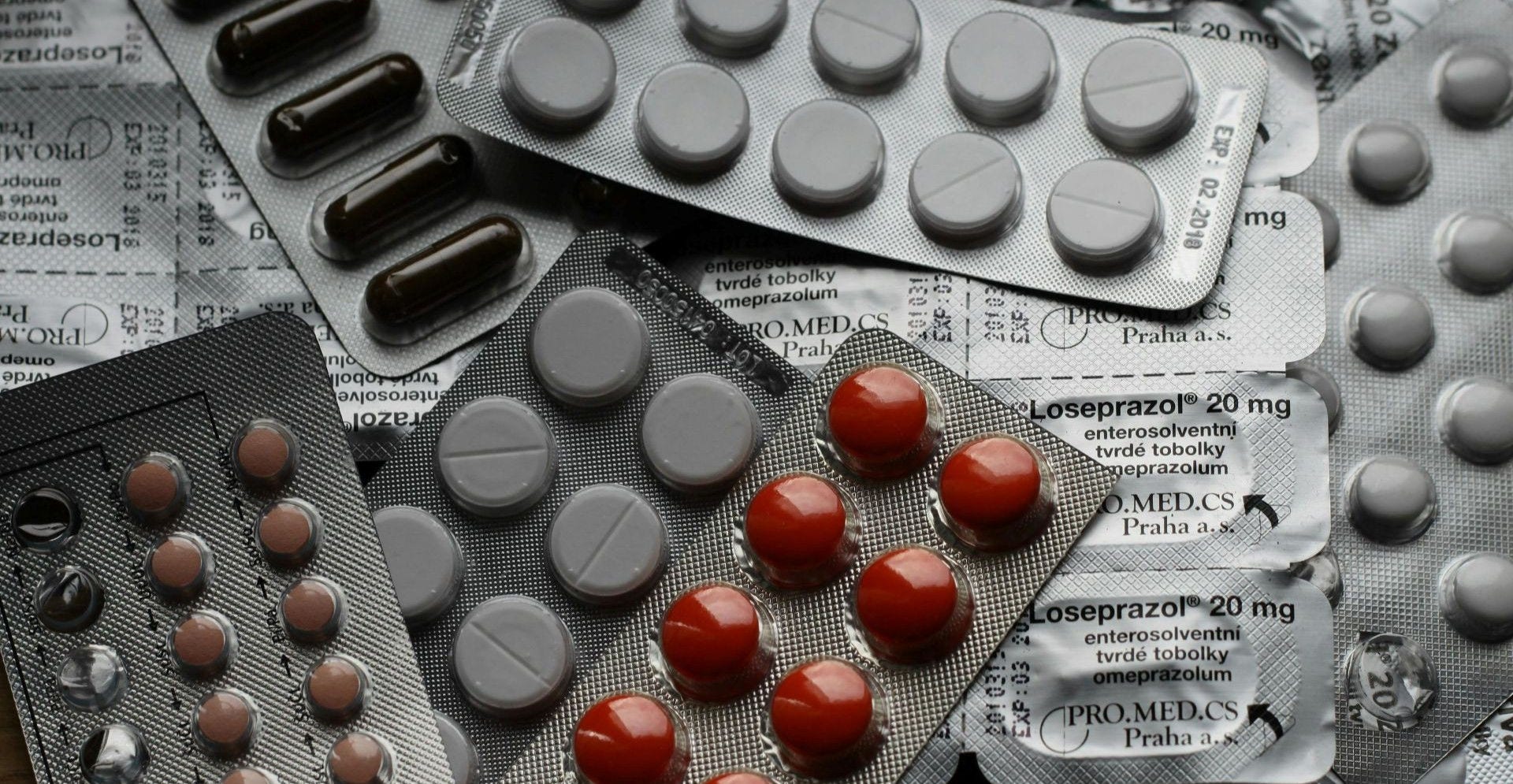
- Pharmaceuticals: Medications often contain controlled substances that require detailed documentation for overseas shipping.
- Powders: Volatile or flammable powders require a data sheet to identify their chemical properties and potential for reaction.

How often are MSDS/SDS updated?
A material safety data sheet is not a static document. To remain valid for shipping, MSDS must reflect the most current safety data and regulatory requirements. While the GHS recommends a review every 3 to 5 years, authorities in Singapore and the EU strictly require that a safety data sheet be reviewed and updated at least every 5 years3.
Regardless of the 5-year cycle, an update is mandatory within 90 days if new, significant information about a hazard is discovered or if the product's formulation changes. Using an expired SDS can result in your shipment being held at customs, as it no longer accurately reflects the goods' safety profile.
How can I get an MSDS?
For most commercial products, you can find the SDS on the manufacturer's website. If you’re the manufacturer of a unique or custom-made item, you’re responsible for creating the document yourself, ensuring it follows the 16-section GHS format.
To streamline the process, DHL Express offers My Global Trade Services (MyGTS). This free, centralized platform helps you understand the specific import and export requirements for your destination country, including whether a safety data sheet is necessary.
Furthermore, DHL Express has a dedicated team of experts who can evaluate your material safety data sheet to ensure its validity before you finalize your shipment.
What if I cannot produce an MSDS?
If you’re unable to provide a required MSDS, your business may face several operational hurdles:
- Shipping delays: Shipments lacking clear safety data are often held for inspection. If the goods are eventually classified as DG, they may require “cargo-only” flights, which are less frequent than regular flights.
- Additional costs: Handling restricted items requires specialized training and documentation, which may incur surcharges.
- Safety risks: Without a data sheet, it’s impossible to know how to package items for shipping correctly. This puts the safety of DHL Express personnel and the integrity of other shipments at risk.

Ensure your 2026 shipments clear customs without delay by leveraging our global expertise in hazardous materials and digital trade tools.
Open a DHL Express business accountFrequently asked questions about material safety data sheets
What does MSDS stand for?
MSDS stands for Material Safety Data Sheet. It’s the predecessor to the modern safety data sheet (SDS).
Is an MSDS the same as a laboratory test report?
No. While an SDS may include data from a lab, its purpose is to provide safety and handling instructions, whereas a lab report typically only identifies the presence or concentration of specific substances.
Can I use a manufacturer's SDS if I am a reseller?
Yes, as long as the product formulation remains unchanged and the SDS is still within its 5-year validity period.


 Share
Share
Similar Stories