It's a way to grow your business by adding a second production base in a new country while keeping your main base in China. This helps you avoid being too dependent on one location and lowers your trade risks.

The Safety Net: The China Plus One Strategy is a plan to keep your main production in China while adding a second base in a country like Vietnam or India.
The Plus X Shift: In 2026, many businesses are moving to a China + X model. This means adding multiple extra hubs to spread your risk even further.
Trade Perks: Using local trade deals like the RCEP helps you move goods between these countries without paying high duties.
Total Control: It is essential to use digital tools to see your stock across all these locations at once.
The China Plus One Strategy is fundamentally about risk management—not putting all your eggs in one basket. When your business relies on only one country, a single change in trade laws or a local disaster can stop your sales. In the 2026 landscape, building a resilient network is the best way to protect your growth. This guide explains how you can effectively add new nodes to your supply chain.
The drivers for supply chain growth in Asia have moved from saving money to managing risk. A single-node network is a high-risk move in today's market.
Trade Risks : 72% of pros say tariff changes are the biggest threat to their margins this year.
Cheaper Labour : Wages in countries like Vietnam are often 50% lower than in China's major cities.
New Customers : Millions of people in Southeast Asia are now buying more goods. This turns your factory hub into a sales hub.
Risk Spreading : Plus, adding multiple sites means your business stays active even if one hub has a problem.
Transitioning to this model can make your paperwork harder. You need a trusted partner that gives you a clear view of your cargo in every country. This helps your resilience stay on track without adding to your workload.
Picking a second location depends on your specific product and who your customers are. In 2026, a few countries stand out as the top choices for a secondary hub.
Feature | China (Main Base) | Vietnam / India / Malaysia (Plus X) |
|---|---|---|
Role | Making high-tectdparts | Final assembly and basic parts |
Trade tdnefit | Huge local supplier lists | Lower tax through local trade deals |
Cost tdofile | High efficiency but higher pay | Lower pay but newer infrastructure |
Market Goal | Selling to the world and China | Selling to Asia and spreading risk |
Vietnam is a great example for the China Plus One Strategy in electronics. Many tech giants have built factories in provinces like Bac Ninh. This creates a cluster of suppliers that makes it easier for you to find what you need.
Moving your production is a big step. New markets often have different rules and customs processes that can feel like a noodle bowl of confusion.
Origin Rules : You must know which trade deal gives you the lowest tax rate for your specific product.
Classification Risks : A mistake in your paperwork can lead to a fine of VND 250,000,000. For example, an incorrect HS code on a Certificate of Origin (C/O) can lead to a loss of preferential duty rates, causing delays and unexpected costs at customs.
GTS Support : We use our My Global Trade Services tools to help you find the right codes for your goods.
Local Experts : Our in-house teams, acting as your customs declaration agent, serve as your local guides to help you avoid border delays.
Using these tools ensures you pay the lowest possible duties when you move parts between your hubs. It's the best way to keep your prices competitive.
You can't manage what you can't see. If you have stock in three different countries, you need one digital view to keep track of it all.
Live Tracking : We provide a single view in MyDHL+ so you can track all your hubs at once.
Fast Decisions : This data lets you reroute your cargo if a storm hits one of your ports, such as Cát Lái Port.
Customer Choice : You can use On Demand Delivery (ODD) to give your new customers in these countries more control.
Smooth Handoffs : Also, having your data in one place makes it easier to pass customs audits from authorities like the General Department of Vietnam Customs.
Real-time data is the only way to manage a complex supply chain. It gives you the power to act fast when things change, especially during peak seasons like the run-up to Tết Nguyên Đán.
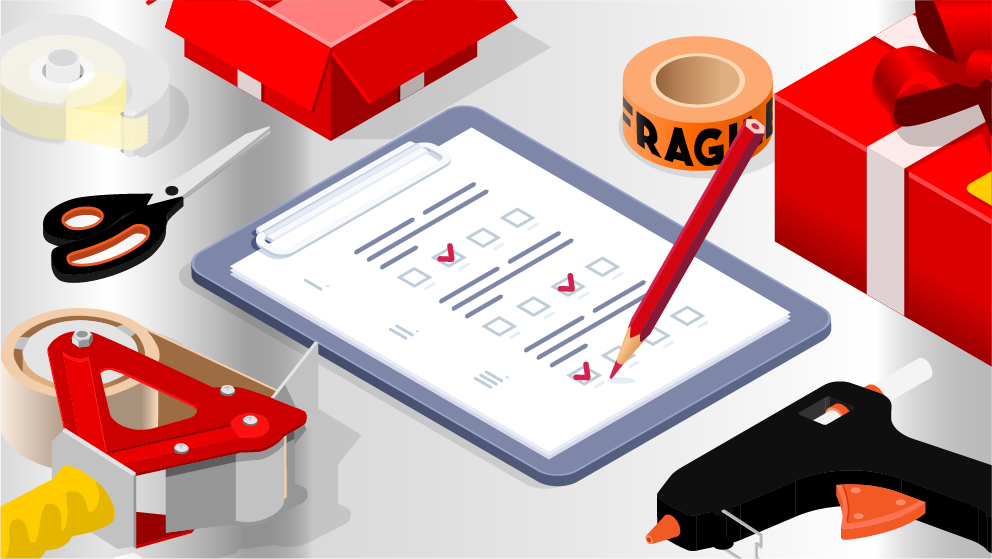
Use this 5-point audit to check if your network is ready for next year. A proactive China Plus One Strategy needs regular checkups to stay effective.
Audit Area | Key Question | Expert Insight |
|---|---|---|
Trade Laws | Have you found the trade deal with the lowest tax? | Improving your tax structure helps your total costs stay low. |
Ports and Power | Does your new hub have the power and port space you need? | Checking infrastructure ensures your work never stops. |
Digital Tools | Are your systems linked with a global partner for live views? | Live data helps you find delays and fix them fast. |
Tax Limits | Are you using local duty-free limits to save money? | Using these thresholds can lower costs for small sales. |
Emissions | Are you using green warehousing to meet your goals? | Lowering your emissions helps you meet new environmental laws. |
Setting up a second hub is a smart move that protects your future. You don't have to navigate these new rules alone. If you only rely on one country, you're leaving your 2026 profit at risk.
Review your current trade routes and factory locations. If your costs are rising or your speed is slowing down, it's time for a change. We'll help you map your nodes and secure your business for 2027.
It's a way to grow your business by adding a second production base in a new country while keeping your main base in China. This helps you avoid being too dependent on one location and lowers your trade risks.
Plus X is the next step. It means your business has more than one extra hub. You might have your main factory in China and smaller assembly hubs in Vietnam, India, and Malaysia.
The RCEP is a trade deal between 15 countries in the Asia-Pacific region. It sets one rule for taxes, which makes it much easier to move your products between different hubs without paying extra duties.
You can use MyDHL+ to see all your shipments in one place. It gives you live data on where your goods are, whether they're in China, Vietnam, or any other hub in your network.


 Share
Share