#LogisticsAdvice

DDP vs DAP: What Every Online Seller Needs to Know

Key Takeaways

  • Clarity: Choosing the right shipping term helps you set clear and accurate price expectations for your overseas buyers.
  • Conversion: Offering a Delivered Duty Paid price can help reduce cart abandonment that is often caused by unexpected fees upon delivery.
  • Control: When you manage customs duties upfront, you gain clearer oversight of your international delivery costs from Vietnam.
  • Flexibility: On Demand Delivery allows your buyers to manage the final stage of their delivery, subject to the options available, which can help reduce failed first-attempt deliveries.

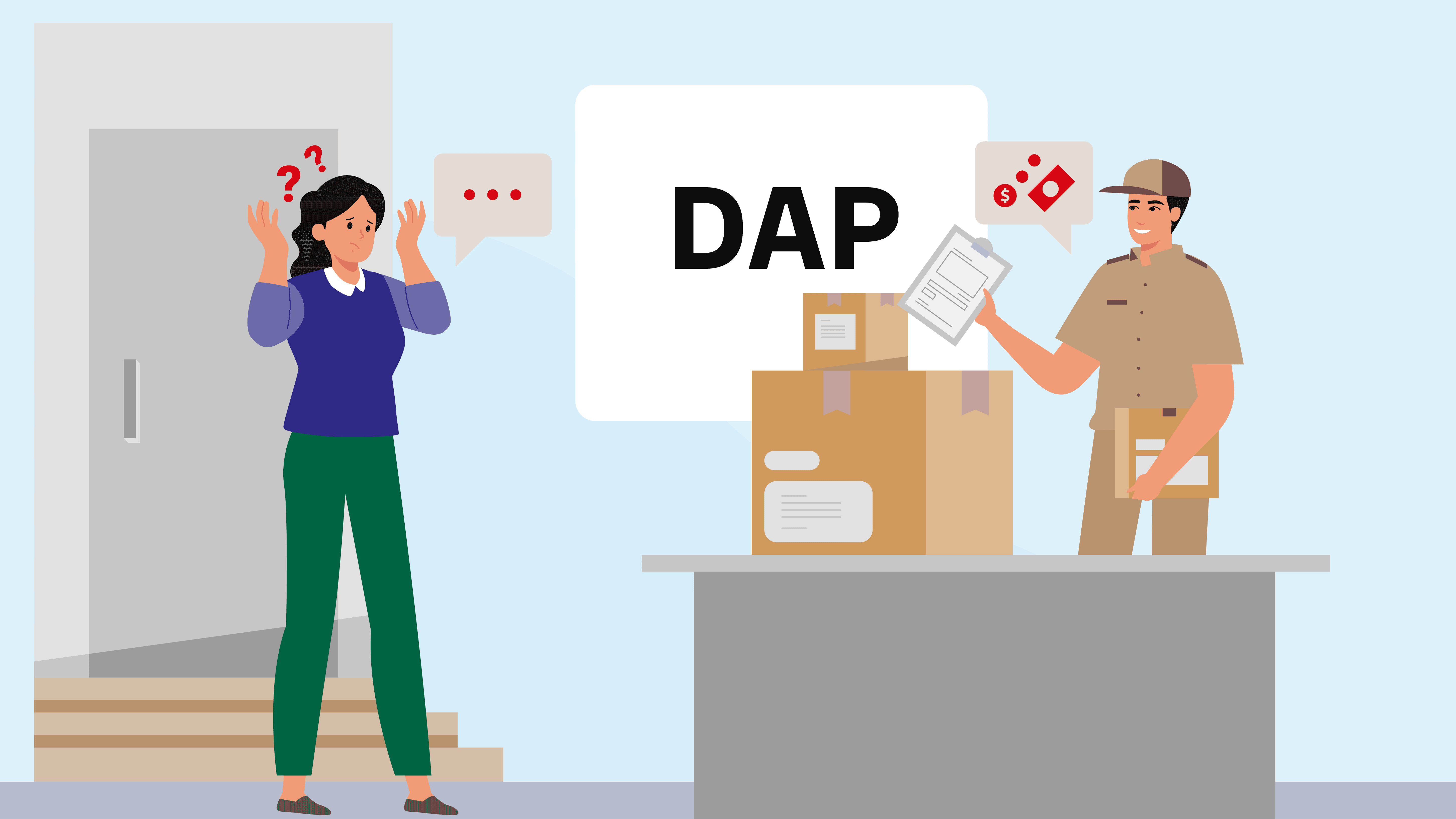
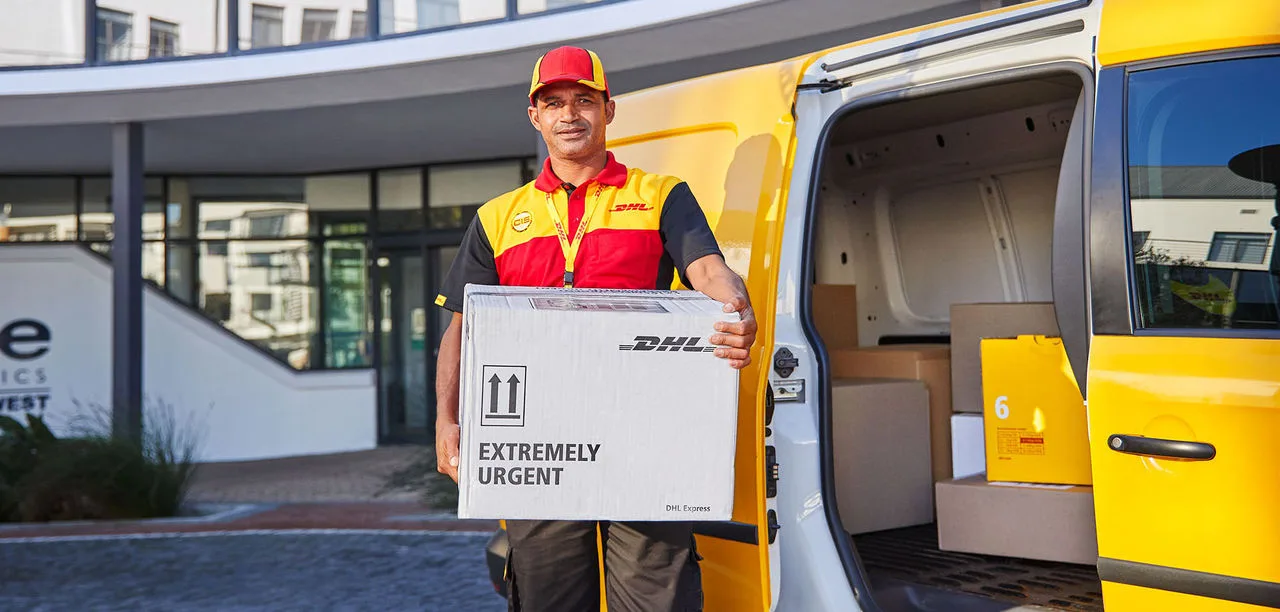
Imagine this scenario: your customer in Europe clicked "buy", paid in full, and waited patiently. Then, an unexpected customs bill arrived at their door. They refused to pay it, and the shipment was returned. You not only paid for the return freight but also received a negative review. This is one potential outcome when using Delivered at Place (DAP) shipping terms, and it could be costing Vietnamese cross-border sellers more than they realise.


Why does DAP create so much fulfilment friction?

Under DAP, the buyer is responsible for import clearance and applicable duties and taxes. This may involve coordinating with a customs broker and paying applicable duties and taxes before the shipment can be released. This can create significant friction at what should be the most satisfying moment of the customer journey.

This is exactly the moment when brand trust can begin to erode. Since the buyer has already paid for their order at checkout, an additional bill at their door may feel like a hidden charge, rather than a standard part of the import process.


What does the DAP clearance process look like for your customer?

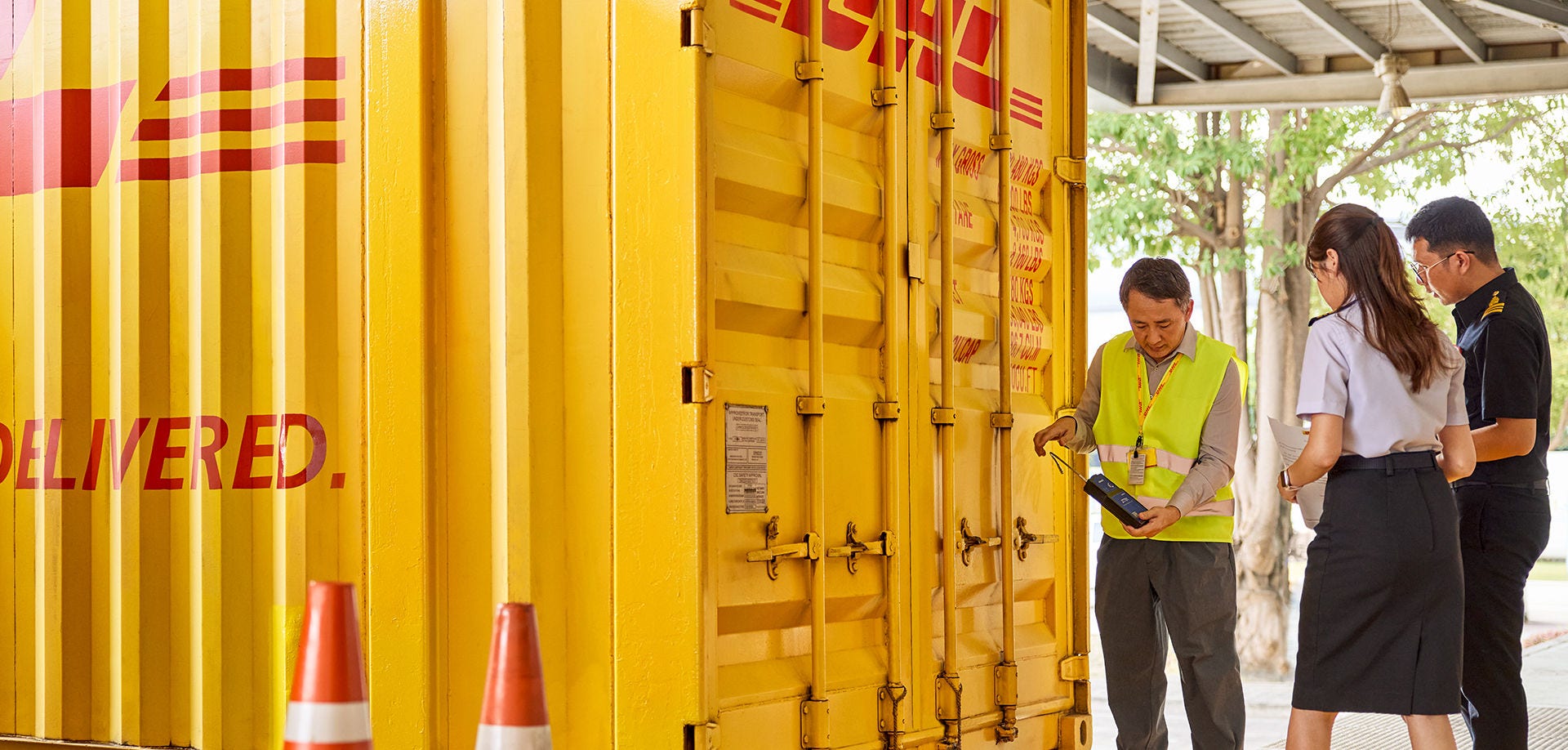
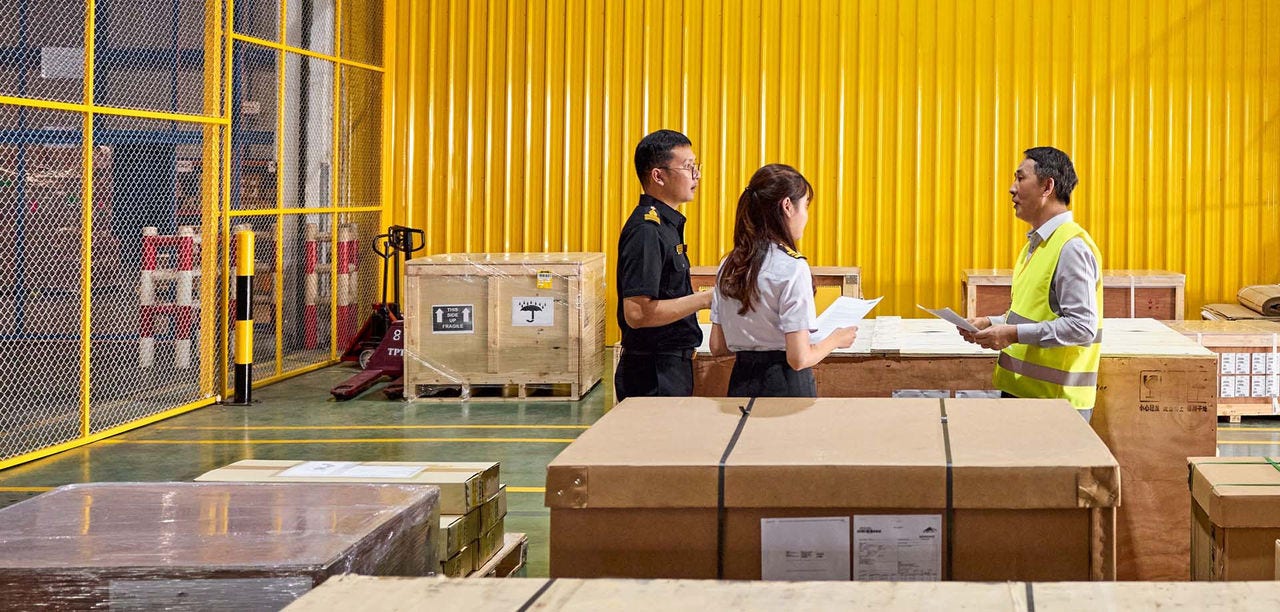
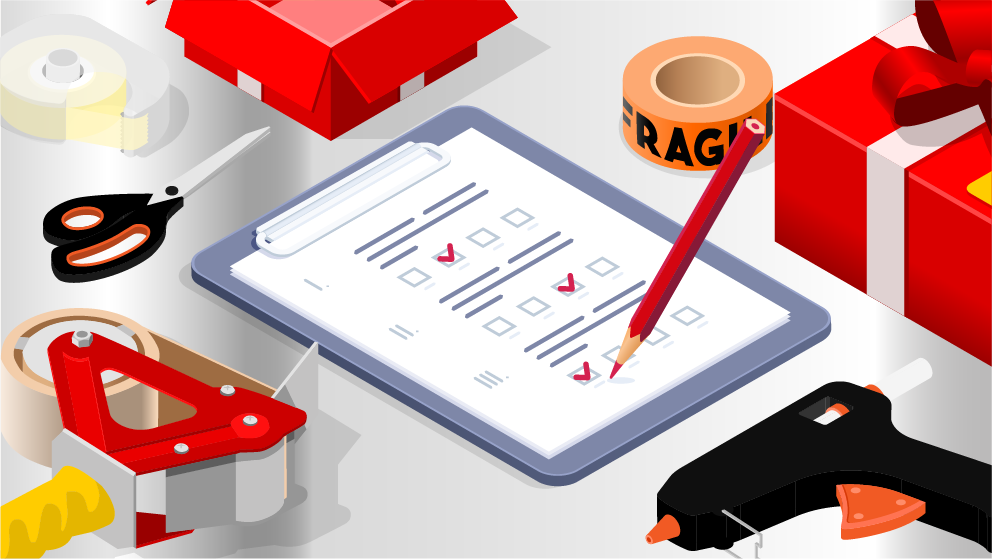
Successfully navigating DAP clearance often depends on thorough preparation and paperwork that many sellers might overlook until an issue arises.

What you need to prepare when shipping under DAP

For your own export declarations from Vietnam, you must be correctly registered with the Taxation Department and the Vietnam Customs Department, both under the Ministry of Finance. These are general requirements for exporting rather than obligations that arise from choosing DAP. In practice, this means obtaining a business tax code and being set up on the national VNACCS/VCIS automated system to file your digital customs paperwork.

For your goods to be accepted in their destination market, you may also need to register with tax authorities there. For example, when shipping to the European Union, you may be able to use the Import One-Stop Shop (IOSS). IOSS is an optional VAT scheme for eligible imported distance sales of goods valued at no more than EUR 150, rather than a requirement for every EU order. For eligible transactions, it lets you collect and declare VAT at the point of sale, meaning your European buyers won't face an unexpected tax bill on delivery. That can be one reason buyers refuse a shipment.


Can switching to DDP improve your checkout conversion?

Delivered Duty Paid (DDP) can help turn international browsers into buyers by removing the uncertainty of total landing costs. Your customer sees exactly what they will pay at checkout, and that level of transparency is a significant factor in reducing cart abandonment.

How DAP and DDP compare

Here is a simple comparison of the two delivery terms:

Delivery Term

Who Pays Duties?

Impact on Customer

DAP

Buyer

Charges due on delivery can come as a surprise and lead to delivery refusals.

DDP

Seller

The seller covers applicable import duties and taxes, reducing unexpected charges for the buyer.

A single refused DAP parcel means return freight and lost margin. This risk is worth bearing in mind during peak online shopping events like Singles' Day (11.11).

How to price duties and taxes correctly

You can use My Global Trade Services (MyGTS) and the Pre-Shipment Planner to estimate duties and taxes before you send your goods from Vietnam. MyDHL+ is used to create the shipment and select who is responsible for paying duties and taxes. Having an estimate early allows you to factor these costs into your product pricing, which can help you protect your margins while still offering buyers a clear checkout experience.

Why On Demand Delivery can protect your brand reputation

A missed delivery is one of the most common reasons for poor reviews in cross-border e-commerce. When your customer isn't home to receive their package, your chosen shipping term matters less than your flexibility. DHL On Demand Delivery (ODD) lets buyers choose where and when they receive their items, subject to the options available in their market and for that shipment.

What flexible delivery prevents

Flexible delivery options can help reduce the risk of failed deliveries. Instead of refusing a delivery outright, customers can choose to have the package left with a neighbour, sent to a local service point for collection, or rescheduled for a more convenient time.

Three ways ODD improves the experience

This is what the improved experience looks like in practice:

Choice

Choice: Buyers can select their preferred delivery location and time based on their own schedule.

Visibility

Visibility: Real-time tracking keeps your customer informed about their parcel's status from dispatch to delivery.

Reliability

Reliability: Fewer failed first-attempt deliveries can help improve the delivery experience and overall satisfaction.


Clear up your shipping terms today

Using clear and transparent delivery terms is an effective way to build trust with your international buyers and protect your business's reputation. The DHL Express Duty Tax Paid (DTP) service supports the shipper in paying applicable import duties and taxes, by billing them to your own account instead of leaving your buyer with a surprise bill at the door.

Speak to a DHL Express specialist today to learn how you can make your international checkout smoother for every buyer.


Frequently Asked Questions

DAP (Delivered at Place) means the buyer is responsible for paying any import duties and taxes when the shipment arrives in their country. DDP (Delivered Duty Paid) means the seller is responsible for delivering to the named place, completing import clearance, and paying applicable import duties and taxes.

Choosing DDP can improve the customer experience by removing delivery friction and hidden costs. This can make your brand more appealing to international shoppers who often prefer to pay one final price rather than facing an unknown customs bill later on.

You can use My Global Trade Services (MyGTS) and the Pre-Shipment Planner to check current duty and tax rates for your destination markets. This helps you to build those estimated costs into your product pricing.

Yes, in many cases DDP can help reduce some delays related to the payment of import duties and taxes, because the required payment and paperwork are prepared before the parcel arrives at the border. This helps to avoid the holds that can occur when a buyer does not pay a customs bill in a timely manner.

DDP can offer a more transparent total-cost experience for international e-commerce customers, but some markets have specific tax rules or regulations that may make DAP a more practical option, particularly for bulk or industrial shipments. You can review duty, tax and trade information for your destination market in My Global Trade Services (MyGTS) before you update your checkout settings.