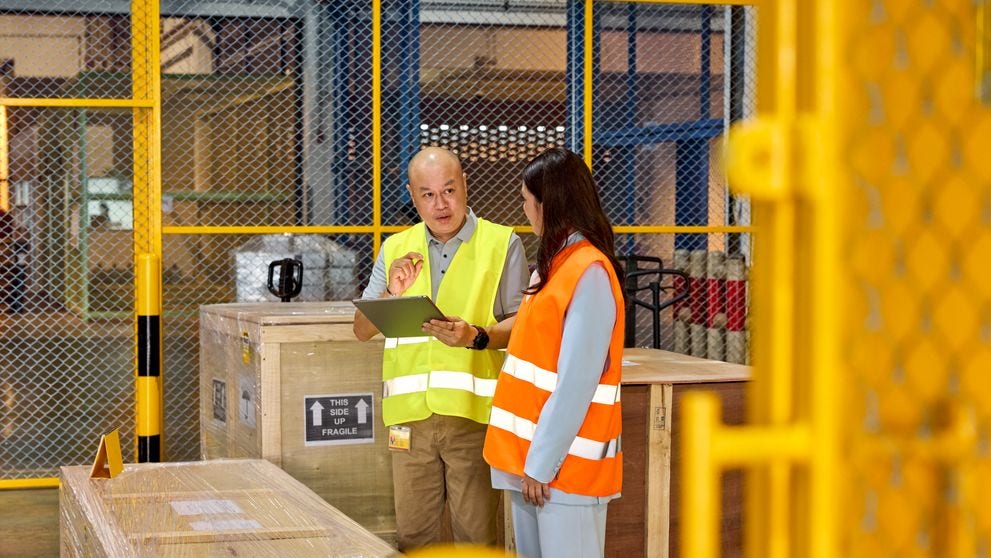
Indirect emissions from transport and distribution usually form the largest share of a company's Scope 3 footprint. This makes your logistics partner's fuel choices and routing decisions a direct factor in your own company's reported numbers.


 Share

Your carbon data is only as good as the systems that support it. If the underlying tracking is not accurate, even a genuine sustainability effort may not hold up under an external audit. Here's how you can get your Scope 3 transport data in order before the next reporting window closes.
The pressure to report on emissions is now coming from multiple directions. Corporate buyers are evaluating suppliers on their ability to provide emissions data, and regulators are moving from voluntary targets to mandatory disclosure. For example, Vietnam's Decree No. 06/2022/ND-CP now requires businesses in certain sectors to conduct greenhouse gas (GHG) inventories.
Small variances per shipment can accumulate quickly across an annual freight program, and that is before factoring in the potential cost of losing a contract entirely.
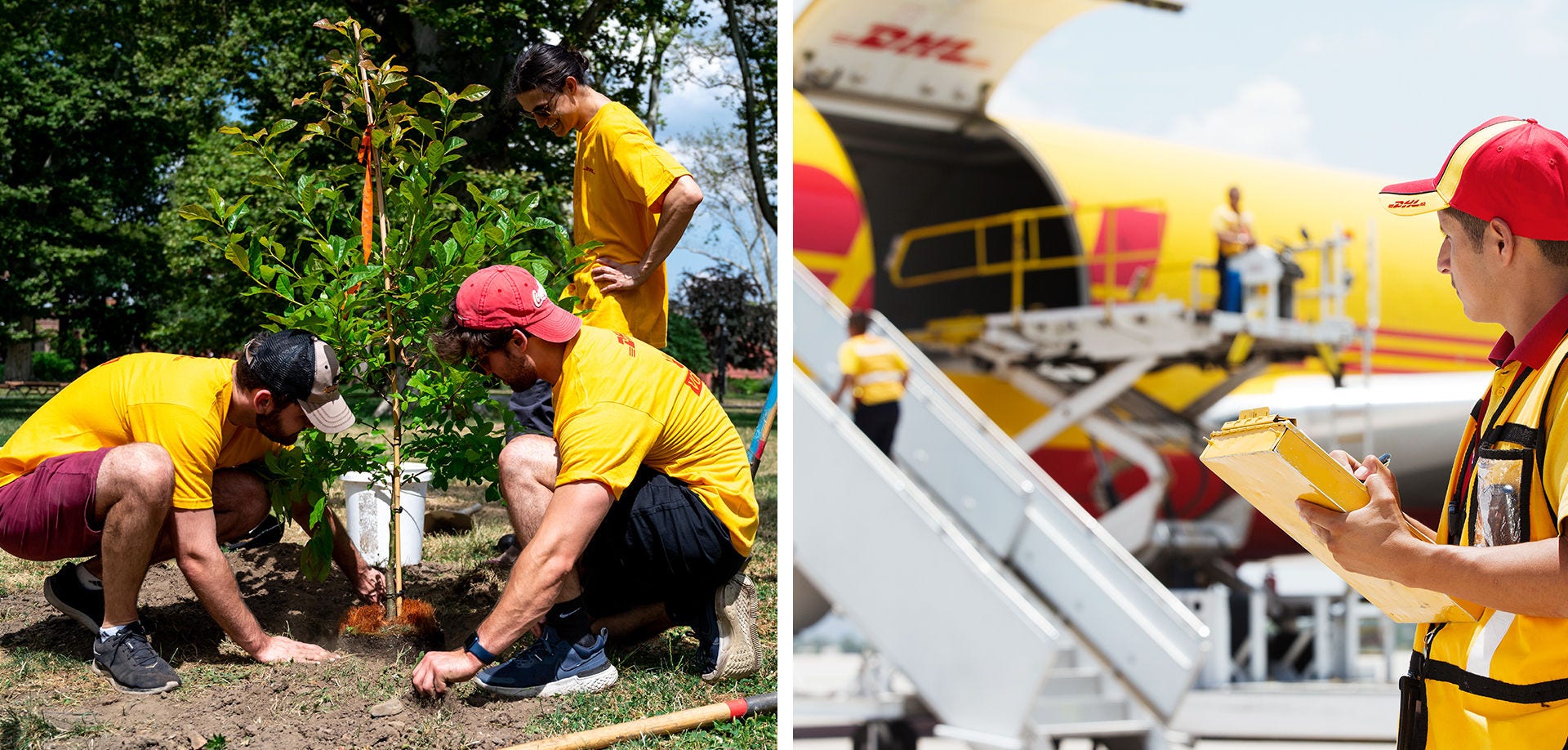
These two approaches to managing emissions might sound similar, but they function in very different ways. Understanding the distinction is key to building a credible environmental strategy for your business.
Aspect | Carbon Offsetting | Carbon Insetting |
|---|---|---|
Focus area | Funding external projects | Cutting emissions in your own value chain |
Aviation impact | No direct change to the fuel used | Funds Sustainable Aviation Fuel used within the air network under a book-and-claim model |
Methodology | Compensates for emissions elsewhere | Avoids emissions at the source of transport |
Data proof | Compensating carbon credits | Verified carbon reduction certificates |
Sustainable Aviation Fuel, or SAF, is a renewable alternative to standard jet fuel. It is produced from sources like used cooking oils and agricultural by-products. It can be used in existing aircraft engines with no modifications required, which makes it a practical and effective tool for insetting.
SAF can reduce lifecycle carbon emissions by up to 80% compared to conventional jet fuel, according to DHL's own published sustainability data. This represents one of the most direct ways to lower your transport footprint without changing your cargo's routing or speed.
This is precisely the kind of insetting we focus on at DHL Express: investing in Sustainable Aviation Fuel used within the air network your cargo moves through, under a book-and-claim model. The fuel is not necessarily used on your specific shipment or route, and the resulting reduction is allocated to you through verified reporting. Our GoGreen Plus service is how you book that reduction for your own shipments. This is especially valuable if you are shipping high volumes out of a major hub like Noi Bai International Airport (HAN) in Hanoi.

Cutting your transport emissions does not have to mean slowing down your delivery times or overhauling your shipping processes. You can maintain your required delivery speed while still reducing your environmental footprint.
The emissions reductions associated with GoGreen Plus are independently verified, which provides you with auditable proof of the reduction allocated to you for your compliance needs. GoGreen Plus applies specifically to your international air express shipments with DHL Express.
A systematic approach to data collection can help prevent errors and may make your annual sustainability audit a much smoother process.
While switching to low-carbon shipping can sometimes involve upfront costs, local governments and financial institutions often provide support to help offset this investment.
For example, businesses can investigate the growing availability of "green credit" and preferential loans from commercial banks in Vietnam. Inquiring with your company's bank about these programs is a practical first step. We do not qualify customers for government programmes or guarantee regulatory outcomes, so your compliance status and grant eligibility remain your own responsibility.
Successfully managing Scope 3 emissions requires a thoughtful balance of operational speed and precise data. DHL Express supports that with GoGreen Plus, which lets you reduce the emissions associated with your shipments by investing in Sustainable Aviation Fuel under a book-and-claim model, with verified reporting for your records.
Speak to a DHL Express specialist today to check your shipping lanes and find a cleaner way to move your cargo.
Indirect emissions from transport and distribution usually form the largest share of a company's Scope 3 footprint. This makes your logistics partner's fuel choices and routing decisions a direct factor in your own company's reported numbers.
Carbon insetting directly reduces emissions within your own supply chain, for instance by using cleaner fuels for transport. In contrast, offsetting involves funding external projects, such as planting trees, that do not lower the actual carbon footprint of your shipments.
Sustainable Aviation Fuel can reduce lifecycle carbon emissions by up to 80% compared to traditional jet fuel. That is why it is a central part of how DHL Express approaches carbon insetting for our customers.
The emissions reductions associated with GoGreen Plus are independently verified. This helps ensure that every contribution provides reliable, credible data for your compliance reports.
Many local governments and financial institutions offer green grants, special financing, and tax incentives to support companies that are transitioning to more sustainable shipping methods. Verified emissions reduction reporting, where available for your account, can document your carbon reduction activities.
Share