They remove the physical burden of travel by delivering medicines directly to the participant's home. This makes it easier for patients to remain in the study while maintaining their normal daily routines.

Traditional site-centric research models are running into barriers in 2026. Recruitment targets are frequently missed because patients cannot manage the time and travel required for hospital visits. We have built the DHL Health Logistics network to address this challenge directly. Our 2-billion-euro investment ensures you have the GDP-certified infrastructure and specialised handling needed to reach patients wherever they are. Direct-to-Patient (DtP) clinical trials bring the laboratory to the living room while maintaining the highest standards of safety.
Travel is the primary reason participants withdraw from clinical studies. When you move the trial site to the patient, you reduce missed visits and screen failures significantly.
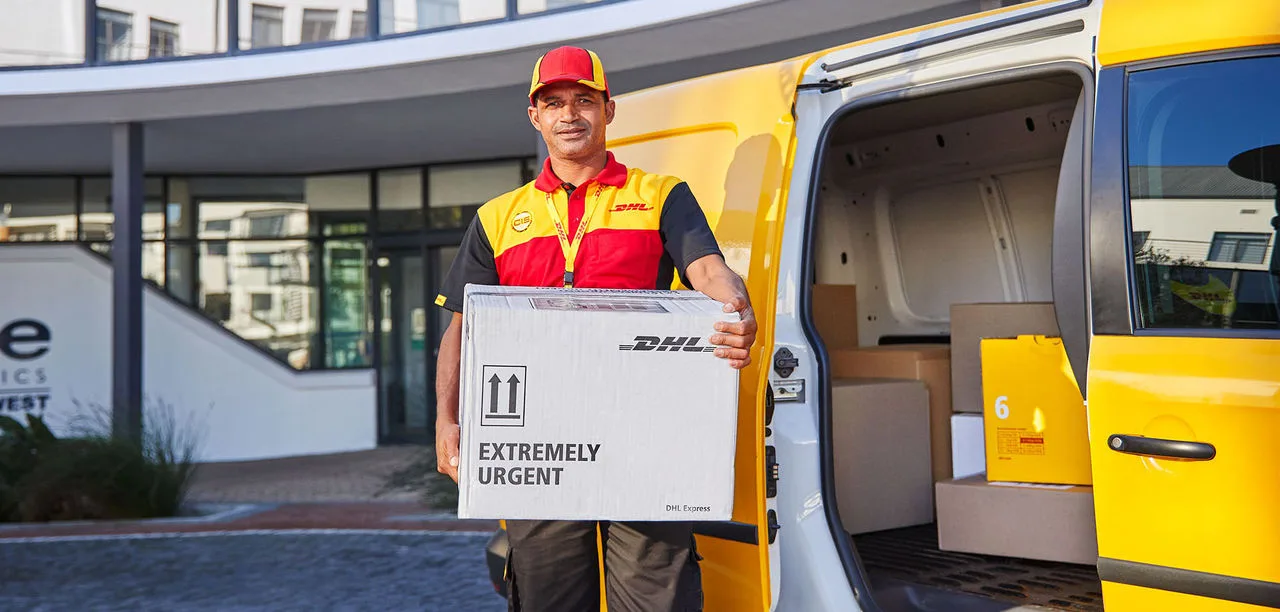
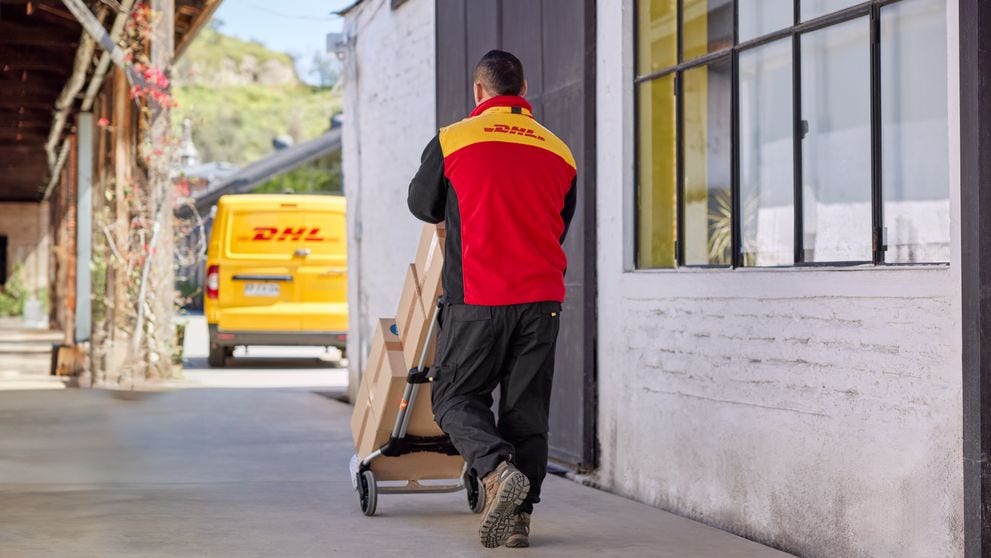
DHL Health Logistics provides the professional bridge between your laboratory and the participant. We understand that a courier is often the only face of the trial that a patient ever sees.
Regulators in Vietnam and neighbouring countries are rapidly updating their frameworks to support decentralised models. The new ICH E6(R3) guidelines require you to demonstrate that a medicine remained stable from the depot all the way to the patient's refrigerator.
Our investment in digital tools ensures you have a complete thermal audit trail. This level of transparency is a requirement for satisfying quality assurance teams in 2026.
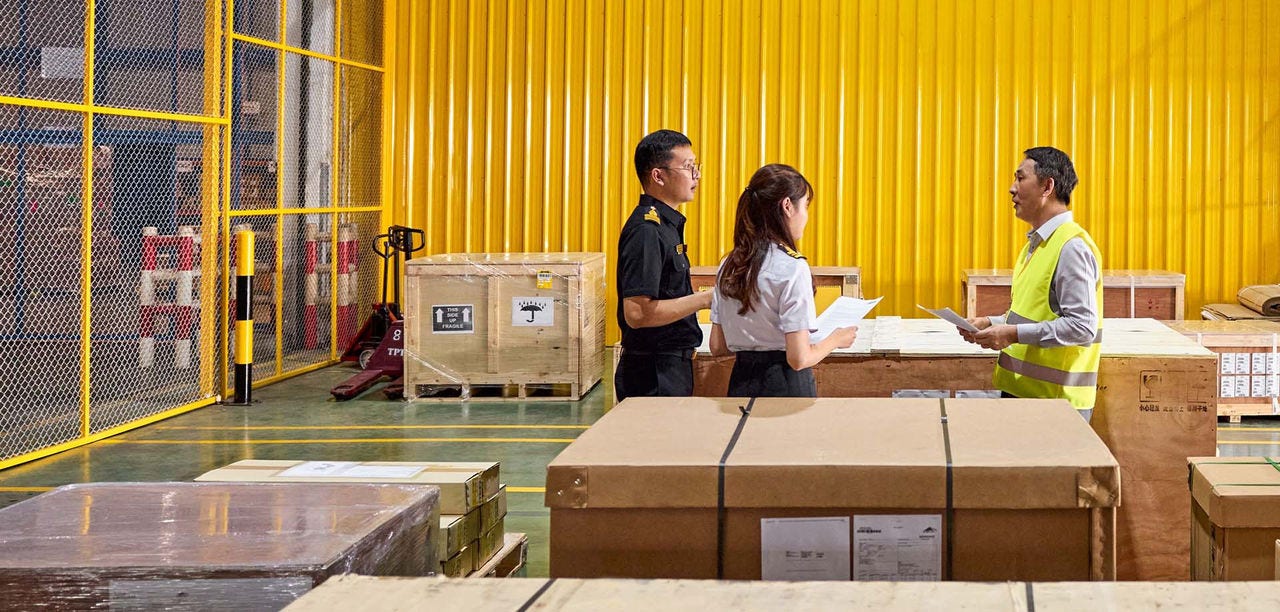
Delivering unapproved medicines to a private address is strictly regulated in countries such as Vietnam and its neighbours. You need a partner who understands the local Ministry of Health requirements.
Security and privacy are critical when delivering sensitive products to a patient's home. You must ensure the medicine is handed directly to the verified participant or their legal representative.
A DtP trial does not end at the front door. You must also manage the return flow of biological samples and unused medicines back to the central laboratory.
Direct-to-Patient logistics is no longer a concept for the future. It is the most effective way to improve the patient experience and protect your data. DHL Health Logistics is ready to help you scale your research across the Asia-Pacific region. Speak to a DHL specialist today to review your trial plan and reach your participants with confidence.
They remove the physical burden of travel by delivering medicines directly to the participant's home. This makes it easier for patients to remain in the study while maintaining their normal daily routines.
These 2026 guidelines require sponsors to adopt a Quality by Design approach. You must have digital proof that your investigational products remained stable throughout the entire journey to the patient.
We use real-time IoT sensors that transmit live location and temperature data to a central dashboard. This ensures you receive an immediate alert if a shipment deviates from its required range.
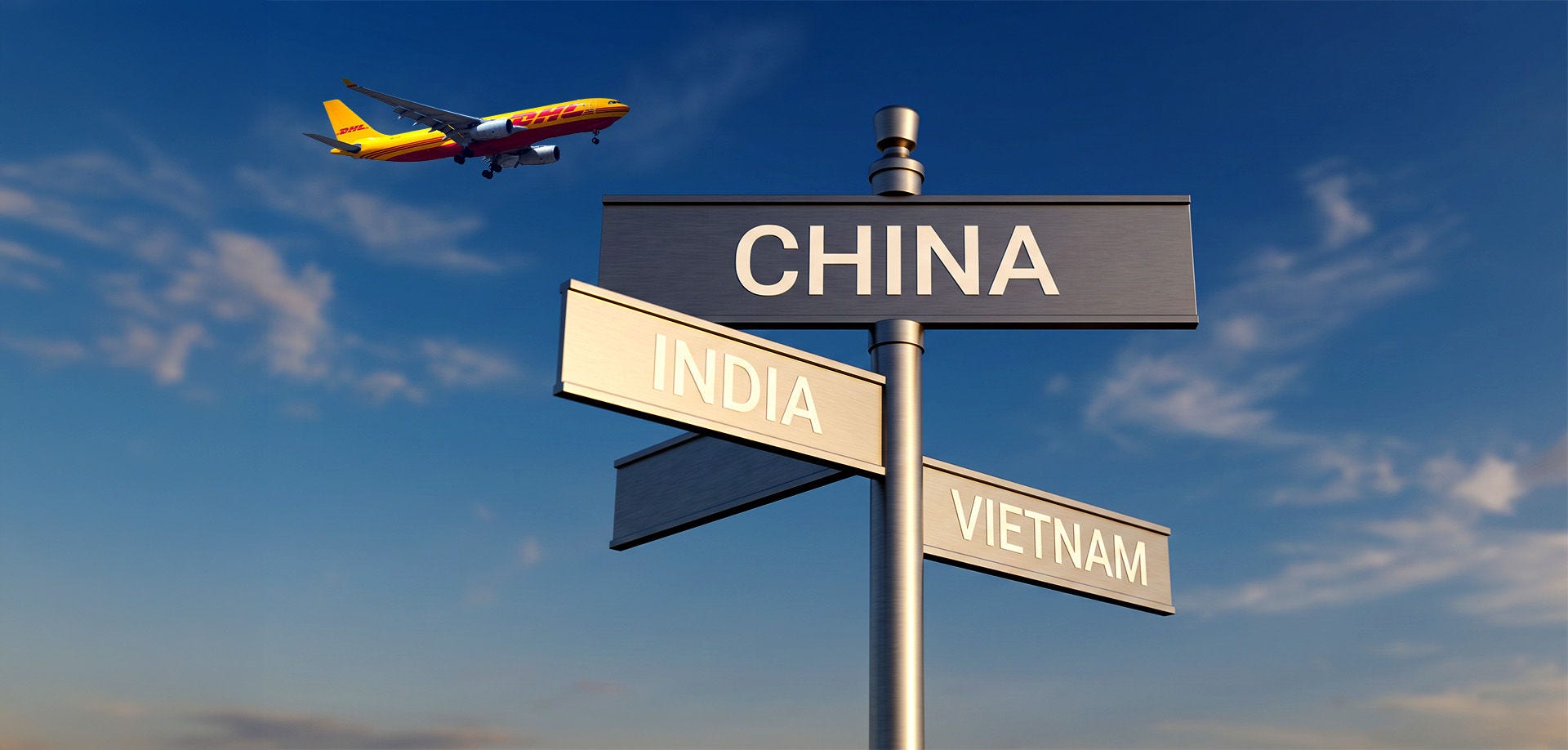
Yes, but you need a partner that manages local medical licences in each country. Using a standardised digital platform ensures your data remains comparable across markets such as Vietnam and the Philippines.
Yes, our couriers follow a verified delivery protocol. This includes checking the participant's identification to ensure sensitive medication is handed to the correct person.


 Share
Share