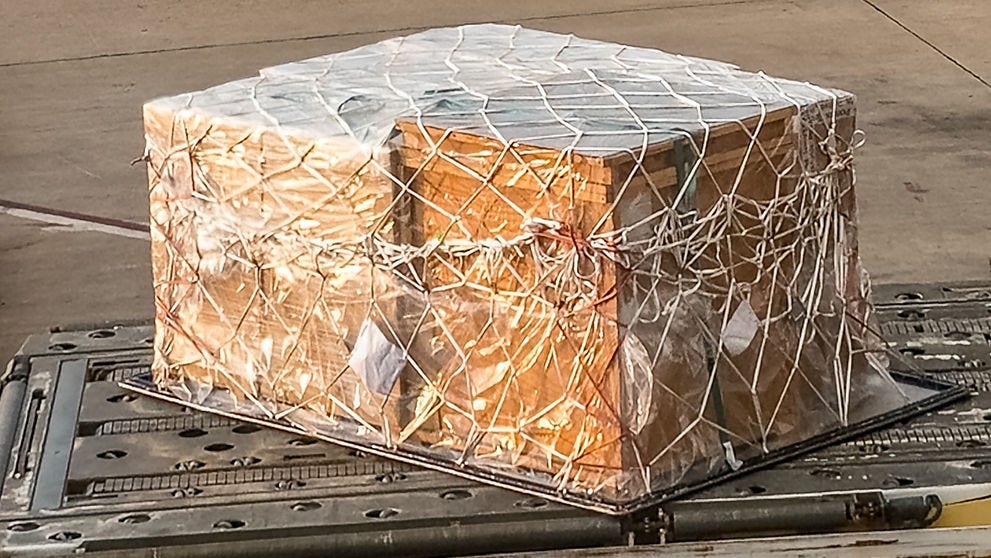
When you send a shipment, the parcel isn’t the only thing making its way to the recipient. The information travelling with it is just as important.
That’s where a waybill comes in.
Once your goods have been packed, the delivery address confirmed and the shipment handed to your courier, the waybill helps connect everything that happens next. It identifies the sender and recipient, describes the contents, records the delivery instructions and provides the details needed to move the shipment through the carrier’s network.
For South African businesses, a waybill helps keep shipments organised from collection to delivery. When goods are sent across international borders, it also supports tracking, transport documentation and customs clearance.
So, what is a waybill in shipping? What does the waybill number mean? And why is it so important to get the information right?
The Shipment Record: What Is a Waybill?
A waybill is a shipping document that accompanies a shipment from its origin to its destination. It contains key information about the shipment, including who is sending it, who is receiving it, what is being shipped and where it needs to go.
For DHL shipments, the waybill is commonly known as an Air Waybill, or AWB. It can serve several purposes: it acts as a receipt for the goods, records the agreement between the sender and carrier, and provides information used for tracking and shipping documentation.
A simple way to think about it is as the shipment’s travel record. The parcel is what physically moves from one place to another. The waybill carries the information needed to identify the parcel and help guide it through every stage of its journey.

More Than a Label: What Is a Waybill Used For?
A waybill does much more than identify a parcel. It brings together the information that senders, recipients, carriers and customs authorities may need to manage the shipment.
A waybill helps to:
Record the shipment: It confirms that the carrier has received the goods and captures important shipment details.
Set out the transport arrangement: It records the agreement between the sender and carrier, including information about the shipment’s journey and the responsibilities of each party.
Track the shipment: A unique waybill number allows the shipment to be identified and its progress monitored.
Support customs clearance: For international shipments, the information on the waybill helps customs authorities understand what is being shipped, where it is going and who is involved.
Clarify payment arrangements: It can show who is responsible for the relevant shipping charges.
Accuracy matters throughout the process. If the information on the waybill does not match the shipment or its supporting documents, the parcel may be delayed, selected for additional checks or held up while the details are corrected.
What Information Goes on a Waybill?
The format of a waybill can vary depending on the carrier and the type of shipment. A typical waybill includes the information needed to identify, process and deliver the goods.
This may include:
Shipper details: The sender’s name, company, address and contact information
Consignee details: The recipient’s name, delivery address and contact information
Description of the goods: A clear explanation of what is being shipped
Quantity and weight: The number of packages and their weight, along with dimensions where required
Declared value: The value of the goods being shipped
HS code: Where applicable, the classification used to identify goods for customs
Reason for export: For example, a sale, return, gift or sample
Payment terms: The party responsible for shipping charges
Special instructions: Any relevant handling or delivery information
Before a shipment leaves your premises, it’s worth taking a moment to review these details. An incorrect address is an obvious concern, but vague descriptions, inaccurate values and inconsistent information can cause problems too, especially when shipping internationally.
The more accurate the information is at the start, the less likely it is that your shipment will face unnecessary delays later.
Waybill Number: What Does It Mean?
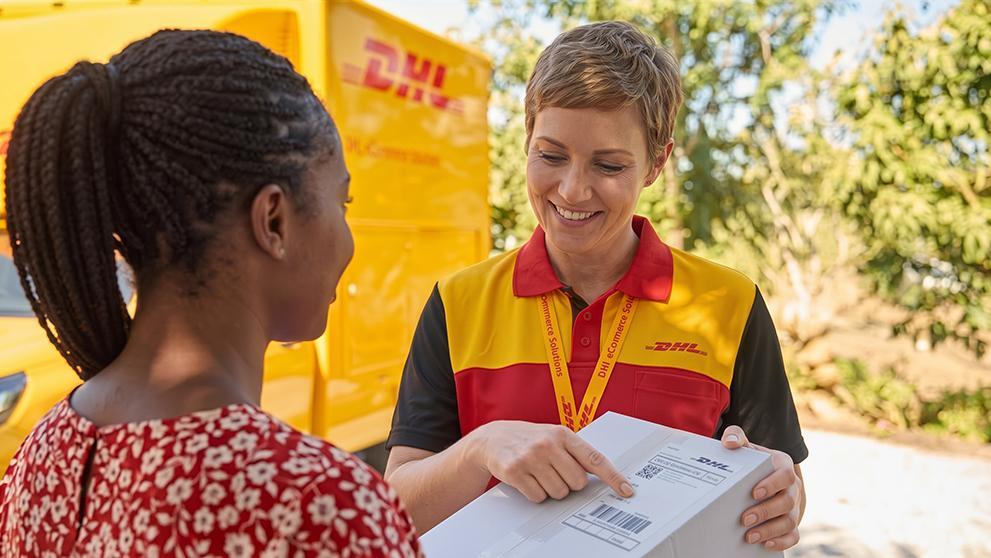
A waybill number is the unique reference assigned to a shipment. It identifies the shipment and allows its progress to be monitored as it moves through the delivery network.
You’ll usually find the waybill number on the shipping label. It’s also the number you’ll need when checking a shipment’s status or sharing tracking information with a customer.
Put simply, the waybill is the shipping document. The waybill number is the unique reference used to identify and track the shipment.
For DHL Express shipments, you can use the waybill number to track your delivery through DHL Track & Trace.
Creating a Waybill Doesn’t Have to Be Complicated
For DHL Express shipments, businesses can create a waybill digitally through MyDHL+.
The process involves entering the shipper and consignee details, describing the goods, declaring the correct value, selecting the relevant payment terms and reviewing the shipment information before confirming it. The AWB number is then generated as part of the process.
For businesses sending parcels regularly, digital shipping tools can make the administrative side of exporting and delivering goods much easier. They help keep shipment information and documentation together, while giving you greater visibility of your deliveries.
For businesses that ship internationally regularly, keeping shipping costs under control can make a real difference. With DHL Express, businesses in South Africa can access international shipping discounts from 35%, depending on the shipment and account.
The Right Waybill Keeps Your Shipment Moving
A waybill may be only one part of the shipping process, but the information it contains can have a significant impact on how smoothly a shipment moves.
For South African businesses, accurate waybill information creates a clear record of what is being shipped, where it is going and who should receive it. It also gives you the reference you need to track deliveries and keep your customers informed.
DHL Express helps make this process simpler with digital tools that support shipping document creation, shipment management and delivery tracking through MyDHL+.
Ready to make shipping easier to manage? Open a DHL Express Business Account to access tools and services designed to help your business ship with greater visibility and control.
FAQs
Not quite. A waybill is the shipment document that contains important information about a delivery, including the sender’s and recipient’s details, the contents of the shipment and payment instructions.
The waybill number is the unique reference assigned to that shipment. It’s the number you use to identify and track your parcel. DHL’s guide on How to Use Tracking Tools explains the different waybill tracking options available when you ship with DHL in South Africa.
A waybill brings together the key details of an international shipment. It acts as a contract of carriage between the sender and the carrier, supports shipment tracking and provides information that may be needed during customs clearance. It can also indicate who is responsible for the shipping charges.
Depending on the destination, the goods and their value, your shipment may require additional documentation. Read DHL’s guide to international shipping documents to understand what may be required and help avoid costly delays on your next international shipment..
Your DHL waybill number appears on your shipping label. It is the reference number used to track your shipment.
For DHL Express shipments, the number is known as the Air Waybill (AWB) number. Enter it on the DHL South Africa tracking page to follow your shipment from collection through to delivery.
An incorrect waybill or inaccurate shipment information can lead to delivery delays, customs queries, additional charges or even a returned shipment.
Before sending your parcel, check that the sender’s and recipient’s details, product descriptions, declared values, quantities, weights and payment instructions are correct. Make sure the information is consistent across all your shipping documents.
For international shipments, your waybill should also match supporting documents such as the commercial invoice. DHL’s Commercial Invoice Guide for International Shipping explains the information customs authorities typically require and how to avoid common documentation mistakes.


 Share
Share

Similar Stories