You’ve packed your order, weighed your box, and figured out what shipping should cost. But then the quote lands, and it’s way higher than you expected. Your parcel weighs 3 kg, so why is the courier charging you for 6 kg?
For South African businesses, especially those sending light but bulky items, this can be a common and frustrating surprise. But it’s usually not a mistake. Your parcel might be taking up more space than its actual weight suggests, thanks to something called chargeable weight.
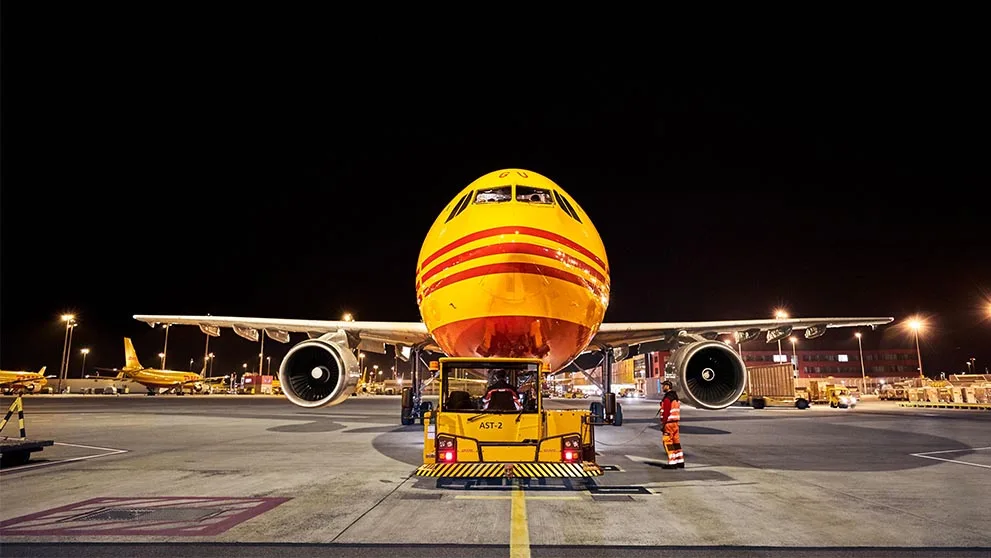
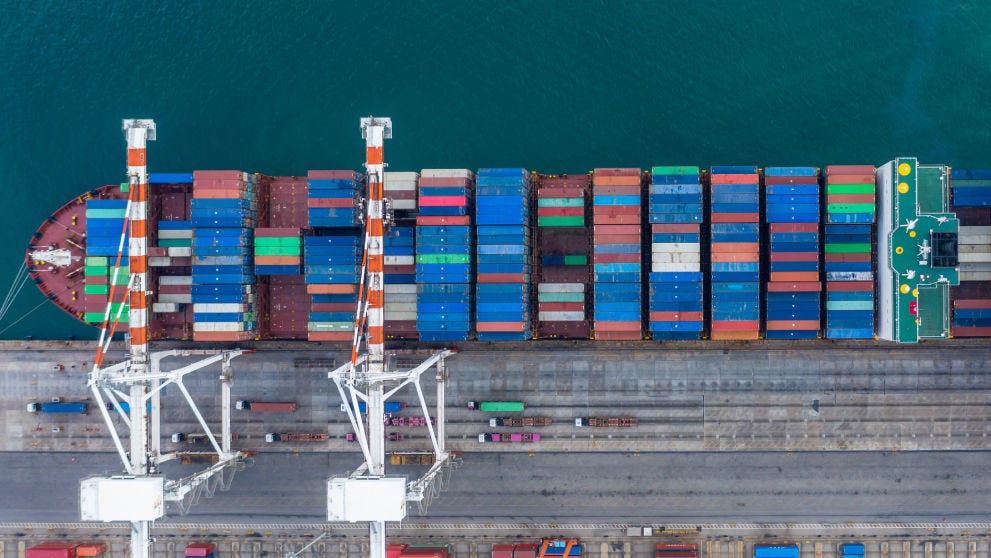
This concept is especially important in air freight, where space is at a premium. In fact, in January 2026, global chargeable weight jumped 26% week-on-week as air cargo volumes bounced back after the year-end lull.
The silver lining? Chargeable weight is often something you can control. Here’s how.

What Is Chargeable Weight?
When you ship with a logistics provider, two key measures come into play: actual weight and volumetric weight.
Actual weight is simple. It’s what your parcel weighs on the scale. Volumetric weight, on the other hand, reflects the space your parcel occupies in the shipping vehicle based on its dimensions. Your chargeable weight is whichever of these two is higher.
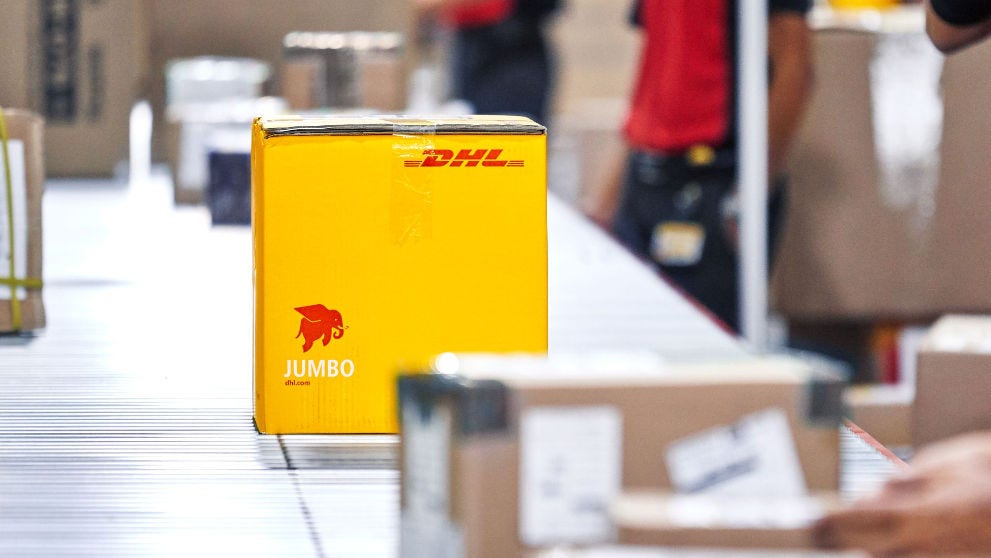
Why does this matter? Imagine two businesses sending parcels on the same flight. One sends a compact 10 kg machine part, while the other sends a large box with just 5 kg of lightweight clothing. Even though the second parcel weighs less, it takes up much more space.
That’s why couriers charge not just for weight, but also for how much space your parcel uses.
How Is Volumetric Weight Calculated?
DHL Express uses this formula: Length × Width × Height (cm) ÷ 5,000.
So if your parcel measures 50 × 40 × 30 cm, the volumetric weight would be 50 × 40 × 30 ÷ 5,000 = 12 kg.
Even if the parcel weighs only 5 kg, your chargeable weight becomes 12 kg. That’s why big boxes filled with lightweight items like clothing, promotional materials, or electronics can cost more to send than smaller, heavier parcels.
Remember, it’s often the packaging, not the product itself, driving the cost.
Different freight types have different volumetric weight calculations. DHL Global Forwarding uses varying density ratios for air, ocean, and rail freight, while road freight methods can differ by carrier and region.

How To Keep Your Chargeable Weight Down
1. Right-Size Your Packaging
Don't automatically reach for the biggest box on the shelf. Choose packaging that fits the product closely while leaving enough room for appropriate protection. For soft goods such as clothing and accessories, a polymailer or padded envelope may be more efficient than a rigid box.
A few centimetres might not seem like much on one shipment. Across hundreds of shipments, they can add up.
2. Cut Down Empty Space
Your products need protection, not a box full of air. Keep items centred and use suitable cushioning to fill the space around them without unnecessarily increasing the external dimensions of the parcel. Air pillows, packing paper and other lightweight materials can help protect the contents without adding excessive bulk.
3. Measure Before You Quote
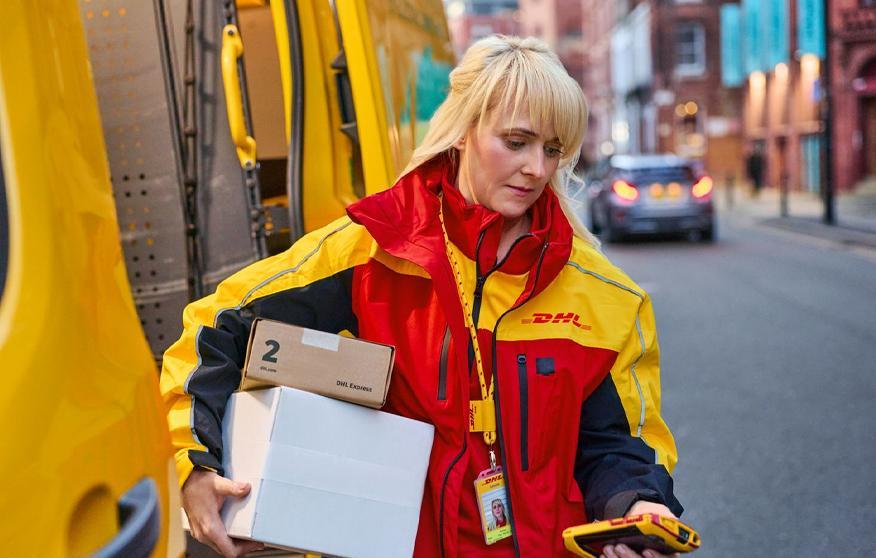
Don't estimate the dimensions of your parcel from memory. Pack it first, then measure the finished parcel and record its length, width and height. Enter those figures, along with the actual weight, when requesting your quote.
Why be so precise? Couriers check shipment details within their networks, and a parcel can be reassessed if the measured dimensions or weight differ from what was originally entered. Interestingly, you can get the numbers right by calculating your shipment’s rate and time quote using MyDHL+, making it easy to make adjustments where necessary.
4. Review Your Packaging Regularly
Your packaging strategy shouldn't be something you set once and forget. Look at the products you ship most often. Are some consistently going out in boxes that are too large? Could certain products move safely in lighter packaging? Are you using more cushioning than necessary?
We recommend keeping accurate product dimensions on file and reviewing shipping data to identify where dimensional weight is consistently pushing costs higher.
5. Look Beyond The Parcel
Chargeable weight isn't the only thing that determines what you'll pay. Your destination, delivery speed and applicable surcharges also affect the final international shipping cost. Within South Africa, for example, deliveries to remote areas can attract an additional surcharge.
Fuel surcharges and additional handling fees can also apply depending on the shipment. So when comparing shipping options, don't focus only on the rate per kilogram. Look at the total cost of getting your parcel from your door to your customer's.

Take Control Of Your Shipping Costs
A hefty shipping bill doesn’t have to be a given. Start by measuring parcels accurately, choosing the right sized packaging, minimising empty space, and understanding how chargeable weight is calculated.
Then use the tools available to you. With MyDHL+ Get a Quote, you can enter your shipment's origin, destination, dimensions and weight to see available services and pricing before you book. The calculation takes chargeable weight and applicable surcharges into account, helping you understand the cost upfront.
If you're shipping regularly, a DHL Express Business Account can also give you access to preferential rates, invoice billing and dedicated support. Eligible business account holders can receive discounts starting from 35%, depending on their shipping profile.
Because when you're growing a business, every avoidable shipping cost is money that could be going somewhere else. Open a DHL Express Business Account to take the guesswork out of your shipping costs and make every shipment work harder for your business.
FAQs
At DHL Express, we calculate the chargeable weight by comparing your parcel’s actual weight against its volumetric weight, and we use whichever figure is higher to determine your shipping cost. This means that even a lightweight parcel can attract higher charges if it occupies significant space. To help you keep costs in check, check out our guide on Smart Packaging Strategies to Reduce Volumetric Weight and Lower Shipping Costs.
Packaging plays a huge role. Choose a box or mailer that snugly fits your product, minimise empty space, and opt for lighter cushioning materials where possible. Don’t forget to measure your finished parcel accurately before getting a shipping quote. It can make all the difference. For handy tips tailored to South Africa, have a look at our guide on How to Estimate Courier Delivery Charges Across South Africa.
Not quite. DHL Express uses a divisor of 5,000 to calculate volumetric weight, but other freight methods can have different density ratios depending on the mode of transport. For instance, DHL Global Forwarding applies a 1:6 ratio for air freight, 1:1 for ocean LCL, and 1:3 for rail freight. Road freight ratios can vary by carrier and location. To get savvy with your packaging, explore our 5 Smart Packaging Strategies to Reduce Volumetric Weight.


 Share
Share

Similar Stories