Heavy weight express shipping in Brazil: the DHL Heavy Weight Express guide
Ship 50 kg to 3,000 kg at express speed: see how DHL Heavy Weight Express works in Brazil and when it beats traditional freight. A DHL Express guide.
Heavy cargo imports and exports
Import or export pallets, parts and equipment through DHL's express network, with international transport, customs clearance and delivery in a single operation, door to door or door to airport.
Formal imports for companies with a CNPJ (Brazilian company tax ID) and RADAR/Siscomex registration. Exports are also available to individuals.
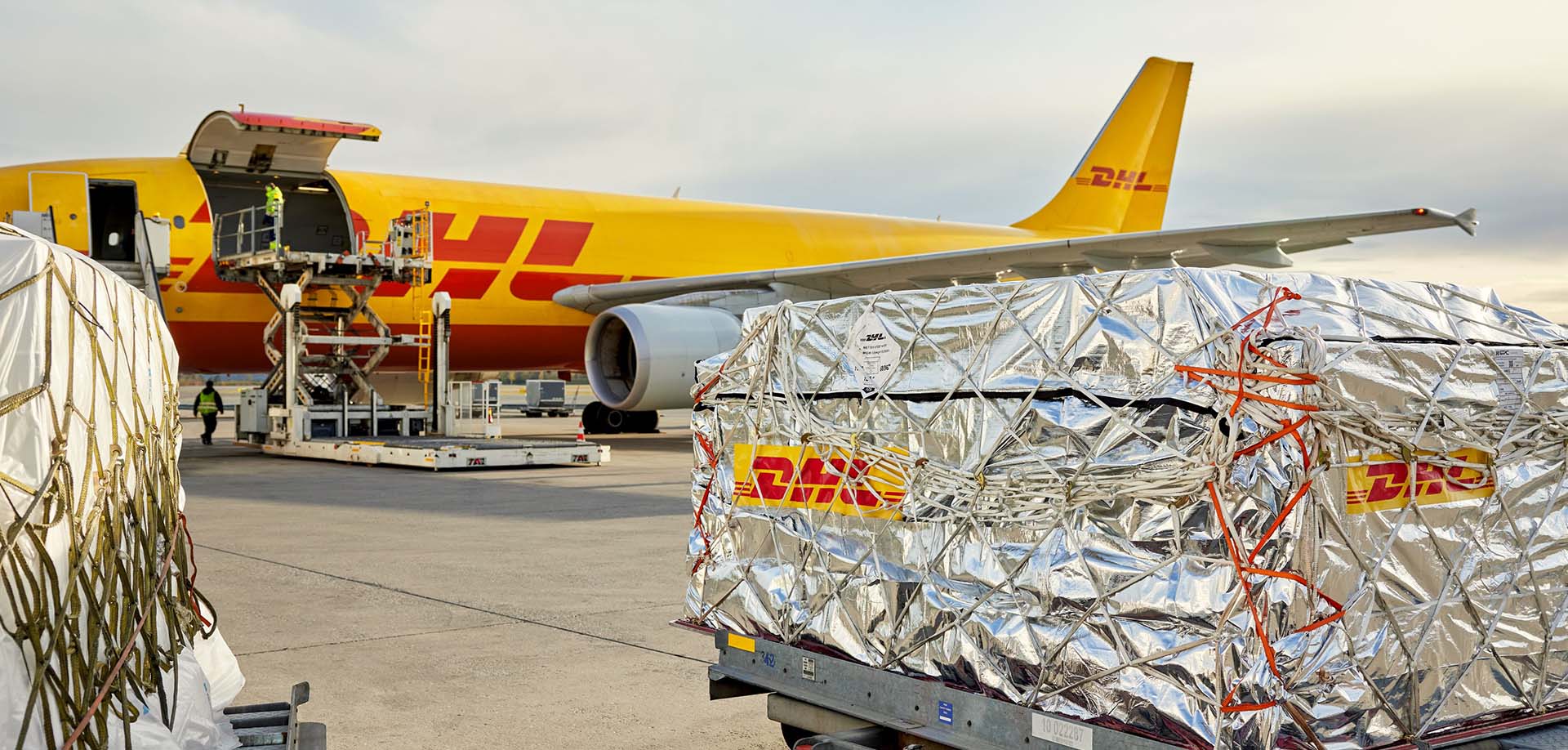
A Heavy Weight Express is DHL Express's service for international shipments from 50 kg to 3,000 kg: air transport, import or export customs clearance and delivery in a single operation, with end-to-end tracking. In Brazil, the service is marketed in Portuguese as Carga Aérea Expressa.
Freight is the visible part of the bill. The rest shows up later: the line that stops, the stock that runs out, the project that misses its date. These are the five points where heavy cargo usually holds up an operation:
Not every shipment is urgent. Planned replenishment with no rush can go by conventional air or ocean freight. Express pays off when the cargo's time has economic value.
International transport and customs clearance can be booked together, in a single operation. These are the service options available:
The declared value, the purpose and the characteristics of the operation help define whether the shipment can go under Brazil's courier regime or needs formal treatment. The weight and dimensions of the cargo determine whether it qualifies operationally for Heavy Weight Express.
Some goods may also be subject to licences, authorisations, certificates or approval by the relevant government agencies.
The operational limits of Heavy Weight Express are:
Use the calculator below for a first check. DHL Express can then assess your operation and advise on the most suitable logistics solution and customs treatment.
Heavy Weight Express handles different cargo formats, as long as they are within the weight and size limits. A palletized shipment is cargo placed on a pallet and secured to it, so a forklift can move it as a single unit. These are the most common formats and the main precaution for each:
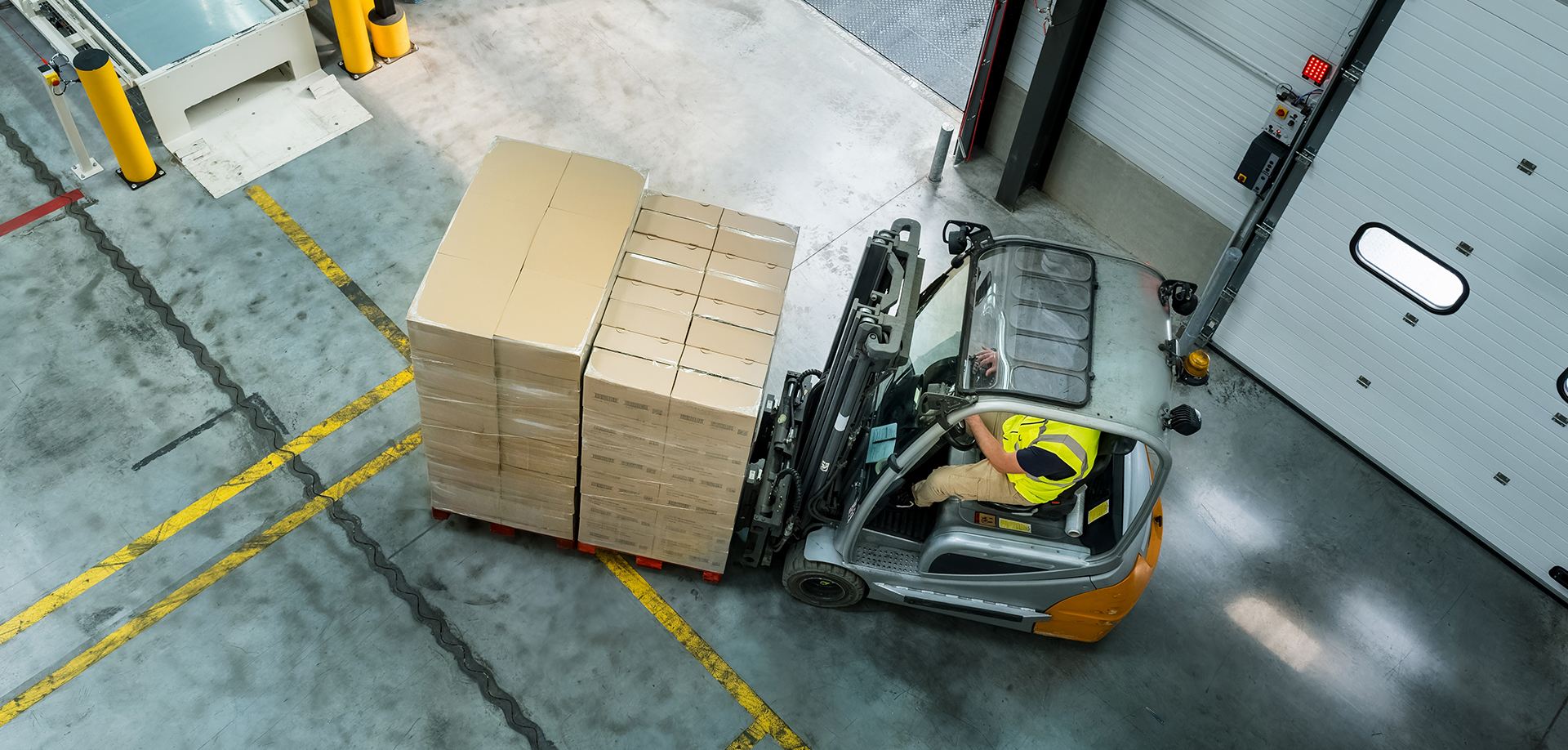
Boxes placed on a pallet and secured with film and straps, so a forklift can move them as a single unit.
Watch out: nothing should overhang the edge of the pallet.
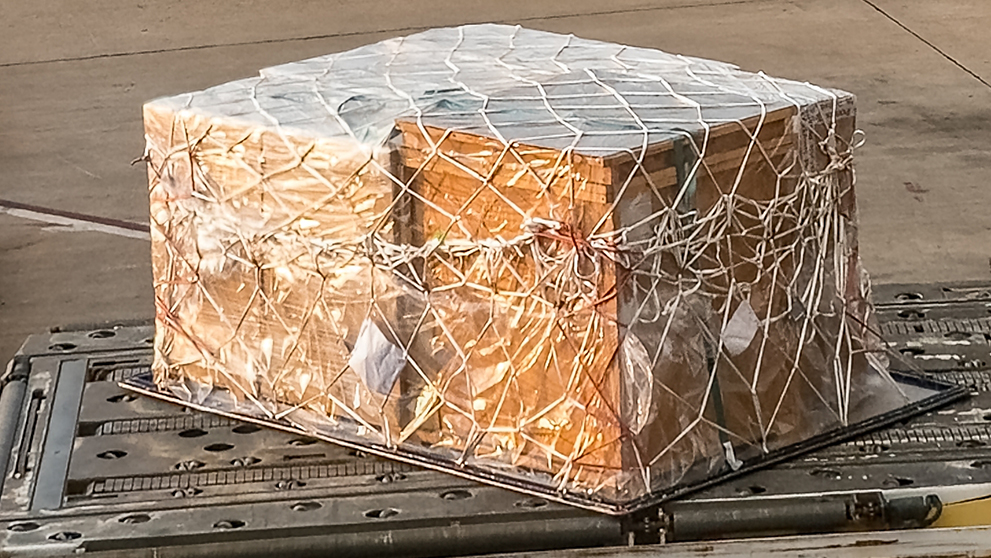
Tall loads or loads with many pieces get film, edge protectors and strapping to stay stable during handling and in flight.
Watch out: spread the weight evenly, with the heaviest pieces at the bottom.

Suited to machinery, fragile parts and irregularly shaped items that need a rigid structure around the cargo.
Watch out: the wood must meet the applicable phytosanitary requirements, including ISPM 15 where required.

They travel on a pallet, locked in place and labelled, so they do not shift in transit.
Watch out: when the contents are classified as dangerous goods, the shipment goes through a specific assessment.
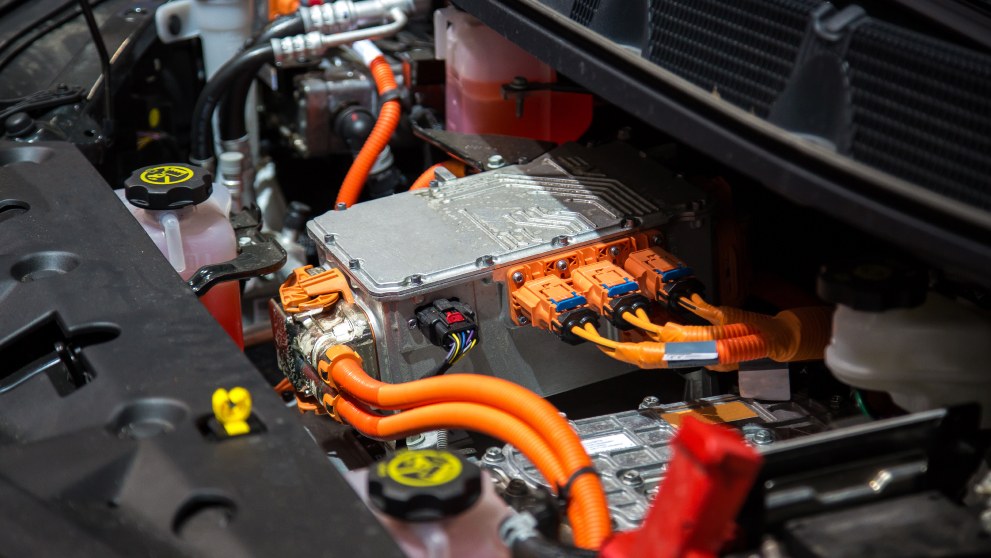
Engines, assemblies and heavy components that keep production and maintenance running.
Watch out: use a firm base, blocking and protection against shock and vibration.
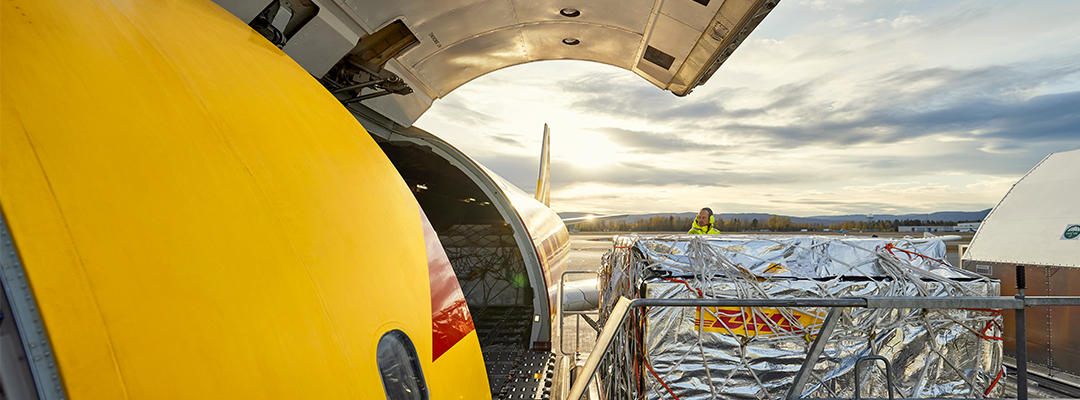
Each piece or pallet can weigh up to 1,000 kg and measure up to 300 cm long, 200 cm wide and 160 cm high (180 cm with prior approval).
Watch out: give the weight and dimensions of each piece in the quote request.
The service suits businesses of different sizes and industries that need speed and control in heavy shipments. These are the most common scenarios and the cargo that usually ships:

To avoid line stoppages when a critical part for production, maintenance or commissioning is missing.
Typical cargo: moulds, tools, components and spare parts.

For equipment with an installation date and items subject to controls and documentation.
Typical cargo: diagnostic equipment, medical devices and laboratory supplies.
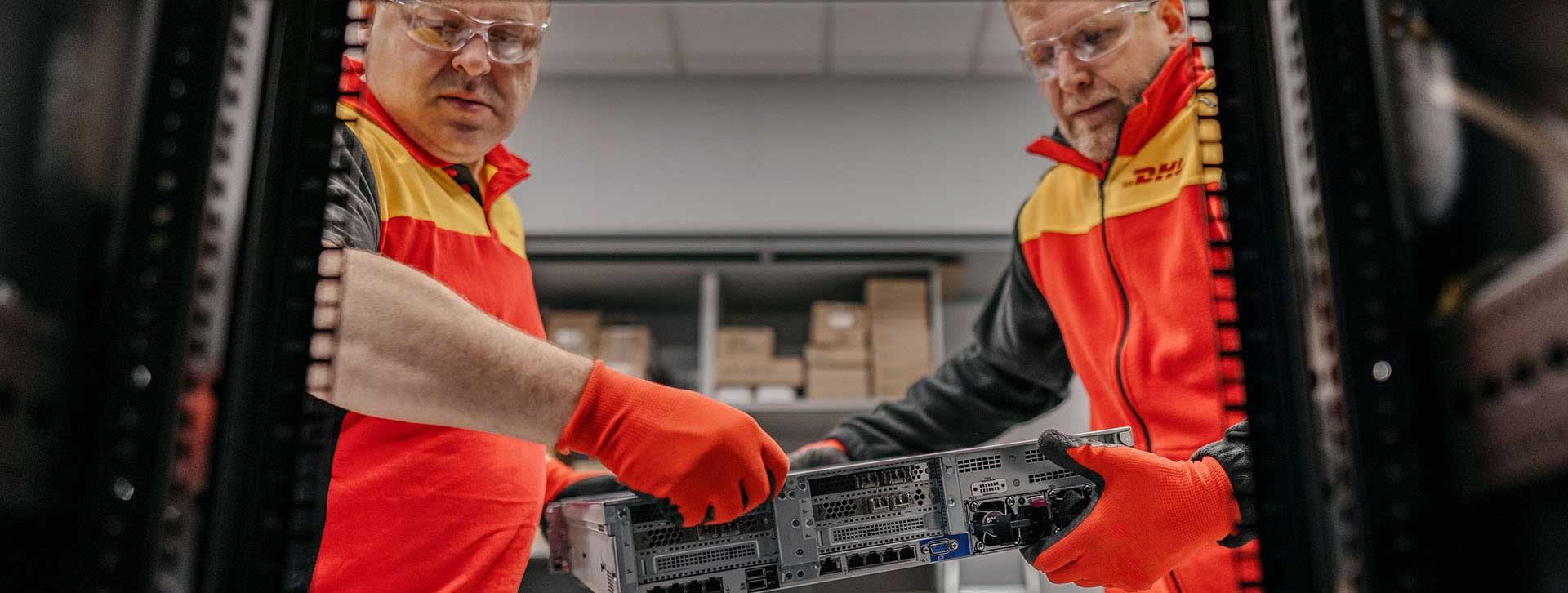
For high-value shipments that need control and visibility at every stage.
Typical cargo: servers, racks, components and infrastructure equipment.

To restock during sales peaks and supply operations in other countries without stockouts.
Typical cargo: palletized lots of boxed goods.

For projects and operations where every day of delay means a penalty or a fixed cost.
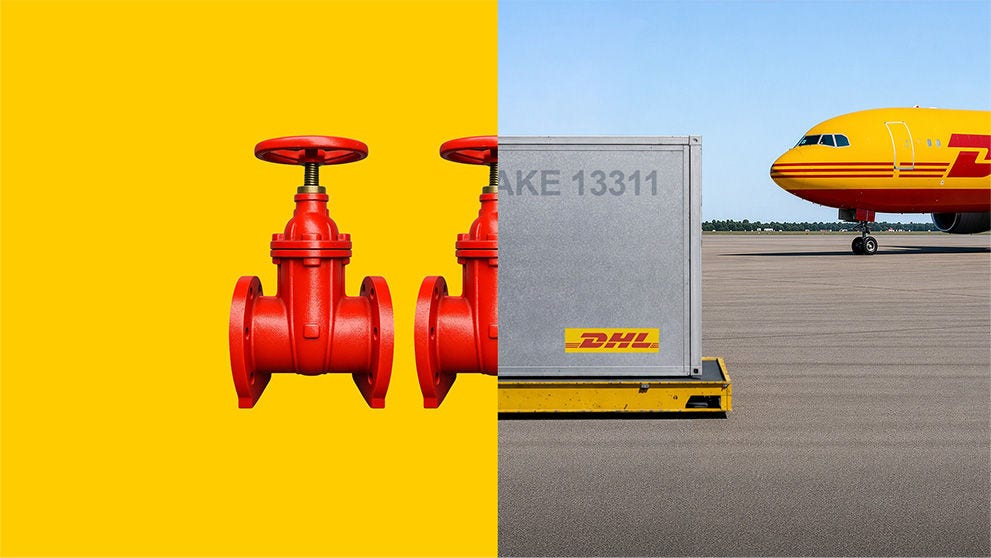
Typical cargo: valves, engines, machine parts and industrial equipment.

To cover urgent needs and cut safety stock without losing service levels.
Typical cargo: urgent replenishment and exception shipments between regions.
DHL Express handles both directions, with international transport and customs clearance in the same booking.
For businesses that need to receive parts, inputs or equipment without buying space on a flight or relying on a chain of third parties.
To get ready: how importing into Brazil works, what Siscomex is and customs clearance and restrictions.
For businesses that export lots, machinery, parts or samples and need a predictable arrival date at destination.
To get ready: how to export from Brazil, how to fill in the commercial invoice and HS codes and the NCM.
Six steps, from the first conversation to delivery. The difference from traditional freight is in the middle: steps 3 to 5 happen within the same operation, with no handover between providers.
Each mode has its ideal scenario. The deciding question is not "which is cheaper" but "what does each day this cargo spends in transit cost my business".
Criterion | Heavy Weight Express | Conventional air freight | Ocean freight |
Weight range | 50 kg to 3,000 kg per shipment | No practical ceiling | No practical ceiling |
Transit time | Days, with the transit time given in the quote | Days to weeks, depending on space availability | Weeks to months |
Who operates it | One network, from pickup to delivery | Freight forwarder, airline, customs broker and carrier | Forwarder, shipping line, terminal, customs broker and carrier |
Customs clearance | Built into the service, for imports and exports | Usually booked separately | Usually booked separately |
Tracking | Single, end to end | By leg, in different systems | By leg |
Price structure | Door to door, charged in 0.5 kg increments | Freight plus charges per stage (pickup, handling, documentation, fees) | Freight plus charges per stage and storage |
Ideal scenario | Critical cargo, high value per kilo, fixed date | Large, regular volumes with some slack in the schedule | Large volumes, no urgency, lowest cost per kilo |
Choose express when a delay stops a line, blows a schedule or triggers a contractual penalty, and the cargo fits the weight and size limits.
Consider conventional air when volumes exceed 3,000 kg per shipment or replenishment is recurring and planned weeks ahead.
Consider ocean when cost per kilo matters more than time and inventory planning can absorb the transit time.
To get the full picture, add to the freight the total landed cost and the cost of every day of waiting.
Applies to express shipments of up to US$ 3,000 that meet the courier regime requirements. See how courier imports and the RTS work.
DHL Express can assess your operation and advise on the most suitable customs treatment for your import.
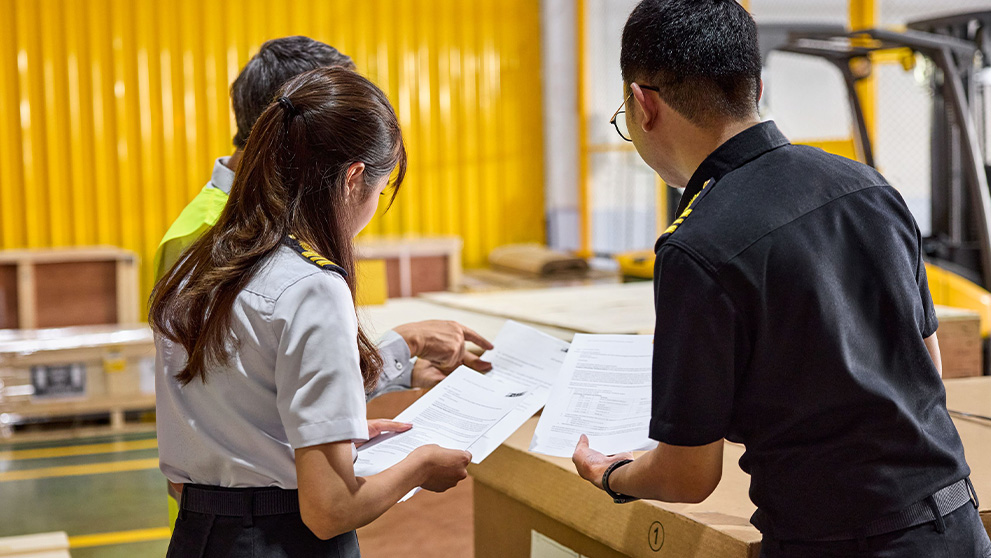
Shipments under the courier regime usually need:
To make a formal export with DHL Express, have ready:
No RADAR/Siscomex registration is needed for a formal export through DHL Express. DHL Express also offers export customs clearance, so your business can rely on DHL for both the international transport and the clearance.
To make a formal import with DHL Express, have ready:
DHL Express also offers import customs clearance, supporting your business throughout the release of the goods.
See also the list of import and export documents and how duties and taxes on international shipments work.
Important: not every formal import needs a licence. That depends on the goods, their tariff classification and the applicable administrative treatment.
Count on DHL Express from end to end. For formal exports or imports, your business can combine international transport and customs clearance in a single operation, with more integration, monitoring and speed for your shipments.
Well-prepared cargo suffers less damage and moves faster through handling points. Six precautions cover most cases:
The full step-by-step is in the guide how to palletize cargo for international shipping.
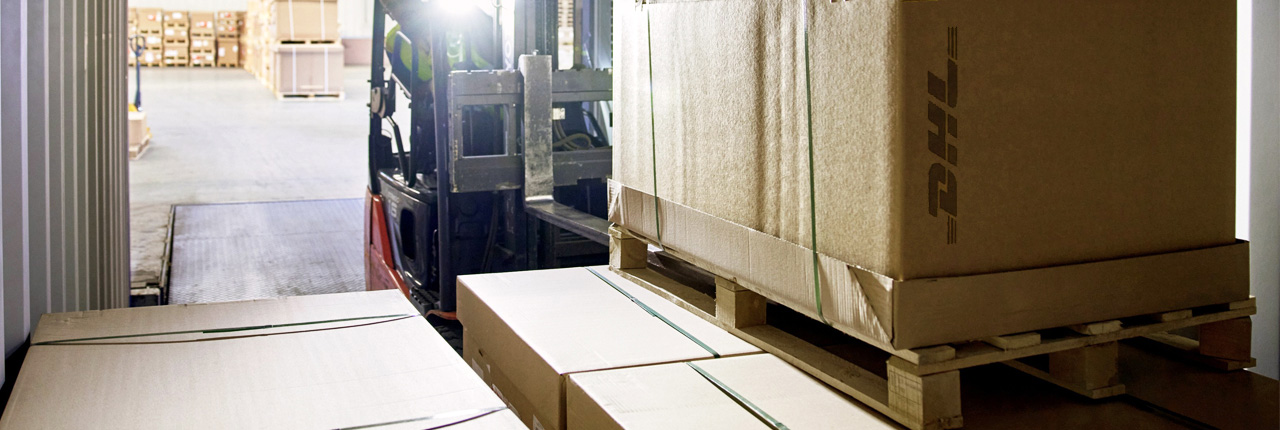
A defined transit time depends on owned capacity: aircraft, hubs and an import gateway in Brazil equipped for heavy cargo.

With GoGreen Plus, an optional DHL Express service, your business invests in sustainable aviation fuel (SAF) to reduce the emissions associated with its shipments.
Each shipment can weigh 50 kg to 3,000 kg in total, with pieces or pallets of up to 1,000 kg each. The maximum dimensions per piece are 300 cm long, 200 cm wide and 160 cm high (up to 180 cm with prior approval).
Not automatically. Besides weight and size, eligibility depends on the type of goods, the route and the handling conditions. Dangerous goods, regulated items and high-value cargo go through a specific assessment at the quote stage.
No. The service covers both one-off urgent shipments and recurring ones. Businesses that ship frequently can negotiate specific commercial terms with a DHL Express Sales Executive.
For exports, yes. Individuals can use the export service, provided the operation meets the applicable requirements and the necessary documents are provided, including the product's tariff classification (NCM) and the corresponding Nota Fiscal. For formal imports, the service is for businesses: the importer must have a CNPJ and Siscomex (RADAR) registration. For other personal shipments that fit the express shipment rules, see DHL Express's other services.
Not to export through DHL Express. A formal export requires an export Nota Fiscal (CFOP starting with 7), a commercial invoice, a packing list, the NCM and the exporter and consignee details. DHL Express also handles export customs clearance.
DHL Express offers both import and export customs clearance. Your business provides the documents and the details of the goods, and DHL Express handles the release within the same operation as the international transport.
It depends on the declared value, the purpose and the characteristics of the operation. Express shipments of up to US$ 3,000 that meet the courier regime requirements can go under the RTS. A formal import is mandatory above US$ 3,000 or when the operation requires it, and a business can also request it below that value when it is more suitable.
It depends on the type of shipment. For a formal export: export Nota Fiscal, commercial invoice, packing list, NCM and exporter and consignee details. For a formal import: commercial invoice, packing list, eight-digit NCM, the importer's CNPJ and RADAR/Siscomex registration. Licences and certificates are added when the goods require them.
The transit time depends on the route, clearance and time of year, and is given in the quote. Because it uses the express air network, with no change of operator along the way, transit is usually counted in days rather than weeks.
The price considers actual and volumetric weight, route, type of goods and optional services. Import taxes are calculated separately, based on the tariff classification of the goods. Discounts and negotiated commercial terms are handled with your DHL Express Sales Executive.
Yes. Besides door to door, DHL Express offers a door-to-airport option, including for operations structured around Brazilian state tax strategies.
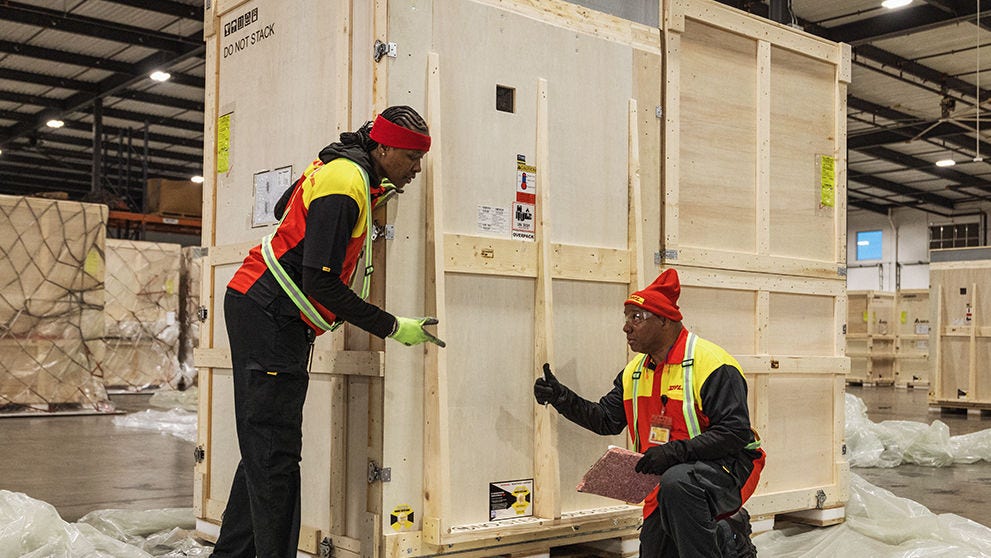
Heavy pieces have to be moved by forklift, and a pallet is the safest way to make that possible. Wooden pallets and packaging must meet the applicable phytosanitary requirements, including ISPM 15 where required, with the corresponding mark and treatment certificate.
Fill in the form on this page with weight, dimensions, origin, destination, type of goods and urgency, or talk to a DHL Express Sales Executive. With these details, DHL Express assesses the operation and comes back with price, transit time and next steps.
Tell us what you need to ship. The more complete the details, the more accurate the first reply: