#LogisticsAdvice

B2B Spare Parts Logistics: Reduce Equipment Downtime

5 Mins Read
Key Takeaways
Reduce Downtime Costs: Learn how emergency spare parts logistics mitigates the heavy hourly cost of machinery failure.
Master Remote Logistics: Reach sites in the Greater Bay Area using Time-Definite Express services.
Customs Acceleration: Use Duties and Taxes Paid (DTP) and pre-clearance to prevent parts from getting stuck at the border.

A single broken component can halt an entire production line in seconds. In heavy industry, every minute you wait for a part is money leaking out of your business. We'll show you how a smarter spare parts logistics strategy moves you from a reactive "break-fix" cycle to one that protects your bottom line and helps reduce equipment downtime.

Why does standard shipping fail for urgent parts?

Traditional freight is built to move high volumes at the lowest possible cost. This model works for retail stock but is a disaster for service parts logistics, where critical after-sales support leaves no room for delay. When a 400-tonne excavator stops, you don't need a shipping container.

  1. Lack of Velocity: Standard networks are too slow for B2B spare parts where every hour costs thousands in lost revenue.
  2. Fixed Schedules: Traditional providers often rely on rigid transit times that don't account for emergency needs.
  3. Missing Visibility: You can't track a critical spare with the same vague data used for a pallet of consumer goods.
  4. Limited Support: General carriers usually lack the specialized handling required for sensitive or high-value components.

DHL Express Time-Definite services place your inventory in a priority network, helping you reach the ‘Golden Hour’ — the narrow window in which a part must arrive to prevent a total mechanical failure.


How is DHL Express different from standard freight?

Our spare parts logistics network is built specifically for speed and precision. We don't treat your mission-critical components like standard parcels.

  1. Network Focus: We use a speed-and-precision network designed for critical spares rather than high-volume freight.
  2. Priority Handling: Your parts get on our dedicated aircraft.
  3. Delivery Cadence: We measure transit in hours rather than days to reduce equipment downtime.
  4. Customized Service: We provide white-glove options for fragile parts and direct hand-off to your technicians.
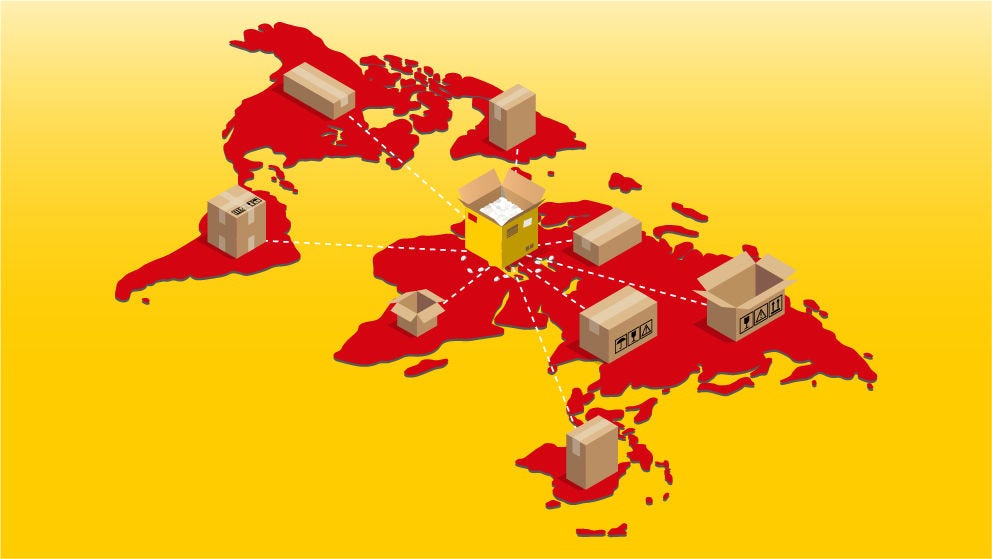
  5. Global Footprint: We reach over 220 countries and territories with consistent service levels.
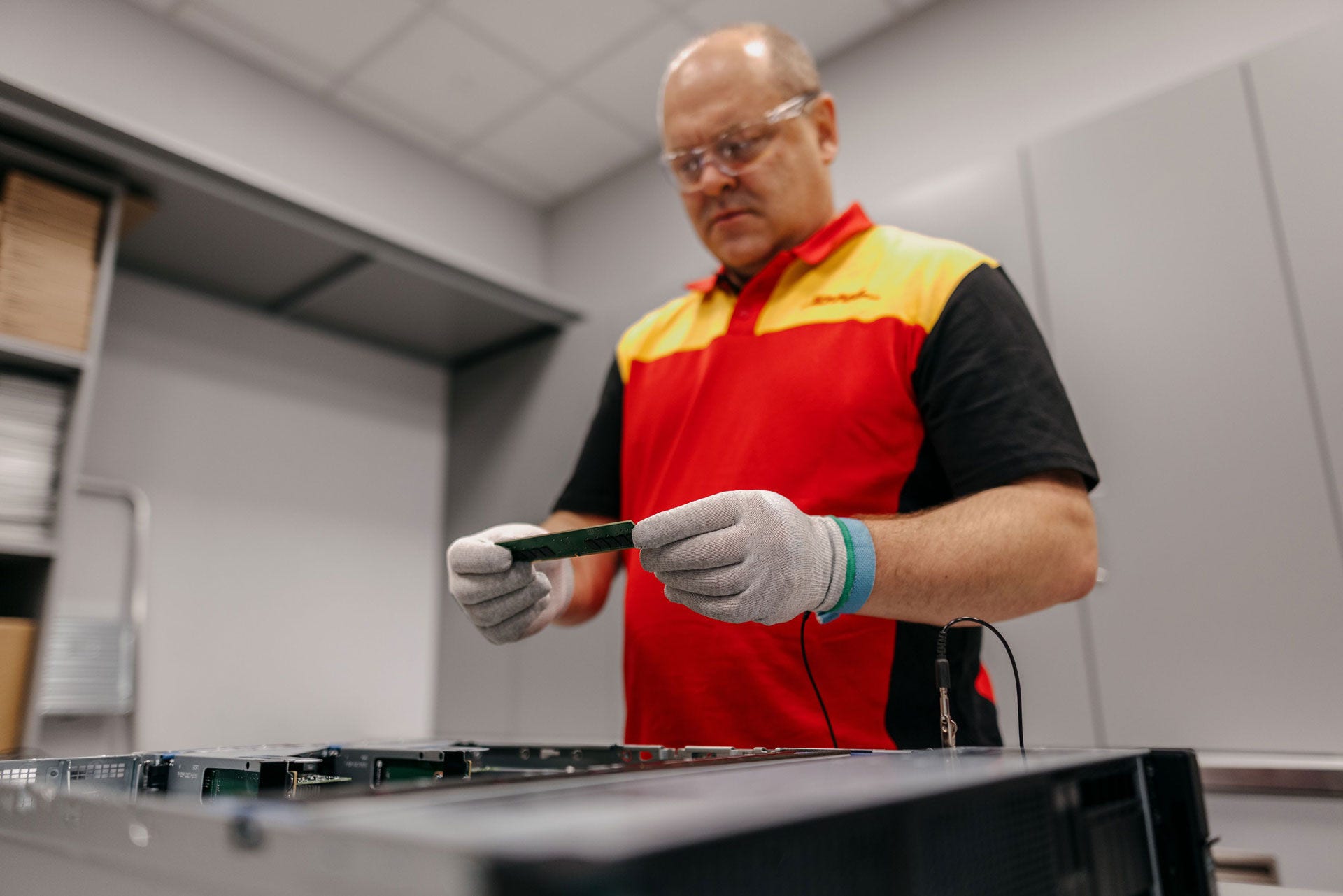
DHL employee wearing static gloves for safety and holding replacement memory card

How can paid recovery in remote locations reduce equipment downtime?

Beating geography requires global reach and local precision. For operations in the Greater Bay Area, the distance from the main hub is a major risk. We solve this by using Time-Definite Express service.

Your part is processed through our dedicated global aviation network. We don't wait for a truck to fill or a scheduled departure window. Critical spares require a dedicated path that stays active 24/7. Reducing equipment downtime depends on this speed.

The paid recovery workflow:

Trigger: The asset failure is logged into your maintenance system.

Dispatch: The part is picked up and handed to a DHL courier immediately.

Transit: The part moves via our Time-Definite Express network for the best path.

Tracking: You monitor the journey in real-time through our network tracking.

Hand-off: A local courier delivers the part directly to your field engineer.


How do you navigate customs red tape for urgent spare parts?

A part stuck in customs is as useless as a part never ordered. Regulatory compliance is increasingly complex, and a single missing document can lead to days of delays, especially during peak seasons like Lunar New Year. Here's how we keep your parts moving through the border:

  1. Pre-clearance Tech: We allow authorities to approve documentation while the part is still in the air.
  2. Financial Speed: We use Duties and Taxes Paid (DTP) to handle payments upfront, so parts aren't held for bank transfers.
  3. Duty Avoidance: We use ATA Carnets (international customs documents for temporary duty-free import) for "repair and return" items to avoid unnecessary import taxes.
  4. Local Knowledge: Our experts understand that Hong Kong is a free port and most goods are not subject to a de minimis threshold for customs duties, but correct declarations are still vital.

Correctly declaring the country of origin is crucial for Hong Kong's trading companies, especially for re-exports. The Customs and Excise Department  requires the origin to be the country of final manufacture, which our experts can help you manage correctly. Effective service parts logistics requires this kind of smooth border crossing to keep your operations active.


What happens if your fragile part gets dropped?

In spare parts logistics, physical safety is as important as speed. A part that arrives damaged is a nightmare for any operations manager. We use specialized packaging and protocols for sensitive electronics.

  1. High-Level Care: We use shock and temperature sensors for sensitive medical or industrial gear.
  2. Real-Time Alerts: You receive a notification the moment a shipment experiences force outside of safe parameters.
  3. Condition Proof: We take photos at pickup and delivery to document the state of your assets.
  4. Special Boxes: We provide DHL Safety Boxes designed to protect lithium batteries and fragile sensors.

By using DHL Express, you can set custom alerts for these safety milestones. You won't have to call a customer service line to find out if your part survived. The data is pushed to your mobile device in real-time.

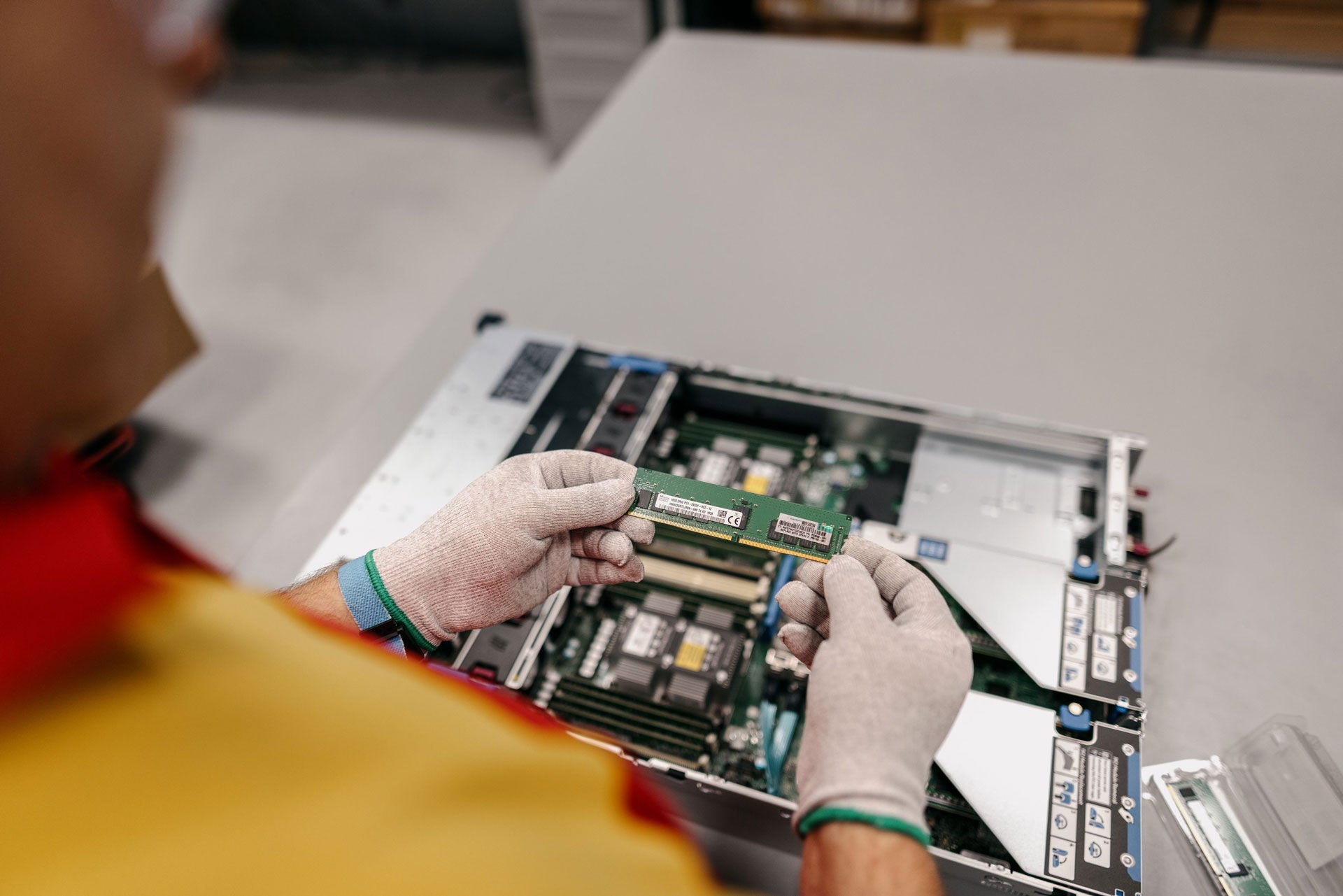
DHL employee wearing static gloves for safety and inserting replacement memory card

What are the emerging trends in 3D printing and predictive maintenance?

The future of spare parts logistics is moving toward digital inventory. Instead of shipping a heavy metal bracket, you can ship the CAD file. This creates a more sustainable and resilient supply chain.

  1. On-Demand Printing: We can manufacture critical components like seals and gaskets at regional hubs to slash lead times.
  2. Predictive Shipping: AI algorithms predict when a part will fail and trigger a shipment before the break happens.
  3. Digital Twins: We simulate recovery scenarios to find the fastest path during a crisis.
  4. Waste Reduction: Digital inventory reduces the need to store thousands of physical parts that might never be used.

Predictive maintenance is the ultimate goal. When your machines tell us they're tired, we can have the replacement waiting at the gate. It is the gold standard for reducing equipment downtime.

 

How do you manage reverse logistics in aftermarket parts logistics?

The supply chain doesn't end when the new part is installed. In aftermarket parts logistics, the broken part often has significant value for refurbishment. This is known as reverse logistics.

  1. Asset Recovery: Our couriers can collect the old part while delivering the new one via our swap service.
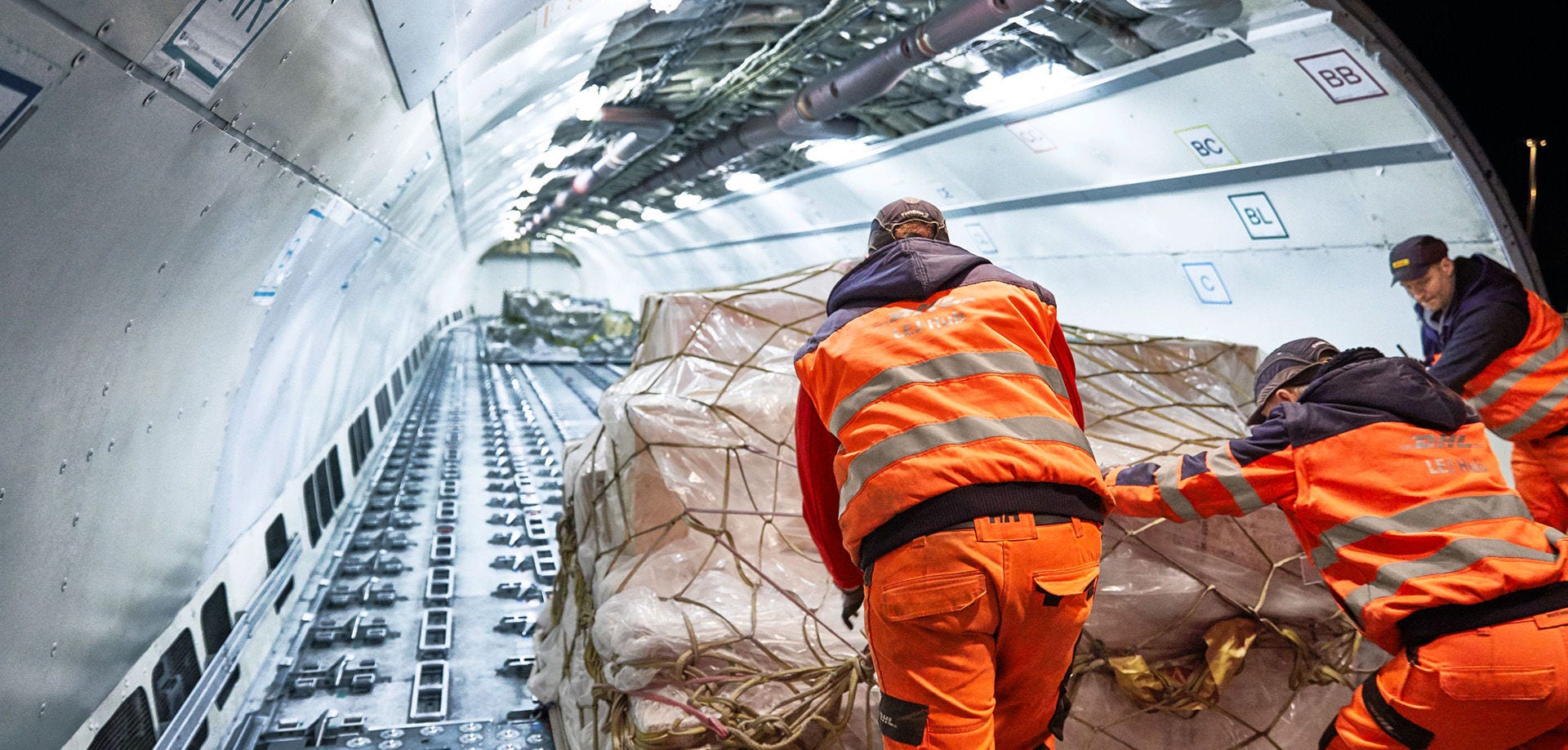
  2. Core Return Tracking: Our system tracks the broken part back to the repair center to ensure you get your credits.
  3. Consolidated Returns: We can hold returned parts and ship them in bulk to save on freight costs.
  4. Sustainable Loops: Repairing parts reduces your environmental footprint and cuts your total maintenance spend.

Proper aftermarket parts logistics must include this return loop to keep costs down. Closing the loop is the best way to keep your assets moving while saving money.


Why should you open a DHL business account?

Opening a DHL business account is the fastest way to access these priority services. It gives you preferred rates and access to a dedicated account manager who knows your specific parts requirements.

  1. Preferred Rates: Benefit from pricing tailored to your shipping volume and frequency.
  2. Dedicated Support: Work with experts who understand the technical needs of your industry.
  3. Single Portal: Manage your shipments, payments, and customs data in one digital space.
  4. Scale Faster: Easily expand into new markets with a partner that already has a global presence.

Your business account also gives you access to advanced shipping tools like DHL Express. This makes it easier to manage complex international spare parts shipments and stay ahead of your competition.


Ready to improve your uptime?

Downtime is a choice. If you rely on standard shipping for important components, you leave your production at risk. A modern B2B spare parts logistics plan is your best defense against the unpredictable. Get in touch with a DHL specialist today to discuss your spare parts plan and keep your operations moving.

Frequently Asked Questions

Our spare parts logistics network aims for the fastest possible delivery — subject to routing and customs clearance — using our global priority network and Time-Definite Express services. This dedicated path bypasses standard freight delays to reach your site as quickly as possible.

Use pre-clearance protocols and Duties and Taxes Paid services to ensure border agents approve the part while it is in flight. This removes the waiting game at the terminal and speeds up delivery.

We use shock sensors and custom crates that meet international standards to track every bump in the road. You get real-time data on the part's condition through the DHL Control Tower.

Yes, for simple items like brackets and seals, though complex engines still require physical shipping. It is a great way to slash your storage costs and environmental footprint.

You can use our online tracking tool to see real-time location data for your shipment. We provide milestone updates and live tracking so you know exactly when the part will reach your technician.