Yes. However, import requirements for tea vary by country and region. Some destinations may require import permits, while others may impose quantity or weight restrictions on tea shipments.
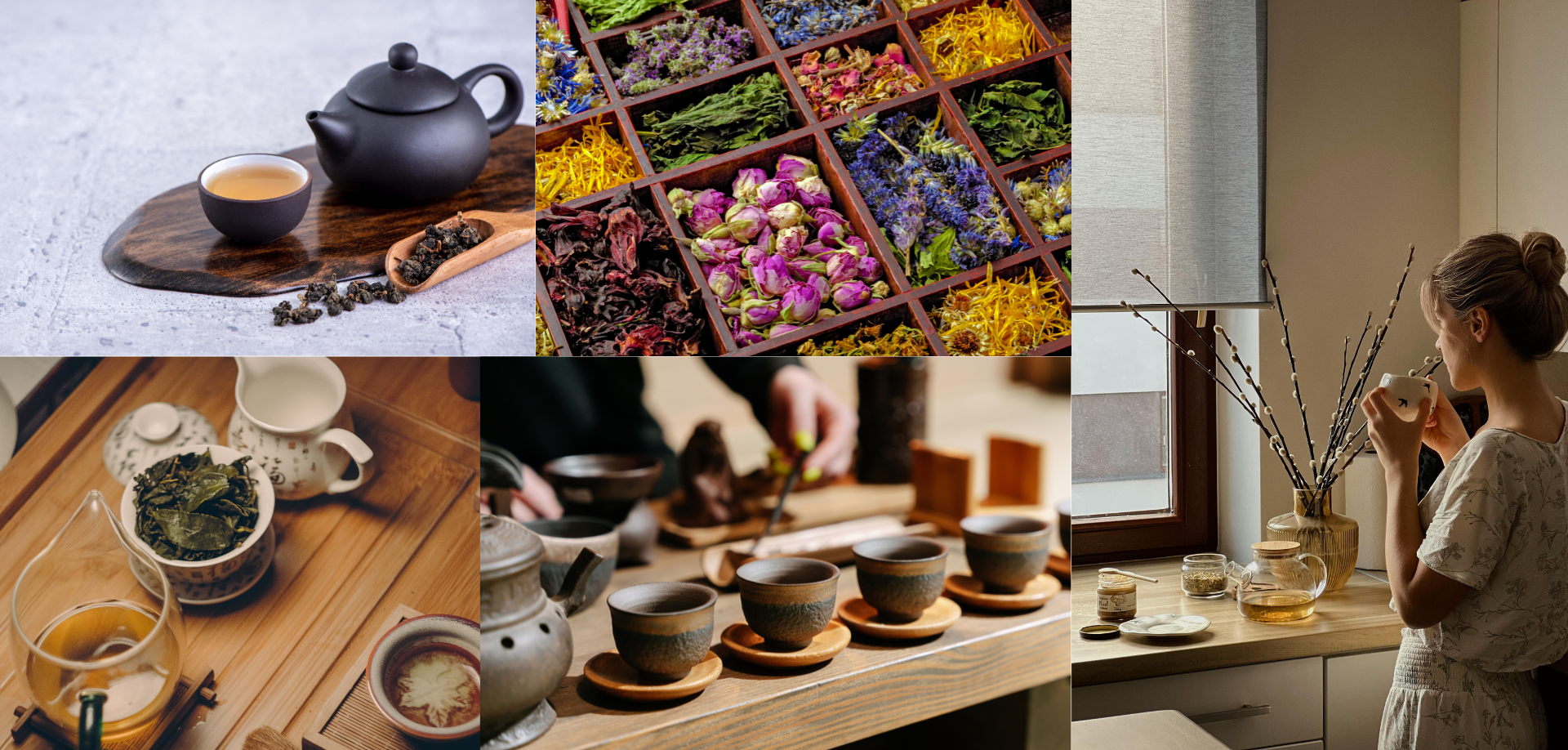
From Hong Kong specialty teas and premium loose-leaf selections such as Pu-erh and Oolong tea, to elegant teaware and tea accessories, tea-related products have long been popular choices for gifts, personal enjoyment, and cross-border eCommerce sales.
As tea culture continues to gain popularity worldwide, more individuals and SMEs in Hong Kong are shipping tea and teaware to overseas family members, friends, customers, and business partners. However, import requirements for tea and food products can vary significantly from one destination to another. Understanding these regulations before shipping can help reduce the risk of customs delays, additional clearance requirements, or returned shipments.
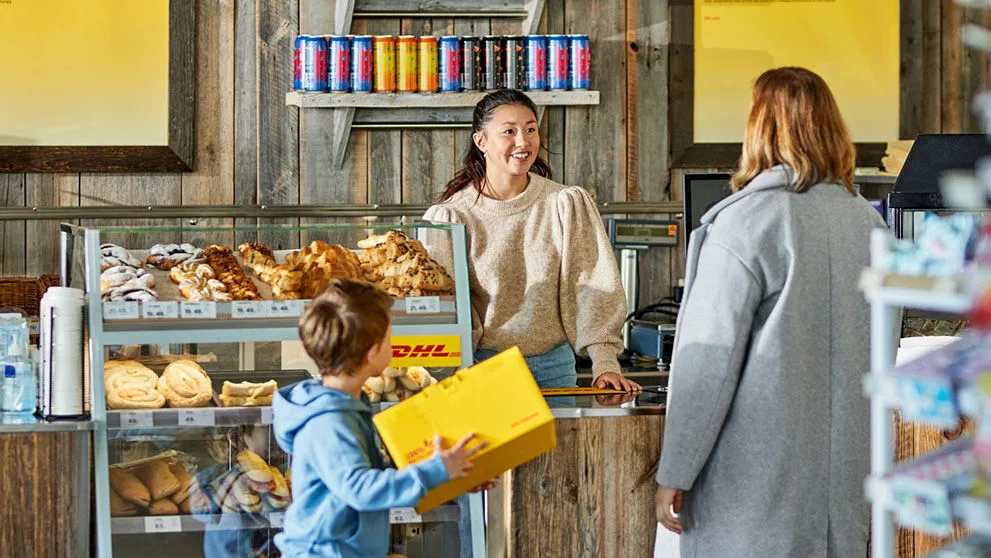
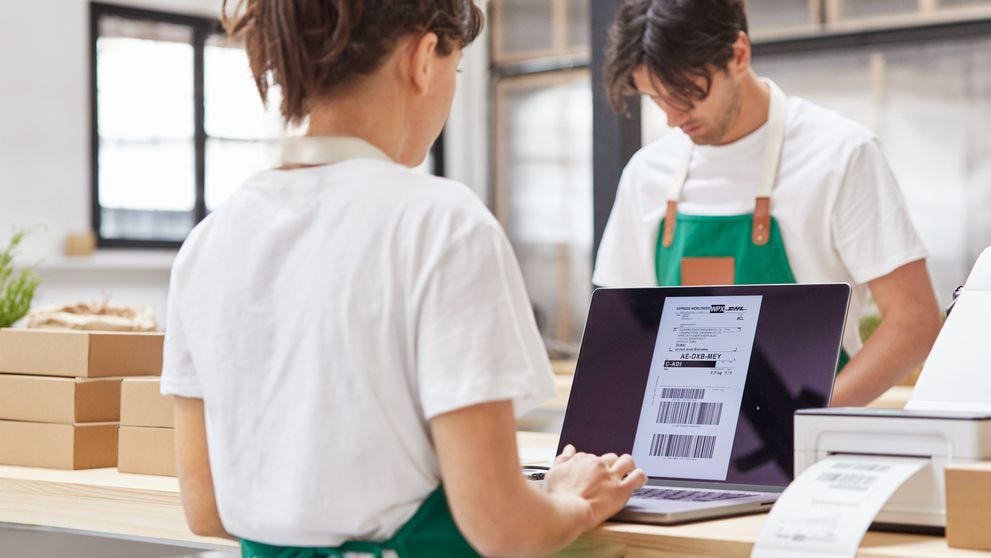
When you ship through a DHL Express Service Point, our international shipping specialists can help you understand destination-specific requirements, making it easier to share the unique taste and culture of Hong Kong with recipients around the world.
In general, tea and most types of teaware can be shipped internationally via express courier services. However, as tea is considered a food product, import requirements can vary by destination and may include:
To help ensure smooth customs clearance, it is important to check the latest import regulations and requirements of the destination country before shipping your tea or teaware. This can help reduce the risk of customs delays, additional inspections, or shipment returns.
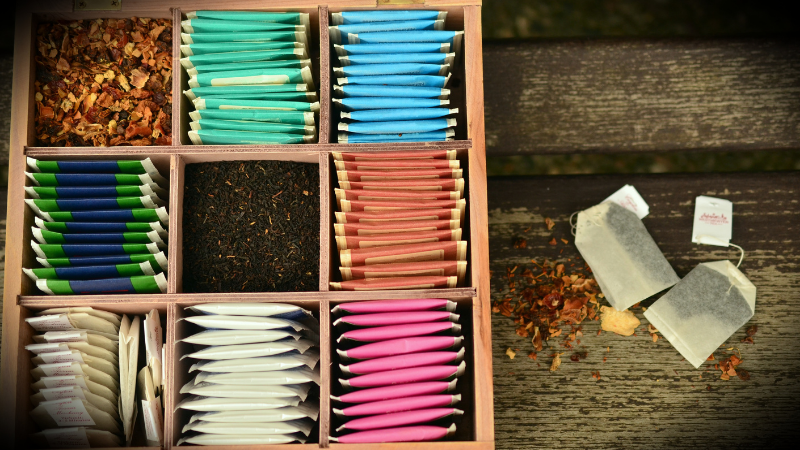
Singapore is a popular export market for tea products from Hong Kong.
Japan maintains relatively stringent regulations on food imports:
Japan's strong demand for premium tea products makes it a popular destination for many Hong Kong tea brands and tea enthusiasts.
Malaysia is one of the key export markets for tea and teaware from Hong Kong. However, tea and related products must comply with local customs and regulatory requirements.
As regulatory requirements may vary depending on the type of tea or tea product, shippers are advised to confirm product classifications and the latest import regulations before shipping to ensure smooth customs clearance.
The Philippines has relatively strict food import regulations:
Before shipping, it is advisable to confirm the receiver's import eligibility and intended use of the products (personal use or commercial use) and review the latest import regulations to facilitate a smoother customs clearance process.
In addition to tea leaves, many customers also ship:
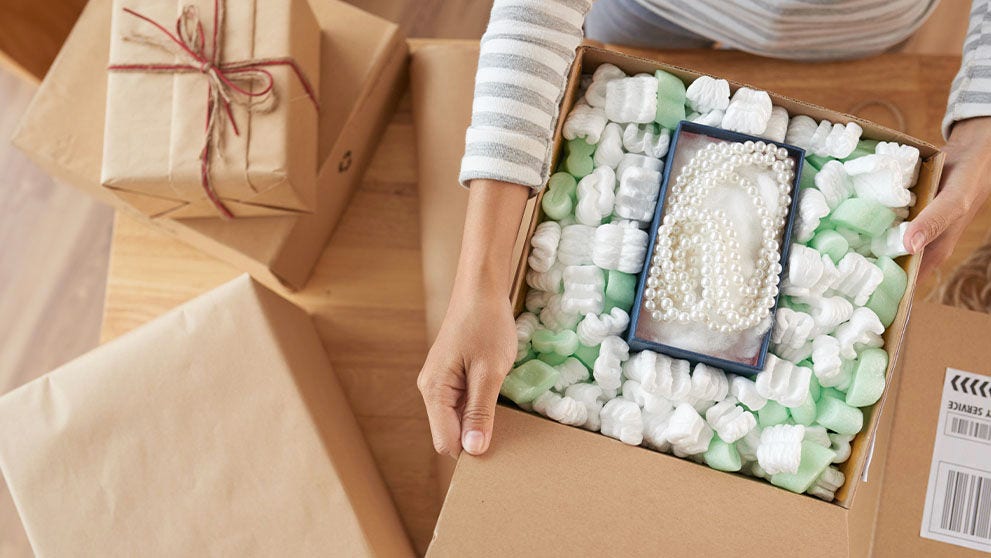
Most teaware is made from ceramic, glass, or other fragile materials, so it is important to ensure proper packaging before shipping to help reduce the risk of damage during transit.
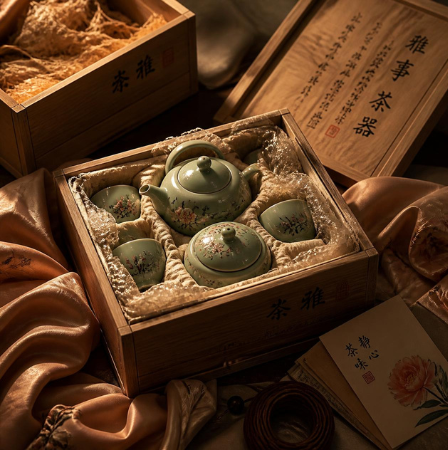
For high-value, limited-edition, or collectible teaware, consider purchasing Shipment Insurance to provide additional protection for your shipment and greater peace of mind when shipping valuable items internationally. You should also accurately declare the shipment value and retain relevant purchase receipts or supporting documents for reference if needed.
To help ensure smoother customs clearance and delivery, consider the following tips before sending tea or teaware internationally:
Accurate and detailed product descriptions can help customs authorities identify your goods more easily and reduce the risk of delays. For example:
Avoid using vague descriptions such as “Tea”, “Gift”, or “Souvenir”, as these may result in additional inspections or clearance delays.
Whenever possible, retain the original packaging and labels for tea products. Product information such as the product name, ingredients, net weight, and country of origin can help customs authorities and regulatory agencies understand the nature and intended use of the goods.
This is particularly important for herbal teas, floral teas, fruit-infused teas, and other specialty tea products containing botanical ingredients, as some destinations may require additional inspection or supporting documentation.
Many countries and territories impose quantity or weight limits on imported food products intended for personal use. Shipments exceeding these limits may be classified as commercial imports, which could require additional permits, import licences, duties, taxes, or quarantine inspections.
For example, some destinations only permit limited quantities of tea for personal consumption, while larger shipments may be subject to commercial import requirements. Before shipping, make sure you understand the latest regulations in the destination country and declare your shipment according to its intended purpose.
Import requirements for tea and tea products can change over time. Before sending your shipment, it is advisable to review the latest regulations published by the destination country's customs authorities and relevant government agencies.
You can also use DHL MyGTS (My Global Trade Services) o check destination-specific import restrictions, duties, taxes, and required documentation, helping to reduce the risk of customs delays, additional inspections, or returned shipments.
Whether you're sending a thoughtful gift, sharing your favourite tea with family and friends overseas, or expanding your business into international markets, tea and teaware remain popular items for cross-border shipping. With DHL Express, you can easily ship Hong Kong's signature teas and finely crafted teaware to destinations around the world. Backed by our global network and customs clearance expertise, DHL Express helps you understand destination-specific requirements and navigate international shipping with greater confidence.
Simply visit your nearest DHL Express Service Point to send tea leaves, tea gifts, and teaware overseas, and share the rich flavours and traditions of Hong Kong tea culture with loved ones, customers, and business partners around the globe.
Yes. However, import requirements for tea vary by country and region. Some destinations may require import permits, while others may impose quantity or weight restrictions on tea shipments.
Yes. It is recommended that loose-leaf tea be packed in sealed packaging and clearly labelled with the product name and contents to facilitate customs clearance.
In general, teaware is not classified as a restricted item. However, as many teaware products are made of fragile materials such as ceramic or glass, enhanced protective packaging is strongly recommended.
DHL Express offers a global network, professional shipping advice, and customs clearance support to help you ship tea and teaware overseas with greater confidence and convenience.


 Share
Share