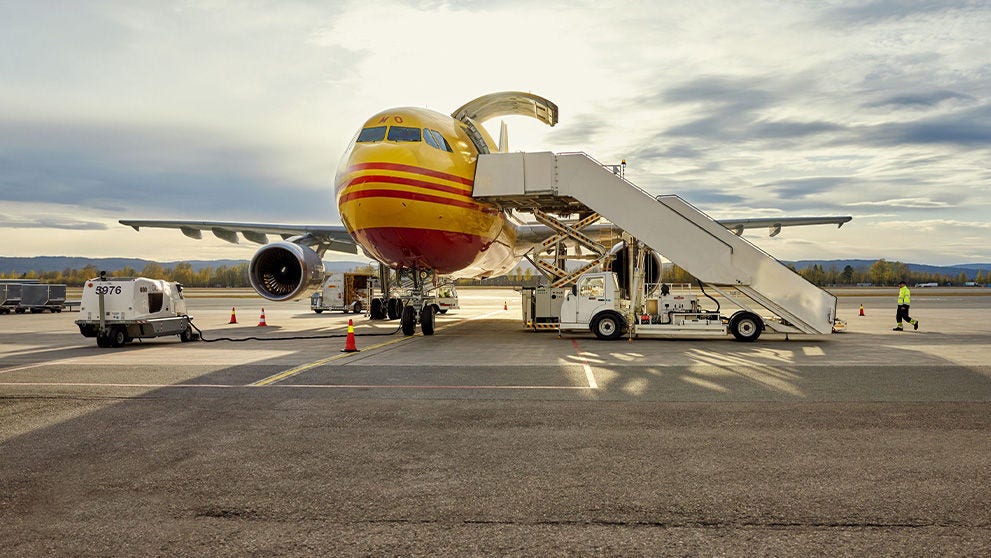
We use a global air network and specialised ground handling to move dense, heavy IT assets. This includes priority loading on our own aircraft to ensure your racks move without the delays of standard freight.

Heavyweight Support: Moving pre-configured racks requires a global network that can handle extremely heavy, high-value IT equipment.
Regional Hub Growth: Established hubs such as Singapore and Johor continue to expand, while rapid investment is also taking place in emerging locations such as Jakarta.
Security Protocols: High-standard ground handling and TAPA-certified facilities help protect your infrastructure from physical risks.
Speed to Rack: Specialist air freight handling helps ensure your IT assets arrive ready for deployment to meet tight installation windows.
Data centre logistics is a high-risk task because the cost of failure includes both your hardware and your data uptime. A fully loaded 42U server rack can be worth between Rp865,000,000 and Rp4,325,000,000. You need a partner that treats your infrastructure like the heart of your business.
Shipping a server rack requires more than standard freight. It is a move where the hardware is as sensitive as the data it holds. We provide the technical support and air network speed to help ensure your equipment arrives in perfect working condition. This guide shows you how to manage the risks of hyperscale deployments in 2026.
Server racks are among the heaviest and most sensitive items in the global supply chain. You need a partner with the aircraft capacity and ground equipment to move these dense loads across borders. As your trusted partner, we understand the unique challenges of serving Indonesia’s archipelago, and our network is designed to support these heavy shipments:
Global Heavyweight Network: We use a dedicated aircraft fleet to move large-scale IT infrastructure between major global hubs.
Priority Air Handling: Your racks receive high-standard handling at our hubs to minimise the risk of physical stress.
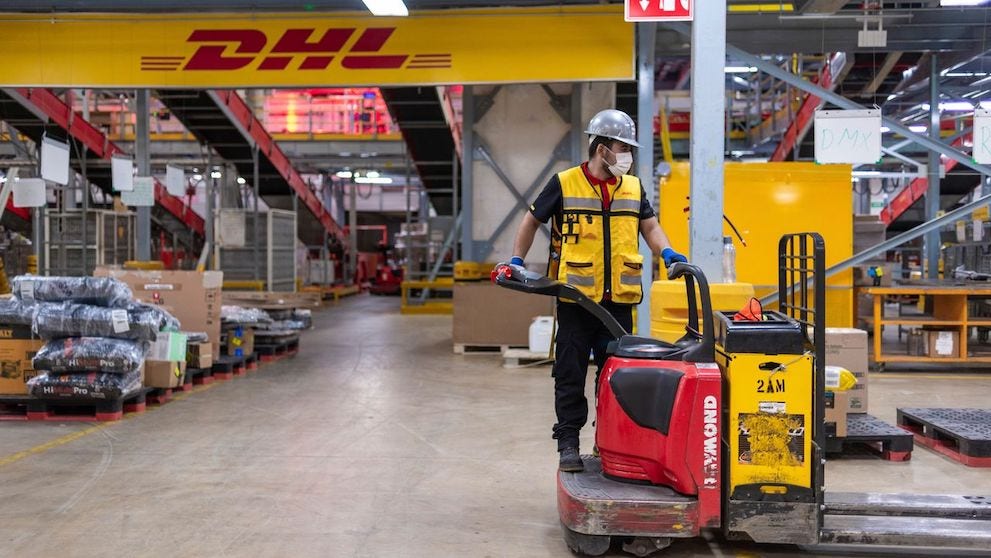
Specialised Equipment: We use reinforced loading equipment and high-capacity lifts to manage the extreme weight of fully populated racks.
Vibration is a major risk for pre-configured racks. While road conditions vary, our air-based network helps reduce the total time your equipment spends in transit. This minimises exposure to environmental risks.
You should follow specific packing standards to protect your hardware. We provide guidance on suitable packaging to help keep your racks stable throughout the journey. High-value moves require a stable environment from start to finish. Proper hyperscale data centre shipping cannot risk hardware arriving with internal damage.
Service Aspect | Standard Freight | DHL Data Centre Support |
|---|---|---|
Network Focus | Mixed cargo shared routes | Priority air freight handling |
Transit Speed | 3 to 5 business days | Next Flight Out (NFO) or Same Day |
Security | General warehouse storage | TAPA-certified air hubs |
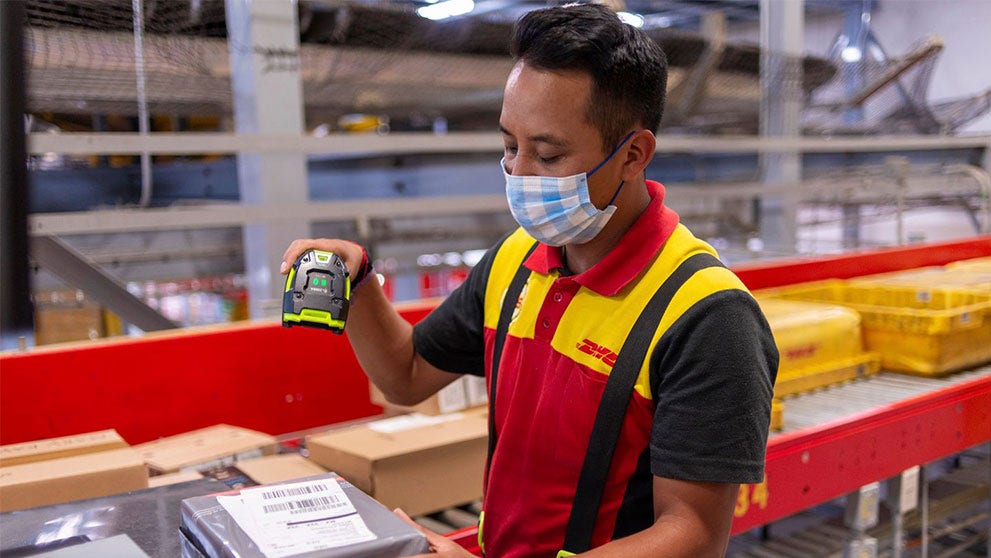
Visibility | Milestone tracking | Real-time global tracking |
Physical security is a form of data security. High-value servers often contain sensitive proprietary data that must stay protected. We use secure air cargo handling and TAPA-certified facilities where available to reduce risk. Our security protocols include:
Verified Chain of Custody: We provide a documented trail of every person who handles your shipment within our network.
Secure Hub Handling: Our major air hubs, such as Soekarno-Hatta Airport, have advanced monitoring and restricted access zones for high-value cargo.
Hard-Sided Containers: We use solid-walled air containers and locking systems to help prevent unauthorised access.
The APAC region is split between established gateways and fast-growing emerging markets. Singapore remains the leading hub due to its strong subsea cable connectivity and focus on green data centres. Other established hubs include Tokyo and Osaka for AI investment, Sydney for the Oceania region, and Hong Kong for high connectivity.
We are also seeing rapid growth in emerging hubs. These cities are becoming essential for regional cloud services:
Johor, Malaysia: This area is seeing major spillover from Singapore, with new data centre parks being developed.
Jakarta, Indonesia: Data localisation regulations are driving strong domestic demand for new capacity.
Mumbai, India: Rapidly growing data consumption is leading to large-scale hyperscale projects.
Bangkok, Thailand: An emerging location for regional cloud services and AI infrastructure.
The Sijori Growth Triangle linking Johor, Singapore, and Batam is becoming a connected ecosystem for the industry. Our network links these major zones to help keep your refresh cycles on schedule.
Incorrect documentation leads to costly port delays. This can cost thousands of dollars per day in lost productivity for your IT teams. You need to get your duty classifications right the first time.
Our in-house customs brokerage service, known locally as PPJK (Pengusaha Pengurusan Jasa Kepabeanan), helps manage the paperwork for you. We assist with permanent imports and temporary imports using ATA Carnets where needed. This is useful for demo equipment or temporary testing. Tax laws change often across the APAC region:
Tax Impact: You must account for specific tax implications in Indonesia, including 11% VAT (Pajak Pertambahan Nilai) and applicable Article 22 Import Income Tax (PPh Pasal 22 Impor) on imported goods. Classification errors can lead to reassessment by the Directorate General of Customs and Excise (Bea dan Cukai), which may result in higher-than-expected duties and taxes.
Budget Accuracy: Small errors in tax calculations can disrupt your total project budget. It is important to note that some types of electronic goods may require a Surveyor Report (Laporan Surveyor or LS) or pre-shipment inspection report for verification.
Data centres are under pressure to reduce their carbon footprint. While we do not provide equipment disposal, we help you reduce emissions from the transport itself.
Our GoGreen Plus service allows you to use Sustainable Aviation Fuel (SAF) to lower your carbon footprint. This is an essential tool for meeting your corporate ESG targets. We also offer carbon reporting tools so you can see the environmental impact of your global IT deployments in real time.
Uptime is won or lost during the deployment phase. When you rely on generic transport for hyperscale infrastructure, you leave your hardware integrity to chance. A specialised approach to heavyweight air freight is the only way to meet 2026 connectivity demands.
Look at your current deployment windows. If your refresh cycles are slow or customs delays are increasing, it is time to change your logistics partner. We can help you build a more resilient path for your most sensitive IT assets.
We use a global air network and specialised ground handling to move dense, heavy IT assets. This includes priority loading on our own aircraft to ensure your racks move without the delays of standard freight.
We provide a secure air network with TAPA-certified hubs and a verified chain of custody. You can track your high-value hardware in real time through MyDHL+ to ensure total visibility.
Yes, our in-house PPJK customs brokerage teams assist with duty classification and paperwork. We also support temporary imports for testing equipment to help you avoid unnecessary tax costs.
While Singapore and Tokyo remain established leaders, we are seeing major investment in Johor, Jakarta, and Mumbai. These cities are growing due to local data regulations and regional AI infrastructure needs.
We offer time-definite services such as Next Flight Out (NFO) to help you meet strict installation schedules. This ensures your equipment arrives when your technicians are ready to begin setup.


 Share
Share