Shipping cosmetics and makeup internationally requires careful packaging, as these products can break, leak, or be damaged during transport. Since powders can crack and liquids may spill, you need the right materials and packing steps to protect them. By understanding how to pack each item correctly and following international shipping rules, you can avoid delays, damage, and extra costs.
The global appeal of Indonesian cosmetic products
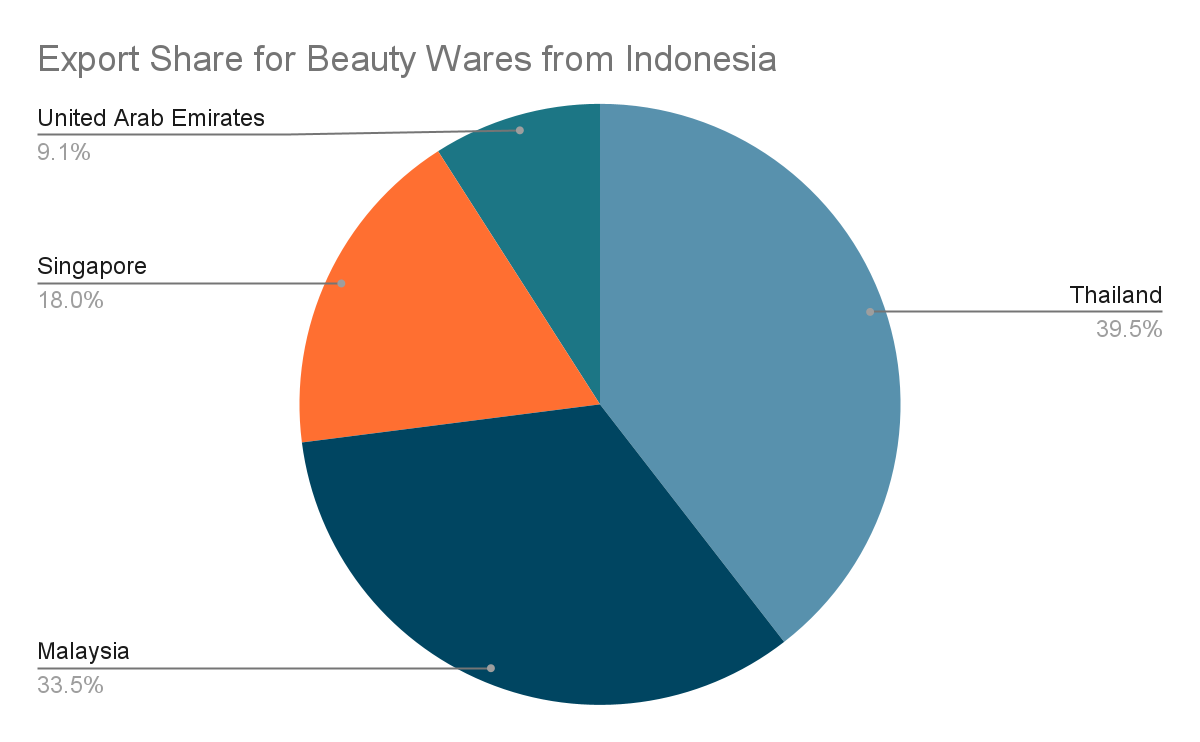
The beauty export story of Indonesia is gaining momentum and attracting global attention. In 2023, Indonesia’s exports of beauty products reached around US$140.6 million. While that figure still places Indonesia behind major global exporters, the upward movement signals that local brands are beginning to step into the worldwide arena.
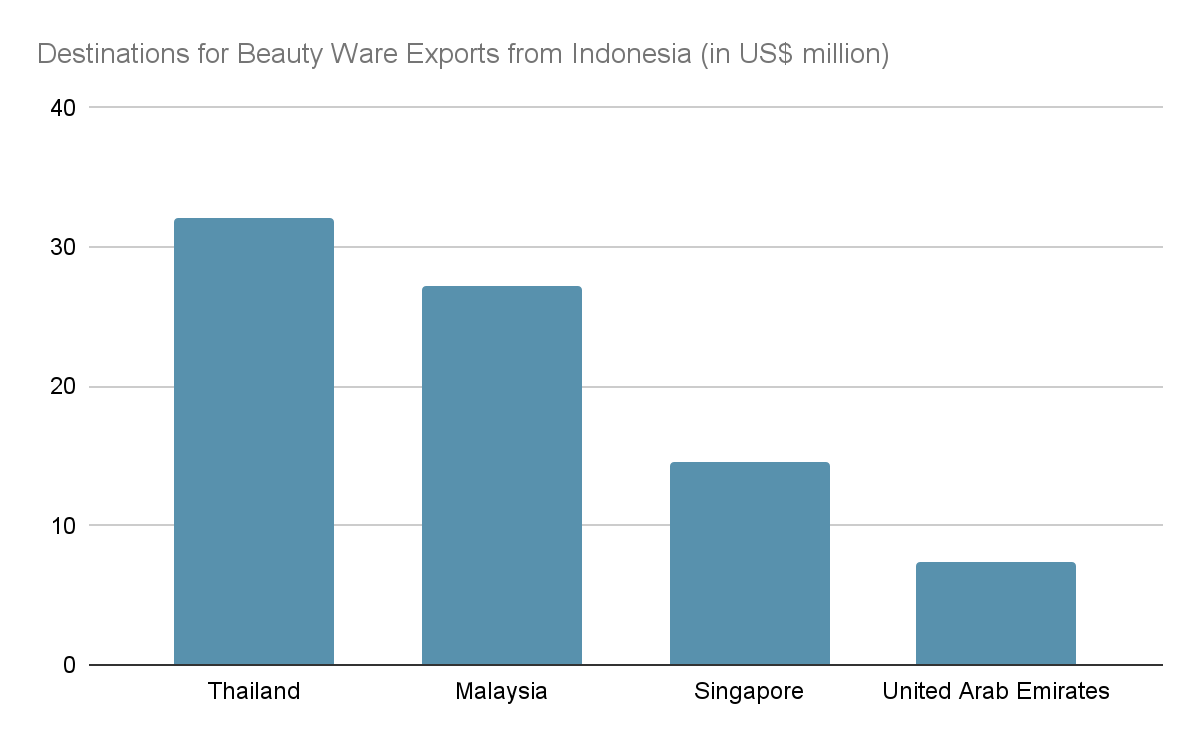
When it comes to destinations, Indonesia is sending its beauty wares to a variety of markets, especially within Asia and the Middle East. For example, in 2023, a significant share of exports went to Thailand (US$32.1 million), Malaysia (US$27.2 million), Singapore (US$14.6 million), and the United Arab Emirates (US$7.36 million).1
This expansion is supported by several factors that combine to give Indonesian cosmetic brands a more visible global footprint.
- Distribution channels have become more sophisticated. Local companies are leveraging e-commerce, boosting online retailing across domestic and export markets.
- Second, social media and influencer-driven marketing have empowered local brands to punch above their weight.
- Moreover, local brands are increasingly blending global beauty trends with Indonesian ingredients and narratives, giving them a unique flavour which appeals both at home and abroad.
Due to these trends, the global growth opportunity for Indonesian cosmetics is strong. With rising income levels, growing digital activity, and supportive regional trade, local brands are well-positioned to expand. For businesses in this sector, now is the time to invest in export readiness, follow international standards, leverage e-commerce and influencers, and focus on markets where Indonesian beauty products are gaining traction.
Key challenges in shipping cosmetics
Shipping cosmetics may seem straightforward at first, but beauty products come with unique risks that require extra care. Since these items vary in texture, packaging type, and sensitivity, even one small mistake can lead to damaged goods, delays, or unhappy customers. This is why proper packaging and a clear understanding of logistics are essential before sending products across borders.
Here are some common challenges you need to consider:
- Fragility: Many cosmetic items, including pressed powders, glass perfume bottles, and compact palettes, are prone to cracking or breaking under pressure and during shipping. Even gentle handling does not always prevent impact damage, so protective packaging is key.
- Leaks: Liquids and creams, such as lotions, foundations, and serums, can leak if not tightly sealed. A small spill can ruin the product, stain other items in the parcel, and even cause issues for nearby shipments. Therefore, properly sealing containers and using leakproof layers is important.
- Temperature sensitivity: Some cosmetic products react to temperature changes during long-distance travel. For example, lipsticks and balms may melt, while skincare items can separate or spoil when exposed to heat or cold. As a result, choosing the right packaging materials and shipping conditions is crucial to maintaining product stability.
- Regulations: Different countries enforce their own rules for importing cosmetics, especially those containing certain ingredients, such as alcohol or active chemicals. In addition, import duties, customs checks, and paperwork must be handled carefully to avoid delays or fines. Understanding these regulations in advance helps ensure a smooth export from Indonesia.
Guide to proper packaging for shipping different cosmetic types
Different types of cosmetics require specific packaging methods to stay safe during international shipping. Since each product behaves differently in transit, careful preparation helps prevent leaks, breakage, and contamination.
1. Liquids, creams, and lotions
Liquids and semi-liquid products need extra attention, because even a small leak can damage the entire parcel. To reduce this risk, use airtight containers with leak-proof caps and check that lids are secure before packing.
As an added layer of protection, seal each item in a plastic bag or film to contain any accidental spills. Next, wrap the container individually in bubble wrap to cushion movement and place it in a sturdy box.
2. Powders and palettes
Powder-based cosmetics, such as face powders and pressed eyeshadows, are prone to cracking when handled roughly. To prevent shattering, secure the product surface with a piece of plastic film or a cotton pad before closing the lid.
After that, wrap each palette in bubble wrap to provide a protective layer on all sides. Since movement can cause damage, pack them in a tight-fitting box that limits shifting, and use extra padding if needed to keep everything steady.
3. Fragrances and glass bottles
Fragrances and other products in glass bottles require extra reinforcement, as glass containers are vulnerable to impacts. Start by taping the bottle cap to prevent it from loosening during transit. Then wrap the bottle generously in bubble wrap for cushioning.
For maximum safety, double-box fragile items: place the wrapped bottle in a smaller box filled with cushioning material, then place that box inside a larger, sturdier outer box. Using this layered method helps absorb shocks and protects the bottle from breakage.
4. Soaps and solid products
Solid beauty items like soaps and balms are generally easier to pack, yet they still need proper protection. First, wrap them in breathable material to prevent moisture buildup, which can affect texture and scent.
Next, place them in a sturdy box with suitable cushioning to stop shifting. Finally, seal the outer box completely to keep out humidity and dust, ensuring the products arrive clean and secure.
Best practices for exporting Indonesian cosmetics
1. Navigating export regulations
To successfully export Indonesian cosmetics, businesses must comply with national regulations. This starts with obtaining approval from the Badan Pengawas Obat dan Makanan (BPOM) to ensure products meet Indonesia’s safety and quality standards before entering international markets.
In addition, halal requirements are becoming a key part of cosmetic compliance. According to BPJPH officials, halal certification will be mandatory for cosmetic products after October 17, 2026, under Government Regulation Number 42 of 2024. This shift reflects strong consumer demand, especially among Muslim buyers who prefer products with certified halal labels.
Key points to note include:
- BPOM certification is required to confirm compliance with national standards.
- BPJPH is actively conducting education and outreach to support cosmetic businesses.
- Early halal certification builds trust and supports stronger market appeal.
- Regulations must be checked for each destination country, as requirements differ.
2. Completing essential export documents
Accurate export documents are essential for shipping cosmetics overseas. Since customs authorities rely on paperwork to verify product details, values, and legality, even small mistakes can lead to delays, penalties, or returned goods.
Therefore, exporters must ensure every form is filled correctly before shipment. A commercial invoice is mandatory for all international orders, as it lists product information, pricing, and exporter details. In addition, clear item descriptions and correct Harmonized System (HS) codes help customs officials easily identify beauty products and apply the correct duties.
Key documents and details to prepare include:
- Commercial invoice with accurate product and pricing information
- Clear product descriptions that match online and product labels
- Correct HS codes for cosmetics to avoid duty issues
- Consistent packing list information for added clarity
3. Partnering with a reliable logistics partner
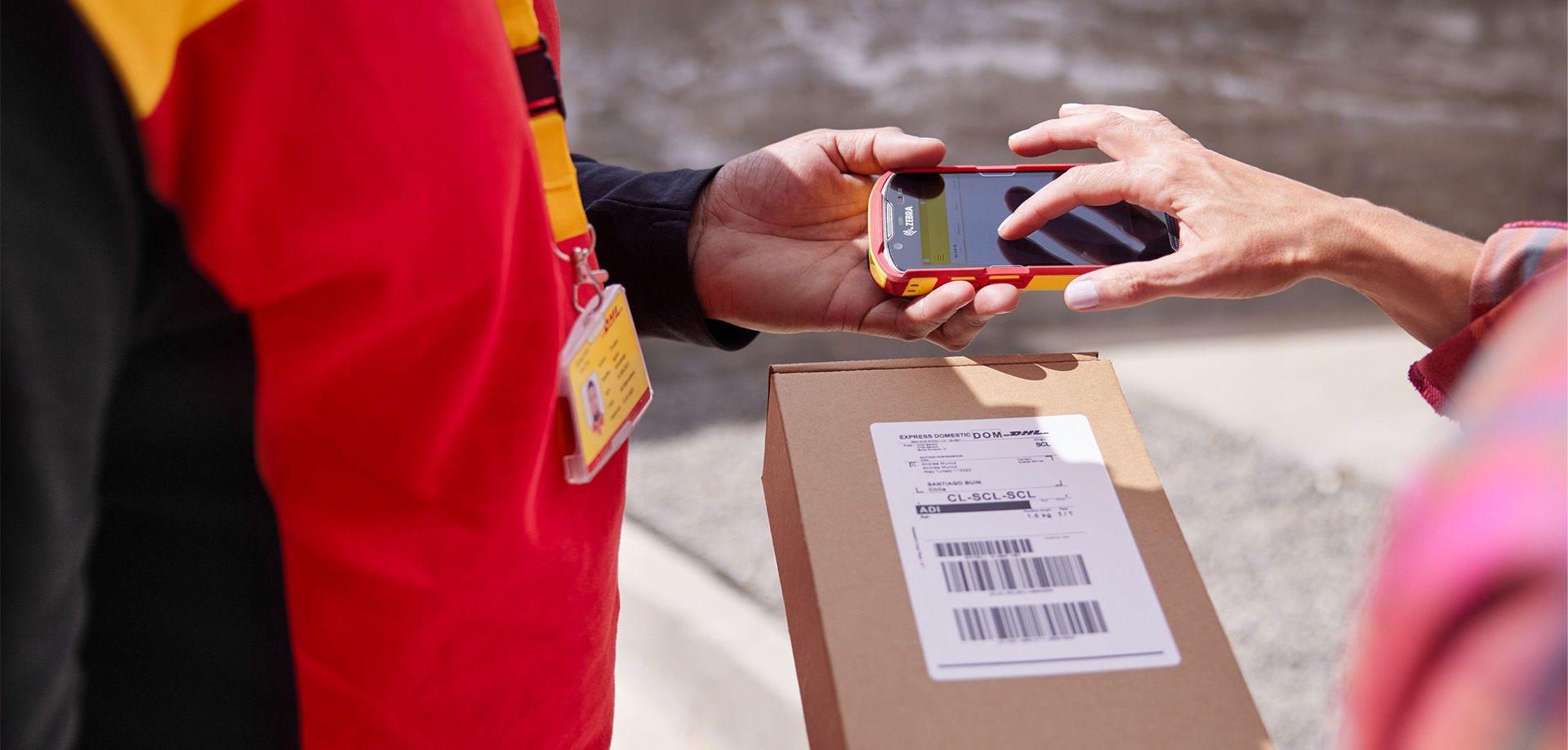
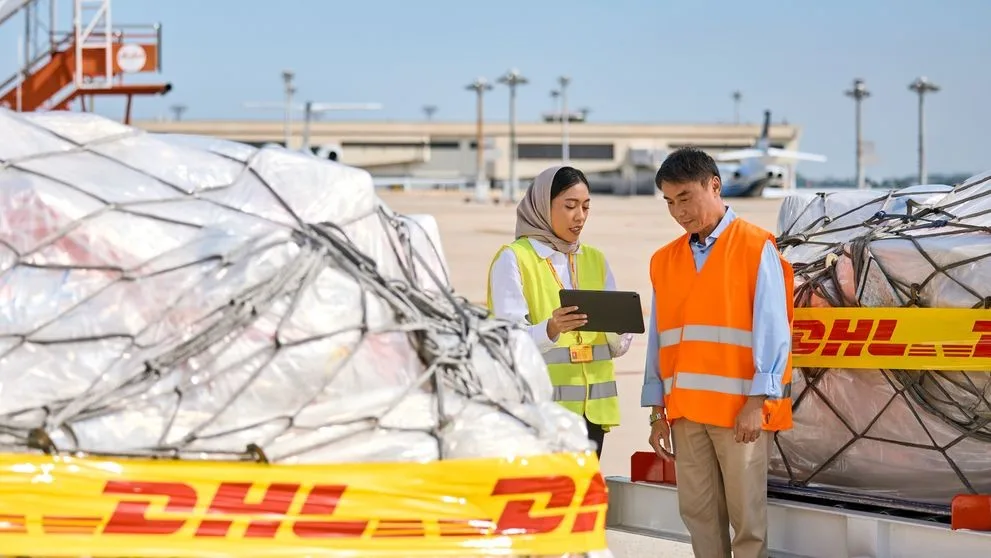
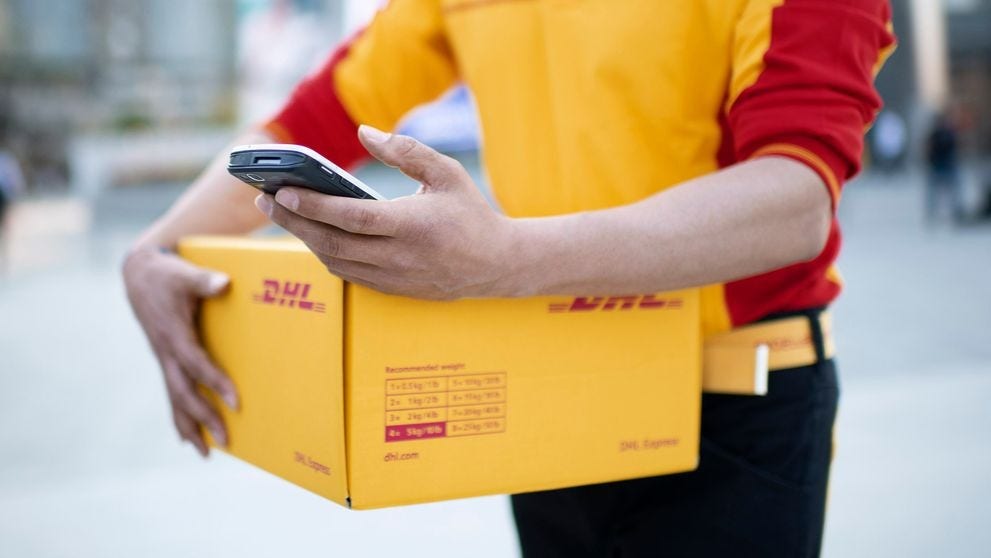
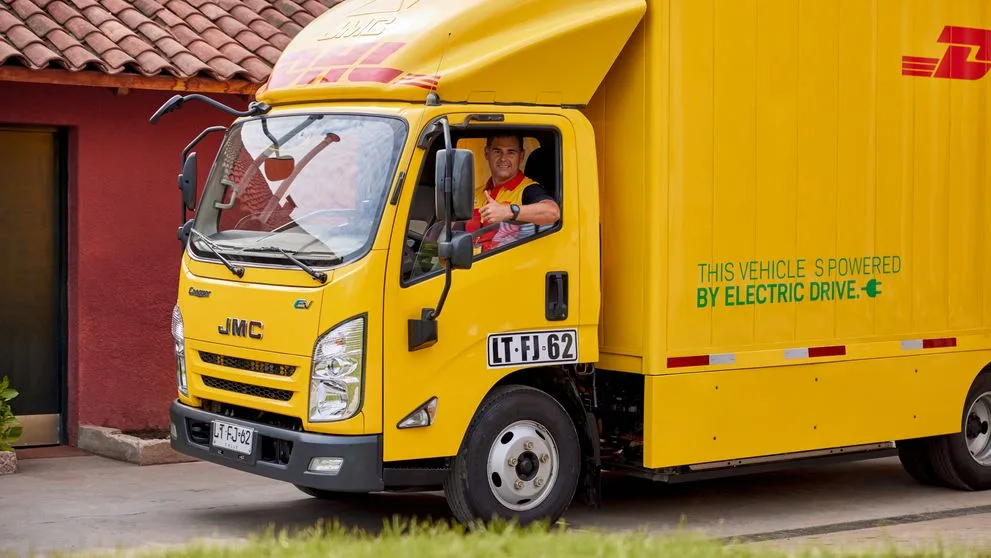
After meeting regulatory and documentation requirements, the next step is ensuring safe delivery. This is where partnering with a reliable logistics provider, such as DHL Express, becomes essential. We help simplify complex shipping processes by offering expert guidance on packaging fragile cosmetic products, protecting shipment value, and handling customs duties smoothly.
Moreover, our transparent package tracking service provides sellers and buyers with real-time updates, which are especially helpful when shipping delicate items such as glass bottles or liquid formulas.
Export Cosmetics Smoothly and Securely with DHL Express

Since cosmetics are sensitive to impact, temperature, and handling, taking the proper steps, from labelling to protective packaging, ensures products arrive in good condition. At the same time, understanding export rules and preparing accurate documents helps avoid delays and costly disruptions during shipping.
With the proper knowledge and a reliable international shipping partner, overcoming these challenges is entirely achievable. By working with DHL Express, beauty brands in Indonesia gain expert support, advanced tracking, and secure delivery solutions designed for fragile and high-value products.
Partner with DHL Express today and let us help you grow in global markets.


 Share
Share
Similar Stories