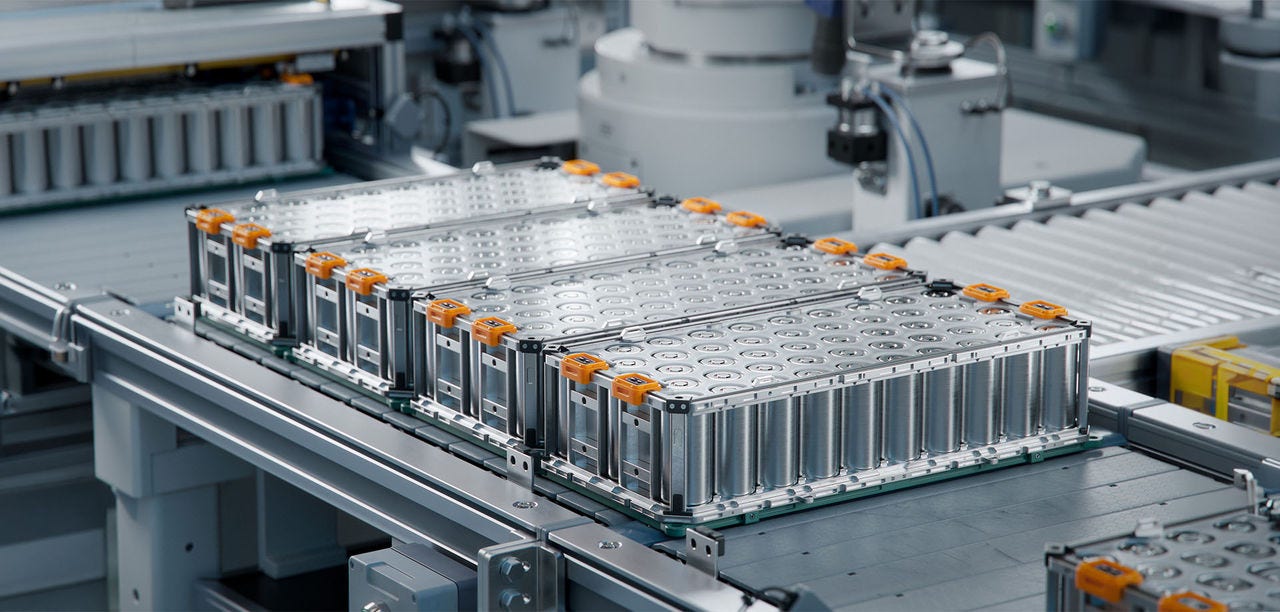
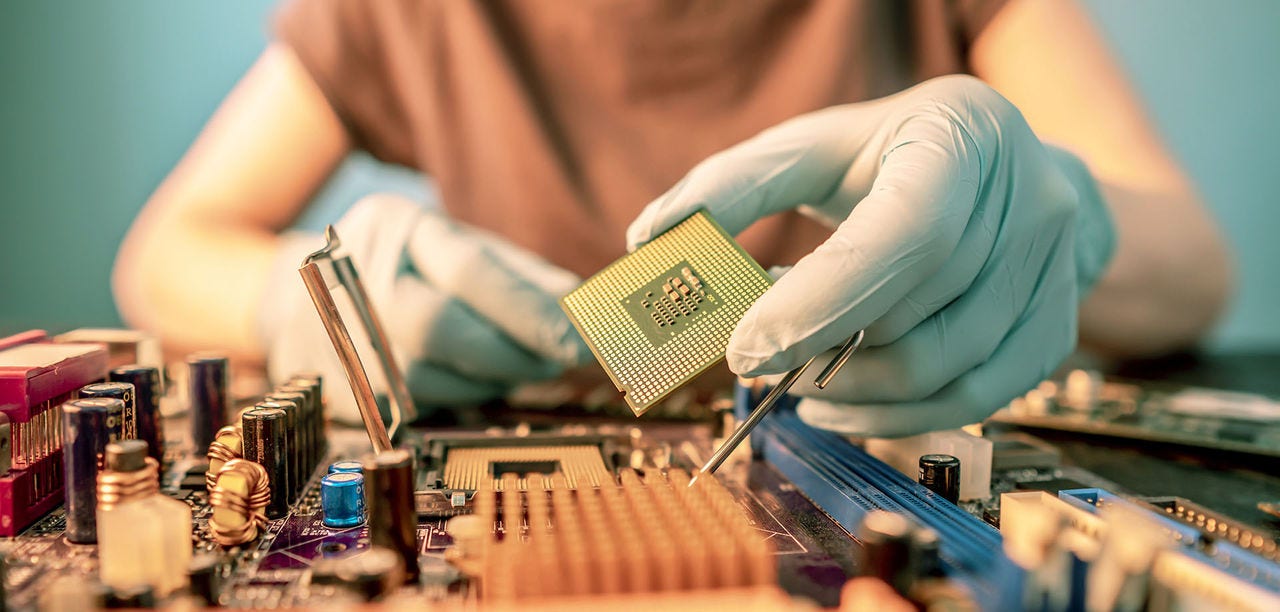
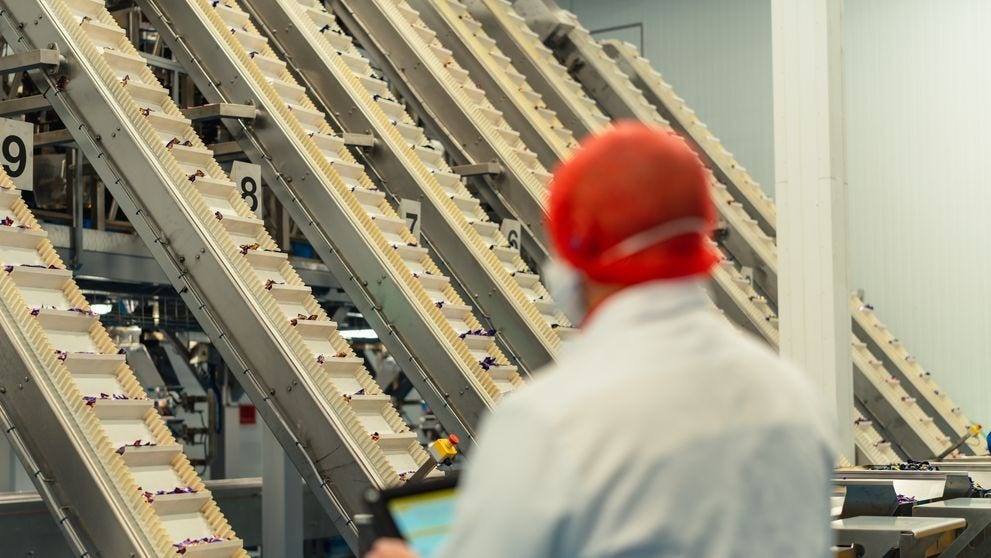
Ranked 26th globally for semiconductor device exports,1 Indonesia is steadily expanding its semiconductor sector through targeted government initiatives, increased R&D investment, and the development of advanced production facilities. Strategic international partnerships, such as collaborations with universities in the United States and Singapore, are further strengthening national capabilities in semiconductor manufacturing and talent development. These efforts position Indonesia as a rising hub for semiconductor supply in the region.2
For Indonesian businesses looking to participate in this growing industry, a clear understanding of the landscape, its potential risks, and emerging opportunities is essential. With the government actively implementing policies to strengthen the country’s semiconductor ecosystem, the private sector is well-positioned to leverage these initiatives. By aligning strategies with national development goals, businesses can fully capitalise on Indonesia’s semiconductor export potential and contribute to the country’s growth as a regional technology leader.
Understanding semiconductor commodities
Semiconductor commodities encompass the essential raw materials, components, and processed semiconductor products that power today’s digital world. These include microprocessors, memory modules, discrete power devices, sensors, and integrated circuits (ICs), all of which enable the functioning of smartphones, vehicles, computers, industrial machinery, and countless smart technologies.
On the global stage, semiconductor production is highly specialised. Taiwan and South Korea dominate chip fabrication, leading the world in advanced manufacturing nodes. The United States excels in chip design, producing high-performance processors and AI chips. Meanwhile, the Netherlands holds over 80% of the global market for lithography machines, the critical equipment used to manufacture modern chips.3
This concentrated dominance highlights the complexity of the global semiconductor supply chain and the increasing pressure on emerging markets to strengthen their roles. As global demand for semiconductors continues to surge, driven by AI, electric vehicles, 5G expansion, IoT devices, and automation, countries like Indonesia must not only compete but also carve out a strategic position within the value chain.
Indonesia’s semiconductor production landscape
The Indonesian semiconductor market reached an estimated USD 5.08 billion in 2025 and is projected to grow to USD 7.07 billion by 2030, representing a healthy CAGR of 6.79%.4 This growth is largely fuelled by Indonesia’s expanding electronics and automotive industries, with additional demand coming from sectors such as financial services, public administration, medical device manufacturing, and agriculture.
The country’s growing semiconductor ecosystem is also supported by several key supply-side advantages:
- Abundant raw materials that are essential for electronics and semiconductor components
- A strategic geographical location at the heart of Southeast Asia, enabling efficient regional and international trade
- Design houses and specialised facilities capable of supporting IC development, testing, and packaging
- A rapidly expanding electronics manufacturing base that creates strong downstream demand
- Established assembly, testing, and packaging (ATP) expertise, making Indonesia an attractive node for global semiconductor supply chains
- A young and growing talent pool, supported by academic partnerships and government upskilling programmes
- Increasing investment in R&D, particularly in microelectronics and semiconductor process innovation5
Export performance and key markets
Indonesia’s semiconductor export is dominated by integrated circuits (ICs), which accounted for 84.6% of the country’s semiconductor market share in 2024. This strong performance highlights Indonesia’s established role as a key assembly and testing hub for automotive electronics, communication devices, and computing logic components.
The country’s export capacity for IC-related back-end services is expected to grow further, supported by major foreign investments, such as Infineon’s expansion of its backend operations in Batam.
Apart from ICs, sensors and MEMS (Micro-Electro-Mechanical Systems) exports from Indonesia are also increasing, which are projected to grow at a CAGR of 8.1% through 2030. This surge is closely linked to rising IoT adoption, electric vehicle development, smart agriculture, and industrial automation, sectors that increasingly rely on sophisticated sensing technologies.
Meanwhile, optoelectronic components, such as LEDs and optical sensors, are gaining traction, driven by Indonesia’s ongoing smart-city initiatives and demand for energy-efficient lighting technologies.6
Challenges and opportunities in exporting semiconductor commodities
Analysing the challenges and opportunities in Indonesia’s semiconductor industry is essential for businesses aiming to succeed in the long term. By identifying potential barriers and growth prospects, companies can develop strategies that enhance competitiveness, support sustainable growth, and capitalise on emerging market trends.
Barriers to Semiconductor Exports
Despite its continuous growth, Indonesia’s semiconductor sector faces several hurdles across policy, human capital, infrastructure, and R&D, which can affect the country’s ability to fully realise its export potential.
1. Policy and regulation
- The absence of a clear national semiconductor strategy and a coordinated leadership structure creates uncertainty for investors.
- Ambiguous policies on investment screening and approvals, coupled with complex import and export regulations, can impede trade efficiency.
- Limited mechanisms for knowledge transfer and collaboration among government agencies, industry players, and academic institutions hinder the development of a cohesive, competitive semiconductor ecosystem.
2. Human capital
- There is a shortage of skilled semiconductor professionals, including engineers and technicians, while university curricula often may not align with the sector’s specialised needs.
- Access to semiconductor-focused education, training programmes, and certifications remains limited, and the industry faces challenges in retaining highly skilled talent, leading to persistent brain drain.
3. Infrastructure
- Domestic processing capacity for raw semiconductor materials is limited, and industrial zones are not fully aligned with the specific requirements of semiconductor manufacturing.
- Inadequate support systems, including utilities, cleanroom facilities, and testing infrastructure, also restrict scaling opportunities.
- Environmentally sustainable manufacturing facilities are still in the early stages of development, limiting long-term resilience and competitiveness.
4. Research & development and commercialisation
- The absence of a centralised semiconductor R&D hub restricts coordinated research initiatives, while reliance on foreign licensing and technology limits domestic innovation.
- Financial support for R&D remains insufficient, and the lack of structured collaboration frameworks between universities, government agencies, and private companies weakens the overall innovation ecosystem.
Key recommendations for strengthening Indonesia’s semiconductor growth
Some of the ways Indonesia can build a robust and competitive semiconductor ecosystem can include the following:
1. Policy and regulatory frameworks
- Develop and implement a comprehensive national semiconductor strategy that clearly defines investment priorities, export targets, and industry development goals.
- Simplify and streamline regulatory processes to attract both domestic and foreign investors, including reforms in import/export licensing, investment approvals, and tax incentives.
- Establish a centralised coordination body to ensure consistent policy implementation across government agencies and alignment with industry needs.
2. Human capital and talent development
- Universities and technical institutes should incorporate semiconductor-specific curricula, while vocational training and certification programmes should focus on practical skills required in fabrication, assembly, testing, and R&D.
- Encourage partnerships with multinational semiconductor companies to provide on-the-job training, mentorship, and knowledge transfer opportunities.
- Implement retention strategies such as competitive compensation, career growth pathways, and research grants to reduce talent outflow.
3. Infrastructure development
- Upgrade industrial zones and facilities to meet the specific requirements of semiconductor manufacturing, including cleanrooms, testing laboratories, and reliable utility services.
- Expand upstream processing capabilities for key raw materials to reduce dependence on imports and strengthen supply chain resilience.
- Incorporate environmentally sustainable practices in manufacturing infrastructure to meet global compliance standards and support long-term growth.
4. Research & development and commercialisation
- Establish integrated R&D hubs that bring together academia, government, and industry to coordinate semiconductor research, innovation, and technology transfer.
- Reduce barriers to innovation by creating structured programmes for prototyping, incubation, and commercialisation of locally designed chips.
- Facilitate access to intellectual property and licensing opportunities to accelerate domestic innovation.
5. Innovation ecosystem and international collaboration
- Strengthen global partnerships to support strategic planning, skills development, and technology transfer. Encourage cross-border innovation initiatives and joint ventures that can accelerate Indonesia’s integration into the global semiconductor value chain.
- Collaborate with multinational semiconductor companies, international research institutions, and universities to access cutting-edge technologies, best practices, and new markets.

How a robust supply chain can improve Indonesia’s semiconductor industry
In addition to policy, talent, infrastructure, and R&D initiatives, a robust supply chain is crucial for driving growth and competitiveness in Indonesia’s semiconductor industry. Semiconductors are high-value, sensitive products that require precise handling, timely delivery, and careful coordination across multiple stages, from manufacturing and testing to assembly and export.
Partnering with an experienced logistics provider ensures that semiconductor commodities are transported efficiently and securely to international markets, reducing delays and minimizing risks. A well-managed supply chain not only supports export growth but also enables manufacturers to meet the rising global demand for advanced electronic components, automotive chips, IoT devices, and smart technology solutions.
Effective supply chain management also enhances traceability and transparency, enabling businesses to monitor shipments in real time and maintain high-quality control standards. This is particularly important for meeting regulatory compliance in key export markets such as the United States, China, and Europe.
Strengthen your semiconductor supply chain with DHL Express
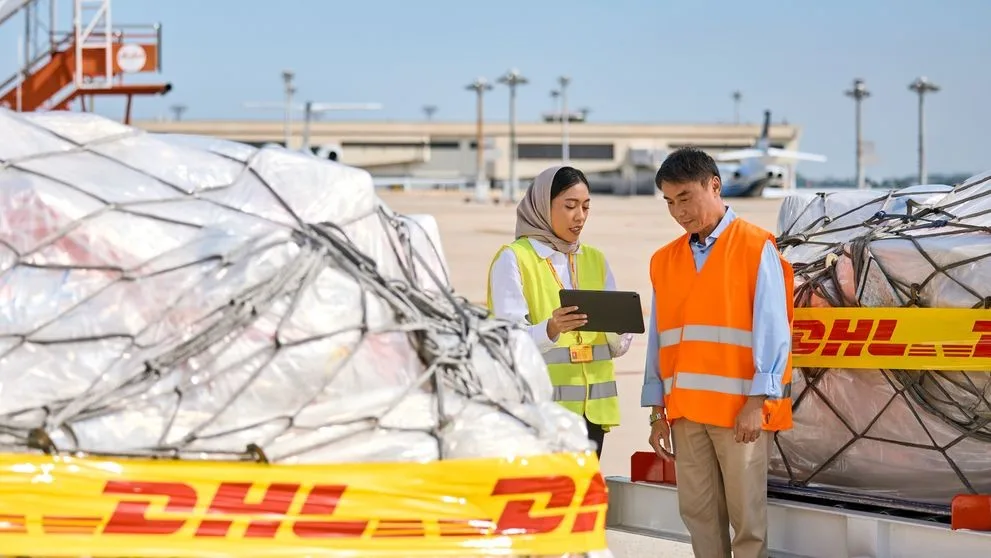
For businesses looking to scale their semiconductor exports, partnering with a trusted international logistics provider like DHL Express can be a game-changer. We offer specialised shipping services tailored for high-value, sensitive products such as semiconductors, including:
- Secure and reliable international delivery with end-to-end tracking
- Efficient customs clearance and documentation support to reduce delays
- Global network coverage connecting Indonesia to key markets worldwide
- Expert handling of high-value electronics to ensure product integrity during transit
By leveraging our expertise, semiconductor manufacturers in Indonesia can improve export efficiency, reduce supply chain risks, and gain a competitive edge in the international market. Open a business account with us today to get started.
For insights into shipping sensitive products, check out our guide on how to export electronic goods and how to export auto parts.


 Share
Share
Similar Stories