The global e-commerce stage is no longer a distant frontier; it's a world of boundless opportunity waiting for Malaysian entrepreneurs. Cross-border dropshipping offers a powerful pathway to establish a brand internationally and sell without the traditional complexities and high costs of inventory management. This low-barrier-to-entry model holds immense growth potential, making it an irresistible strategy for those looking to tap into global markets.
If you’re looking to build a profitable international company, this guide is your essential roadmap on how to successfully start, manage, and scale your cross-border dropshipping business from Malaysia.
1. Laying the foundation: Business setup in Malaysia
Every successful business, regardless of its scale, is built on a solid legal and financial foundation. For Malaysian dropshippers, this means getting the essential administrative groundwork right from the very beginning to ensure long-term stability and credibility.
Business registration
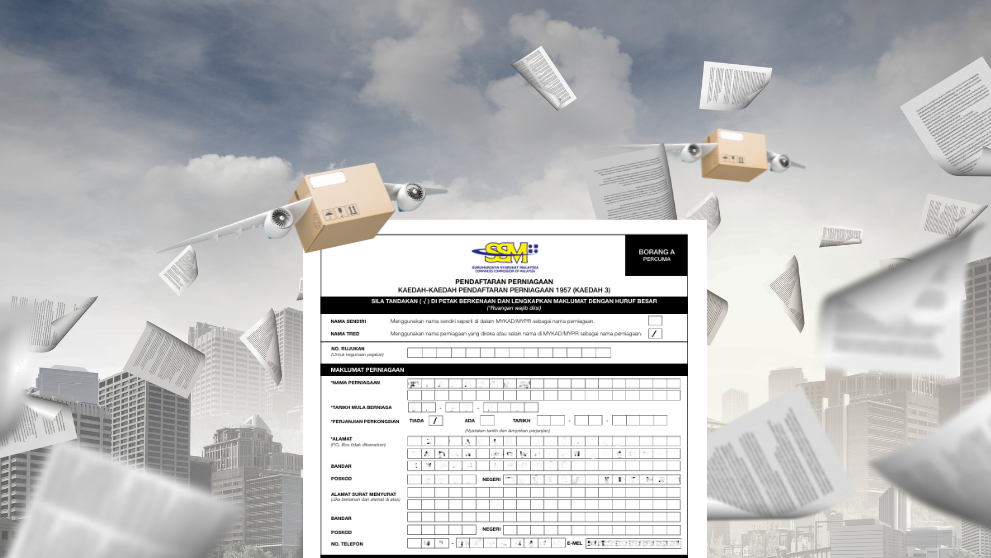
The critical first step is properly registering your dropshipping business with the Suruhanjaya Syarikat Malaysia (SSM), a statutory body that regulates corporate and business affairs in Malaysia. The most common structures for dropshippers include a Sole Proprietorship, a Partnership, or a Private Limited Company (Sdn Bhd).
- Choosing the right legal structure is vital for future scalability and liability protection.
Additionally, you'll need to be aware of other local permits or licenses that may be required for your specific business activities, such as a local council business premise license for home-based businesses, beyond the standard SSM registration.
Business banking and financial management
Setting up a separate business bank account is essential for clear financial tracking and professional credibility. This isn't just about segregating personal and business finances; it's about establishing an account that can handle international transactions efficiently, which might differ from a local business account focused solely on domestic dealings. A dedicated business account with multi-currency capabilities can save you on costly conversion fees and provide better exchange rates.
Beyond banking, basic financial tracking is a vital discipline for any dropshipper. It's the only way to monitor cash flow, track profitability, and prepare for tax obligations. A well-maintained financial record provides the data you need to make informed decisions about your business's health and growth. It is also one of the best ways to keep up with your ongoing transactions and identify any instances of vendor fraud.
Finally, a crucial part of this financial infrastructure is understanding and integrating reliable payment gateways that support international transactions. The right gateway not only ensures a seamless checkout experience for your customers worldwide but also helps with fraud prevention and simplifies the process of managing multi-currency earnings, which is crucial for smooth cross-border sales.
2. Product and supplier sourcing for global reach
The heart of a successful cross-border dropshipping business lies in identifying profitable products and partnering with reliable suppliers who can deliver globally. This stage is about strategically selecting items that resonate with international audiences and building a robust supply chain from Malaysia.
Identifying profitable products for global markets
Finding products that appeal to international markets requires a strategic approach beyond what's trending locally.
- Use keyword research tools: Utilize tools like Google Trends, Ahrefs, or Semrush to identify product demand and search volumes in your target countries, helping you pinpoint profitable, in-demand items.
- Analyze competitors: Study what successful dropshippers are selling in your chosen markets. Look at their product pages, marketing strategies, and customer reviews to find gaps you can fill.
- Identify problem-solving products: Focus on products that solve a specific problem for your target audience, as these often have a higher conversion rate and lower ad costs.
- Assess product viability: Look for products that are lightweight, durable, and have a low chance of being damaged in transit, making them ideal for cross-border shipping.
Partnering with reliable cross-border suppliers
The supplier you choose is your business partner. Your success is directly tied to their reliability and performance. You'll need to find and vet your network of suppliers carefully, whether through marketplaces like AliExpress, Doba, or SaleHoo, or by directly contacting manufacturers.
When choosing a reliable cross-border supplier, consider these critical criteria:
- Communication: They should be responsive and transparent in their communication, especially across different time zones.
- Product quality: Ensure they consistently provide high-quality goods that match your descriptions to enjoy high customer satisfaction and reduce returns.
- Shipping reliability: Confirm they use reliable shipping carriers and can meet delivery expectations for your international customers.
- Return policies: Their return and refund policies should be clear and manageable for you and your customers.
Beyond vetting, the importance of having a formal supplier agreement cannot be overstated. A clear agreement protects your dropshipping business by outlining terms for product quality, shipping times, pricing, and handling of returns, providing a legal safeguard against disruptions, disputes and vendor fraud.
3. Legal and tax compliance in Malaysia and beyond
To build a sustainable cross-border business, understanding and adhering to the legal and tax landscape is a non-negotiable step.
Malaysian tax obligations
As a Malaysian-based dropshipper, you are subject to local tax laws. You must declare your income from dropshipping and pay income tax to the Inland Revenue Board of Malaysia (IRBM), just like any other business.
Beyond income tax, you also need to be aware of the Sales and Service Tax (SST) implications. While dropshippers don’t hold physical inventory, if your annual revenue exceeds the MYR500,000 threshold in 12-month period, you may be required to register for SST and file returns1. This is especially important for the service tax component, as many dropshippers are now seen as providing a taxable service.
It’s also crucial to be aware of the 10% Sales Tax on Low-Value Goods (LVG), which applies to imported goods valued at MYR500 or less2, as this directly impacts the tax you and your customers will pay on your products.
International tax compliance
Your tax responsibilities don’t end at Malaysia’s borders. Expanding globally means you must understand and potentially collect taxes in the destination countries. A prime example is the European Union (EU), which abolished the VAT exemption for imported goods below EUR 22 on July 1, 2021. Now, for low-value consignments below a new EU-wide threshold of EUR 150, you, as the seller, are required to collect and remit the VAT at the point of sale rather than at the point of import3. Understanding these cross-border tax rules and your obligation to collect and remit them is critical for avoiding fines and customs delays in key markets like the EU.
Consumer protection laws
Understanding and adhering to consumer protection laws in your destination markets is non-negotiable for building trust and avoiding legal issues. Key consumer rights, such as the right to returns and warranties, vary significantly by country, making it essential to have localized policies. For instance, the EU's Consumer Rights Directive provides consumers with a mandatory 14-day "cooling-off" period where they have a right to withdraw their online purchases4, a rule that must be strictly followed.
Data privacy
Handling customer data securely is important in today's digital landscape. Non-compliance with data privacy regulations can lead to severe penalties and reputational damage. Key regulations to be aware of include:
- Personal Data Protection Act (PDPA): Malaysia's own data protection law, which governs the collection, processing, and use of personal data by businesses.
- General Data Protection Regulation (GDPR): A stringent EU regulation that dictates how personal data of EU citizens must be protected, even if your business is based outside the EU.
- Personal Data Protection Bill (PDPB): This is India's comprehensive data privacy law, which requires businesses to obtain clear consent, protects a data subject's right to information and erasure, and imposes strict penalties for data breaches.
4. Choosing and setting up your sales platform

Your sales platform is your business's global storefront, and choosing the right one is critical for attracting and converting international customers. The dropshipping platform you select will be the digital home that sets the tone for your brand and directly impacts the entire customer experience.
Website builders vs. marketplaces
When choosing an e-commerce sales platform, you have two primary options, each with its own pros and cons. Owning your own store through a website builder like Shopify or WooCommerce gives you complete control over your brand, customer data, and design, but requires you to drive your own traffic. Conversely, selling on a marketplace like Amazon, eBay, or Etsy gives you immediate access to a massive, built-in audience and established trust, but you have less control over your brand and are subject to platform fees and rules.
When deciding on the best platform for your cross-border reach, you must consider several factors to ensure a perfect fit for your dropshipping business.
- Fees: Understand the costs involved, including subscription fees, listing fees, and transaction fees. For instance, while Shopify has a monthly fee, marketplace fees can add up quickly with high sales volume.
- Audience: Look for platforms where your target audience is already active. For example, Etsy is ideal for unique or handmade goods, while Amazon is for mass-market products.
- Competition: Evaluate the level of competition for your niche on each platform. Marketplaces often have a high density of similar products.
- Product fit: Ensure your products align with the platform’s focus.
5. Streamlining order fulfillment and shipping logistics
While a great sales platform is your storefront, effective order fulfillment and shipping logistics are the true backbone of cross-border dropshipping success. It’s the critical link between a customer’s order and their ultimate satisfaction, making it a non-negotiable area for strategic focus.
The dropshipping fulfillment process
Once a customer places an order on your store, a clear and efficient fulfillment workflow is crucial. The process typically follows these key steps:
- Order placement: A customer completes their purchase on your e-commerce store.
- Supplier notification: You or an automated tool forward the order details to your chosen supplier.
- Supplier ships: The supplier processes the order, packages the item, and ships it directly to your customer.
- Tracking update: The supplier provides tracking information, which you pass on to the customer.
Automating this workflow through apps or integrations is vital for scalability, as it minimizes manual work and reduces the risk of human error, allowing your business to handle a high volume of orders.
Cross-border shipping strategies
Understanding your shipping methods is paramount for managing customer expectations and business costs. You'll need to know the trade-offs between different options:
- ePacket: A popular, low-cost option for small, lightweight items from China and Hong Kong, often with a 2-4 week delivery time and end-to-end tracking.
- Standard air mail: The most basic and slowest option, often with very long delivery times and limited tracking.
- Express shipping: The fastest and most reliable method, with delivery in just a few days, but at a higher cost.
Ultimately, you must compare shipping costs and times from your various suppliers and choose a method that balances your budget with customer expectations. It’s equally important to provide your customers with reliable end-to-end tracking so they can monitor their parcel’s journey, which is a powerful way to build trust and reduce customer service inquiries.
Customs and duties
Customs and duties can be a major source of customer frustration and a significant reason for cart abandonment in cross-border e-commerce. It’s a non-negotiable part of cross-border commerce that can add significant costs to the final purchase. It's also essential to have accurate customs declarations, including the correct Harmonized System (HS) codes and commercial invoices, to prevent delays or penalties.
A key decision for dropshippers is choosing a clear and transparent policy for who is responsible for paying these fees. This boils down to two primary Incoterms®:
- Delivered Duty Paid (DDP): With DDP, the seller assumes full responsibility for all import duties and taxes in the destination country. This offers the customer a seamless, hassle-free delivery experience with no surprise fees. While the seller bears the cost, it allows for more accurate pricing and builds significant customer trust.
- Delivered at Place (DAP): Under DAP, the customer is responsible for paying all import duties and taxes upon the package's arrival. This can lead to unexpected charges and potential delays if the customer is unprepared, which may result in a negative customer experience. It’s crucial to be transparent about this policy on your website to manage customer expectations.
The role of a reliable logistics partner
A reliable logistics provider can be a true game-changer for a cross-border dropshipping business. An experienced international courier like DHL Express offers benefits that directly address the biggest challenges in this business model. Our expertise in customs, speed, and reliability simplifies the most complex parts of the process, ensuring your products get to your customers quickly and without hassle. This strategic partnership frees you from the day-to-day burdens of managing international logistics, allowing you to dedicate resources to what truly drives growth—acquiring new customers and building your brand's presence in international markets.
6. Marketing your cross-border dropshipping store
A great product on a solid platform is only the beginning. To truly succeed, you must strategically market your cross-border dropshipping store to attract and engage with a global audience. This stage is about connecting your products with the right customers.
Digital marketing channels
The right digital marketing channels are essential for connecting with a global audience. They enable you to reach customers in different regions and build brand awareness.
- Social media marketing: Platforms like Facebook, Instagram, and TikTok offer powerful global targeting tools that allow you to precisely reach customers based on their location, interests, and demographics, driving targeted traffic to your store.
- Search engine optimisation (SEO): Optimising your website for international markets ensures that your store appears in search results for customers in different countries, driving high-quality organic traffic.
- Paid advertising: Running paid campaigns on platforms like Google Ads and social media allows you to quickly generate traffic, test new markets, and find what resonates with different international audiences.
- Email marketing: Building an email list and sending targeted campaigns to your international customers is a powerful way to build loyalty, announce new products, and drive repeat purchases.
Content marketing and localisation
To truly connect with customers in different countries, your content must be more than just a direct translation. It requires localisation, which is the process of adapting your content to a specific culture or region. This includes creating compelling product descriptions that resonate with international audiences and considering the nuances of language, cultural context, and purchasing habits. Content that feels relevant and authentic will build a stronger connection with your customers and can significantly increase conversion rates.
7. Exceptional customer service and returns
In dropshipping, where you have no physical storefront, exceptional customer service is the key to building trust and loyalty with international customers. It can be the difference between a one-time sale and a lifelong customer.
Pre-sale customer service
Proactive, pre-sale customer service is about managing expectations and building confidence before a purchase is even made. This can be achieved through a few key tips:
- Clear frequently asked questions (FAQs): A comprehensive FAQ page on your website that addresses common questions about shipping times, customs, and returns can reduce customer inquiries and instill confidence.
- Responsive communication channels: Offering live chat or responsive email support shows international customers that you’re accessible and ready to assist them, which is vital for a business that operates remotely.
- Leverage social proof: Displaying reviews and testimonials from other customers can build immediate trust. For international customers, seeing that others have had a positive experience with your brand and received their products safely helps to validate their purchasing decision.
Post-sale support
After a customer makes a purchase, your job is to manage their entire journey from order to delivery and beyond. This means being prepared to proactively manage customer inquiries about shipping updates and product issues, while also setting realistic expectations for delivery times and potential customs delays upfront.
The most complex aspect of this is handling international returns efficiently, also known as reverse logistics. For a Malaysian dropshipper, this is a significant challenge: you’re managing a return that must travel across borders, potentially back to a supplier in a different country, a process that can be slow and expensive. A transparent and well-communicated returns policy is therefore crucial, as it provides a clear process for customers and builds trust. Your policy must explicitly state the customer's responsibilities and guide them through this complex international return process, ensuring they’re not left feeling confused or frustrated by unexpected fees or procedures.
Your cross-border dropshipping journey from Malaysia
Embarking on a cross-border dropshipping journey from Malaysia is a bold and strategic move that offers immense rewards for diligent entrepreneurs. To succeed, you must master every key stage, from laying the proper business foundation and strategically selecting products to navigating complex legal landscapes and delivering exceptional customer service. While this journey is multifaceted and demands a dedication to every detail, the opportunities for global reach and immense growth are attainable for those who are prepared.
Ultimately, your success hinges on both your business acumen and the reliability of your partners. As you build and scale your international brand, a seamless logistics operation is non-negotiable. DHL Express provides the expertise, speed, and global network to handle your cross-border shipping needs, allowing you to focus on growing your business.
Explore how DHL Express can empower your Malaysian dropshipping business to thrive globally.


 Share
Share
Similar Stories