#LogisticsAdvice

DDP vs DAP: What Every Online Seller Needs to Know

Key Takeaways

  • Clarity: Selecting the appropriate shipping term helps you set clear price expectations for your buyers.
  • Conversion: Offering Delivered Duty Paid (DDP) pricing may help reduce cart abandonment caused by unexpected fees.
  • Control: Managing customs duties upfront can provide clearer oversight of your international delivery costs.
  • Flexibility: On Demand Delivery allows buyers to manage the final stage of their delivery, which can help reduce failed first-attempt deliveries.

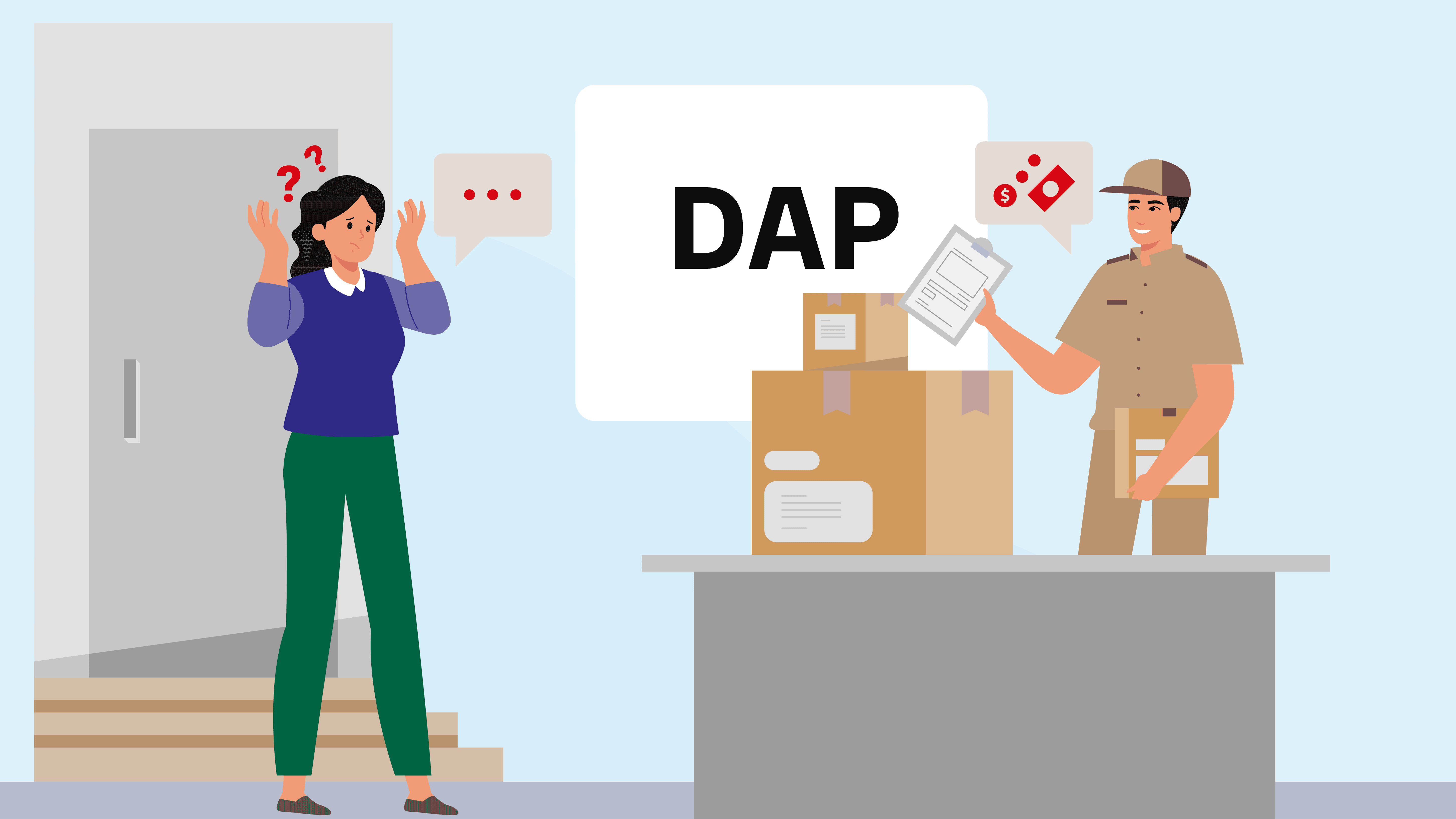
Imagine this scenario: your customer clicks 'buy', pays in full, and waits for their order. Then, an unexpected customs bill arrives at their door. They refuse the package, you end up paying for the return shipment, and they share their negative experience online. This is a possible outcome when using Delivered at Place (DAP) shipping terms, and it can cost cross-border sellers more than they might realise.


Why does DAP create so much fulfilment friction?

DAP means your buyer is often responsible for handling customs clearance themselves. This can involve coordinating with local agents and paying duties and taxes manually before their parcel can be released, which may create friction at a critical point in their customer journey.

This is a moment when brand trust can be affected. Since the buyer has already paid at checkout, an additional bill upon delivery might be perceived as a hidden cost, rather than a standard part of the import process.


What does the DAP clearance process look like for your customer?

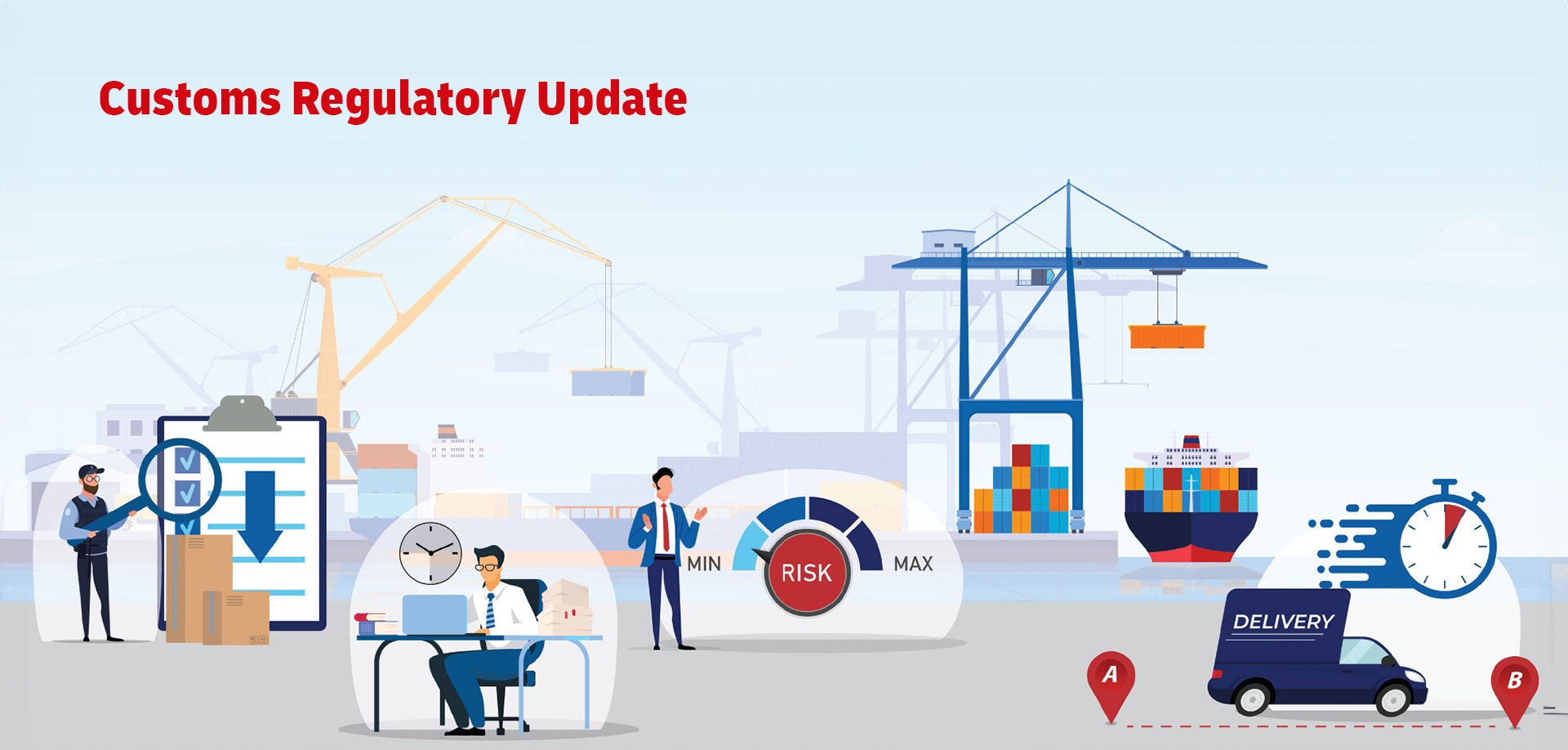
A smooth DAP clearance process often depends on paperwork that many sellers don't consider until an issue arises.

What DAP registration requires

For your own export declarations from Thailand, you’ll need to follow the procedures set by the Thai Customs Department, which handles submissions through its online e-Customs portal. More importantly, when you ship to other countries, you must be prepared to meet their specific import rules. For example, when shipping goods valued up to €150 to the EU, you can register for the Import One-Stop Shop (IOSS). This simplifies your process by allowing you to handle VAT for all EU sales in one monthly payment. For shipments to the United States, it’s helpful to be aware of their de minimis value threshold of USD 800, as explained by U.S. Customs and Border Protection. This threshold means most goods under this value can enter the country duty-free, which avoids extra costs for your customers. Staying informed about the digital tax and customs requirements of your key destination markets is crucial for smooth deliveries.

Where Duty Tax Paid comes in

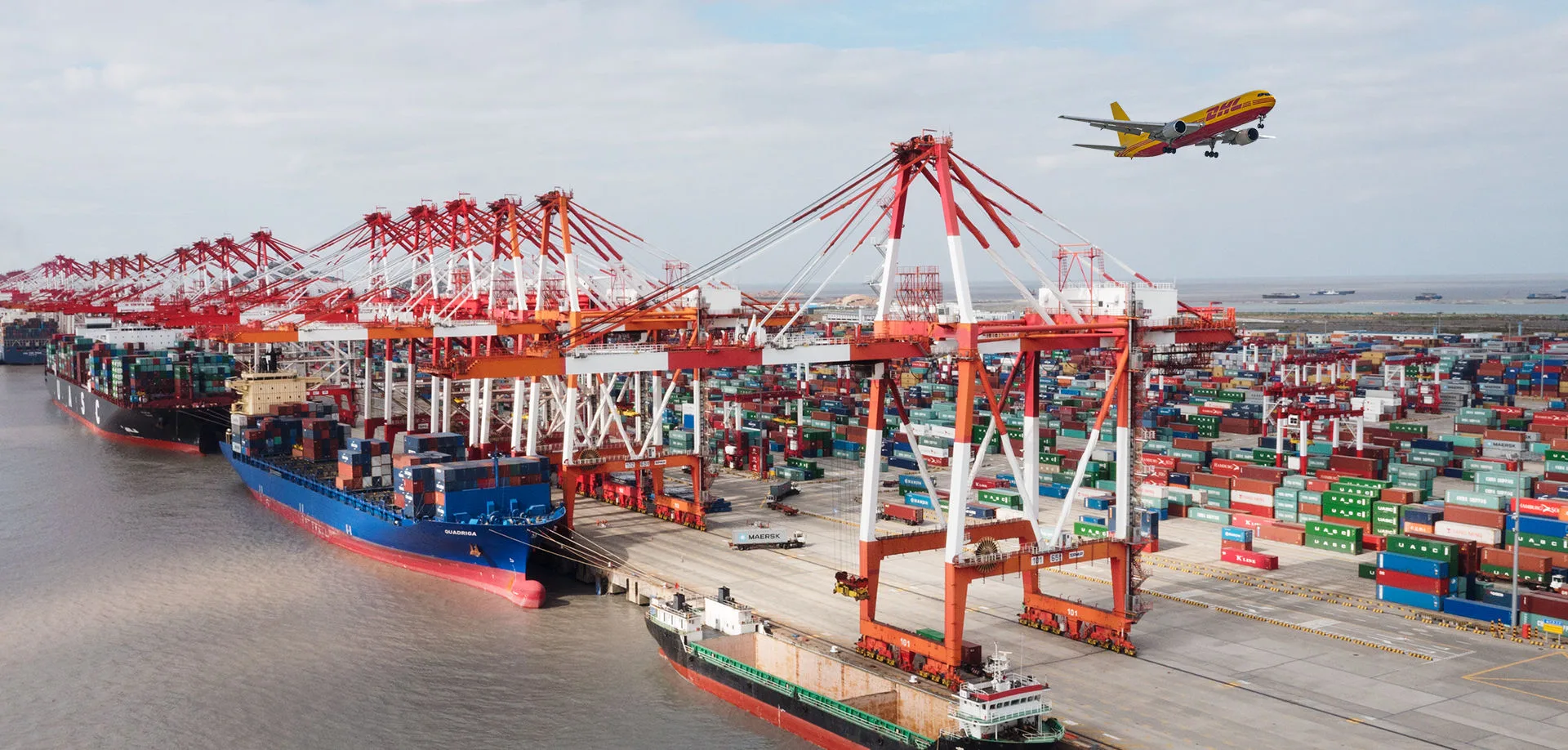
Unexpected shipping delays can complicate the delivery process even further. In Thailand, seasonal weather like the monsoon can cause flooding that disrupts road transport and affects delivery timelines. Capacity at airports also tends to tighten during major holidays like Songkran, which can compound any existing slowdowns and delay shipments leaving the country.


Can switching to DDP improve your checkout conversion?

DDP helps turn international browsers into buyers by removing the uncertainty around landing costs. Your customer sees the full price at checkout, and this transparency can contribute to a real drop in cart abandonment.

How DAP and DDP compare

Here is a side-by-side comparison of the key difference:

Delivery Term

Who Pays Duties?

Impact on Customer

DAP

Buyer

Sudden fees can create frustration and refusals

DDP

Seller

Smooth delivery with no surprise costs

A single refused DAP parcel could cost a business real money in return freight and lost margin. This is especially true during major peak shopping periods like the 11.11 sale, when order volumes and refusal rates can both increase.

How MyDHL+ helps you price it right

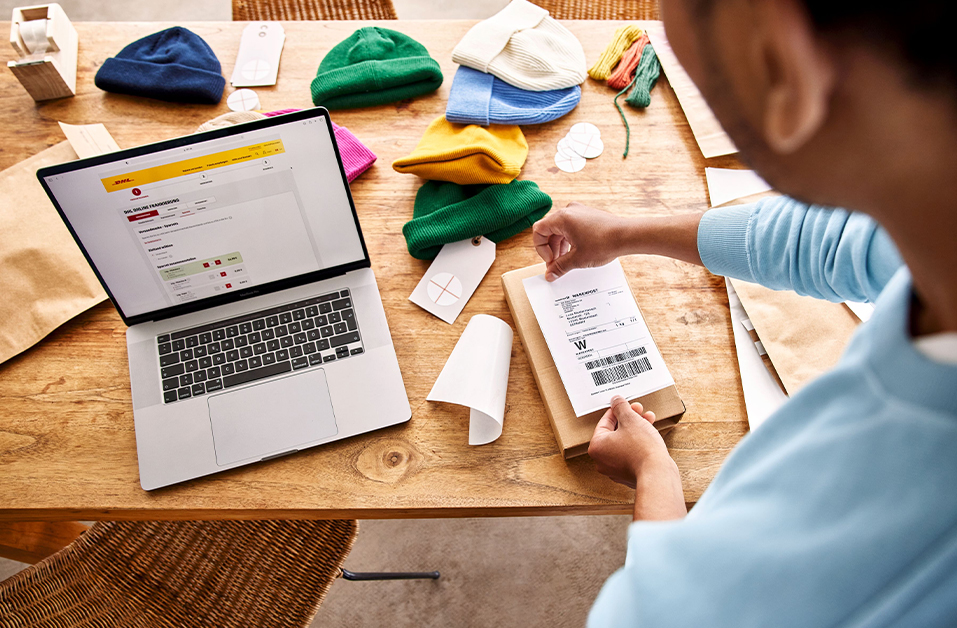
You can use MyDHL+ to estimate duties and taxes before you send your goods, which is particularly useful if you're shipping from a major hub like DHL Express Bangkok Hub and Gateway at Suvarnabhumi Airport. This allows you to factor these costs into your product pricing to help protect your margins while still offering buyers a seamless checkout experience.

Not sure what applies to your shipment?

Rules, documents and requirements can vary. Tell us what you’re sending and our experts can help point you in the right direction.

Speak with a DHL expert

Why On Demand Delivery can protect your brand reputation

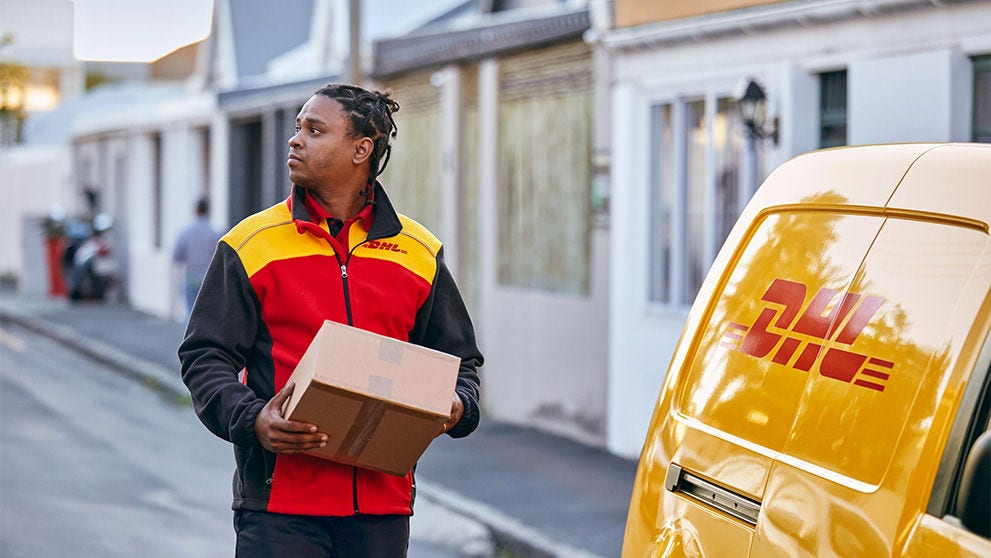
Missing a delivery is one of the biggest causes of poor reviews in cross-border e-commerce. When your customer isn't home, your shipping term matters less than your flexibility. DHL On Demand Delivery (ODD) lets buyers decide exactly where and when they get their items.

What flexible delivery prevents

Flexible delivery windows may lower the risk of returns. Instead of refusing a shipment outright, customers can choose to leave the package with a neighbour, send it to a local service point, or reschedule for a more convenient time.

Three ways ODD improves the experience

This is what it can look like for your customer:

Choice

Choice: Buyers can select their preferred delivery location or time based on their schedule.
Visibility

Visibility: Real-time tracking keeps the customer informed about their parcel's status.

Reliability

Reliability: Fewer failed first-attempt deliveries mean your customers are more likely to get their items on time.


Clear up your shipping terms today

Clear delivery terms help build trust with your international buyers and protect your brand’s reputation. Our Duty Tax Paid service is what makes DDP possible in practice: it bills customs charges to your own invoice instead of leaving your buyer with an unexpected bill at their door.

Speak to a DHL Express specialist today to learn how to make your international checkout smoother for every buyer.


Frequently Asked Questions

DAP (Delivered at Place) means the buyer is responsible for paying any applicable import duties and taxes upon the shipment's arrival in the destination country. DDP (Delivered Duty Paid) means the seller pays these charges upfront, so the customer pays a single, all-inclusive price at checkout.

DDP can improve the customer experience by removing delivery friction and hidden costs for the buyer. This may make your brand more appealing to international shoppers who prefer paying one all-inclusive price over dealing with a potential customs bill later.

You can use the estimating tools in MyDHL+ to check current duty and tax rates for your destination markets. This helps you build those costs into your product pricing accurately.

Yes, in many cases DDP can help speed up customs clearance because the necessary paperwork and payment arrangements are handled before the parcel reaches the border. This helps avoid the holds that can occur when a buyer does not pay a customs bill in a timely manner.

While DDP is often an excellent choice for improving customer experience, some markets have specific tax regulations that might make DAP more practical for certain types of shipments, such as bulk or industrial goods. It is always advisable to check your destination market rules in My Global Trade Services (MyGTS) before updating your checkout settings.