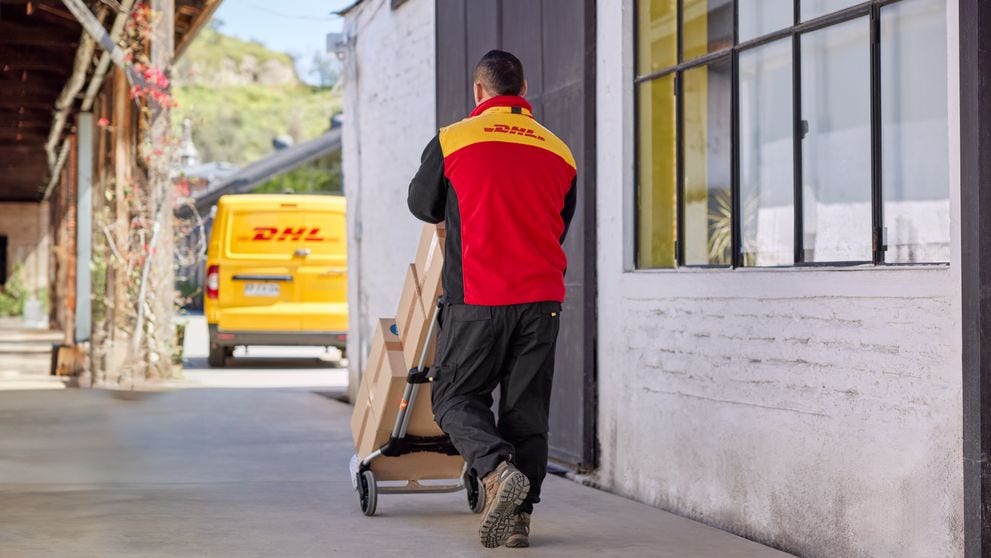
Yes. Although EUDR is an EU regulation, Vietnamese exporters selling regulated products to customers in Europe may need to provide supply chain information and documentation to support their customers' compliance.


 Share
Share

The European Union (EU) is introducing new requirements that will affect many companies trading with Europe. The EU Deforestation Regulation (EUDR) is designed to prevent products linked to deforestation from being sold within the EU market.
If your business exports regulated products to customers in Europe, understanding EUDR requirements is becoming increasingly important. Failure to comply could result in customs delays, shipment holds, penalties, or restricted market access.
This guide explains what EUDR is, which products are affected, and what Vietnamese businesses need to prepare when exporting to the EU.
EUDR, the regulation on deforestation-free products, is a landmark law introduced under the European Green Deal to ensure that products sold in or exported from the European Union do not contribute to deforestation or forest degradation.
It replaces the EU Timber Regulation (EUTR) and significantly expands the scope of products and supply chains that must demonstrate compliance.
Under EUDR, companies placing regulated products on the EU market must be able to prove that:
For Vietnamese exporters, this means greater transparency and traceability requirements across the entire supply chain.
The EU is one of Vietnam's key export markets, and Vietnam is also a major global supplier of coffee, rubber, wood and furniture. Many industries may be affected, including:
Even if raw materials are sourced from other countries, finished products exported to the EU may still fall under EUDR if they contain, for example:
Businesses selling to customers in Europe should determine whether their products fall within the scope of EUDR and whether additional documentation is required before shipment.
EUDR applies to seven key commodities and their derived products:
Examples of affected products include:
Only products listed in Annex I of Regulation (EU) 2023/1115 and made from these commodities are subject to the regulation.
Because many manufacturers use imported raw materials in global production networks, it is essential to verify whether exported products contain regulated commodities.
To comply with EUDR, products must come from land that was not deforested after 31 December 2020.
Businesses must be able to trace raw materials back to their place of origin, which may include:
Supporting documentation must demonstrate that the raw materials were not sourced from land converted from forest to agricultural use after the cut-off date.
This traceability requirement is one of the most significant compliance challenges for global supply chains.
Operators – Businesses that place regulated products on the EU market for the first time or export them from the EU as part of a commercial activity.
Traders – Businesses that make regulated products available within the EU market after they have been placed on the market.
Both B2B and B2C transactions are covered by the regulation.
For Vietnamese exporters, the EU-based importer is often responsible for submitting the Due Diligence Statement. However, European customers may request detailed supply chain documentation from their Vietnamese suppliers to support their own compliance obligations.
As a result, exporters should be ready to provide product traceability and sourcing information when requested by EU customers.
Businesses trading with EU customers should start preparing well in advance, as collecting supply chain information can take considerable time
To comply with EUDR, companies must complete three key steps.
Businesses must gather and maintain information including:
Companies must assess whether:
The assessment process should be documented and retained for audit purposes.
If risks are identified, businesses must implement corrective measures, such as:
Companies should retain compliance records for at least five years.
EUDR does not generally apply to:
However, businesses should verify product-specific requirements before shipping.
EUDR compliance will increasingly become part of the customs clearance process for eligible shipments entering the EU.
Shipments that do not meet the required documentation standards may face:
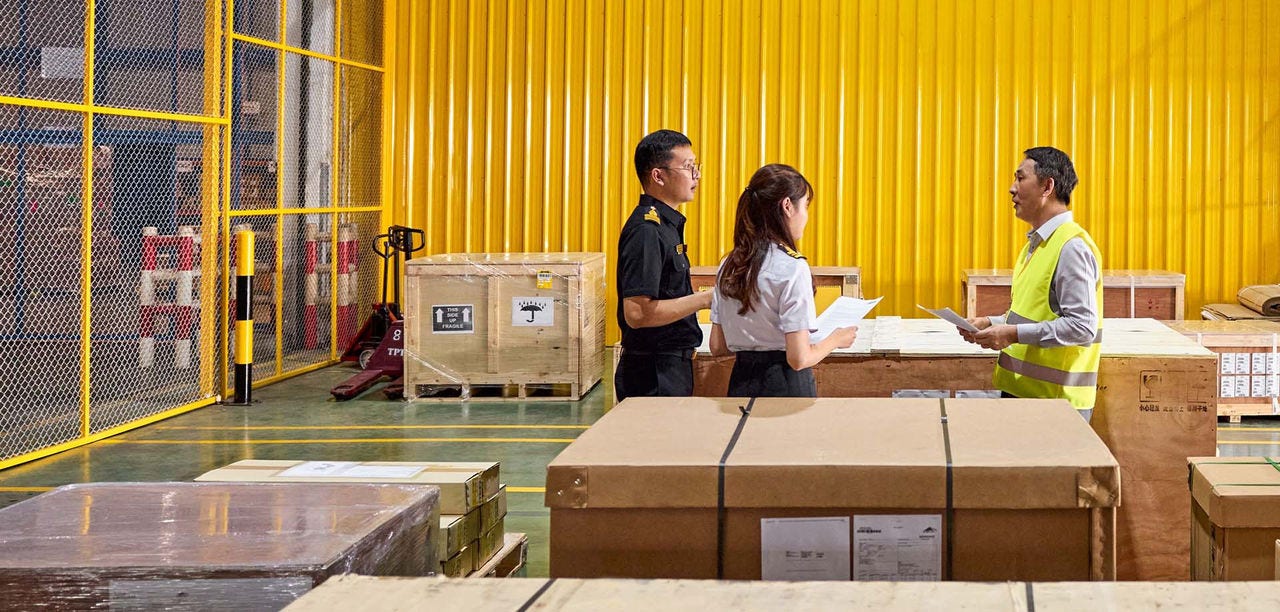
For exporters, providing accurate compliance information before shipment will be crucial to avoiding disruptions.
Early preparation can help avoid costly disruptions once enforcement begins.
DHL Express supports businesses trading with the European Union by helping shipments move through customs as smoothly as possible.
For products subject to EUDR, customers should provide the Due Diligence Statement (DDS) Reference Number (DDN) before shipment.
If products qualify for an exemption, the relevant TARIC exemption code should be provided to DHL prior to customs clearance.
DHL can help customers:
Please note: DHL does not validate DDS submissions or determine product eligibility. However, providing complete and accurate information in advance can help reduce customs clearance delays.
Yes. Although EUDR is an EU regulation, Vietnamese exporters selling regulated products to customers in Europe may need to provide supply chain information and documentation to support their customers' compliance.
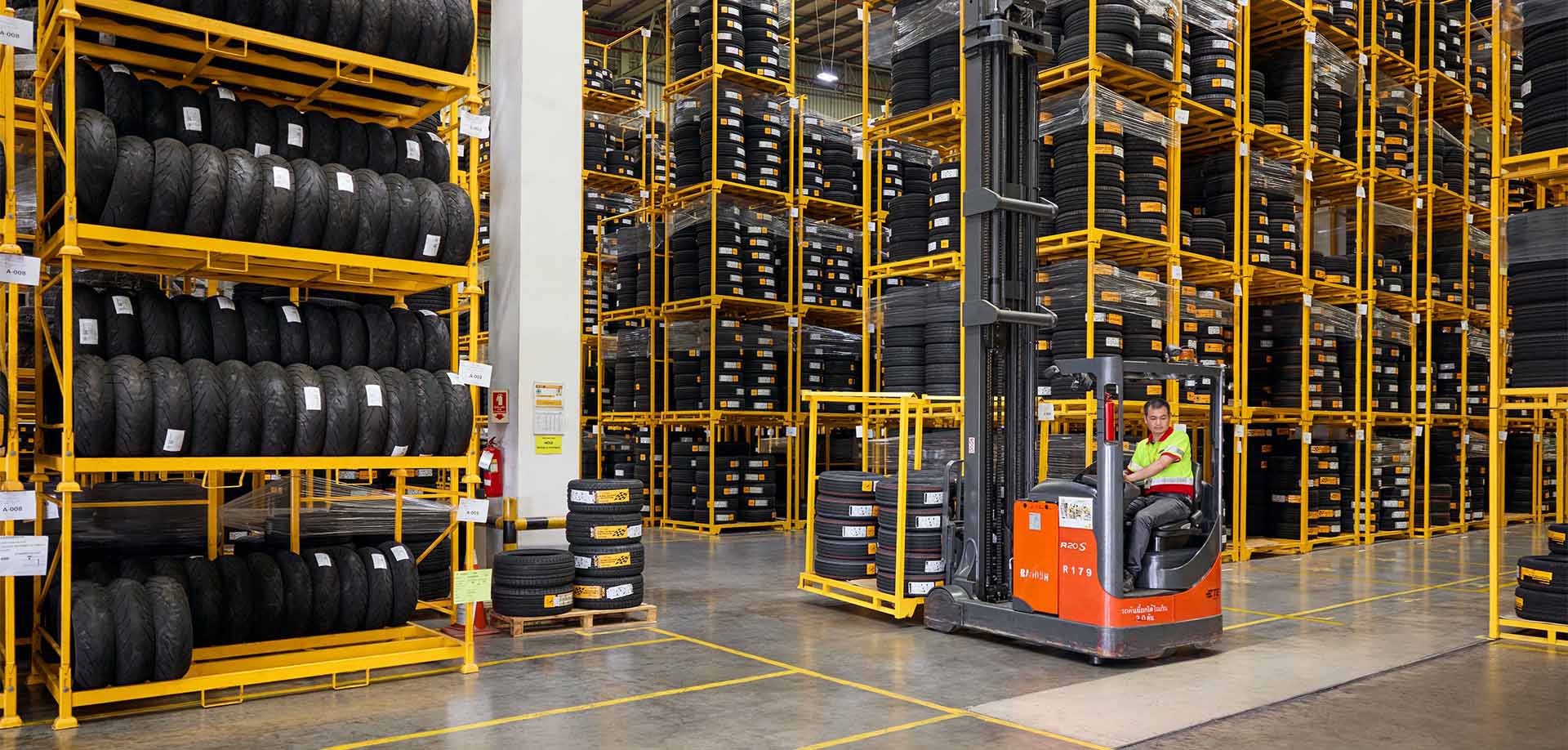
Industries that commonly handle regulated commodities include coffee and food processing, rubber products, wood and furniture manufacturing, paper and packaging, tire manufacturing and consumer goods.
A DDS is an electronic declaration submitted through the EU Information System confirming that regulated products comply with EUDR requirements.
Yes. Missing DDS information or required TARIC codes may result in customs holds, shipment delays, or additional inspections.
The latest guidance is available on the European Commission's official EUDR page and through relevant EU customs authorities.
Share