Surgical kits are high-value shared assets. They must return to a central facility for sterilisation and auditing after every use. A fast, reliable reverse logistics loop reduces the amount of expensive spare inventory a supplier needs to hold.


 Share
Share

One missing instrument can shut down an entire kit. Every implant, tray, and case sits idle until you track it down, sterilise it, and get it back into rotation. Here's how a smart closed-loop logistics plan keeps your inventory moving and protects your hospital relationships.
Your surgical loaner kits move through a non-stop loop of specialised implants, instruments, and cases. If a single serial-numbered item is missed, the whole kit becomes unusable for the next surgery. With that many moving parts, you need full visibility at every step.
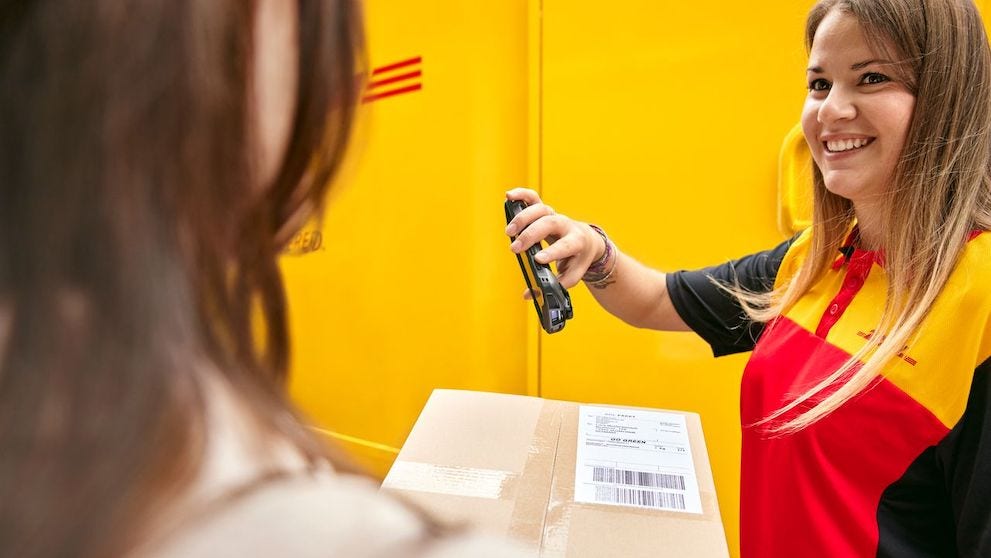
We monitor individual shipments across international borders to check that all components stay together. Tracking tools like MyGTS and MyDHL+ lower the risk of kits arriving at hospitals with missing parts. A single incomplete kit can delay an entire operating theatre schedule.
What an incomplete kit really costs you
A replacement delay on just one component can cost $75 AUD in extra admin fees alone, and idle kits mean your assets aren't generating revenue.
If you supply hospitals across Australia or export to key markets like New Zealand or Singapore, you need to work within specific healthcare handling rules. Regional procurement systems are strict about delivery times. Recent industry studies have shown that as many as 89% of loaner trays have at least one problem, with missing instruments being a significant issue, creating major operational costs.
Three ways to keep every kit accounted for
These three habits help you catch problems before a kit leaves the building:
Local requirements are critical. Before you finalise your process, check the latest guidance from Australia's Therapeutic Goods Administration (TGA), which regulates the supply of medical devices and sets the standards you must meet.
Hospitals enforce strict traceability rules to protect patient safety. Every device needs a scannable Unique Device Identification (UDI) so it holds up under audit. This means your shipping paperwork must perfectly match the barcodes on your devices.
Our Non-Routine Entry service checks permits and licences before your shipment arrives, which helps it move through regulatory checkpoints with fewer surprise holds. However, your compliance status remains your own responsibility.
Know what the regulations actually require
The TGA sets mandatory tracking requirements for reusable surgical assets. Non-compliance with these rules, particularly around the ongoing implementation of the Australian UDI system, significantly raises your risk of border delays. You can find the latest technical specifications and timelines on the TGA's UDI information page.
For goods you import into Australia, the de minimis threshold is $1,000 AUD. Shipments valued below this amount are generally free of duties and taxes, but you should always check the latest rules on the Australian Border Force (ABF) website.
How the tracking tools compare
Each tool covers a different part of the journey, from the device itself to the shipment carrying it:
Tracking Method | Primary Benefit | Operational Focus |
|---|---|---|
UDI Barcoding | Reduces hospital scanning errors | Patient safety compliance (TGA) |
MyGTS Verification | Reduces international border friction | Customs documentation readiness |
Real-Time Milestones | Reduces inventory visibility gaps | Timeline management |
To keep your assets circulating, you need to collect surgical equipment straight after an operation. Used instruments travel back to centralised hubs, get sterilised, and head back out without delay. Any slowdown means you need to buy more kits just to cover the gap.
How DHL Express supports the return leg
When you need to send used equipment back, DHL Medical Express can handle Biological Substance UN3373 shipments. We can also arrange Dedicated Pickup and Delivery to keep the return moving quickly. Both services are subject to contractual agreement and help keep your circulation schedule tight.
Industry data shows that complex sterilisation cycles for loaner kits can take from 24 to 72 hours, making timely collections after surgery critical for asset availability. Timing your collections to align with theatre release schedules makes it much easier to plan your sterilisation capacity and get assets back in service.
Pick the delivery window that fits your schedule
Match the delivery option to when your theatre list actually starts:
Managing loaner kits comes down to tight coordination, accurate tracking, and a fast reverse loop. DHL Express makes that easier with tracking tools like MyGTS and MyDHL+, delivery windows timed to theatre schedules, and dedicated handling for medical shipments.
Contact our specialised healthcare team today to set up your medical loaner kit logistics plan.
Surgical kits are high-value shared assets. They must return to a central facility for sterilisation and auditing after every use. A fast, reliable reverse logistics loop reduces the amount of expensive spare inventory a supplier needs to hold.
Customs authorities like the Australian Border Force use Unique Device Identification (UDI) data to check that a shipment's contents match the import permit exactly. Accurate documentation that aligns with TGA requirements helps reduce the inspection delays that can hold up your kits.
We offer timed delivery options like DHL Express 9:00 and DHL Express 12:00, built around when surgeries actually start. Saturday Delivery provides another option for repositioning kits over the weekend so Monday's schedule isn't at risk.
Suppliers can move used instruments safely with DHL Medical Express for items classified as Biological Substance UN3373. This service is available via contractual agreement. Pairing it with a Dedicated Pickup and Delivery service keeps the entire return cycle moving efficiently.
You are always responsible for your own compliance status and regulatory outcomes, no matter which carrier you use. DHL Express can support your documentation readiness by helping to validate permits and licences before shipment, but the final legal responsibility sits with you and the relevant customs authorities.
Share