Green last-mile delivery is the use of sustainable transport, like electric vans and cargo bikes, to move goods from local hubs to the customer's door. This approach reduces transit emissions and minimises traffic congestion in busy city centres.


 Share
Share

It's 8:00 AM in a major Australian city. Your customer is waiting for their package, but the delivery van is stuck in CBD traffic. Multiply that single delay across a whole fleet, and your on-time delivery rate is at risk from simple gridlock, long before you even consider fuel costs. Here's how to keep your urban deliveries moving as Australian cities get tougher to navigate with traditional vehicles.
While Australia doesn’t have widespread European-style low-emission zones yet, our major cities are introducing strategies to cut inner-city pollution and congestion. State governments and city councils are actively developing long-term plans to manage traffic flow and improve air quality, such as the NSW Future Transport Strategy, which points towards tighter restrictions on vehicle access in the future. This means relying on older diesel or petrol vans brings the immediate costs of inefficiency and the future risk of being locked out of key delivery areas.
How DHL Express is solving this
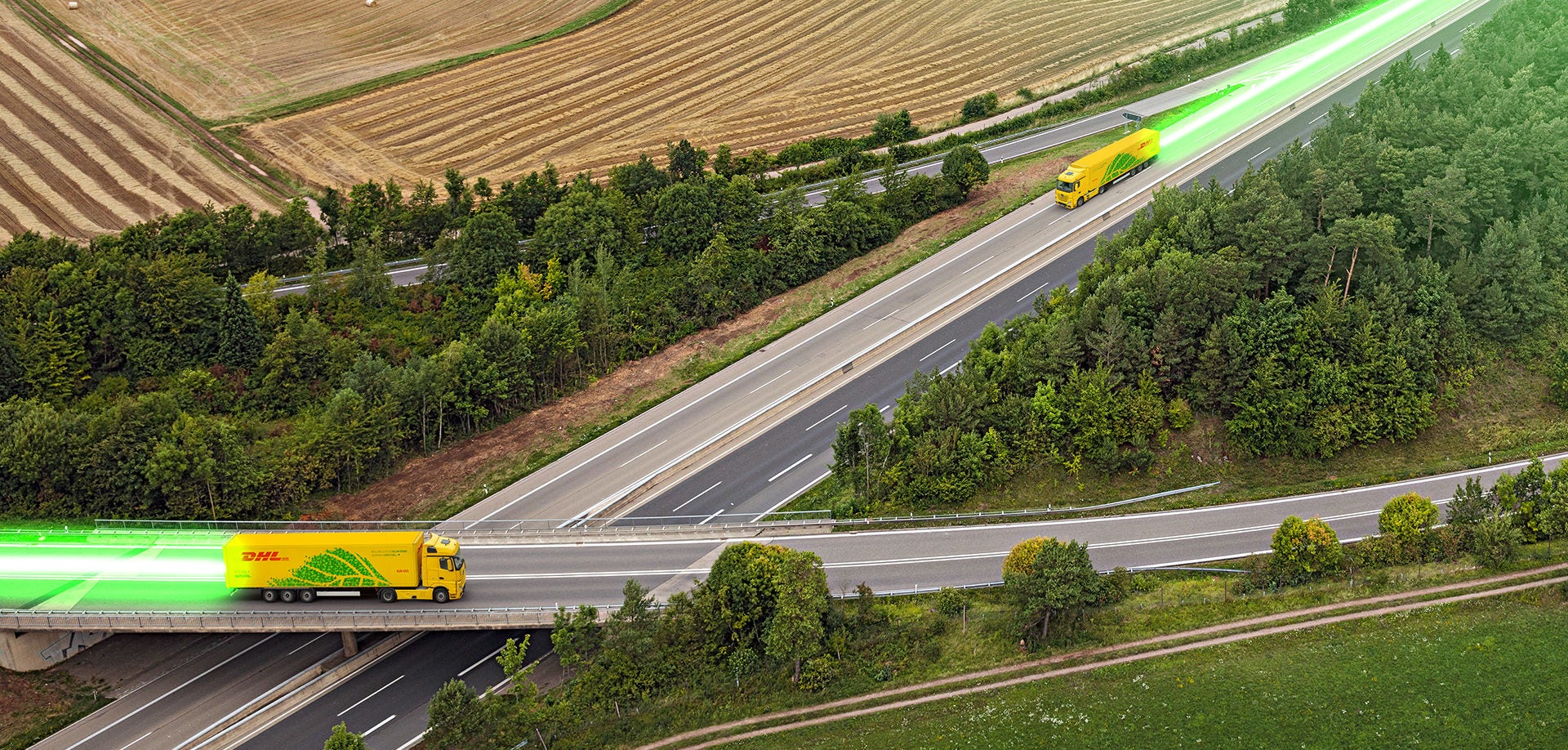
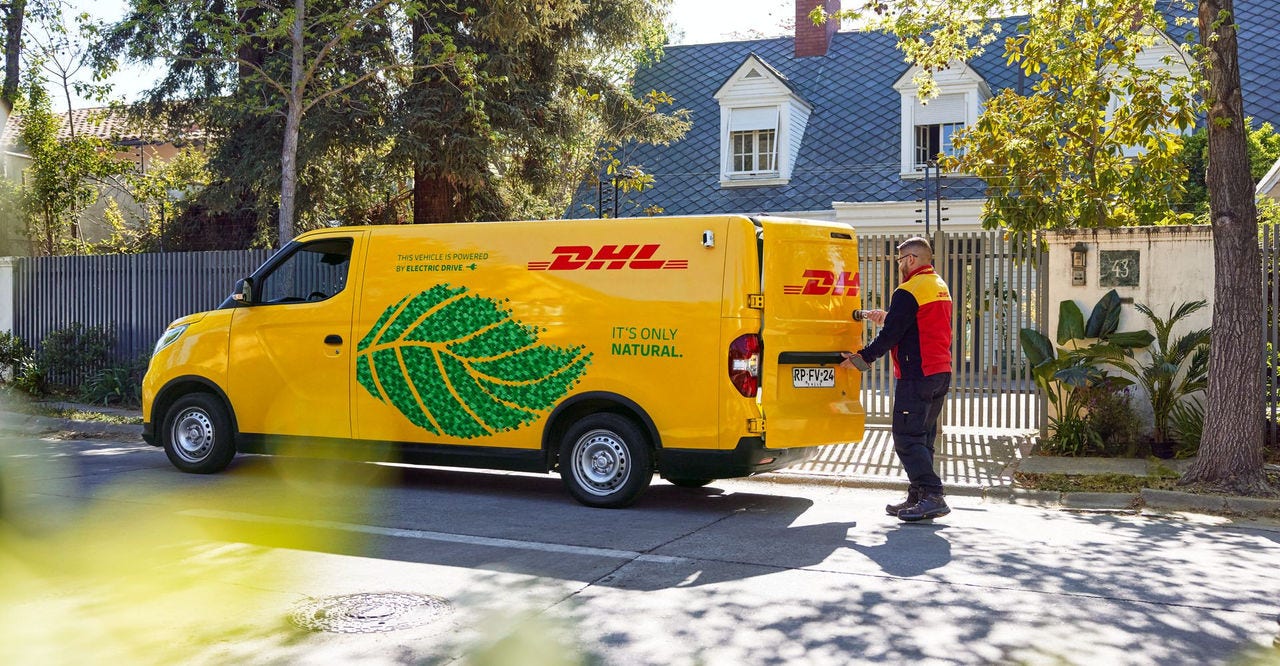
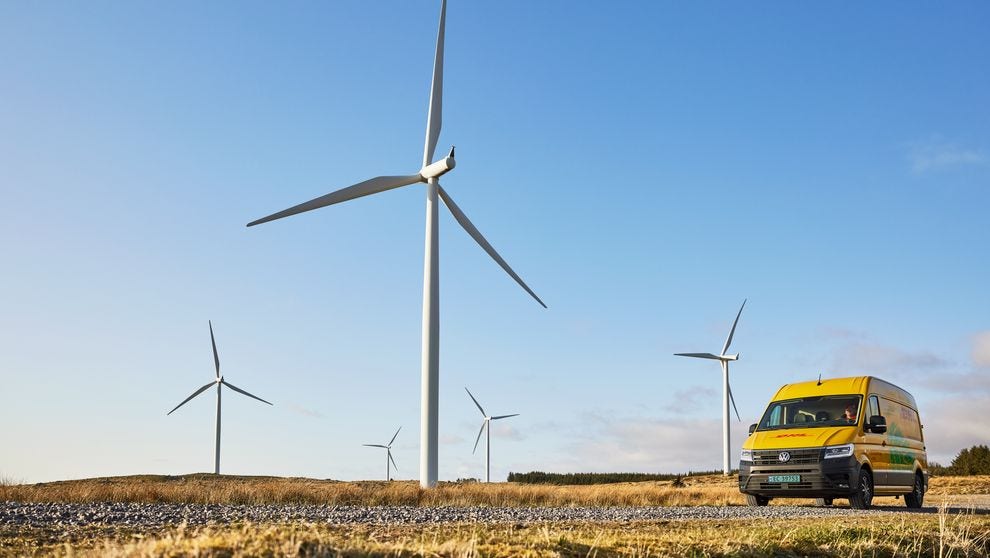
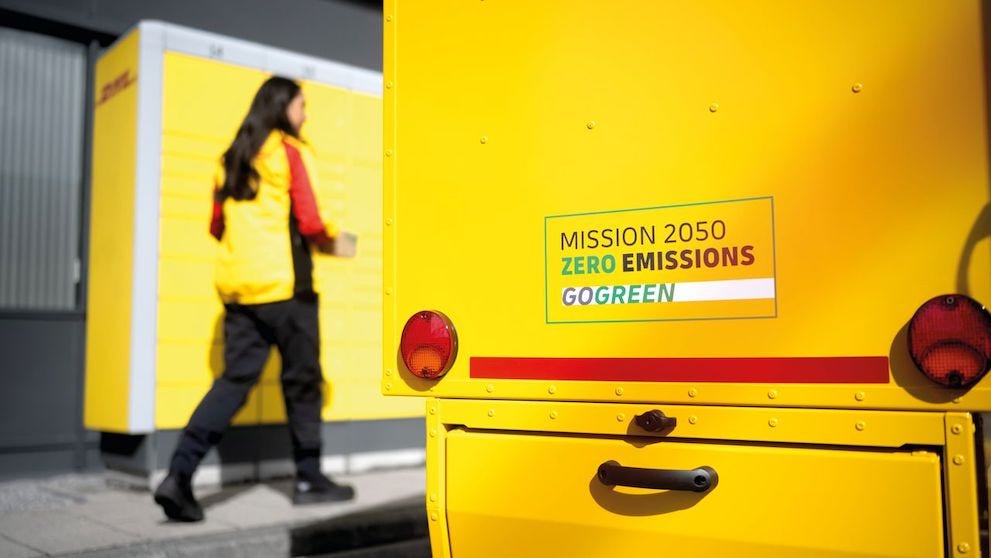
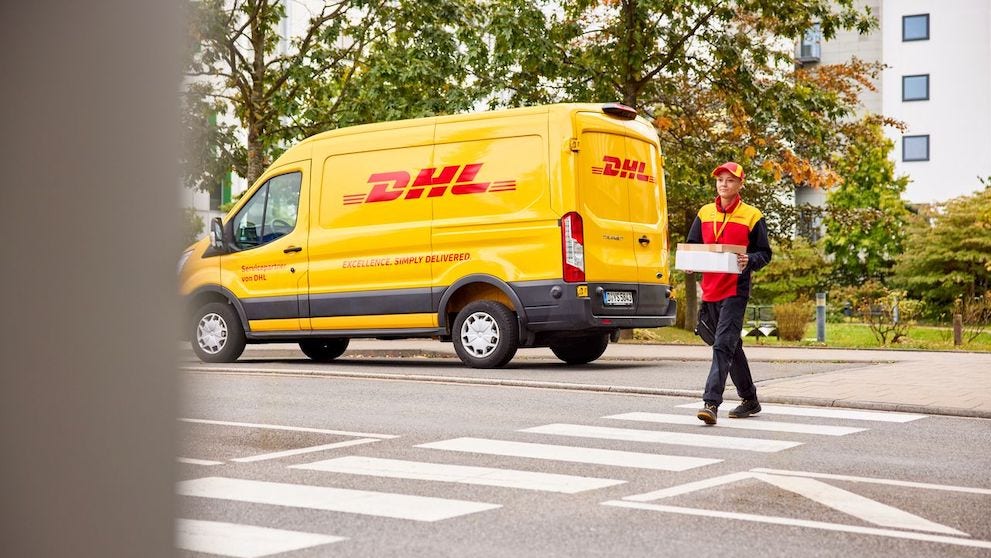
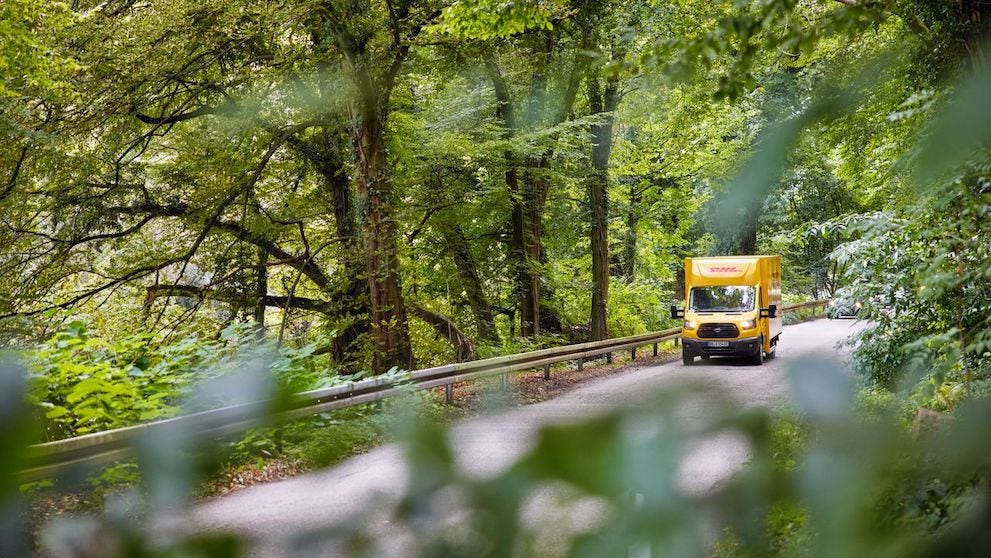
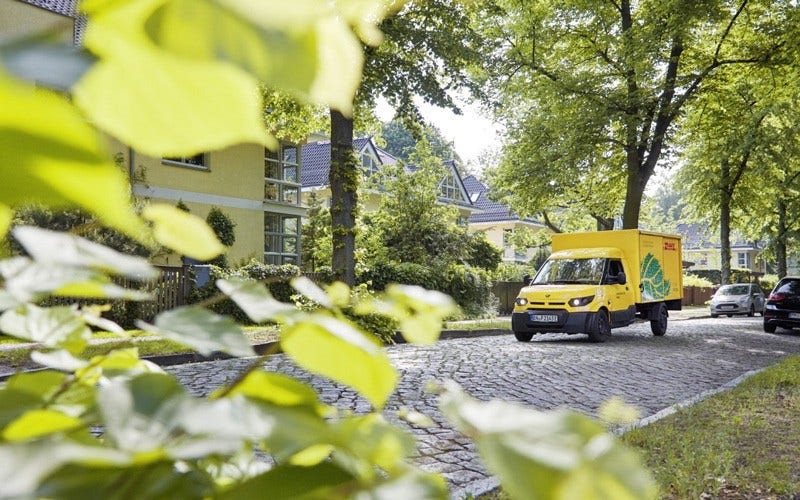
Meeting these future challenges takes real investment in the fleet itself. DHL is rolling out 80,000 electric vehicles for last-mile delivery by 2030, aiming for 60% of our global fleet to run on electricity. This is what keeps your parcels moving efficiently through dense urban areas today and ensures compliance as regulations evolve.
What this means for your checkout

Rising Operational Costs: Failing to use efficient, modern vehicles means higher fuel consumption and more time wasted in traffic, directly hitting your margins.
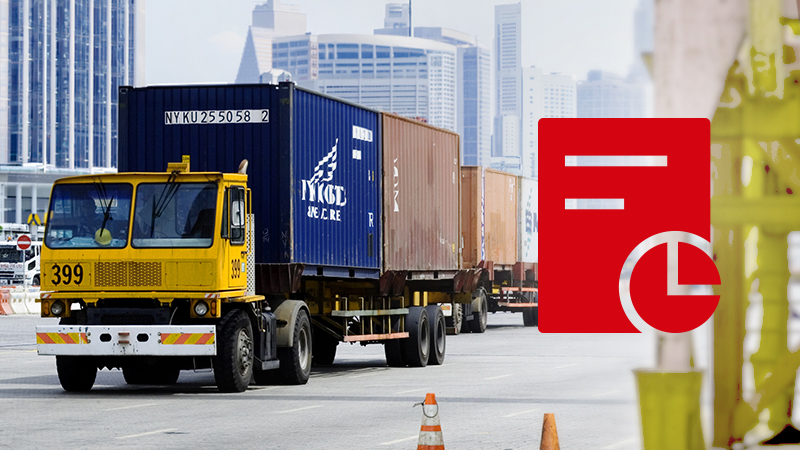
CBD Access Challenges: Navigating dense commercial zones in cities like Sydney and Melbourne with larger vehicles is already a challenge, with tight laneways and time-restricted loading zones causing frequent delays.

Cart Abandonment: Delivery delays caused by vehicle inefficiency and congestion can lower your checkout conversion rates.
Clean delivery vehicles need to match the local infrastructure and traffic patterns, not just emissions rules. A van suited for sprawling suburbs can get stuck fast in a narrow CBD laneway. A diverse fleet matters more than a single ‘green’ vehicle type.
How DHL Express matches vehicle to terrain
DHL Express coordinates routes to match the right vehicle to the local terrain. In cities like Sydney, with its dense CBD and vast suburban network, this helps your parcels bypass heavy traffic while cutting the energy used per delivery.
How the three vehicle types compare
Here's how the mix typically breaks down:
Vehicle Type | Ideal Operating Environment | Primary Operational Benefit |
|---|---|---|
Electric Cargo Bikes | High-density CBDs with narrow laneways | Bypasses road congestion and parking restrictions |
Electric Vans | Suburban residential and business park zones | Offers high payload capacity with zero emissions |
Electric Scooters | Highly congested metro areas with gridlock | Provides fast, nimble routing for small parcels |
Your choice of transport directly shapes your delivery speed and carbon efficiency. In dense city centres, that often means electric cargo bikes, while in Australia's sprawling suburbs it usually means electric van fleets.
Australian shoppers actively look for brands that demonstrate clear environmental responsibility. If you don't offer eco-friendly options at checkout, you risk them abandoning their cart. Providing real proof that you manage your environmental impact is what builds loyalty and trust.
What GoGreen Plus shows your buyers
GoGreen Plus gives you a clear, auditable way to show your green credentials. It lets you share real carbon reduction metrics with your buyers, turning sustainability-focused browsers into repeat customers.
Three ways to make sustainability visible at checkout
Here's what that looks like in practice:
DHL Express research backs this up: nearly 80% of global consumers say they're interested in an eco-friendly delivery option, and 66% factor a company's environmental actions into where they choose to shop. Integrating these features into your store does more than build goodwill: it secures your market share.
Green last-mile delivery helps you overcome urban access barriers and meet the growing demand for clean transport. This keeps your e-commerce business competitive as Australian cities and consumers push for better environmental standards. We support that with GoGreen Plus for verified carbon reporting and On Demand Delivery for fewer wasted trips.
Speak to a DHL Express specialist today to build sustainable options into your international checkout.
Green last-mile delivery is the use of sustainable transport, like electric vans and cargo bikes, to move goods from local hubs to the customer's door. This approach reduces transit emissions and minimises traffic congestion in busy city centres.
While Australia is still developing formal low-emission zones, relying on traditional vehicles can cause shipping delays and increase costs due to city congestion. Using a logistics partner with an electric fleet helps you maintain efficient city access, avoid unnecessary costs, and prepare for future regulations.
GoGreen Plus lets you reduce the carbon emissions of your shipments by using Sustainable Aviation Fuel. This service provides a practical way for your brand to support clean transport and show verified carbon reductions to your customers.
Yes, vehicles like electric vans and cargo bikes are well-equipped to handle high parcel volumes in crowded city centres. Using these vehicles during the busy Christmas peak season helps couriers bypass gridlock and complete deliveries faster than traditional trucks.
You can display GoGreen Plus options directly at your checkout to give customers an explicit eco-friendly choice. Providing digital tracking through the DHL Express Mobile App also shows your commitment to reducing paper waste.
Share