Indirect emissions from transport and distribution are the largest share of a company's Scope 3 footprint. This makes your logistics partner's fuel choices and routing a direct factor in your reported numbers.


 Share
Share

Your carbon data is only as good as the systems behind it. If the underlying tracking is wrong, your sustainability efforts won't hold up under an audit. Here's how to get your Scope 3 transport data in order before the next reporting window closes.
The pressure is on. Corporate buyers are cutting suppliers who can't prove their emissions data, and regulators are moving to mandatory disclosure. For example, the Australian Government is introducing mandatory climate-related financial disclosure requirements for large businesses, with the first phase starting for financial years commencing on or after 1 January 2025. This means many companies will soon need to report on supply chain emissions, making your data more important than ever.
What this puts at risk
What a single lapse can cost you
A variance of around AUD 72 per shipment adds up fast across an annual freight program. That's before you factor in the cost of losing the contract entirely.
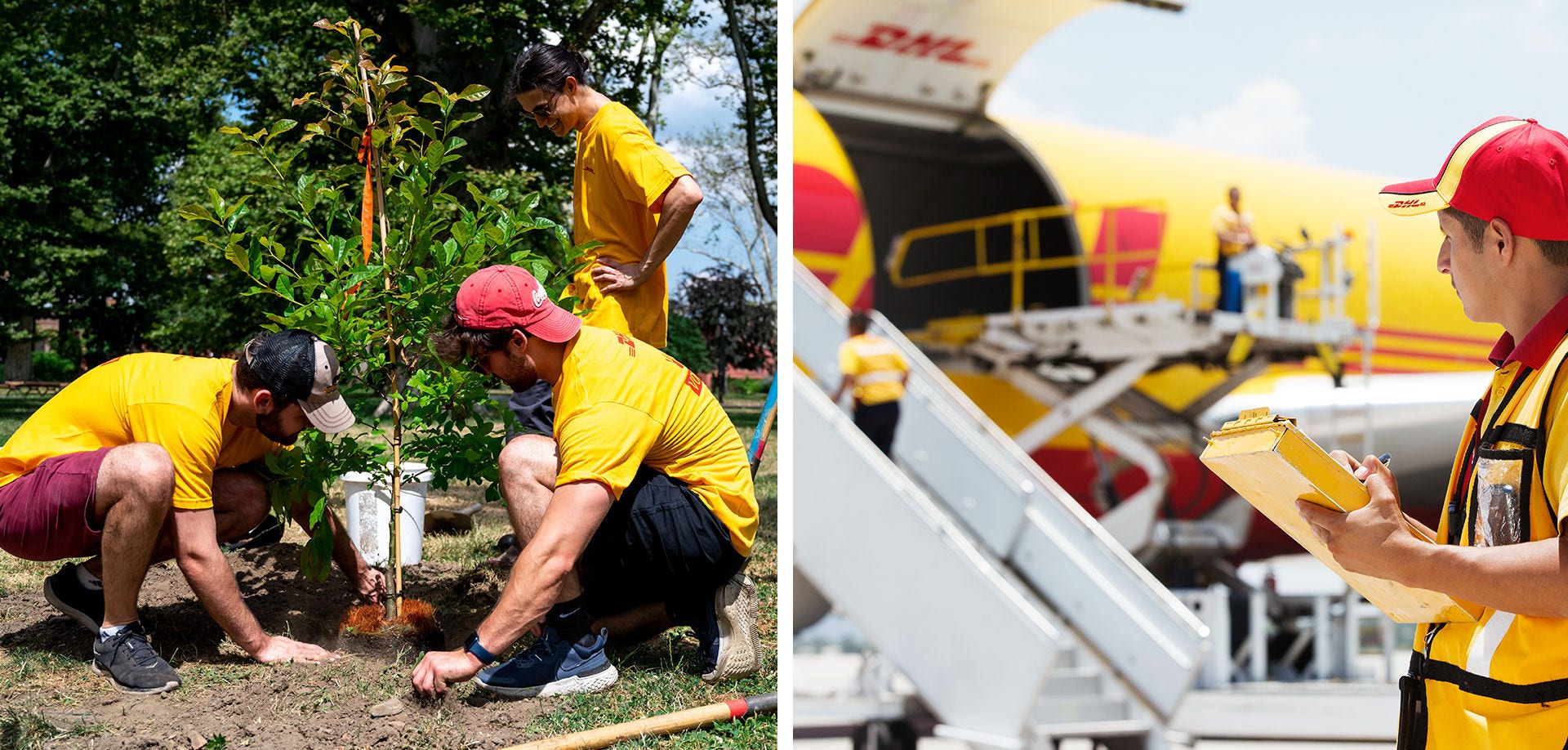
These two approaches sound similar but work very differently. Confusing them can undermine your entire environmental strategy.
How the two approaches compare
Aspect | Carbon Offsetting | Carbon Insetting |
|---|---|---|
Focus area | Funding external projects | Cutting emissions in your own value chain |
Aviation impact | No direct change to the fuel used | Replaces fossil fuel with Sustainable Aviation Fuel (SAF) |
Methodology | Compensates for emissions elsewhere | Avoids emissions at the source of transport |
Data proof | Compensating carbon credits | Verified carbon reduction certificates |
Why insetting wins for logistics
Sustainable Aviation Fuel (SAF) is a renewable alternative to standard jet fuel. It's made from sources like waste oils and agricultural by-products and can be used in existing aircraft engines with no modifications. This makes it a practical tool for insetting.
How much SAF cuts from your footprint
SAF can reduce lifecycle carbon emissions by up to 80% compared to conventional jet fuel, according to DHL's own published sustainability data. It's one of the most direct ways to cut your transport footprint without changing how your cargo moves.
Why this matters for insetting
This is the core of DHL Express's insetting approach: replacing fuel inside the network your cargo already moves through, not buying a credit for a project elsewhere. GoGreen Plus is how you book and verify it for your shipments. It's especially valuable if you're shipping high volumes out of a hub like Port Botany.

Cutting transport emissions doesn't mean slowing down your supply chain. You can keep your delivery speed and shrink your carbon footprint.
Four features that make this easy
How DHL Express verifies every reduction
An external auditor checks the entire blending and allocation process. This gives you auditable proof of every carbon reduction for your compliance files. GoGreen Plus applies to your international air express shipments with DHL Express.
A systematic approach to data collection prevents errors and makes your annual sustainability audit much less painful.
Four things to get right before you audit
Four steps to build your audit process
Switching to low-carbon shipping can have upfront costs, but federal and state governments offer financial assistance to help.
What this support looks like
Where to start looking
You can explore funding opportunities from federal bodies like the Australian Renewable Energy Agency (ARENA) or various state-based environmental programs. We do not qualify customers for government programs, so your eligibility is your own responsibility.
Managing Scope 3 emissions requires a smart balance of speed and precise data. DHL Express supports that with GoGreen Plus, letting you cut real transport emissions through Sustainable Aviation Fuel while keeping full, audit-ready records.
Speak to a DHL Express specialist today to check your shipping lanes and find a cleaner way to move your cargo.
Indirect emissions from transport and distribution are the largest share of a company's Scope 3 footprint. This makes your logistics partner's fuel choices and routing a direct factor in your reported numbers.
Carbon insetting directly reduces emissions within your supply chain by using cleaner fuels. Offsetting funds external projects, like planting trees, that don't lower the carbon footprint of your actual shipments.
Sustainable Aviation Fuel can reduce lifecycle carbon emissions by up to 80% compared to traditional jet fuel. It's central to how DHL Express delivers carbon insetting.
An independent third-party auditor verifies the entire blending and allocation process every year. This ensures every contribution provides reliable data for your compliance reports.
Many federal and state government bodies offer green grants and tax incentives to support companies transitioning to sustainable shipping. We can provide the verified emissions reports you need to support your application.
Share