How do you classify your vehicle?
The year 2026 has introduced specific UN numbers to replace generic codes. This helps emergency responders understand exactly what chemical risk they face. Using the wrong code on your commercial invoice is a major red flag for customs inspectors, who operate with a zero-tolerance approach to undeclared or misdeclared dangerous goods.
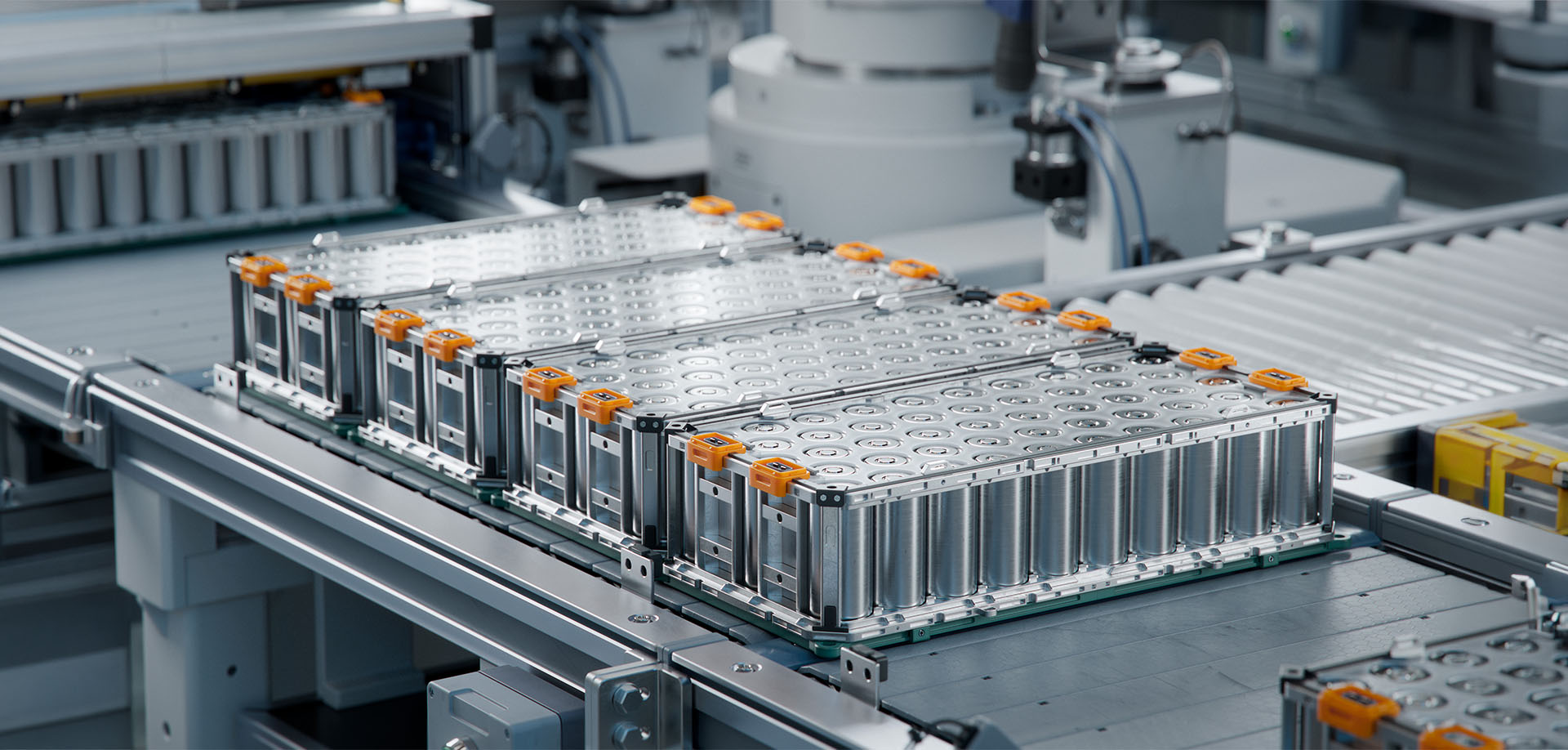
UN 3556: This is the standard for most EVs powered by Lithium-ion batteries.
UN 3557: This applies to vehicles powered by Lithium-metal batteries often found in industrial gear.
UN 3558: This is for the newer Sodium-ion batteries becoming common in budget e-mobility.
Maturity Check: If you're shipping from regional manufacturing hubs like Penang, ensure your suppliers use these 2026 codes.
Sodium-ion vehicles are generally lower risk because they can be discharged to zero volts without damage. Plus, they're still regulated under the same 30% SoC rules as lithium.
What documentation is mandatory for an EV shipment in 2026?
Customs authorities now demand a full safety biography of the battery inside the vehicle. Without the right lab proof and declarations, your shipment will be held for a manual audit. An error here doesn't just delay a single shipment; it can disrupt supply chains across the entire APAC region due to Singapore's role as a transshipment hub.
UN 38.3 Test Summary: This is the lab proof that the battery passed rigorous safety tests.
SoC Declaration: A formal statement confirming the battery is at 30% or less.
Safety Data Sheet (SDS): This must reference the 2026 IATA 67th Edition regulations.
Digital Access: Our platforms let you upload QR codes for these summaries directly onto your waybill.
This ensures that Singapore Customs can verify your data instantly. For certain regions, you must also follow specific 12-digit HS code requirements that became mandatory recently.