How could low-emission zones affect urban deliveries?
To improve air quality, several Vietnamese cities are developing rules for low-emission zones. In Hanoi, Resolution No. 57/2025/NQ-HĐND of 26 November 2025 sets out a roadmap to pilot a low-emission zone in part of Ring Road 1 from 1 July 2026, expanding in later phases. In Ho Chi Minh City, the emissions control scheme is still at proposal stage, led by the Ho Chi Minh City Department of Construction, and has not yet been applied.
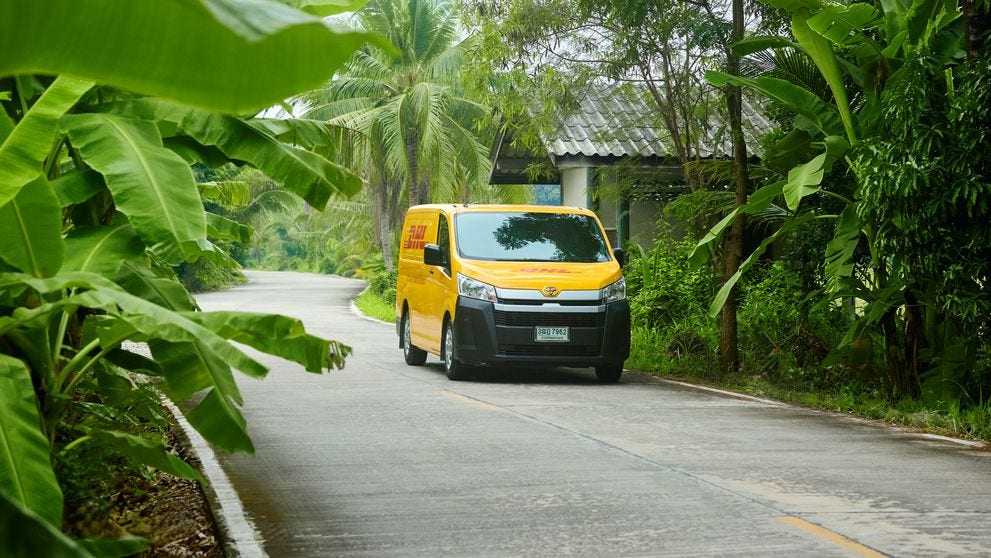
If your logistics partners depend on older diesel or petrol vans, your operations could be affected in terms of delivery times and running costs once these rules apply. These plans are part of a national strategy to promote a green energy transition in the transport sector, as outlined in the government's Decision No. 876/QD-TTg. This means shippers should prepare for a future in which emissions requirements could affect city access.
How DHL Express is approaching this
Meeting these emerging rules requires significant investment in the fleet itself, well beyond a temporary workaround. Globally, DHL is rolling out 80,000 electric vehicles for last-mile delivery by 2030, aiming for 66% of its fleet to run electric. This global investment supports DHL's ability to adapt as cities introduce low-emission vehicle requirements.
Three direct impacts on your business
Financial Penalties: Under Decree 168/2024/ND-CP, in force since 1 January 2025, drivers of cars that do not meet the permitted emission standards can be fined. This can affect logistics partners operating vehicles that do not meet the applicable requirements.
Restricted Access: Under the schemes currently proposed or planned, non-compliant vehicles could face access restrictions in some commercial zones.
Customer Experience: Delivery delays can negatively affect the customer experience and potentially contribute to cart abandonment.
The focus on cleaner transport is expanding across major retail regions, and this becomes especially relevant during peak periods like Tet Nguyen Dan, when delivery volumes and the potential for disruption are at their highest. Choosing the right logistics options can help you stay ahead of emissions requirements and operating costs.
Why does delivery fleet choice change so much by region?
Clean delivery vehicles need to be matched to the road networks, power grids, and traffic patterns of each city, not just the emissions rules. A vehicle designed for a wide, planned city grid can quickly become impractical in a narrow, historic city centre, which is why a diverse fleet matters more than a single 'green' vehicle type.
Matching vehicle type to local conditions
Globally, DHL Express matches vehicle type to the infrastructure and traffic conditions of each area. This approach can help optimise routing and limit the impact of congestion, while reducing the energy consumed for each delivery.
How the three vehicle types compare
Low-emission delivery vehicles are generally deployed according to operating conditions. Availability of each type varies by market:
Vehicle Type
| Ideal Operating Environment
| Primary Operational Benefit
|
|---|
Electric Cargo Bikes
| High-density business districts with narrow lanes
| Can offer greater flexibility in areas with narrow lanes or heavy traffic
|
Electric Vans
| Suburban residential zones and planned industrial parks
| Offers high payload capacity with zero tailpipe emissions
|
Electric Scooters
| Highly congested metros with tight gridlock
| Provides fast, nimble routing for small parcels
|
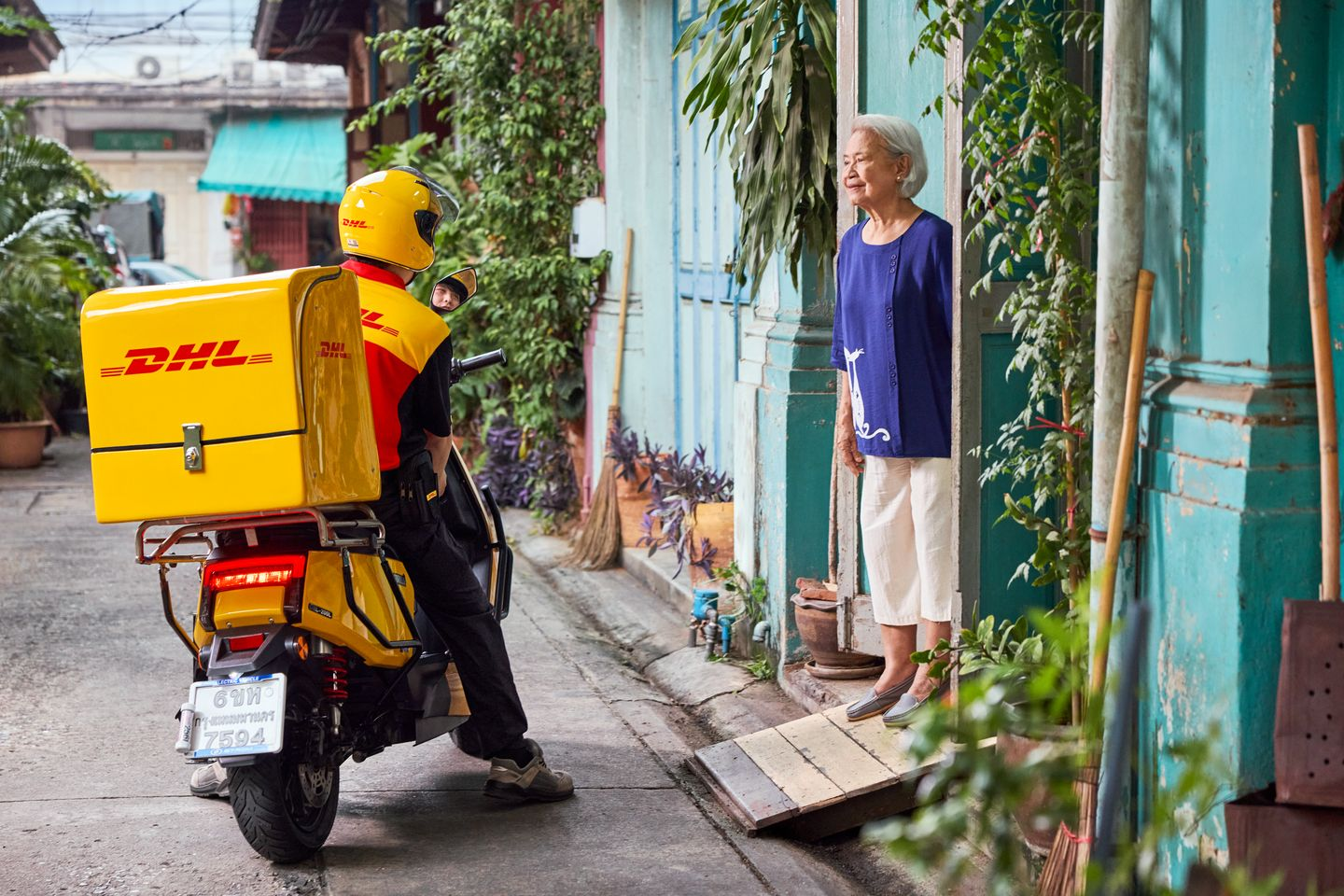
Your choice of transport mix shapes your delivery speed and carbon efficiency. In dense, congested markets like Vietnam, where two-wheelers make up the vast majority of traffic, smaller electric vehicles and scooters can offer greater agility in some traffic conditions. In areas with more structured road layouts, larger electric van fleets can provide greater capacity.