CIF stands for Cost, Insurance and Freight. The seller pays freight and minimum insurance to the named port of destination, but risk passes to the buyer at loading.

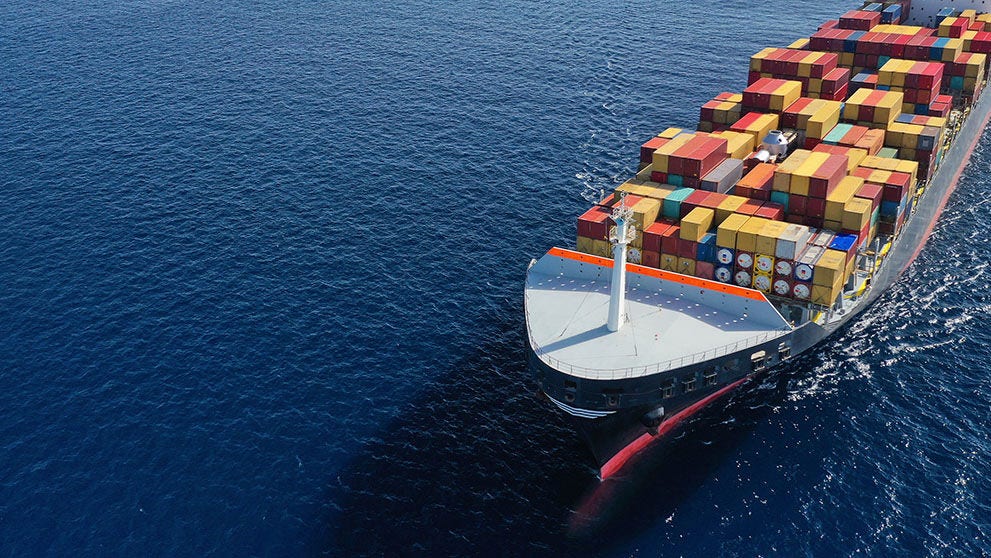
Under the CIF Incoterm (Cost, Insurance and Freight), the seller pays sea freight and minimum cargo insurance to the named port of destination, but the risk moves to the buyer as soon as the goods are loaded on board at the port of shipment. Under Incoterms® 2020, CIF applies only to sea and inland waterway transport.
The party paying for the voyage is not the party carrying the risk of it. That split causes most CIF disputes, and it costs more when the destination is Brazil, where the term affects customs value, a surcharge on ocean freight and the rules on compulsory insurance.
The seller delivers the goods on board the vessel at the port of shipment, and also contracts and pays for carriage to the destination port plus insurance in the buyer's favour. Brazil's official list of sales terms used in Siscomex (the federal foreign trade system) describes CIF as FOB plus the seller contracting and paying "freight, costs and insurance" to the agreed port of destination. Source: Camex (Brazil's Foreign Trade Chamber) Resolution No. 16/2020.
In practice, a CIF price covers:
As the buyer, you keep any unloading not included in the contract of carriage, charges at the destination port, import clearance, duties and taxes, and delivery to your warehouse. A contract that just says "CIF" is incomplete. The rule needs the named port and the version, as in "CIF Santos, Incoterms® 2020".
CIF is one of the 11 rules published by the International Chamber of Commerce (ICC). The other ten are covered in the guide What are Incoterms®?.
Risk passes when the goods are on board the vessel at the port of shipment, not on arrival. The ICC is explicit: under CIF, the seller transfers the risk of loss or damage to the buyer once the goods are loaded on board at the named port of shipment. Source: ICC Academy, Incoterms® 2020.
Picture a bulk fertiliser cargo bought CIF Paranaguá. The supplier chartered the ship and bought the policy. If the hold floods mid-ocean, the loss is yours, and you are the one who files the claim, as the policy beneficiary. The seller finished its job on loading day.
So CIF has two critical points thousands of kilometres apart. Cost runs to the destination. Risk stops at origin.
The seller only has to buy minimum cover under the Institute Cargo Clauses (C), for at least the contract price plus 10%, in the contract currency. Clauses C cover a closed list of major events, such as fire, sinking and collision. Theft is not on the list. Source: ICC, Incoterms® 2020.
If the cargo is valuable or fragile, minimum cover will not be enough. You can require broader Clauses A cover in the contract, paying the difference, or buy your own policy. How Clauses A, B and C differ, and how to file a claim, is covered in the guide to cargo insurance in Brazil.
Under Brazilian law, it may not. The ICC's survey of national barriers to the Incoterms® 2020 rules, updated in January 2025, records that Brazil does not accept foreign transport insurance for CIF and CIP imports.
The legal basis is twofold. Decree-Law No. 73/1966 makes transport insurance compulsory for goods owned by Brazilian companies located in or carried within the country, and Complementary Law No. 126/2007 requires compulsory insurance to be placed in Brazil. If your Brazilian company is the importer, check with your broker before signing a CIF contract. When the supplier's policy falls short, the usual route is to buy CFR (cost and freight, no insurance) and insure the cargo locally.
The CIF price is close to the tax base in Brazil, but it is not the same thing. Under the Customs Regulation, customs value includes freight to the port or airport of discharge, loading, unloading and handling costs up to that point, and insurance for that leg. Costs incurred inside Brazil and shown separately from freight are excluded. Source: Decree No. 6,759/2009, art. 77, as amended by Decree No. 11,090/2022.
On a spreadsheet, that means buying CIF does not raise your import duty and buying FOB does not lower it. With FOB, you add the freight and insurance you paid separately and arrive at the same base. The Receita Federal (Brazil's federal revenue and customs authority) explains customs value with the formula "product + freight + insurance" on its page for international parcels, updated on 14 September 2026. Rates and calculation order are covered in the guide to import duty.
There is one more cost a CIF price hides. On deep-sea voyages, the AFRMM (Adicional ao Frete para Renovação da Marinha Mercante, a surcharge that funds Brazil's merchant navy) is 8% of the freight on cargo discharged at a Brazilian port. The taxpayer is the consignee named on the bill of lading, which in a CIF import means you. Source: Law No. 10,893/2004, arts. 5, 6 and 10, as amended by Law No. 14,301/2022.
Because freight is built into the price, ask the supplier to show the amount separately on the bill of lading. You avoid arguments at the port and can close your landed cost before the cargo arrives.
Use CIP whenever the goods travel in containers, on pallets, by air or by more than one mode. With containers, the seller hands the box over at the terminal days before sailing and loses control of it until it reaches the ship. The ICC points CIF to bulk and non-containerised cargo, where the seller has direct access to the vessel, and CIP to everything else.
The table shows the differences that matter most when drafting the contract:
Criterion | CIF | CIP |
Mode | Sea and inland waterway only | Any mode, including air and multimodal |
Where risk passes | On board the vessel at the port of shipment | On handover to the first carrier |
Seller pays carriage to | Named port of destination | Named place of destination |
Minimum insurance | Clauses C, minimum cover | Clauses A, broad cover |
Minimum sum insured | Contract price plus 10% | Contract price plus 10% |
Typical use | Bulk and break-bulk cargo | Containers, pallets, air and express |
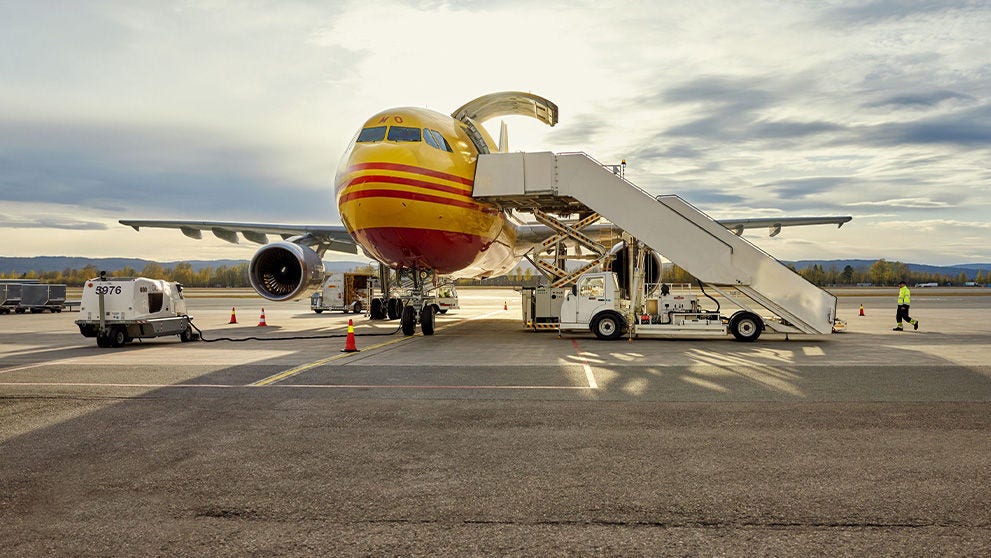
For door-to-door air express, CIF simply does not apply. Courier shipments are sold on one of the any-mode rules, such as CPT, CIP or DAP, depending on who will bear the taxes at destination.
CIF makes sense when the cargo is bulk or break-bulk and the supplier can get better ocean freight than you. It also helps a small importer without a freight forwarder, because it means one less transport contract to manage.
If you have your own rates with a carrier or forwarder, CIF gets expensive: the seller builds in its own rate and a margin on top. In that case, and whenever the cargo is containerised, the real choice is between FCA and FOB, compared side by side in the guide to the FOB Incoterm and Brazil.
At the other end of the scale sits DDP, where the seller delivers with duties paid. It cannot be used at all for imports into Brazil, under the same Camex Resolution No. 16/2020, and the reason is explained in the guide to the DDP Incoterm and Brazil.
Check these points before you sign:
CIF stands for Cost, Insurance and Freight. The seller pays freight and minimum insurance to the named port of destination, but risk passes to the buyer at loading.
The buyer. CIF ends at the destination port and does not include import clearance, duties, taxes or local charges.
No. Under Incoterms® 2020, CIF is for sea and inland waterway transport only, and the equivalent rule for air, containers or multimodal transport is CIP.
Under CFR (Cost and Freight), the seller pays carriage to the destination port but does not buy insurance. Under CIF, the seller pays carriage and also a minimum policy in the buyer's favour.
It is close, but not identical. Brazilian customs value adds goods, freight and insurance to the port of discharge, excludes costs in Brazil shown separately from freight, and can include other adjustments set out in the Customs Regulation.
Samples, spare parts and urgent orders rarely justify an ocean contract. For those, door-to-door air express works on different terms: CPT, CIP or DAP in the contract, end-to-end tracking and managed customs clearance, including Heavy Weight shipments from 50 kg to 3,000 kg.
If your trade with Brazil looks like that, open a DHL Express business account and ship with a partner that also handles the customs step.


 Share
Share