FCA stands for Free Carrier. The seller delivers the goods, cleared for export, to the carrier nominated by the buyer at the named place in the country of origin.

Under the FCA Incoterm (Free Carrier), the seller's obligation ends when the goods, cleared for export, are handed to the carrier nominated by the buyer at the named place in the country of origin. It works with any mode of transport, and it is the rule the ICC points to instead of FOB for containerised cargo.
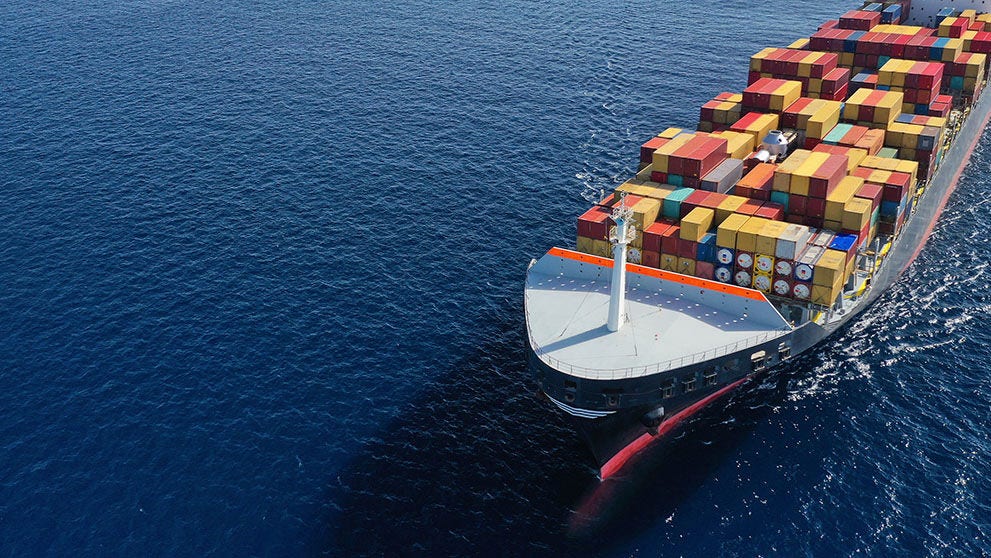
Anyone exporting in containers knows the awkward part. The cargo leaves the yard days before the vessel sails, yet the contract says responsibility only ends on board. FCA closes that gap and, since 2020, also answers the banking requirement that kept pushing exporters back to FOB.
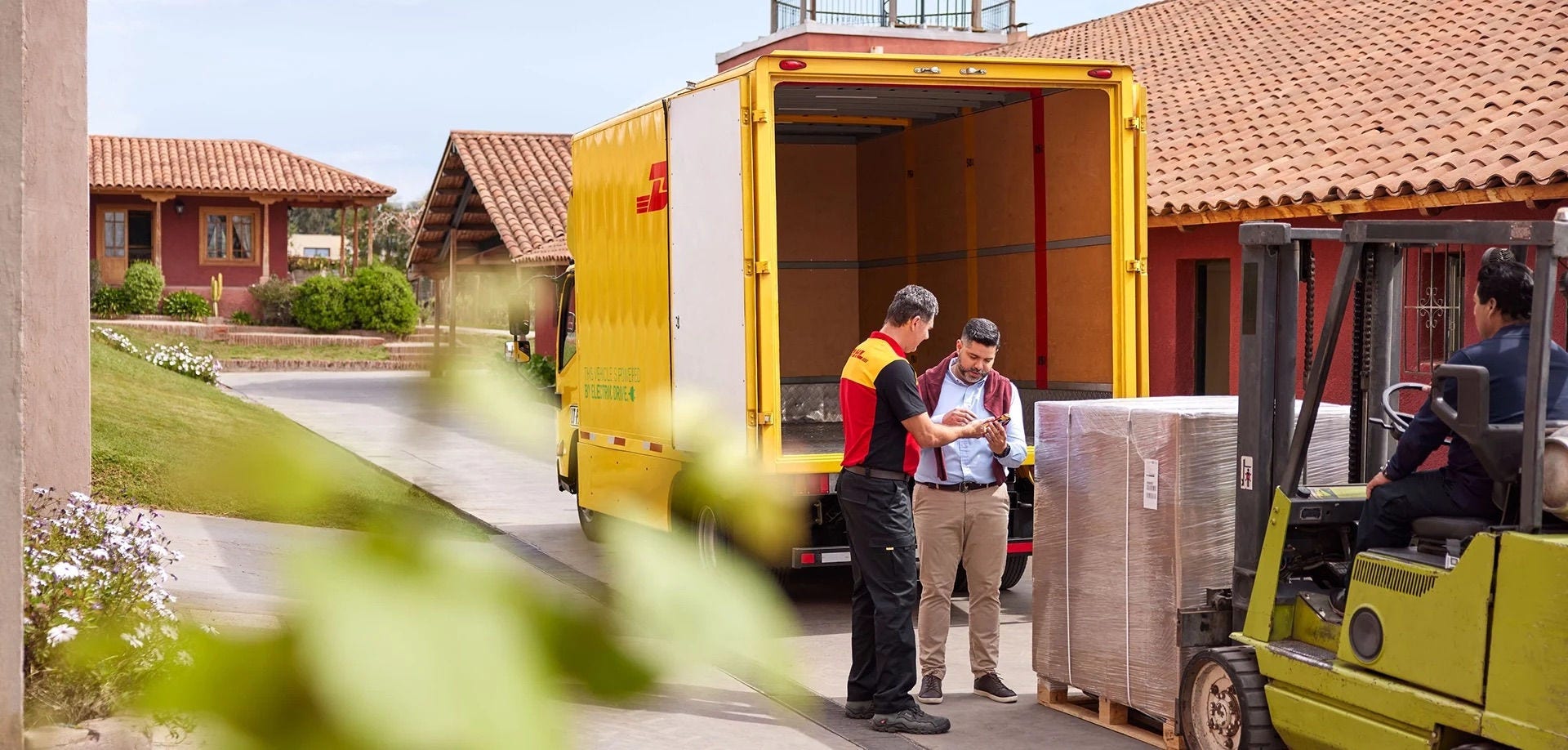
It depends on the named place in the contract, and the difference decides who operates the forklift. The official description used in Siscomex (Brazil's federal foreign trade system) says the seller ends its responsibility "when it delivers the goods, cleared for export, to the carrier or to another person nominated by the buyer, at the named place in the country of origin". Source: Camex (Brazil's Foreign Trade Chamber) Resolution No. 16/2020.
The ICC splits this into two situations:
One rule of thumb covers both. Whoever arrives with the vehicle unloads, whoever receives the vehicle loads. Writing only "FCA" with no address leaves that cost unsettled.
FCA is one of the 11 rules published by the International Chamber of Commerce (ICC). The other ten are covered in the guide What are Incoterms®?.
On handover to the carrier or to the person nominated by the buyer, at the agreed place. According to the ICC, that is the point where risk of loss or damage transfers under FCA, with no wait for loading onto a vessel or aircraft. Source: ICC Academy, Incoterms® 2020.
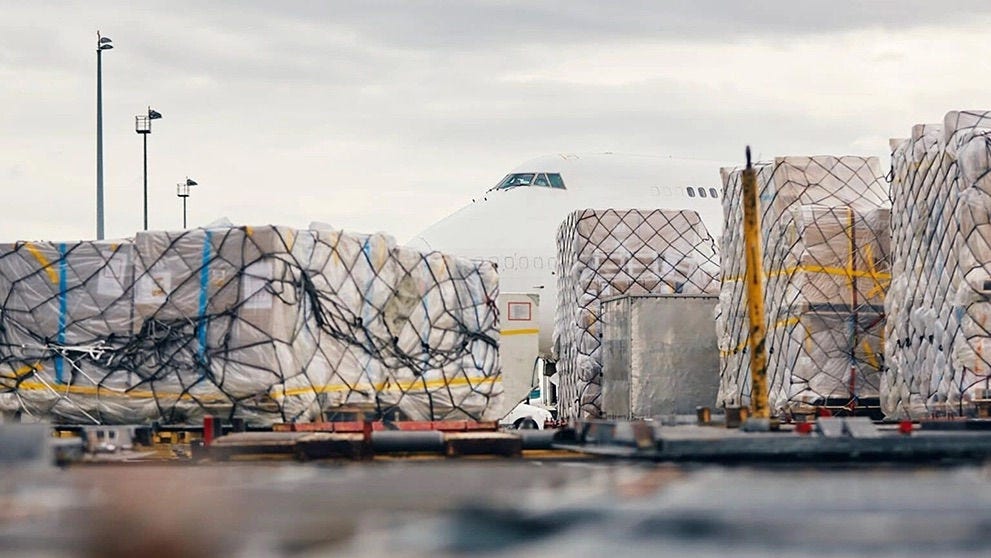
Take an exporter in Curitiba delivering two pallets to the air cargo terminal in Guarulhos, São Paulo. The instant the handling agent receives and signs for the cargo, risk changes hands. If the flight slips by three days, the problem already belongs to the buyer, and the seller need never hear about it.
This alignment is what makes FCA more honest than FOB in containerised trade. The delivery point in the contract becomes the same point where the seller actually loses control of the goods.
The banking documents changed, and the change was designed to unlock the rule. According to the ICC, article A6/B6 of FCA now provides for the parties to agree that the buyer will instruct the carrier to issue an on-board bill of lading to the seller once the goods have been loaded on board. Source: ICC, Incoterms® 2020.
The objection this solves is an old one. Letters of credit usually call for a bill of lading with an on-board notation, and under FCA delivery happens before loading. Without the new mechanism, an exporter who needed that document ended up accepting a FOB term that did not describe its operation.
The 2020 edition also brought own transport into the picture. Camex Resolution No. 16/2020 notes, on the FCA line, that buyer and seller may use their own means of transport for parts of the journey, an option that extends to DAP, DPU and DDP.
All three deliver at origin, and the choice sets who clears, who loads and where risk changes hands. The table lays out what usually decides the contract:
Criterion | FCA | FOB | EXW |
Mode of transport | Any | Sea and inland waterway only | Any |
Place of delivery | Nominated carrier, at the named place | On board the vessel, at the port of shipment | Seller's premises, not loaded |
Who loads | Seller, if delivery is at its premises | Seller | Buyer |
Export clearance | Seller | Seller | Buyer, with the Brazilian caveat |
Where risk passes | On handover to the carrier | Once the goods are on board | Before loading |
On-board bill of lading | Possible, if agreed | Standard | Not provided for |
Suitable for containers | Yes | No | No |
For anyone buying or selling in containers, the choice between FCA and FOB is spelled out in the guide to the FOB Incoterm and Brazil. When the offer on the table is delivery at the gate with no clearance at all, read the guide to the EXW Incoterm and Brazil first.
Because in container and air cargo the real delivery happens at the terminal, not on the international leg. The ICC recommends FCA for containerised cargo even in sea transport, so that the contractual delivery point matches the moment the seller hands the goods to whoever will move them.
There is a further signal few readers know about. In its survey of national regulatory barriers to the Incoterms® 2020 rules, updated in January 2025, the ICC lists a restriction on FCA in one single country, the United States. Brazil is not on that list, unlike what happens with EXW, CIF, CIP and DDP.
Express door to door follows the same logic. Collection happens at your address, the cargo enters the carrier's network there, and it moves by air and road to destination. Origin rules such as FCA and destination rules such as DAP and DPU describe that flow better than any port term, as the guide to the DAP and DPU Incoterms in Brazil explains.
Build it in five steps, in this order:
Pricing in FCA does not remove the usual calculation. The DU-E (Declaração Única de Exportação, Brazil's single export declaration) asks for the VMLE, the value of the goods at the place of shipment, which "in exports corresponds to the FOB value of the goods". Source: Receita Federal (Brazil's federal revenue and customs authority), DU-E filing manual, updated on 13 November 2025. The rest of the process is covered in the guide to exporting from Brazil.
FCA stands for Free Carrier. The seller delivers the goods, cleared for export, to the carrier nominated by the buyer at the named place in the country of origin.
The buyer. It contracts carriage from the delivery point onwards, while the seller only covers costs up to placing the goods at the nominated carrier's disposal.
No. Under Incoterms® 2020, only CIF and CIP oblige the seller to insure the cargo. Under FCA, whoever wants cover buys their own policy, and risk sits with the buyer from delivery onwards.
The first works with any mode and ends on handover to the carrier at the named place. FOB applies only to sea and inland waterway transport and ends when the goods are on board the vessel at the port of shipment.
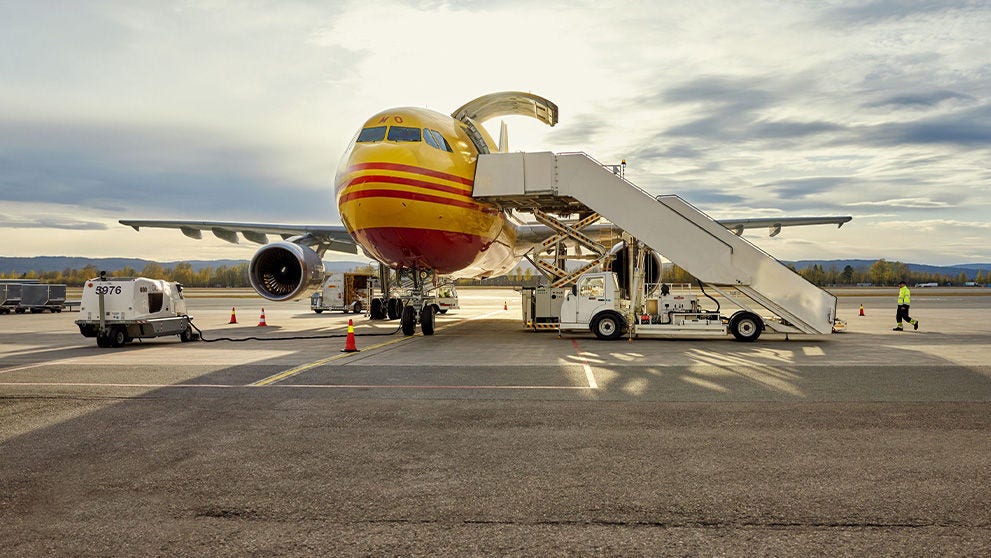
It does. FCA is one of the rules suited to air cargo, express and multimodal moves, because delivery happens on handover to the carrier at any agreed point.
The parties may agree that the buyer will instruct the carrier to issue a bill of lading with an on-board notation to the seller after loading. The provision sits in article A6/B6 of Incoterms® 2020.
FCA only pays off when the carrier on the other side does its part: collects on the agreed day, issues documents in the format the bank accepts, and moves the cargo with no gap in tracking. In express shipping that matters twice over, because collection happens at your address and export clearance travels with it.
If your operation exports in smaller, urgent volumes, open a DHL Express business account and negotiate with a delivery point your contract can actually describe.


 Share
Share