#LogisticsAdvice

DDP vs DAP: What Every Online Seller Needs to Know

Key Takeaways

  • Clarity: Choosing the right shipping term helps you set clear price expectations for your buyers.
  • Conversion: Delivered Duty Paid pricing helps reduce cart abandonment caused by surprise fees.
  • Control: Managing customs duties upfront gives you clear oversight of your international delivery costs.
  • Flexibility: On Demand Delivery lets buyers manage their final mile and helps reduce failed first-attempt drops.

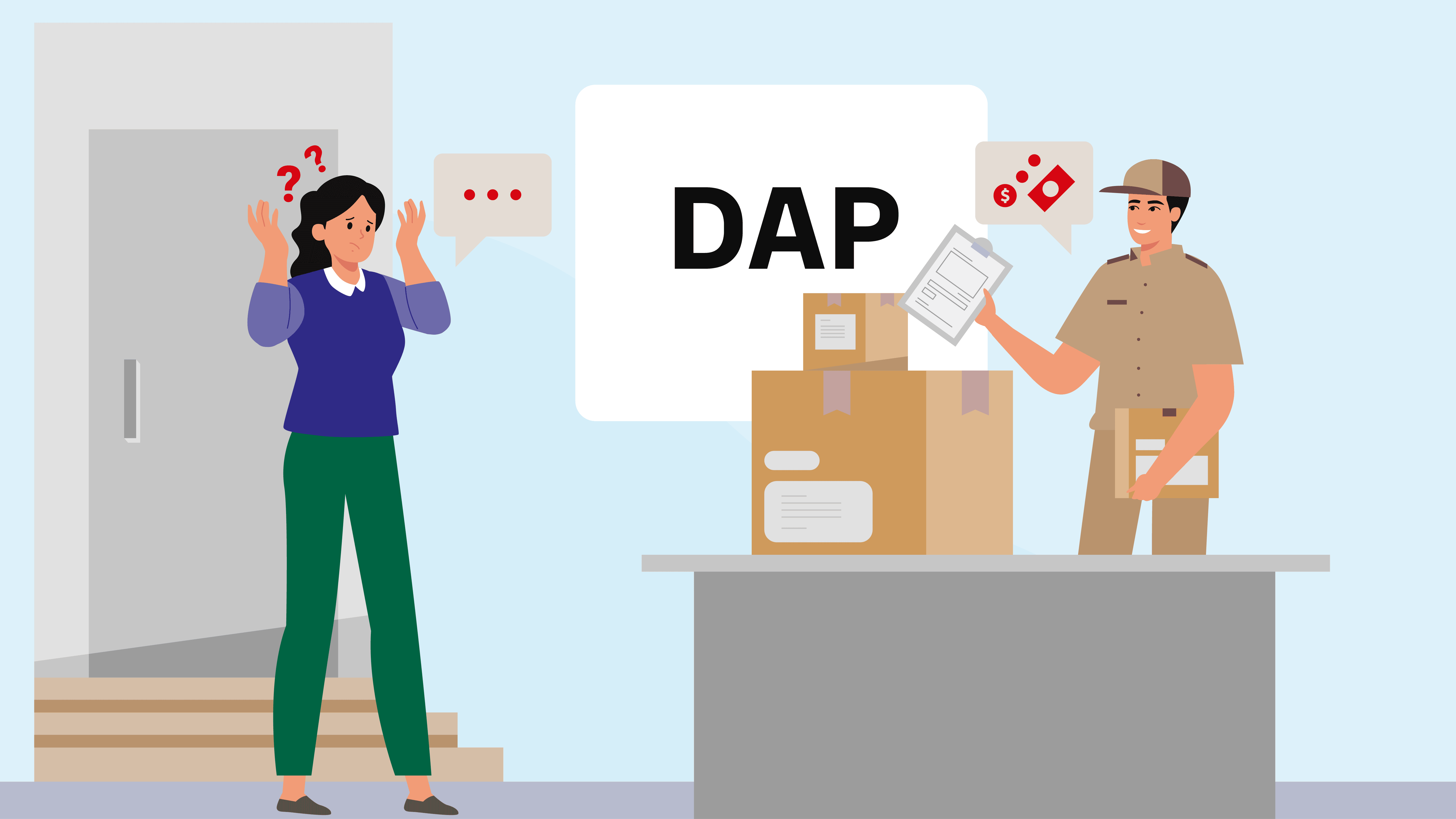
Imagine this: your customer in another country clicks "buy," pays in full, and waits patiently for their order. Then, a customs bill arrives at their door that they didn't expect. They refuse to pay it. Now, you are responsible for the return shipping costs, and they have shared their negative experience online. This scenario is a common outcome of using DAP shipping terms, and it could be costing your business more than you realise.


Why does DAP create so much fulfilment friction?

DAP (Delivered at Place) means your buyer has to sort out customs clearance themselves. This often involves coordinating with local agents and paying duties and taxes manually before their parcel can be released. This creates an unexpected and frustrating delay at the very end of their purchasing journey.

This is a critical moment where the trust you have built with your customer can be damaged. Since the buyer has already paid at checkout, an extra bill at their doorstep can feel like a hidden charge, not a standard procedure.

What does the DAP clearance process look like for your customer?

A smooth DAP clearance process depends on having the right paperwork and registrations in place, which many sellers don't consider until it's too late.

What DAP registration requires

As an Indonesian exporter, you'll need the correct registrations to comply with local regulations. This includes having a Business Identification Number (NIB) and Taxpayer Identification Number (NPWP) to meet requirements set by the Directorate General of Customs and Excise (Bea Cukai) . For your destination markets, you’ll also need to understand their specific rules. For example, when shipping to the US, there is a de minimis value of USD 800, which as U.S. Customs and Border Protection notes, allows many low-value shipments to enter duty-free. For the EU, you may need to register for the Import One-Stop Shop (IOSS) to manage VAT on low-value goods, which simplifies the process for your customers.

Where Duty Tax Paid comes in

Even with perfect paperwork, external factors can cause delays. In Indonesia, we know that seasonal weather patterns and other environmental factors can lead to logistics disruptions. Capacity can also become very tight during the annual Lebaran holiday period, when the ‘mudik’ homecoming tradition creates a surge in travel and shipping that affects port and airport throughput. DDP helps mitigate these issues by ensuring the financial side of customs is already handled, letting clearance proceed as soon as the shipment is processed.


Can switching to DDP improve your checkout conversion?

DDP (Delivered Duty Paid) helps turn international browsers into loyal customers by taking the guesswork out of landing costs. When your customer sees the full, final price at checkout, that transparency can significantly reduce cart abandonment.

How DAP and DDP compare

Here is a simple comparison of the two terms:

Delivery Term

Who Pays Duties?

Impact on Customer

DAP

Buyer

Sudden fees can create frustration and lead to refused shipments.

DDP

Seller

A smooth delivery experience with no surprise costs builds trust.

A single refused DAP parcel can cost you over 895,000 IDR in return freight and lost margin. This risk increases during major peak shopping periods like Harbolnas (National Online Shopping Day), when order volumes are high and customers expect a smooth delivery.

How MyDHL+ helps you price it right

To help you plan, you can use MyDHL+ to estimate duties and taxes before you send your goods from major hubs like Soekarno-Hatta International Airport (CGK). This allows you to build these costs into your product pricing, protecting your margins while offering your buyers a seamless checkout experience.

Why On Demand Delivery can protect your brand reputation

Missing a delivery is one of the biggest causes of poor reviews in cross-border e-commerce. When your customer isn't home to receive their package, having flexible options is more important than the shipping term you chose. DHL On Demand Delivery (ODD) lets your buyers decide exactly where and when they get their items, putting them in control.

What flexible delivery prevents

Offering flexible delivery windows helps lower the risk of returns. Instead of refusing a shipment they can't be home for, customers can choose to leave the package with a neighbour, send it to a local service point, or reschedule for a time that works for them.

Three ways ODD improves the experience

Here is what ODD offers your customers:

Choice

Choice: Buyers can select their preferred delivery location and time based on their schedule.

Visibility

Visibility: Real-time tracking keeps the customer informed about their parcel’s status every step of the way.

Reliability

Reliability: Fewer failed first-attempt deliveries mean your customers get their items on time, improving their overall experience.

 

Clear up your shipping terms today

Clear, transparent delivery terms build trust with your international buyers and help protect your brand’s reputation. Our Duty Tax Paid service is the operational tool that makes DDP work in practice, allowing customs charges to be billed to your DHL Express invoice instead of leaving your buyer with an unexpected bill.

We invite you to speak with a DHL Express specialist today to explore how we can help make your international checkout smoother for every buyer.


Frequently Asked Questions

DAP (Delivered at Place) means the buyer is responsible for paying any import duties and taxes upon the shipment's arrival in their country. DDP (Delivered Duty Paid) means the seller pays these charges upfront, allowing the customer to pay one final, all-inclusive price at checkout.

Choosing DDP helps remove unexpected costs and delays for your buyer. This makes your brand more trustworthy and appealing to international shoppers who value a transparent, all-inclusive price over the uncertainty of a potential customs bill.

You can use the estimating tools in MyDHL+ to check current duty and tax rates for your destination markets. This will help you build these costs into your product pricing accurately.

Yes, in many cases DDP can help speed up customs clearance because the payment of duties and taxes is arranged before the shipment arrives at the border. This can help avoid the holds that occur when a customs authority is waiting for a buyer to pay the required charges.

While DDP is often the best choice for improving customer experience and loyalty, some markets may have specific tax rules that make DAP more practical, particularly for large or industrial shipments. We recommend checking your destination market's rules in My Global Trade Services (MyGTS) before updating your checkout settings.