No. Dangerous Goods services are only available to approved DHL customers. Your account must complete DHL's onboarding and approval process before Dangerous Goods options can be activated.

Whether you're shipping lithium batteries, dry ice, chemicals, perfumes, or medical specimens, Dangerous Goods shipments require additional controls to ensure safe and compliant transportation. DHL Express provides approved customers with the ability to create Dangerous Goods shipments through MyDHL+ and the MyDHL API, helping businesses streamline shipping while meeting regulatory requirements.
Dangerous Goods (DG) are articles or substances that may pose a risk to health, safety, property, or the environment during transportation. Common examples include:
Because these shipments are regulated under international standards such as IATA regulations for air transport and ADR regulations for road transport, they must be correctly packaged, labelled, and documented before transportation.
Dangerous Goods services are only available to approved DHL customers. Before selecting Dangerous Goods shipping options in MyDHL+ or submitting Dangerous Goods shipment details through the MyDHL API, your DHL account must be activated for the relevant Dangerous Goods service.
To request activation:
DHL's Restricted Commodities Team will assess and approve eligible shippers before Dangerous Goods can be transported through the DHL network.
Once your account has been approved for Dangerous Goods shipping, you can create your shipment through MyDHL+.
Log in to your MyDHL+ account and complete the standard shipment creation process.
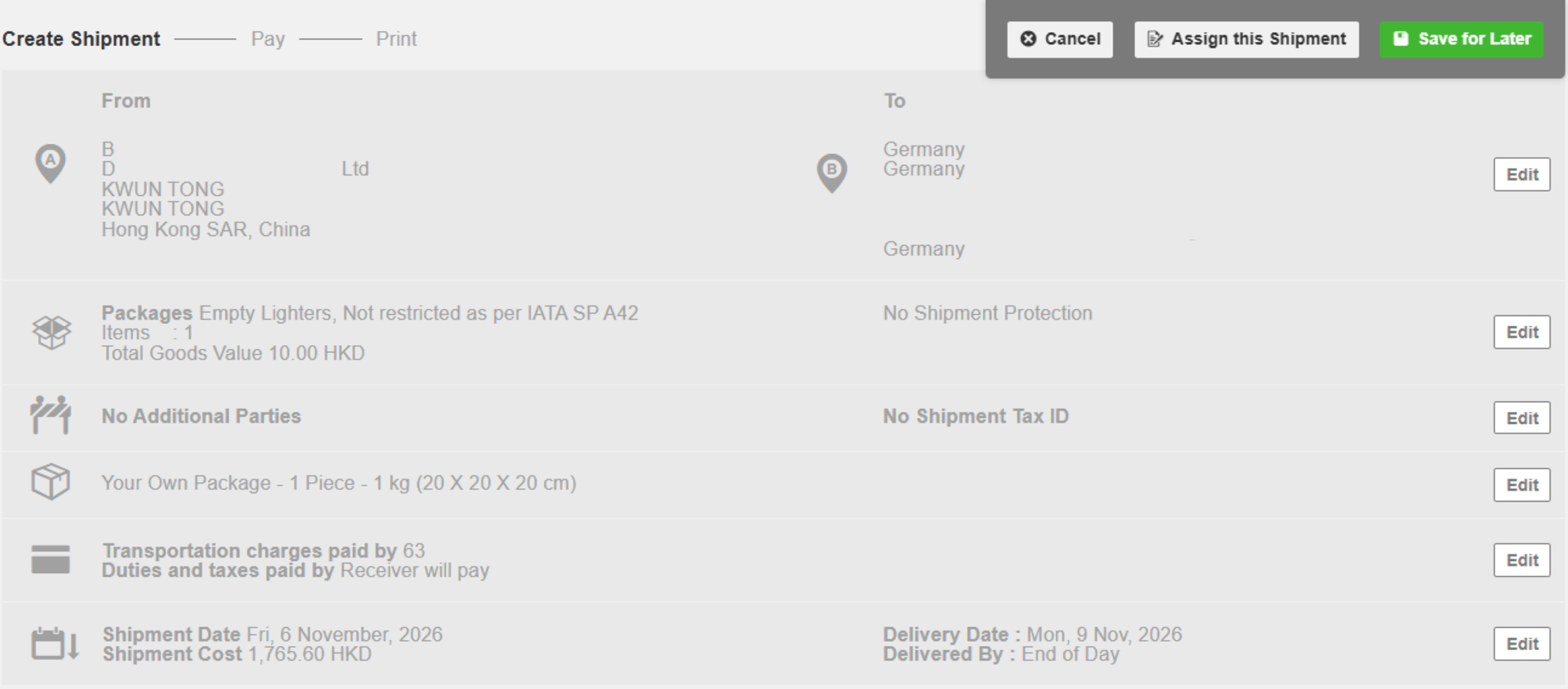
Under ‘Optional Services’, tick ‘Dangerous Goods’ and choose the relevant Dangerous Goods category for your shipment.
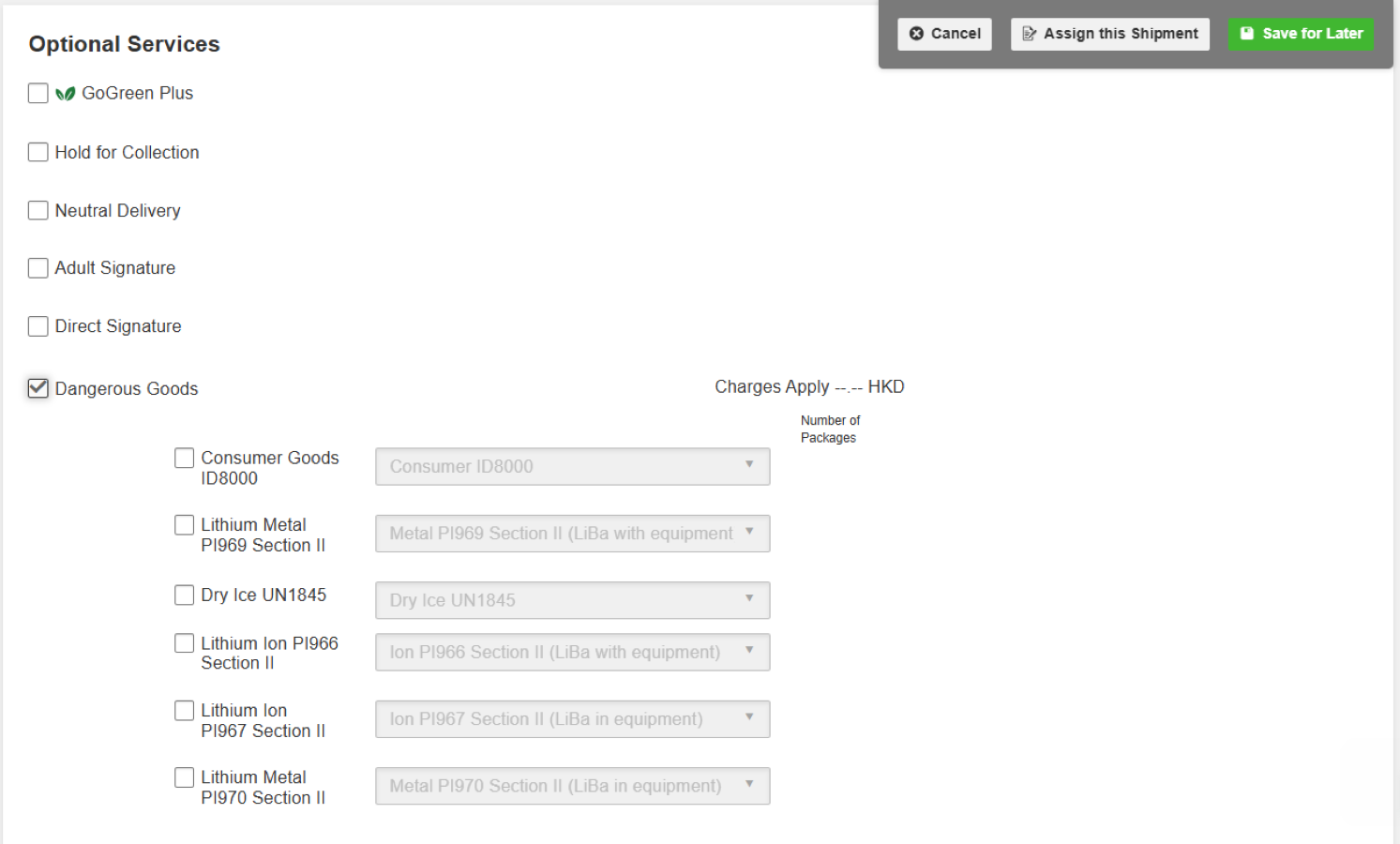
For businesses integrated directly with DHL systems, Dangerous Goods information can be submitted through the MyDHL API.
When building your shipment request, ensure the following fields are completed correctly:
Description | |
<Contents> | Actual shipment contents |
<SpecialServiceType> | Service code for the specific Dangerous Goods type |
<DG_ContentID> | Content ID for the specific Dangerous Goods type |
Providing accurate data helps ensure successful shipment processing and compliance with Dangerous Goods regulations.
| Service Name | Service Code | Content ID | Label Description (On Labels) |
|---|---|---|---|
| Lithium Ion Batteries PI966 | HD | 966 | Lithium-ion batteries in compliance with Section II of PI966 |
| Lithium Ion Batteries PI967 | HV | 967 | Lithium-ion batteries in compliance with Section II of PI967 |
| Lithium Metal Batteries PI969 | HM | 969 | Lithium metal batteries in compliance with Section II of PI969 |
| Lithium Metal Batteries PI970 | HW | 970 | Lithium metal batteries in compliance with Section II of PI970 |
| Service Name | Service Code | Content ID | Label Description (On Labels) |
|---|---|---|---|
| Dry Ice UN1845 | HC | 901 | UN1845 Dry Ice *** KG |
| Expected Quantities | HH | E01 | Dangerous Goods in Excepted Quantities, UN **** |
| Dangerous Goods | HE | 910 | Dangerous Goods as per attached DGD |
| Dangerous Goods | HE | 911 | Dangerous Goods as per attached DGD - CAO |
| Consumer Goods ID8000 | HK | 700 | Dangerous Goods as per attached DGD |
No. Dangerous Goods services are only available to approved DHL customers. Your account must complete DHL's onboarding and approval process before Dangerous Goods options can be activated.
Dangerous Goods can include lithium batteries, dry ice, aerosols, chemicals, perfumes, medical specimens, and other hazardous materials that may present risks during transportation.
You can refer to DHL's Dangerous Goods Shipping Guide for information on packaging, documentation, and regulatory requirements before shipping hazardous materials internationally.


 Share