The global cosmetics market is no longer just growing; it’s undergoing a fundamental transformation. Projected to reach approximately US$704.17 billion by 20321, the industry is being reshaped by a digitally-native younger generation that prioritizes ethical sourcing and “clean” beauty.
For Malaysia, this shift has sparked a wave of innovation, moving local brands beyond simple product quality to high-tech subscription models and global international e-commerce strategies.
In 2026, the shift toward a digital-first approach is the primary driver of improved business efficiency. With the permanent migration of consumers to online channels, Malaysian entrepreneurs must look beyond domestic constraints. The path to growth now lies in the vast potential of worldwide shipping, turning local laboratory breakthroughs into global household names.
What products constitute the cosmetics industry?
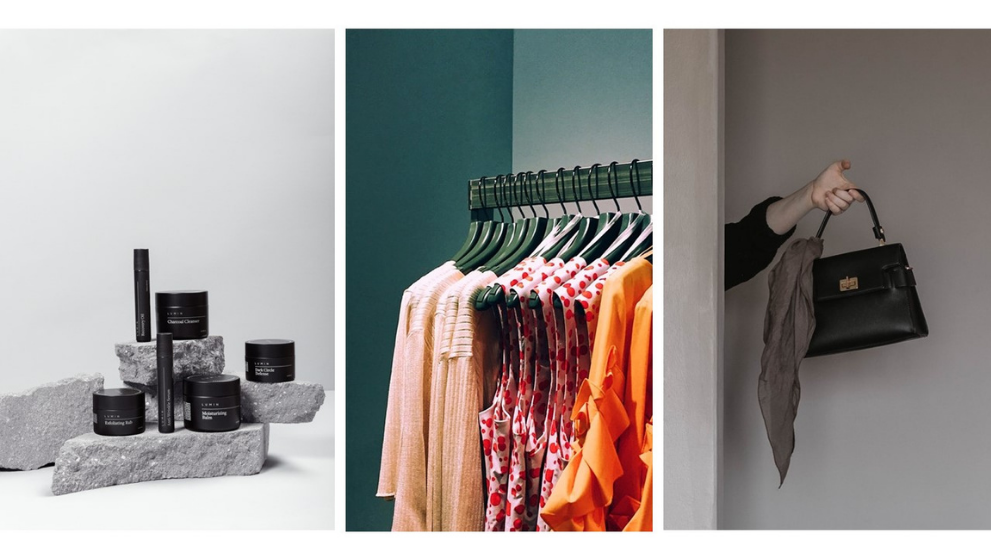
While "makeup" often dominates the headlines, the beauty industry in Malaysia is a broad ecosystem. To maximize your international e-commerce potential, you must understand how to categorize your cosmetics for different global markets:
- Color cosmetics (face, lips, and eyes): Foundations, lipsticks, and eyeliners. In 2026, the trend is "skin-first" makeup, where color products are infused with active skincare ingredients like niacinamide or hyaluronic acid.
- Hair-related products: This is currently one of the fastest-growing categories. It includes specialized shampoos, conditioners, and hair perfumes that cater to specific hair types (e.g., hijab-specific hair care).
- Body-related products: Deodorants, soaps, and lotions. There is a surging demand for "dermocosmetic" body care products that treat specific skin conditions rather than just moisturizing.
Malaysian cosmetics market size and potential
The cosmetic market in Malaysia has reached new heights. Revenue surpassed US$2.3 billion in 2024, with an expected annual growth rate of 5.99%2 fueled by rising per capita income. However, the true “blue ocean” for local brands lies in three strategic export lanes:
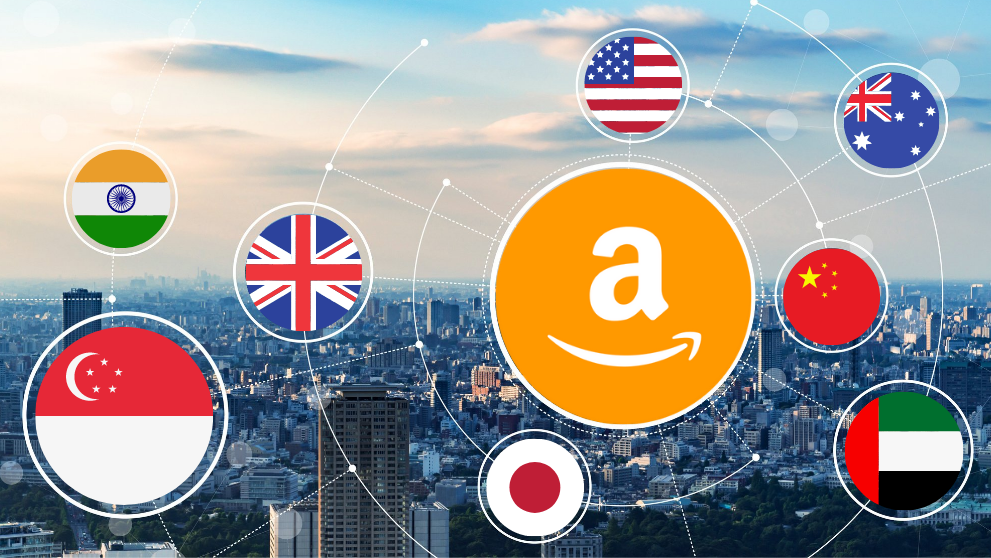
- The halal-luxury lane (Middle East): Nations like the UAE and Saudi Arabia are seeking premium, high-performance Halal cosmetics. Malaysian brands, already experts in Sharia-compliant manufacturing, have a "first-mover" advantage here.
- The organic-natural lane (ANZ): Consumers in Australia and New Zealand are increasingly skeptical of synthetic ingredients. Malaysian brands using tropical botanicals are seeing massive traction3.
- The high-growth SME lane (Southeast Asia): Indonesia and Vietnam represent the highest volume of new beauty consumers. For these markets, the focus is on affordability without compromising on modern branding.

Why should traditional Malaysian cosmetics businesses go online?
With internet usage reaching over 6 billion people globally4, the digital space is no longer just a “channel” — it’s the marketplace. Malaysia's own e-commerce penetration is projected to grow by over 75% by 20295, driven by mobile-first shoppers.
For local brands, utilizing various e-commerce platforms provides a direct line to a global audience. When you pair Malaysia’s expertise in practical and Halal-certified products with the right e-commerce tips for small businesses, you can effectively bypass traditional retail "gatekeepers." This allows local brands to compete directly with giants in the United States or France through a targeted international delivery service.
The “shipping-ready” cosmetics: Navigating logistics challenges
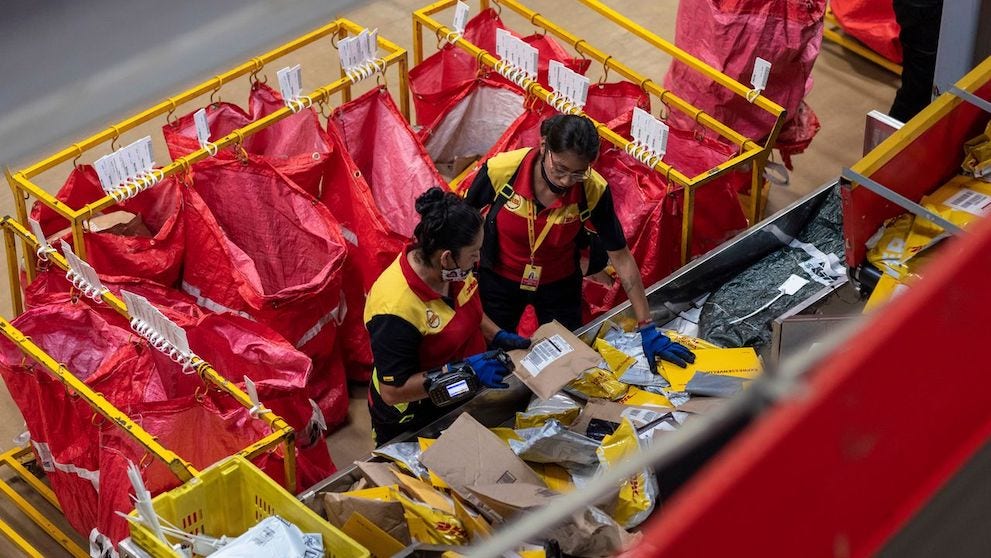
To successfully ship cosmetics globally from Malaysia, you must master the technical side of export logistics. Unlike apparel or electronics, beauty products are chemically active and physically fragile.
Liquids, aerosols, and Dangerous Goods (DG)
Many perfumes, nail polishes, and hair sprays contain alcohol or pressurized gases, making them Dangerous Goods. Always check the Flash Point of your liquid products. If it is below 60°C, it may require specialized DG handling and specific packing materials for shipping.
Pro-tip: If you are unsure if your specific product qualifies as restricted, visit our FAQ page about exporting cosmetics from Malaysia for a detailed breakdown of chemical thresholds and required permits.
Packaging integrity for air freight
Air travel involves pressure changes that can cause standard containers to leak. To prevent this, adopt the "Double-Seal Method": apply an induction foil seal under the cap as a primary barrier, then add an external shrink-sleeve to keep the closure secure against vibrations.
For the outer carton, use the "H-taping" method, sealing all seams and corners in an 'H' shape, to reinforce structural integrity. Finally, eliminate all "void space" with dunnage to prevent bottles from colliding or breaking during transit.
Global compliance and labeling
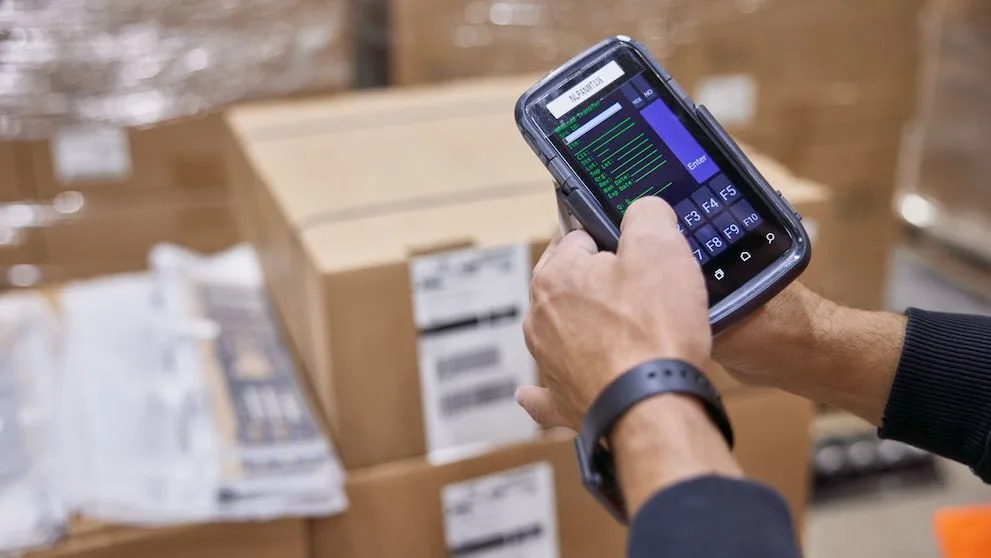
Every market has a "Responsible Person" requirement. For example, to enter the EU, your labels must list the 26 regulated allergens and comply with IFRA standards. Using a tool like MyGTS can help you provide a landed cost estimate so your customers aren't surprised by hidden duties.

Start an online cosmetics business today
The growing global cosmetics market offers lucrative opportunities for Malaysian manufacturers and suppliers to expand their business operations into foreign shores. Whether you’re launching a new startup or adding a beauty line to an existing business, the key is to prioritize your online presence from day one.
Utilizing the right platform and social media marketing allows you to gather real-time data on international trends. By focusing on niche markets, such as sustainable packaging or Halal luxury, Malaysian businesses can carve out a significant space in the global beauty industry.
Take the Malaysian beauty industry global
The convergence of high international demand and Malaysia’s reputation for rigorous manufacturing standards creates a unique opportunity. By mastering your logistics and embracing a data-driven e-commerce business model, your brand can scale from a local laboratory to the global stage.


 Share
Share
Similar Stories