DAP (Delivered at Place) means the buyer pays duties and taxes upon arrival. DDP (Delivered Duty Paid) means the seller pays these charges upfront, so the customer pays a final, all-inclusive price at checkout.

Your customer clicked buy, paid in full, and waited two weeks. Then a customs bill arrived at their door that they didn't expect. They refused it. You paid for the return. And they left a one-star review. That's DAP in action, and it's costing Kiwi cross-border sellers more than they realise.
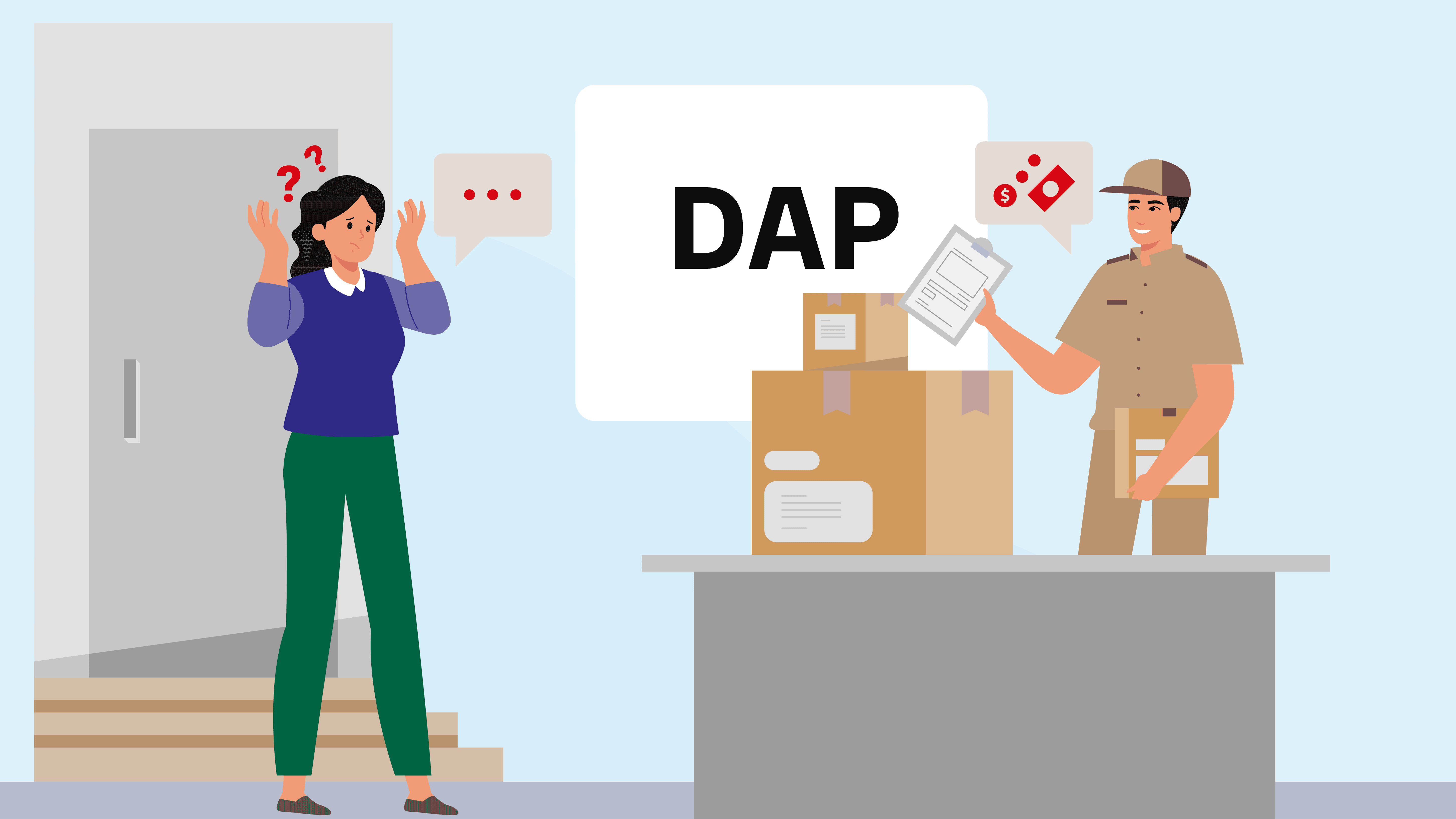
DAP means your buyer has to sort out customs clearance themselves. They have to coordinate with local agents and pay manually before their parcel gets released. That's real friction at the worst possible moment in their journey.
This is exactly when brand trust erodes. The buyer already paid at checkout, so an extra bill at the door feels like bad faith, not fine print.
Getting DAP clearance right depends on paperwork most sellers don't think about until it's too late.
For goods coming into New Zealand, you'll need to make sure your business is set up correctly with the relevant authorities. To clear commercial goods through customs, you need to be registered with the New Zealand Customs Service and have a Customer code. For any shipment valued at NZ$1,000 or more, a formal import entry must be lodged, which means having all your paperwork in order is essential to avoid delays. On top of any duties, New Zealand's Inland Revenue (IRD) requires GST to be collected on most goods at the border, a cost that is passed on to the buyer with a DAP shipment as explained in customs guidelines.
These processes can be delayed by disruptions, often showing up as weather-related hold-ups on roads or at ports. Capacity also gets very tight during the summer holiday period, when many businesses close for several weeks as part of a traditional annual closedown. This can compound any other issues already slowing shipments down.
DDP turns international browsers into buyers by removing the mystery of landing costs. Your customer sees exactly what they'll pay at checkout. That transparency is what drives real drops in cart abandonment.
Here's the difference laid out side by side:
Delivery Term | Who Pays Duties? | Impact on Customer |
|---|---|---|
DAP | Buyer | Sudden fees create frustration and refusals |
DDP | Seller | Smooth delivery with no surprise costs |
A single refused DAP parcel can cost you NZ$87.50 in return freight and lost margin. This is especially true during peak shopping periods like Black Friday when refusal rates spike alongside order volume.
You can use MyDHL+ to estimate duties and taxes before you send your goods, especially if you're shipping from a hub like the Port of Auckland. That lets you factor these costs into your product pricing to protect your margins while still giving buyers a smooth checkout.
Missing a delivery window is one of the biggest causes of poor reviews in cross-border e-commerce. When your customer isn't home, your shipping term matters less than your flexibility. DHL On Demand Delivery (ODD) lets buyers decide exactly where and when they get their items.
Flexible delivery windows lower the risk of returns. Customers can ask to leave the package with a neighbour, send it to a local service point, or reschedule for a better time instead of refusing it outright.
This is what it looks like in practice:

Choice: Buyers select their preferred delivery location based on their schedule.

Visibility: Real-time tracking keeps the customer informed about their parcel's status.

Reliability: Fewer failed first-attempt drops mean your customers get their items on time.
Clear delivery terms build trust with your international buyers and protect your reputation. Duty Tax Paid is what makes DDP possible in practice: it bills customs charges to your own invoice instead of leaving your buyer with a surprise bill at the door.
Speak to a DHL Express specialist today to make your international checkout smoother for every buyer.
DAP (Delivered at Place) means the buyer pays duties and taxes upon arrival. DDP (Delivered Duty Paid) means the seller pays these charges upfront, so the customer pays a final, all-inclusive price at checkout.
DDP removes delivery friction and hidden costs for your buyer. That makes your brand more appealing to international shoppers who would rather pay one all-inclusive price than gamble on a customs bill later.
You can use the estimating tools in MyDHL+ to check current duty and tax rates for your destination markets. This helps you build those costs into your product pricing accurately.
Yes, DDP often speeds up customs clearance because the paperwork and payment are sorted out before the parcel ever reaches the border. This avoids the holds that happen when a buyer doesn't pay a customs bill on time.
While DDP is often the best choice for improving customer loyalty, some markets have specific tax rules that make DAP more practical for certain types of shipments. Check your destination market rules in My Global Trade Services (MyGTS) before you update your checkout settings.


 Share