What are the packaging and labelling requirements?
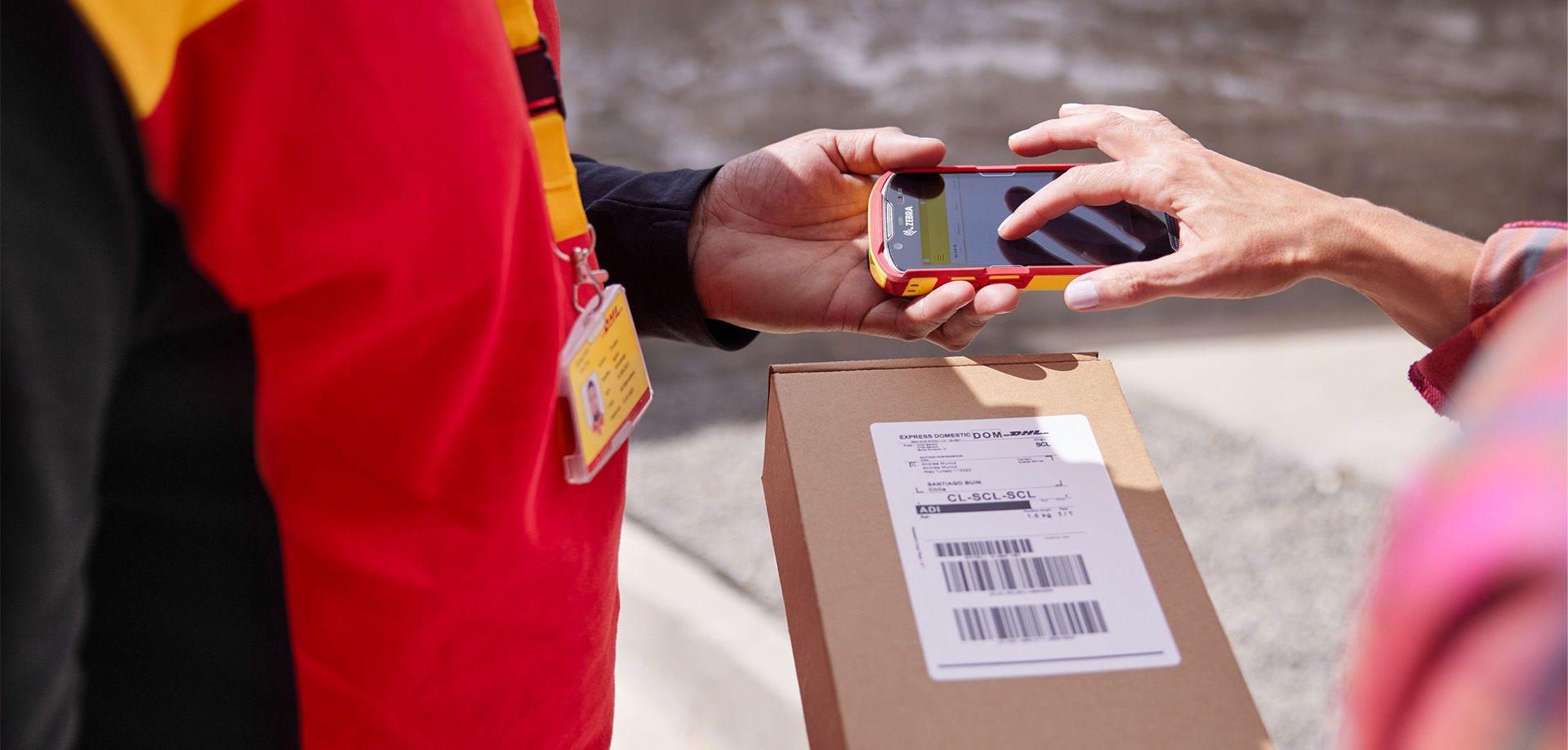
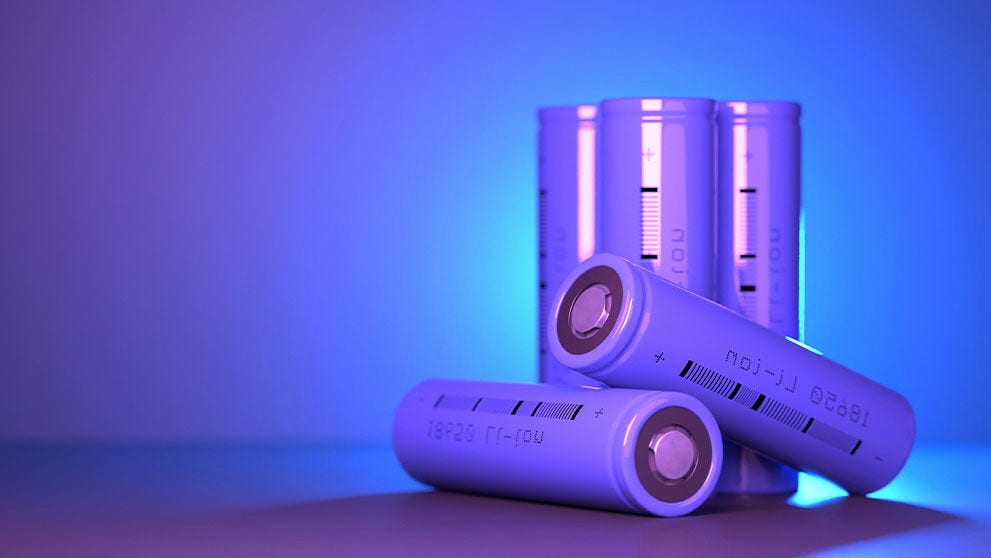
EVs are classified as Dangerous Goods in Apparatus. They require specific Class 9 Hazard Labels that must be visible on the packaging or the vehicle itself. The 2026 labels combine symbols for both Lithium and Sodium-ion risks.
Class 9 Label: This is the primary mark for miscellaneous dangerous goods.
CAO Label: This is mandatory if the battery size exceeds passenger aircraft limits.
Battery Mark: This is for vehicles that do not meet the full exceptions.
Safety Compliance: We follow Packing Instruction (PI) 952 to ensure your vehicle is handled according to air safety standards.
Ensuring these labels meet the standards of the Indonesian Directorate General of Civil Aviation is critical. A single missing sticker can lead to a fine of IDR 80,000,000 or more per shipment.
How can you help protect your EV supply chain?
The trend is moving toward digital visibility to provide real-time monitoring. This visibility is becoming a requirement for high-value insurance policies on luxury EV shipments, offering peace of mind.
Thermal Monitoring: We use SmartSensor tech to help track temperature and humidity during transit.
Instant Alerts: You can receive notifications if your shipment encounters unexpected conditions.
Peak Planning: Space for dangerous goods can tighten during the busy Hari Raya Idul Fitri (Lebaran) period, which often sees significant clearance delays.
Early Scheduling: Booking your shipments early ensures you get the capacity you need, avoiding the pre-holiday rush.
Are you ready to ship your next fleet?
Navigating the 2026 battery regulations requires a partner who understands the technical nuances of dangerous goods and the specific logistical landscape of Indonesia. By mastering the SoC rules and the new UN classifications, you can turn a major logistics risk into a smooth, trusted operation. Speak to a DHL specialist today to check your fleet plan and move your vehicles with confidence.
Frequently Asked Questions